
US News
US Delays Chinese Chip Tariffs Until Mid-2027; Hassett Predicts $2K Rebate Checks ‘Probable’


The Trump Administration and the Potential Economic Impact of Supreme Court Decisions on Tariffs
Overview of Current Economic Climate
The economic atmosphere in the U.S. is charged with anticipation as National Economic Council Director Kevin Hassett recently articulated the Trump administration’s expectation that the U.S. Supreme Court will favorably rule on the legality of President Trump’s tariffs. This potential ruling holds significant implications, not only for the future of these trade measures but also for the broader economic landscape.
Supreme Court’s Decision on Tariffs
During a recent interview on CBS’s “Face the Nation,” Hassett pointed out that a ruling against Trump’s tariffs could lead to an invalidation of a sizable portion of existing tariffs. Such a decision could force the government to issue refunds amounting to nearly $100 billion, a prospect that Hassett described as presenting “major administrative problems.” This situation underscores the complexity and potential chaos associated with unwinding tariff structures that have been in place.
The $2,000 Tariff Rebate Proposal
Amidst the backdrop of this legal uncertainty, President Trump has floated the idea of $2,000 tarifficate rebate checks for American citizens, an initiative that Hassett now believes has more feasibility than previously thought. According to Hassett, who shared his insights during the same broadcast, he expects a formal proposal to be presented to Congress in the upcoming year. This rebate, if enacted, could serve as a means of offsetting the economic pressures brought on by tariffs.
The Warrior Dividend Announcement
In addition to the talk of tariff rebates, President Trump recently declared a $1,776 “warrior dividend” payment targeted at approximately 1.45 million U.S. service members, an initiative aimed at honoring military personnel. However, the details of how this program will be funded or enacted remain vague. Critics have raised concerns about the affordability of such payments, especially in light of the diverse proposals Trump has suggested for utilizing tariff revenue.
Companies Bracing for Refunds
As uncertainty looms over the legality of tariffs, U.S. companies are taking proactive steps to safeguard their financial interests. Many are hedging their bets by selling their rights to collect potential government refunds to outside investors. This trend illustrates how corporations are maneuvering through the complicated landscape shaped by these tariffs, adapting their strategies amid the changing regulatory environment.
Monthly Tariff Revenues
Recent data provides insight into the financial repercussions of tariff policies. In November, tariff revenues dipped, marking a significant downturn from $31.35 billion in October to $30.76 billion. This decline indicates potential vulnerabilities within the tariff revenue stream that has funded various initiatives, including proposed rebates and military dividend payments.
Broader Economic Implications
The implications of these developments extend far beyond individual rebates or dividends. As U.S. firms adapt to the shifting trade landscape, there is notable anxiety surrounding the overall impact of tariffs. Companies like Costco are among those filing lawsuits against the government, seeking refunds in anticipation of the Supreme Court ruling against Trump’s policies. A decision in favor of these companies could mean that they recoup billions in tax revenues collected during the tariff regimes.
International Trade Dynamics
On the international front, the situation is equally dynamic. Reports suggest Canada and the U.S. are scheduled to commence formal discussions regarding their free trade agreement in mid-January 2026. This timely meeting comes amid broader concerns about trade relations, particularly following Trump’s imposition of tariffs that have spurred retaliatory measures from Canada.
Conclusion
As the United States approaches a pivotal moment with the Supreme Court’s impending decision on tariffs, the interplay between domestic economic policy and international relations will significantly shape the economic landscape. From potential refunds and rebates to international trade negotiations, the stakes are high as the Trump administration navigates this complex fiscal terrain.

The Impact of Federal Presence in Minneapolis: A Community Responds
An Unprecedented Show of Force
In the aftermath of the tragic shooting of Renee Nicole Good, the streets of Minneapolis have become a stage for a significant increase in federal officers. Residents are experiencing an overwhelming presence that they describe as overwhelming and invasive. This intensified law enforcement action has not only encroached upon the daily lives of people in the community but has also altered the atmosphere of their neighborhoods starkly.
A Surge of Officers on the Streets
From unmarked cars idling in residential neighborhoods to officers actively conducting door-to-door visits, the visibility of federal agents is palpable. This vigilant surveillance is akin to a surge of military presence in a war zone—striking and unsettling to behold. Community members have reported interactions with these law enforcement officials in stores and various public spaces, including a notable incident at a Target store in Richfield, just south of the city.
The Nature of Law Enforcement Operations
Comparatively, the level of intensity and aggression displayed by federal agents in Minneapolis is strikingly higher than past immigration enforcement actions in other large cities such as Chicago, Los Angeles, and Charlotte. Residents feel that the nature of these operations, particularly at this scale and severity, is unprecedented in their community, leaving them uncertain about their constitutional rights and basic safety.
Social Media and the Sharing of Discontent
Videos circulating on social media tell a harrowing story of the consequences of this increased presence. Residents have documented violent arrests and police interactions, including a particularly troubling incident where a woman was physically dragged from her vehicle. In these chilling recordings, the excessive use of chemical agents and police brutality is not only captured but shared widely, demonstrating the community’s growing unrest and fear.
Voices of Concern and Fear
Amidst these circumstances, residents are speaking out, articulating their feelings of anxiety and distress. One woman, who wished to remain anonymous for fear of retaliation, likened the federal presence to a situation reminiscent of Nazi Germany. As a restaurant owner, she closed her establishment to protect her immigrant employees from potential repercussions. Her poignant statement reflects a broader sentiment among community members: “It feels very much like an invasion.”
Protest and Community Action
The response from residents includes protests against these federal actions. Demonstrations at facilities such as the Whipple federal detention center have become a rallying point for those opposed to the perceived militarization of their city. Many attendees emphasize the urgent need to raise awareness about what they consider violations of human rights. This grassroots activism is gaining traction as more individuals recognize the implications of a thriving police state in their neighborhoods.
Delving Deeper into the Shared Experience
As the situation evolves, the community grapples with profound questions regarding their rights, safety, and the future of local governance. Balancing law enforcement practices within the bounds of civil liberties is challenging, and the emotionally charged environment in Minneapolis stands as a poignant reminder of the rift between authority and the populace. The palpable tension underscores a compelling narrative of resilience in the face of adversity.
Broader Implications on Local Communities
The ongoing situation in Minneapolis raises critical discussions not just about immigration enforcement but also about the relationship between communities and law enforcement agencies. The experiences shared by residents evoke a call for systemic change and reform, urging law enforcement to reconsider its tactics and the impact they have on community trust and cohesion.
For further details and to follow the unfolding story, visit NBC News.
Note
The current atmosphere in Minneapolis serves as a powerful example of how local issues can resonate beyond their immediate environment, prompting national conversations about civil rights, policing, and community relationships. The community remains vigilant, poised for change, and prepared to advocate for their rights amidst an uncertain future.
US News
Live Updates: Death Toll from Iran Protests, Iranian Threats to the U.S., Execution of Erfan Soltani Postponed
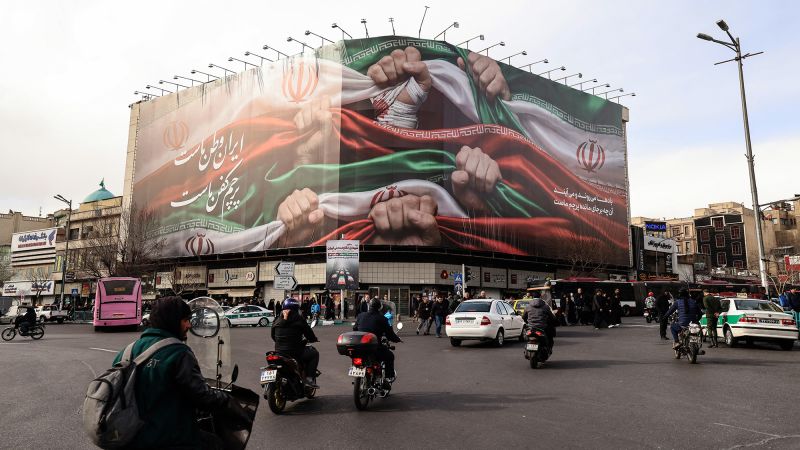
The New Era of Misinformation: AI-Generated Videos Amid Iran’s Protests
In recent times, the use of artificial intelligence (AI) to generate videos has raised significant concerns regarding the authenticity of information shared online. A disinformation watchdog group in the U.S. has reported that several videos purporting to show protests in Iran have been fabricated using AI, particularly in light of the recent internet blackout in the country. This development not only complicates the verification process for such footage but also poses serious questions about the nature of truth in the digital age.
AI and Misinformation
NewsGuard, the organization that uncovered this disinformation, highlights that it identified at least seven AI-generated videos shared by both pro- and anti-government accounts. These videos, framing the ongoing unrest in Iran, have attracted considerable attention, with some clips garnering as many as 3.5 million views. The ease with which AI can replicate realistic video footage complicates efforts to discern what is real and what is artificially created.
Under Scrutiny: Specific Instances
One particularly notable video showed women protesters smashing a vehicle claimed to belong to the Basij, a volunteer paramilitary group in Iran famed for its role in suppressing demonstrations. This clip received an impressive 719,600 views and 5,700 likes in just a day. However, an analysis using Hive, a detection tool, revealed a 100 percent likelihood that the footage was indeed generated by AI. The video displayed unmistakable signs of manipulation, such as distorted glass shards and misspelled words, raising alarms about its credibility.
The Phenomenon of AI-Generated Content
Another striking example involved videos shared by conservative, anti-regime accounts in the U.S., claiming to show Iranian protesters altering street signs to symbolically rename them after former President Donald Trump. This clip alone managed to achieve 91,000 views and 7,100 likes within 24 hours. Still, NewsGuard’s analysis confirmed with 100 percent certainty that it, too, was created by AI. Such instances not only highlight the power of AI to craft convincing narratives but also point to the potential for widespread misinformation.
The Human Cost of Unrest
As the situation in Iran has escalated, the human toll has been staggering. According to the U.S.-based Human Rights Activists News Agency (HRANA), at least 2,400 demonstrators have lost their lives since protests began in December. The ongoing internet blackout compounds the tragedy, making it exceedingly difficult to confirm accurate death tolls and raising the chilling possibility that the actual number of casualties may be far higher.
The Internet Blackout and Its Implications
The internet monitoring group NetBlocks has confirmed that Iran has been largely cut off from the internet for over a week, following the government-imposed nationwide shutdown. This blackout severely restricts the flow of information and hampers the dissemination of images, videos, and eyewitness accounts. In such an environment, the reliance on trusted sources diminishes, making the population more susceptible to fabricated content.
Communication in a Blackout
Despite the significant communication hurdles posed by the blackout, some news outlets like CNN have managed to connect with individuals on the ground during fleeting moments when landline or mobile calls are possible. These brief communications offer invaluable insights into the actual circumstances faced by those in Iran, illuminating a stark contrast to the potentially misleading narratives generated by AI.
Navigating the New Landscape of Information
The current situation underscores the urgent need for critical media literacy and discerning consumption of information. As AI technology continues to advance, distinguishing between real and fake visual content becomes increasingly challenging. For audiences worldwide, awareness and vigilance have never been more crucial in navigating this complex landscape marked by rapid technological development and political upheaval.
In a time when trust in media and information sources is paramount, understanding the implications of AI-generated content in the context of ongoing crises like those in Iran is essential for informed discourse.
US News
Federal Officer Shoots Man Who Allegedly Fled Traffic Stop and Assaulted Officer, According to DHS
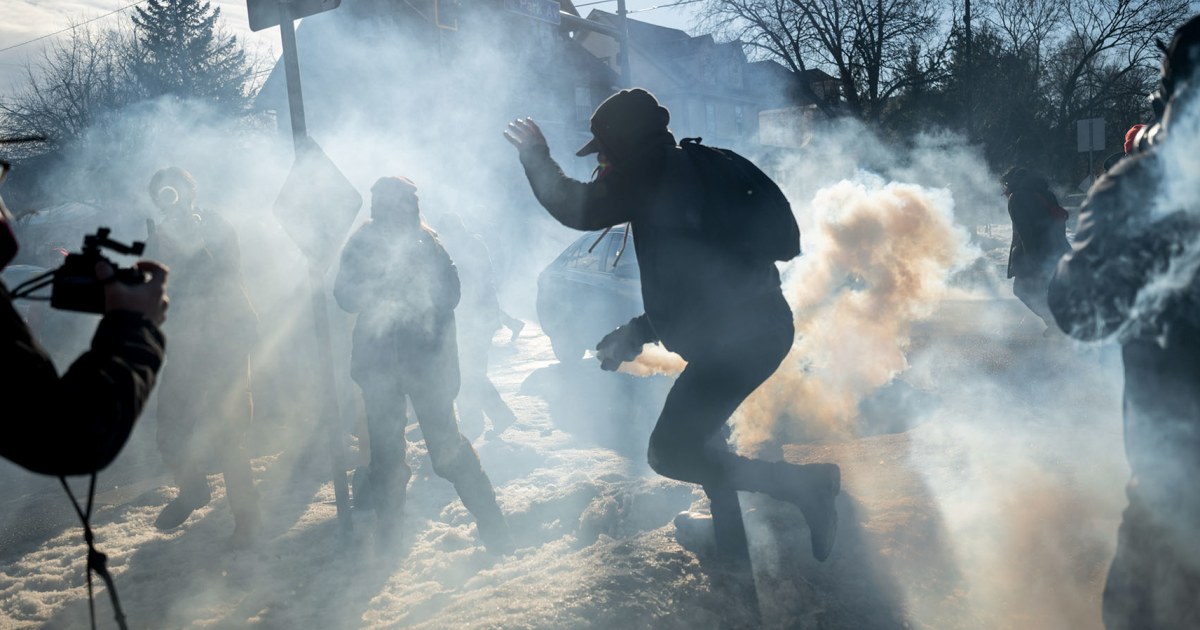
Incident Overview
A serious altercation occurred in Minneapolis involving a federal officer and a Venezuelan man, culminating in the officer firing his weapon. According to a statement from the Department of Homeland Security, the encounter was characterized as an “ambush.” This incident unfolded on a seemingly ordinary evening, raising critical questions about safety, law enforcement practices, and the complexities of immigration.
The Initial Encounter
The altercation began around 6:50 p.m. when the officer was conducting a targeted traffic stop. The situation rapidly escalated when the man involved attempted to flee the scene in a vehicle. Unfortunately, in the chaos, he crashed into a parked car before abandoning the vehicle and running away. This decision to flee set the stage for an unexpected confrontation.
Pursuit and Assault
As the officer pursued the man, it was revealed that the individual was in the country illegally—adding another layer of complexity to the scenario. During the pursuit, the man allegedly assaulted the officer, increasing tensions dramatically. The altercation further intensified when two onlookers emerged from a nearby apartment, joining in the fray.
Unexpected Support and Escalation
The two individuals who intervened were armed with makeshift weapons—a snow shovel and a broom handle. Their involvement contributed to an already chaotic scene, as they joined the man in attacking the officer. The arrival of these individuals turned the situation from a pursuit into a full-blown ambush, leaving the officer in a dire predicament.
Defensive Action
Feeling threatened and fearing for his life due to the overwhelming assault from multiple attackers, the officer resorted to using his firearm in self-defense. The Department of Homeland Security stated that, during the struggle, the officer fired shots in a defensive manner, resulting in the Venezuelan man being shot in the leg. This event underscores the alarming realities that law enforcement officers face during high-pressure encounters.
Barricade and Arrest
Following the chaotic confrontation, the three men involved reportedly barricaded themselves inside the apartment. Law enforcement authorities responded swiftly and effectively, managing to apprehend all parties without further incident. The quick response ensured control of the situation and protected the surrounding community from potential escalation.
Medical Response
In the aftermath, both the officer and the man who was shot were transported to a local hospital for treatment. The urgency of this medical intervention highlights the physical dangers present in such confrontations and raises ongoing questions about the safety of officers in the line of duty. Critical details about their conditions and further information regarding the incident remain pending.
Community Impact
This incident serves as a stark reminder of the tensions surrounding law enforcement and community safety, particularly within complex immigration narratives. Each confrontation not only affects those directly involved but also resonates throughout the community, prompting discussions around law enforcement practices, public safety, and the multifaceted nature of immigration enforcement.
The unfolding consequences of the incident will likely spark dialogues about police protocols, community relations, and the broader implications of immigration within urban settings, reflecting emerging societal tensions that require careful consideration and response.

Israel’s Interests in Somaliland: An Analysis | Politics News

Trump Update: Venezuelan Nobel Peace Prize Winner Presents Medal to U.S. President | World News

Stakeholders Consider the Future of the Wyoming Business Council | Local News

Wall Street Divided on Leading Sector in Stock Market Performance

Trump Warns of Invoking Insurrection Act During Protests Over Minneapolis ICE Shooting

Chicago Crime: Man Stabbed in Attempted Robbery in Englewood

Evaluating the Valuation of Gorilla Technology Group (GRRR) Following the US$1.4 Billion AI Data Center Partnership Announcement

Scientists Discover a Sweet, Low-Calorie Sugar That Won’t Raise Insulin Levels: ScienceAlert

2026 Calendar for XXXX – Jamestown Sun

Short Stream | Melodies of Sundari

EXCLUSIVE: Will Smith’s Former Best Friend Bilaal Breaks Silence in Explosive Tasha K Interview — Lawsuit, Scientology Allegations, and Claims of an Attempt on His Life

Four Forecasts for 2026

Carbon Industries Group Signs Major Carbon Credit Agreements with Senegalese Government | Currency News | Financial and Business Insights

2026 NFL Coaching Update: John Harbaugh Nearing Deal with Giants; Mike Tomlin Not Expected to Coach Next Season

Who Is Really Voting in These Polls? The Shocking Truth Behind America’s Approval Numbers

Top Picks from CES 2026: Editors Select the Best Products and Technologies

Elon Musk’s Return to Politics: Why Not Explore a New Hobby Instead? | Arwa Mahdawi

Wall Street Sees Modest Gains in Unsteady Start to 2026 | News, Sports, Jobs

Blueprint for a “Tax-Free America” That Actually Works

Nvidia’s Groq Acquisition Highlights How the AI Chip Leader Leverages Its Robust Balance Sheet to Maintain Dominance

The Most dramatic cats moments ever! 😂🤣 Funny Cat Videos 2025

Jennette McCurdy shares the stories behind memoir “I’m Glad My Mom Died”

Splash Dogs Take Over The Pool…And We Love It! | Dodo Kids | 1 Hour Of Animal Videos

The Funniest Animal Videos Compilation 😹🐶 Crazy Funny Dogs That Will Make You Laugh Nonstop 🤣

#54 Funniest Cats And Dogs videos 🐶🐱 #funny #animals #cuteanimals

Hilarious Animal Videos to Make You Laugh | Funny Dog & Cat Videos

Super Crazy Pets | FUNNIEST Animals You Have Ever Seen

Funniest Farm Animals

Funny Animal Videos 2023 – Comedy Voiceover! #12😹🐶🤣

Best Of The Funny Animal Videos 😹🐶 Funniest Cat & Dog Moments Ever Recorded 🤣
-
 Entertaiment2 weeks ago
EXCLUSIVE: Will Smith’s Former Best Friend Bilaal Breaks Silence in Explosive Tasha K Interview — Lawsuit, Scientology Allegations, and Claims of an Attempt on His Life
-
 Finance2 weeks ago
Four Forecasts for 2026
-
 Finance1 week ago
Carbon Industries Group Signs Major Carbon Credit Agreements with Senegalese Government | Currency News | Financial and Business Insights
-
 Opinion22 hours ago
Who Is Really Voting in These Polls? The Shocking Truth Behind America’s Approval Numbers
-
 Sports15 hours ago
2026 NFL Coaching Update: John Harbaugh Nearing Deal with Giants; Mike Tomlin Not Expected to Coach Next Season
-
 Technology4 days ago
Top Picks from CES 2026: Editors Select the Best Products and Technologies
-
 Politics1 week ago
Elon Musk’s Return to Politics: Why Not Explore a New Hobby Instead? | Arwa Mahdawi
-
 Business2 weeks ago
Wall Street Sees Modest Gains in Unsteady Start to 2026 | News, Sports, Jobs