
US News
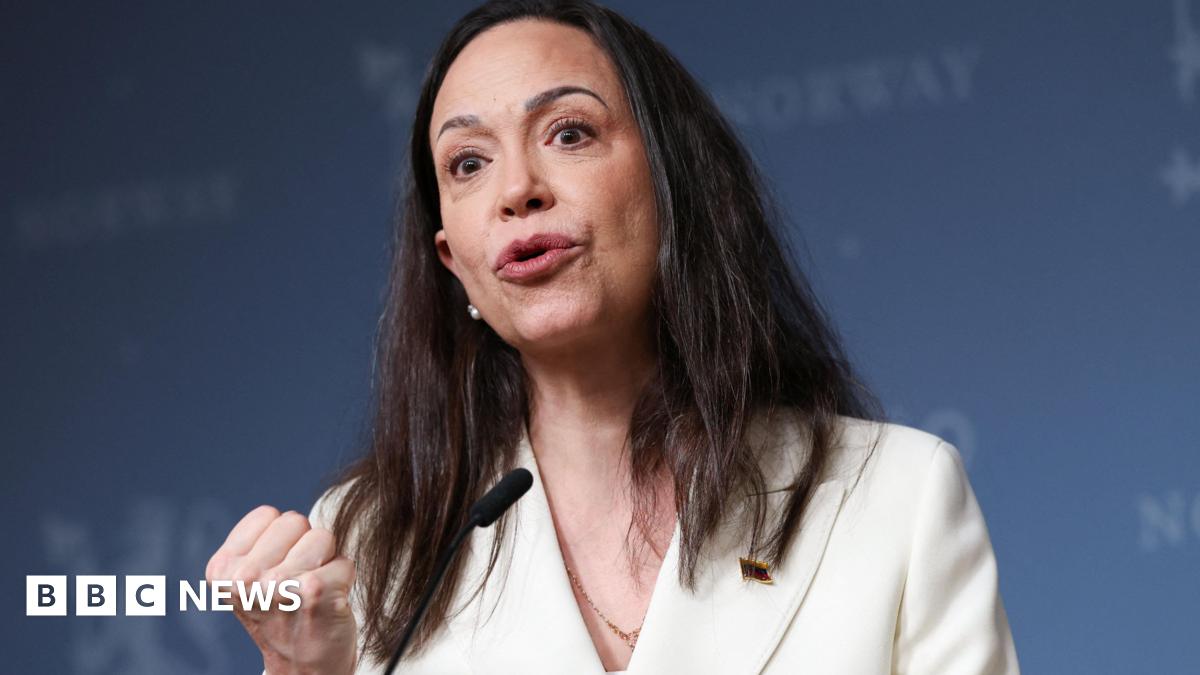
Venezuela Update: María Corina Machado Commends U.S. Actions Against Nicolás Maduro

The Heartfelt Conflict of a Young Venezuelan in America
A Distant Perspective
Miah Sanchez, a 22-year-old from Florida, embodies the emotional turmoil many young Venezuelans face while living abroad. Born in the U.S. but raised in the U.K., she now finds herself in a constant battle of emotions, feeling a connection to her roots while worrying for family members still situated in Venezuela. The ongoing crisis in her home country shapes her reality in profound ways.
Family on Edge
Miah’s extended family in Venezuela live under circumstances fraught with anxiety. Reports from her relatives detail nightmarish scenarios: “insanely long” queues at stores, where panic buying has become a common sight. “My aunt is genuinely scared,” Miah recounts, reflecting her concern for those she loves. The daily grind of securing basic necessities like bread has turned into a struggle, painting a grim picture of life back home.
Celebrations with a Side of Anxiety
Although political change has brought a glimmer of hope—specifically the departure of Nicolás Maduro—Miah grapples with a bittersweet sense of joy. “I am happy Maduro’s gone, but I feel torn and conflicted,” she explains, revealing her apprehension about the American political landscape. Her wariness of Donald Trump stems from his perceived ulterior motives regarding Venezuela’s vast oil reserves. Miah fears that external powers might exploit the ongoing instability to weaken Venezuela further.
The Deep Connection to Venezuela
Despite the turmoil, Miah’s heart pulls her towards her homeland. “I feel like Venezuela just feels like home to me,” she shares, painting a vivid portrait of her emotional ties to the country. The warmth of the people, the richness of the culture, and the joyous vibrancy of the food are all elements she deeply cherishes. “No matter where you go, you meet a Venezuelan person; they are just so warm,” she adds, emphasizing the hospitality that defines her culture.
A Cultural Pride
Miah’s passion for Venezuelan culture shines through her words. She laments that external perceptions often overlook the beauty and resilience of her homeland. “Our culture is so beautiful, and it’s a shame that people don’t get to see that,” she says, revealing a desire not just to return home, but to bring the richness of her culture to the world stage. In her mind, Venezuelans are more than mere statistics; they represent a vibrant community steeped in history and warmth.
A Yearning for Home
Ultimately, the underlying theme of Miah’s story is a profound yearning to reconnect with her family. “I feel desperate to go back and see my family in Venezuela,” she articulates, capturing the anguish of diasporic existence. The distance isn’t just geographic; it’s an emotional chasm filled with worry, love, and an ever-present urge to bridge the gap between her American life and her Venezuelan roots.
Through Miah’s experiences, we gain insight into the complexities faced by many young Venezuelans abroad—caught between a world of opportunity and the longing for home amidst a backdrop of crisis.
US News
White House Unveils Video Featuring Hollywood Stars Advocating for ‘Justice the American Way’ | Trump Administration

A Hollywood-Themed Propaganda Video: Unpacking the White House’s Latest Release
Recently, the White House unveiled a Hollywood-themed propaganda video that has sparked significant discussion and controversy across social media platforms. Short and impactful, the 42-second clip features a blend of iconic movie scenes and notable actors, promising “justice the American way” for Iran. However, rather than inspiring admiration, the video has drawn mockery and skepticism, reminiscent of a teenager’s social media post more than a serious governmental statement.
A Cast of Characters
At the heart of the video are several well-known film and television characters, each representing themes of resistance and empowerment—albeit in a decidedly theatrical manner. It kicks off with a scene from Iron Man 2, where Robert Downey Jr.’s Tony Stark makes a grand entrance, boldly exclaiming, “Wake up, Daddy’s home.” This choice is particularly striking given Downey Jr.’s vocal criticisms of the Trump administration and his support for Democratic candidates.
Following Downey Jr., the video features Russell Crowe from Gladiator and Mel Gibson from Braveheart, both hailing from Australia and New Zealand respectively. Their characters embody defiance against overwhelming oppressive forces; Crowe’s Maximus seeks justice in ancient Rome, while Gibson’s William Wallace rallies against English invaders. The selection of these films hardly masks the underlying message: an appeal to viewers’ sentiments around fighting against imperialistic aggressors.
The Ethical Lawyer and the Macho Fighter Pilot
Next, the video introduces Jimmy McGill, played by Bob Odenkirk in the Breaking Bad franchise. McGill—a moral gray character known for his unethical legal practices—screams “You can’t conceive of what I’m capable of,” a line that seems to blur the lines between criminality and heroism. This irony is rich, given the current political landscape where ethics are often called into question.
The inclusion of Tom Cruise as Maverick from Top Gun serves to tap into American exceptionalism and the glorification of military power, punctuating the narrative with a call to action that feels both nostalgic and hyperbolic. His character embodies bravery and patriotism, underscoring the video’s overarching theme of American supremacy.
Quoting the Pop Culture Icons
As the video progresses, Canadian-born Keanu Reeves makes an appearance, declaring, “I’m thinking I’m back!” from the John Wick franchise, while Bryan Cranston—known for his role as Walter White in Breaking Bad—proclaims, “I AM the danger!” This choice of dialogue raises eyebrows, particularly given both actors’ histories of publicly criticizing the Trump administration. Cranston, like Downey Jr., has been candid about his disillusionment during Trump’s presidency, further complicating the video’s messaging.
The Mix of Genres
The latter parts of the video introduce a flurry of action heroes, seamlessly transitioning between live-action and animated sequences. This chaotic blend of genres speaks to a broader trend in the Trump administration’s visual communications strategy, reflecting a growing reliance on sensational and engaging content to communicate complicated political ideas. The closing voiceover, delivering a dramatic “flawless victory” reminiscent of the Mortal Kombat franchise, adds a tongue-in-cheek nod to the absurdity of the video’s narrative.
Social Media Backlash
After its release, the video faced an onslaught of criticism online, with many users highlighting the immaturity of its approach. Instead of galvanizing American sentiment, the White House’s attempts at engagement were perceived as contrived, inviting ridicule and comparisons to juvenile antics on social media. Critics argue that this reflects a deeper issue regarding the administration’s understanding of governance, blurring the lines between political rhetoric and entertainment.
The Use of Permissions and Controversies
Another layer of concern surrounding the video involves the use of copyrighted material. The apparent lack of secured permissions from the featured movies raises questions about the ethical implications of such a production. This is not the first time the Trump administration has brushed shoulders with controversy; high-profile artists have previously clashed with the White House over unauthorized use of their music, leading to a growing dialogue about intellectual property and political messaging.
Visual Propaganda in the Modern Age
Beyond its content, this video embodies a growing trend of using provocative visuals and AI-generated imagery, often referred to as “slopaganda.” The term captures the essence of messaging that prioritizes shock value over substance, leveraging technology to generate attention-grabbing content. This reliance on sensationalism reflects a broader strategy within the Trump administration, showcasing a propensity for confronting established norms through provocative methods of communication.
In epic fashion, this latest endeavor by the White House encapsulates a moment in political history characterized by the intertwining of entertainment and governance, raising essential questions about the future of political discourse in an age dominated by digital media.
Escalation of Conflict in the Middle East: Cyber and Economic Impacts
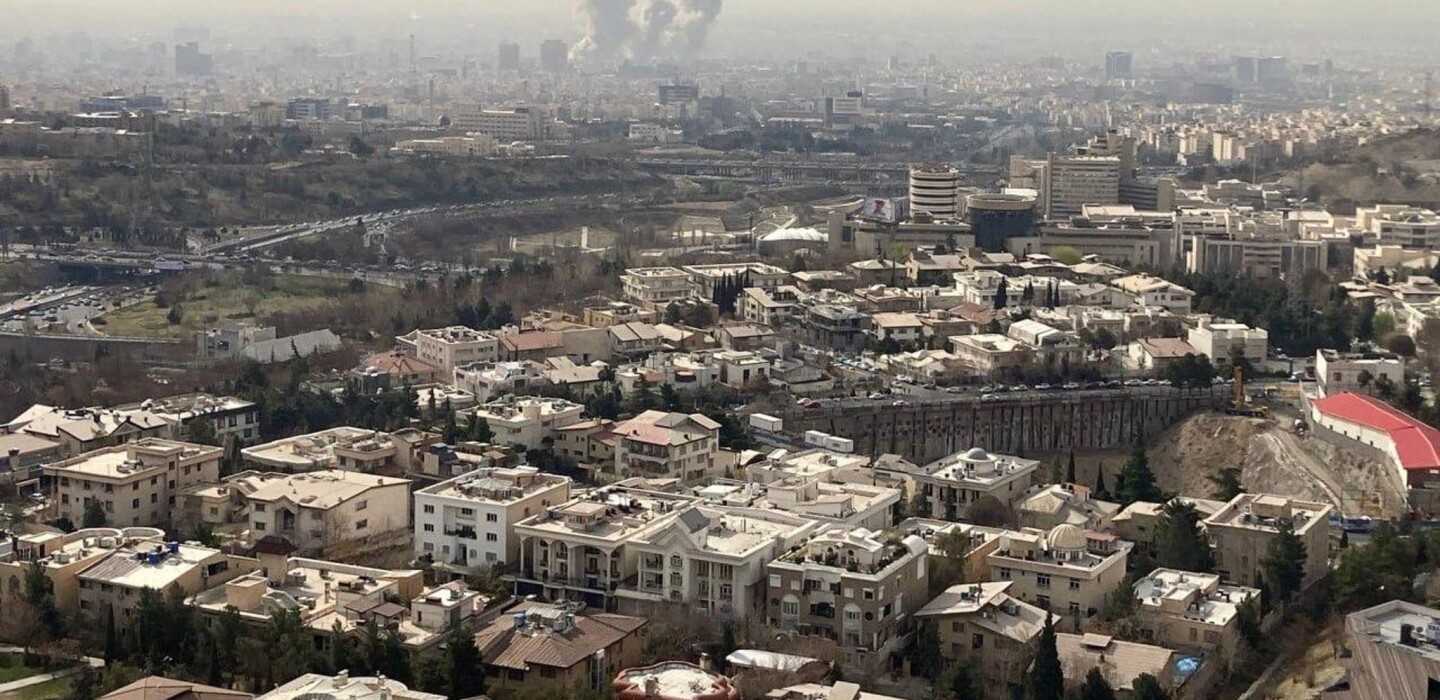
In recent weeks, international tensions have intensified following U.S.-Israeli military operations targeting Iran. This escalation has triggered a backlash from pro-Iranian hacktivists who have launched a series of cyberattacks, primarily aimed at regional targets but extending even to Pennsylvania. The ramifications of these actions touch not only the immediate countries involved but also state and local governments across the United States, raising concerns about cybersecurity, supply chain disruptions, and economic impacts.
Cyberattacks as a Form of Retaliation
In the wake of military strikes by the U.S. and Israel, hacktivists supporting Iran have ramped up their cyber operations. While the Iranian government initially focused on responding to the destruction caused by airstrikes, pro-Iranian actors outside the country began targeting U.S. entities. Recently, reports indicated that a group known as the FAD Team managed to breach the cybersecurity of Pennsbury Township in Pennsylvania, leaking sensitive information.
Experts in cybersecurity, such as Randy Rose from the Multi-State Information Sharing and Analysis Center (MS-ISAC), have warned that while most cyberattacks in the near term are expected to be low-level—such as website defacement and denial-of-service attacks—state and local governments remain prime targets. The potential for more sophisticated attacks, including SQL injections aimed at critical infrastructure, remains a significant concern.
Physical Attacks and Ideological Motivations
Although a direct military strike from Iran is not feasible, ideologically motivated actors in the U.S. pose a risk of physical attacks inspired by the ongoing conflict. Reports about a recent shooting incident in Austin, Texas, have brought this issue into focus. While the investigation is ongoing, officials are considering whether the shooter was influenced by the war dynamics.
Given the emerging threats, state and local governments are advised to maintain open lines of communication with law enforcement agencies to stay informed about potential risks. MS-ISAC recommends that government officials reduce the amount of personal information available online to mitigate risks associated with targeted violence.
Cloud Service Disruptions
The conflict has also precipitated significant disruptions in cloud services, largely due to the operations of major tech companies in the region. Following Iranian drone strikes that targeted Amazon Web Services data centers in Bahrain and the UAE, tech firms like Amazon and Nvidia have temporarily shut down operations in various Middle Eastern countries. This ripple effect of service outages highlights the interconnectedness of global technology infrastructures.
Should more data centers experience attacks, the overflow of computing workloads could lead to a strain on data centers elsewhere, including the U.S. The consequences could be far-reaching, affecting a myriad of services, ranging from cloud storage to AI processing capabilities, and could result in increased costs and slower operations for governments and businesses alike.
Economic Fallout: Rising Prices and Delayed Shipments
Perhaps one of the most immediate concerns facing state and local governments is the blockade of the Strait of Hormuz, a critical channel for global oil transport. With Iran’s military actions already affecting oil supplies, a rise in oil prices is anticipated. Such an increase would not only escalate fuel costs but could carry broader implications for inflation and the economy as a whole.
Moreover, the impact on supply chains has been felt in areas beyond oil. The consequences of the ongoing conflict could lead to delays in the shipping of essential goods, including components necessary for technological upgrades in local government projects. As air cargo routes close due to the war, logistics disruptions are expected, causing further complications for budgets and project timelines.
Preparing for the Uncertainty Ahead
State and local governments are urged to develop disaster recovery plans in anticipation of potential disruptions. Actively identifying dependencies on vendors tied to the Middle East—particularly in tech—can aid in mitigating risks. This preparation includes creating backup strategies and ensuring essential operations can transition to alternative services smoothly.
With rising costs and the ever-looming threat of cyberattacks, proactive measures are essential for state and local governments to navigate the uncertainties wrought by ongoing international conflict. The situation requires vigilant adaptation and a coordinated response to ensure the safety and functionality of essential services amidst escalating geopolitical tensions.
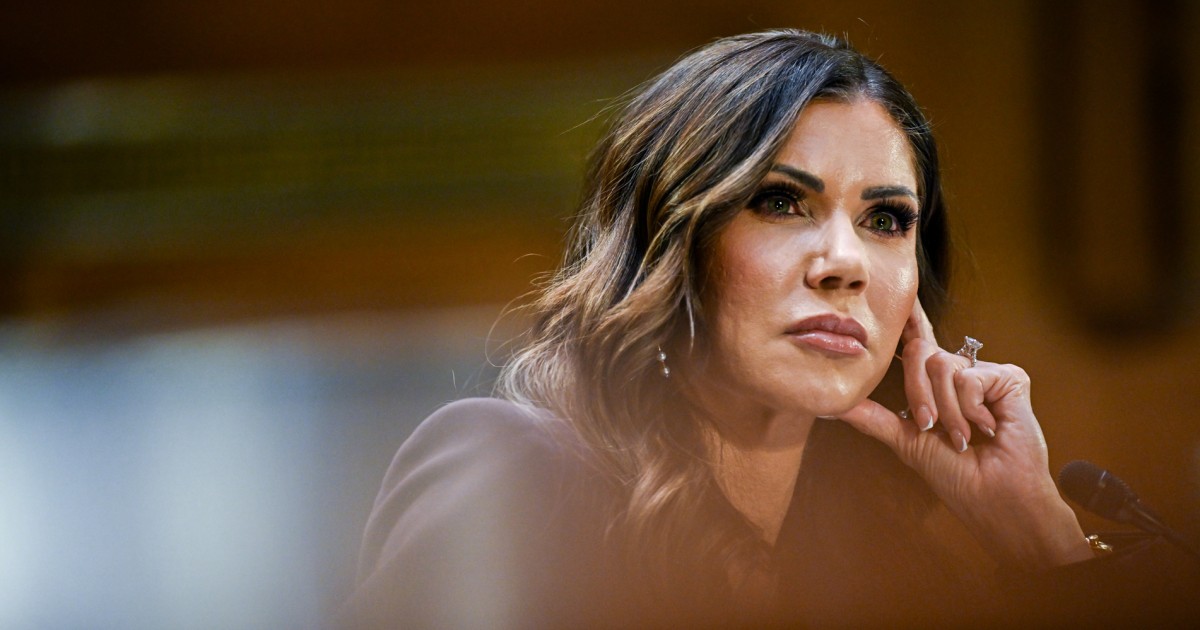
Kristi Noem’s Departure: A Turbulent Transition in Homeland Security
On Thursday, President Donald Trump announced the firing of Homeland Security Secretary Kristi Noem, marking a significant shift within his Cabinet. Noem’s departure is notable as she becomes the first Cabinet secretary to leave her position during Trump’s second term, concluding a turbulent year for the department where she oversaw an increasingly unpopular mass deportation agenda.
New Leadership on the Horizon
Following the announcement, Trump revealed that he would appoint Senator Markwayne Mullin (R-Okla.) as the new Secretary of Homeland Security. In a post on Truth Social, Trump expressed his approval of Mullin, labeling him a “Highly Respected United States Senator from the Great State of Oklahoma,” and emphasized that Mullin’s appointment would be effective as of March 31, 2026.
The transition in leadership appears to be part of a broader strategy as Trump indicated a shift in Noem’s role; she would now become the “Envoy for The Shield of the Americas.” The president described this new position as a leadership role to guide “our new Security Initiative in the Western Hemisphere,” hinting at a continued focus on immigration and regional security.
The Reasons Behind the Ouster
An administration official revealed that Noem’s termination stemmed from a series of leadership failures that culminated over time. Critiques ranged from her handling of immigration issues in Minnesota to personal controversies and tensions with other agency heads, including those at Customs and Border Protection (CBP) and Immigration and Customs Enforcement (ICE).
The fallout from her leadership was said to overshadow the administration’s immigration agenda, raising concerns among Trump’s advisors that her controversies detracted from their overall objectives. The official remarked that her ongoing “drama” was a significant distraction, leading to her eventual ousting.
Noem’s Response to Her Removal
In response to the transition, Noem took to social media to thank the president for her new role. She highlighted her tenure as Secretary of Homeland Security and the partnerships she had built over the past 13 months. Despite the challenges she faced in her role, she emphasized her “historic accomplishments” while in charge of the department.
Markwayne Mullin: The Next Secretary
Mullin expressed his enthusiasm for his new position, stating he was “super excited” and that the announcement was “not a complete surprise.” He reaffirmed his close relationship with Trump and indicated readiness to navigate the confirmation process required for his new role. The transition comes as Mullin faces pressures not just from the Senate but also from the implications of his departure from the Senate seat, which would need to be filled by Oklahoma’s Governor Kevin Stitt.
During Thursday’s Senate Republican lunch, Mullin received the call from the White House regarding his imminent appointment, which led to his sudden departure from the lunch table. His quick exit, described as “abrupt,” aroused curiosity and speculation among fellow Republicans about the nature of the call.
Noem’s Troubling Tenure
Throughout her leadership, Noem was embroiled in controversy over her aggressive immigration policies, which were increasingly met with public dissent. High-profile incidents, including the shootings of two U.S. citizens by federal agents during immigration operations in Minnesota, drew bipartisan criticism and made her leadership position precarious.
While no concrete data showing the efficacy of her policies emerged, lawmakers questioned her about a $200 million ad campaign designed to encourage voluntary deportation. This campaign, heavily criticized for its execution and messaging, became a focal point during congressional hearings, further amplifying calls for her resignation from various senators.
Leadership and Agency Relations
Noem’s strained relationships with critical components of the DHS contributed to the instability of her administration. Reports indicated a fracturing relationship with the U.S. Coast Guard, the only military branch under her command. Her comments in recent days to lawmakers, which seemed to unsettle Trump, compounded her challenges.
With the increasing scrutiny on her leadership decisions, including the aggressive use of federal troops for immigration enforcement and a lack of accountability during and after operations, Senators from both parties pointed to her conduct as a reason for a change in leadership.
Noem’s exit reflects not just her individual shortcomings but a broader narrative of discord within the Trump administration, particularly surrounding immigration policy.
As Markwayne Mullin prepares to step into his new role, he faces the daunting challenge of stabilizing a department that has seen considerable upheaval, navigating complex national security issues, and addressing the volatile immigration landscape that remains such a focal point in American politics.

Celebrity Reptiles – Photoshoot Day

Kakoa’s Favorite Stories with Funny Monkeys!

Man Found Guilty in Conspiracy to Assassin Trump Linked to Iran’s Paramilitary Forces

The Best Celebrity Dog Fathers#(president of usa, actor star)

Seagull Video Moment Funny Animals Compilation #3

House Votes Against Iran War Powers Resolution by a Narrow Margin

#1 Music Celebrity: Helping Animals Makes you Happy. Not Money & Fame

😍 Cutest Shih Tzu 😂 Funny and Cute Shih Tzu Puppies and Dogs Videos

Advocates Urge Preservation of State Climate Law Without Amendments

U.S. Pledges $20B in Maritime Reinsurance as Iran Tightens Grip on Strait of Hormuz – National

Who Is Really Voting in These Polls? The Shocking Truth Behind America’s Approval Numbers

Blueprint for a “Tax-Free America” That Actually Works

Police Issue Warrant for Bar Patron Alleged to Have Assaulted Multiple Individuals

Winter Storm Provides Much-Needed Surge for Tug Hill Snowmobile Industry

Four Forecasts for 2026

It Took 35 Years for T. rex to Reach Full Maturity

Major Indices Experience Weekly Declines as Treasury Yields Reach Four-Month High

EXCLUSIVE: Will Smith’s Former Best Friend Bilaal Breaks Silence in Explosive Tasha K Interview — Lawsuit, Scientology Allegations, and Claims of an Attempt on His Life

2026 NFL Coaching Update: John Harbaugh Nearing Deal with Giants; Mike Tomlin Not Expected to Coach Next Season

Top Picks from CES 2026: Editors Select the Best Products and Technologies
Celebrity Reptiles – Photoshoot Day
Kakoa’s Favorite Stories with Funny Monkeys!
The Best Celebrity Dog Fathers#(president of usa, actor star)
Seagull Video Moment Funny Animals Compilation #3
#1 Music Celebrity: Helping Animals Makes you Happy. Not Money & Fame
😍 Cutest Shih Tzu 😂 Funny and Cute Shih Tzu Puppies and Dogs Videos

Sing 2 Trailer Released, Celebrity Cast Celebrate: Reese Witherspoon, Bono, Hasley, Pharrell, +More
![Animals Getting Scared Over Nothing 😂 [Funny Pets]](https://i0.wp.com/i.ytimg.com/vi/O0W9ToOrmr4/maxresdefault.jpg?resize=80%2C80&ssl=1 "Animals Getting Scared Over Nothing 😂 [Funny Pets]")
Animals Getting Scared Over Nothing 😂 [Funny Pets]

PAWS RPO Campaign featuring PAWS celebrity volunteer, Karylle

The Best Corgi Compilation On The Internet 2023 | Funny and Sassy Moments @FurryTails
-

 Entertaiment11 hours ago
Tyler Jaggers: Coast Guard Rescue Swimmer Passes Away Days After Mission Incident; Fiancée Honors His Memory
-

 Crime & Justice22 hours ago
Police Report: March 6, 2026 | Latest Updates
-

 Comedy2 days ago
feeding carrot beans and radish to the hungry monkey
-

 Science22 hours ago
Engineers Introduce High-Efficiency Liquid CO₂ Energy Storage Solution for Renewable Power Grid Stability
-

 Business10 hours ago
Netflix Withdraws from Meghan Markle’s $64 Candle Venture
-

 Comedy1 day ago
CATS vs DOGS: Totally Bonkers and Wildly Unpredictable
-

 US News22 hours ago
The Potential Effects of the Iran War on States and Local Communities
-

 Comedy1 day ago
Cane Corso — Majestic And Funny Videos And Tik Toks Compilation