
World News
Which Countries Might Be Next on Trump’s Radar?

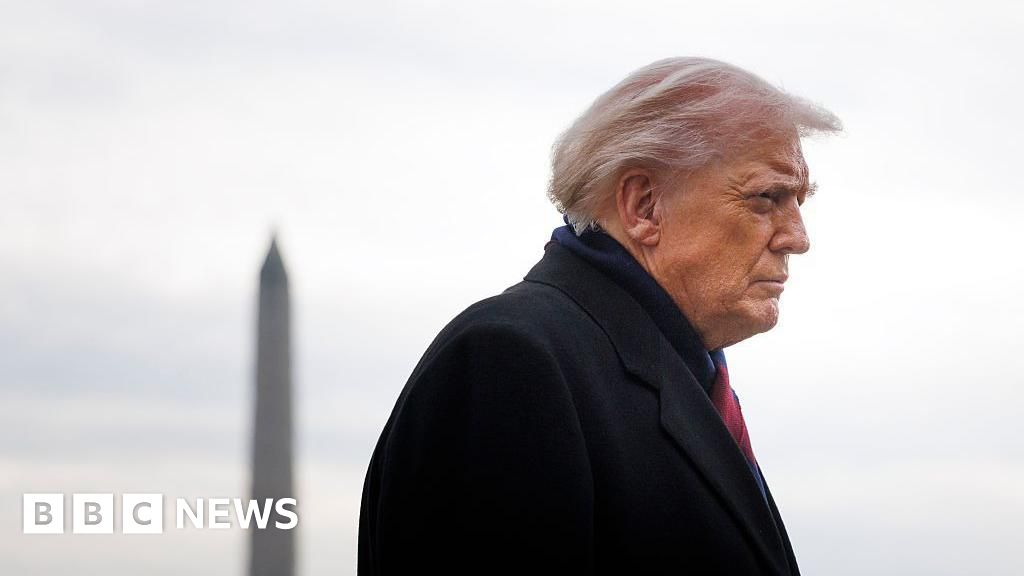
The Geopolitical Landscape Under President Trump’s Second Term
President Donald Trump’s second term is taking a definitive shape through ambitious foreign policy initiatives, which are drawing both intrigue and concern. With a focus on asserting U.S. influence, his approach seems to revive historical doctrines while igniting a series of provocative actions. Let’s explore the key dimensions of this unfolding narrative, from Venezuela to Greenland.
Venezuela: An Ominous Overture
The centerpiece of Trump’s recent foreign engagements has been Venezuela, where the U.S. military successfully conducted a dramatic raid, capturing President Nicolás Maduro and his wife. This operation was framed within a new doctrine he dubbed the “Donroe Doctrine,” a twist on the historic Monroe Doctrine that emphasized U.S. dominance in the Western Hemisphere.
The Trump administration has signaled it is willing to apply pressure on other nations in Washington’s orbit, warning of potential repercussions for countries that harbor allies of Maduro or challenge U.S. interests. This bold move positions Venezuela at the forefront of U.S. foreign policy, painting the South American nation as a critical battleground for American ideals and security.
Greenland: The Quest for Strategic Security
Continuing the trend of territorial ambitions, Trump’s rhetoric has focused on acquiring Greenland from Denmark, backing claims with concerns over national security. He argued that the U.S. needs the island to counteract the increasing presence of Russian and Chinese ships in the Arctic region.
The strategic value of Greenland is substantial—rich in rare earth minerals crucial for modern technology, the island also serves as a pivotal point for access to new trade routes emerging from melting polar ice caps. However, Greenland’s Prime Minister Jens Frederik Nielsen firmly dismissed the idea of U.S. ownership, insisting on respect for international law and making it clear that Greenland is not for sale. Any U.S. move to assert control could risk a significant diplomatic rift with an ally.
Colombia: A Tightening Grip
In the aftermath of the Venezuelan operation, Trump turned his sights on Colombia, warning President Gustavo Petro to “watch his ass.” Colombia’s rich resources, including vast oil reserves and precious metals, make it an attractive target for U.S. intervention. However, the ongoing drug trade poses a complex challenge. Trump has accused Petro of allowing cartels to flourish, even going as far as suggesting military action could be on the table.
This rhetoric is a departure from Colombia’s historically strong alliance with the U.S. in the war on drugs. The stakes are high; any aggressive U.S. military posturing could destabilize a nation that has been a key ally, while also possibly inflaming local sentiments against perceived foreign interference.
Iran: Beyond the Donroe Doctrine
Iran remains a significant part of Trump’s foreign policy calculus despite falling outside the immediate regional focus of the “Donroe Doctrine.” Amid mass protests against the Iranian government, Trump has issued stern warnings that the U.S. would respond forcefully should the regime resort to violence against demonstrators.
His approach suggests a willingness to engage militarily if certain lines are crossed, particularly when tied to threats against U.S. or allied interests. The backdrop of Trump’s past actions, including an attack on Iranian nuclear facilities, places Iran in a precarious position as tensions simmer.
Mexico: The Wall and War on Drugs
Since his initial climb to power, Trump’s narrative has been dominated by calls to secure the U.S.-Mexico border. His first executive order upon returning to office was renaming the Gulf of Mexico to the “Gulf of America,” echoing his divisive sentiment toward Mexican authority. He reiterated claims that drug trafficking is rampant and emphasized the need for stronger measures against cartels.
In a surprising twist, Trump has offered to deploy U.S. troops to combat drug operations, a move that has been categorically rejected by the Mexican government. The friction in U.S.-Mexico relations centers around security, sovereignty, and the ongoing fight against drug cartels, suggesting a rift that challenges historical cooperation.
Cuba: A Nation on the Verge
Merely 90 miles from U.S. shores, Cuba has been under U.S. sanctions for decades. Now, with Venezuela’s influence waning following Maduro’s capture, Cuba faces a precarious future. Trump suggested military intervention is unnecessary, as Cuba appears “ready to fall” without its oil support from Venezuela.
The conversation around U.S. action in Cuba brings longstanding tensions in U.S.-Cuban relations back to the forefront. Although Trump has downplayed immediate military involvement, the U.S. Secretary of State’s warning signals that the situation could escalate if internal conflicts arise.
As President Trump navigates this complex geopolitical landscape, the repercussions of his strategies may reshape the Americas and beyond. The ramifications of his decisions and the responses from affected nations will undoubtedly unfold in the coming months, creating a landscape of diplomatic intrigue and potential conflict.
World News
U.S. Pledges $20B in Maritime Reinsurance as Iran Tightens Grip on Strait of Hormuz – National

U.S. Agreement Aims to Bolster Maritime Trade in the Gulf Amid Iran Conflict
As tensions in the Gulf region escalate, particularly due to the ongoing conflict with Iran, the United States has stepped in with a significant financial commitment aimed at stabilizing maritime trade. Recently, the U.S. government has announced a new agreement to provide up to $20 billion in reinsurance coverage, a strategic move designed to “restore confidence in maritime trade.” This intervention comes at a critical time as countries and businesses grapple with the implications of instability in a region crucial for global oil supplies.
Iran’s Threats and Strategic Choke Points
The urgency behind this agreement is underscored by recent actions taken by Iran, which effectively closed the Strait of Hormuz. This narrow passage is not just a strategic waterway; it accounts for about 20% of the world’s oil trade and is essential for the movement of various goods. Iran’s threats against vessels navigating this critical choke point have sent shockwaves through maritime shipping, compelling many companies to rethink their operations in the area.
U.S. Government’s Response
On a recent Friday, the U.S. International Development Finance Corporation (DFC), led by U.S. Treasury Secretary Scott Bessent, revealed the details of the maritime reinsurance initiative that was approved by President Donald Trump. The DFC’s plan emphasizes not only financial backing but also the potential for military support to ensure safe passage for vessels transporting vital resources such as oil, gasoline, liquefied natural gas (LNG), jet fuel, and fertilizer.
Ben Black, CEO of DFC, expressed optimism regarding the initiative, stating that it would help restore confidence in maritime trade while stabilizing international markets. “We are confident that our reinsurance plan will get oil, gasoline, LNG, jet fuel, and fertilizer through the Strait of Hormuz and flowing again to the world,” he remarked.
Understanding Reinsurance
Reinsurance might sound complex, but it essentially serves as insurance for insurance companies. When businesses in high-risk regions face increased insurance premiums, reinsurance acts as a safety net for insurers, enabling them to keep their rates manageable. By absorbing some of the risks associated with maritime operations in the Gulf, the U.S. initiative aims to prevent insurers from excessively hiking prices, which could otherwise lead businesses to abandon their maritime operations entirely.
As rates have already begun to climb amidst uncertainty, ensuring affordable coverage is critical to maintaining smooth operations in a region that’s pivotal not only for the U.S. but for allied partners and global supply chains.
Economic Implications
The timing of this agreement couldn’t be more crucial. Since the conflict escalated, oil prices have surged dramatically, with crude oil exceeding $90 per barrel, a stark rise from around $64 a week prior. Such price hikes are notorious for trickling down to consumers, significantly impacting gas prices and potentially contributing to inflation as businesses face increased shipping costs.
The DFC’s statement indicates that the agreement is designed not merely to protect American interests but also to support allied businesses operating in the Middle East during this conflict. Such measures can help stabilize international commerce at a time when the stakes are high.
Looking Ahead
While the U.S. effort signifies a robust response to the challenges posed by Iran, the geopolitical landscape remains fluid. Global markets are on edge, and businesses are closely monitoring developments in the region. The ramifications of this agreement extend beyond mere financial safety; they touch on broader issues of energy security, international relations, and the economic stability of countless nations relying on the efficient flow of goods through strategic maritime routes.
In the unpredictable theater of international politics, the U.S. has taken a bold step. The effectiveness of this maritime reinsurance plan remains to be seen as tensions evolve and the world keeps watching the Gulf.

Hotfixes for World of Warcraft: Midnight and Beyond
The exhilarating universe of World of Warcraft continues to evolve, and with each new patch, players are treated to a series of hotfixes aimed at enhancing gameplay across different versions, including Midnight, Mists of Pandaria Classic, and more. This article serves as a comprehensive guide detailing the hotfixes that address various gameplay issues, class adjustments, quest modifications, and more.
What are Hotfixes?
Hotfixes are modifications made to the game to address immediate concerns without the need for a full client-side patch. Some changes take effect instantly, while others may require a scheduled realm restart to be implemented. It’s important to understand that not all issues can be resolved through hotfixes alone; major changes often necessitate a full update.
Recent Hotfixes
March 5, 2026
On this date, a plethora of hotfixes were rolled out, touching on various features, from achievements to class functionalities.
Achievements
- The Abandoned Ritual Skull treasure has been removed as a criteria for the achievement Treasures of Zul’Aman.
Class Updates
-
Druid Adjustments
- Balance: Casting a Starfire made instant through Ascendant Eclipses Rank 1 no longer consumes Owlkin Frenzy if it’s active.
- Feral: The Moonfire buff will now activate correctly on the Cooldown Manager when Lunar Inspiration is learned.
-
Evoker Fixes
- Devastation: Interaction between Flameshaper: Dragonrage and Essence Well has improved, increasing Fire Breath’s chance to cause an Essence Burst to 100% during Dragonrage.
- Scalecommander: Mass Disintegrate will now hit multiple hostile enemies more reliably.
-
Monk Enhancements
- Windwalker: The ability Zenith is fixed, ensuring it will now increase cooldown reduction from Blackout Kick.
-
Other Class Fixes
- Rogue: A bug causing Between the Eyes with Supercharger to consume extra combo points has been fixed.
- Shaman: Adjustments have been made to Elemental and Enhancement specs to resolve damage inconsistencies.
Dungeons
The Den of Nalorakk had its debuff duration reduced, and a bug preventing proper combat resolution in fights was addressed, improving overall dungeon flow.
Events and Miscellaneous Changes
- Following the Weekly Reset on March 10, the Legends of the Haranir event now has an account-wide lockout, permitting participation once per week.
March 4, 2026
The day preceding brought additional hotfixes, focusing on achievements and class tweaks.
Achievements
- Issues with The Highest Peaks and Cataclysmic Lumberjack achievements were resolved, allowing for more accurate tracking of progress.
Class Modifications
- Specific fixes were implemented for Death Knights, Demon Hunters, and Hunters, ensuring that various abilities function correctly and efficiently within operational combat scenarios.
Quests Adjustments
- Numerous quests received fixes, eliminating blocking issues and bugs that hindered progress. For instance, players can now resume quests like A Fish! or The War Within without interruption.
General Observations
Hotfixes play a crucial role in maintaining the smooth operation of World of Warcraft environments. From class balancing to ensuring quests are completable, these adjustments emphasize Blizzard’s ongoing commitment to player experience.
Players actively engaging in any of the game’s expansive realms—be it the nostalgic vibes of Mists of Pandaria Classic or the harsh terrains of Hardcore—are encouraged to stay informed on updates. Regularly checking for hotfix announcements ensures that the journey across Azeroth and beyond remains as exhilarating and seamless as possible.
These updates and insights into the evolving landscape of World of Warcraft signify a robust design philosophy dedicated to creating a balanced and enjoyable gaming experience. Players are advised to remain vigilant in tracking these changes, as they not only impact gameplay but also the overarching narrative woven through their adventures in Azeroth.

What Happened
On a pivotal Wednesday, the Senate voted down a significant war powers resolution that aimed to restrict President Donald Trump’s ability to continue military operations in Iran without Congressional approval. The resolution faced a narrow loss, with a vote tally of 47 to 53, predominantly along party lines. Notably, the sole Republican in favor was Senator Rand Paul from Kentucky, while Senator John Fetterman of Pennsylvania stood as the only Democrat opposing the resolution. In a post-vote statement, Paul emphasized the gravity of the decision, labeling it a critical moment that effectively determined whether the U.S. would engage in further military conflict.
Who Said What
In the lead-up to the vote, Democrats actively urged a faction of Republicans to defy party lines and reclaim Congress’s authority over war declarations. The Washington Post highlighted their appeals, suggesting that this was not just a vote but a crucial assertion of legislative control in matters of war. Conversely, Republicans voiced concerns that withdrawing U.S. forces just after the conflict commenced would convey a troubling message internationally, regardless of some misgivings regarding the situation.
This vote marked the eighth war powers resolution that Republican leadership has managed to defeat since Trump assumed office the previous year. However, this instance felt uniquely consequential, compelling lawmakers to take a stand on a currently extensive and violent conflict that has already begun to reverberate across the Middle East.
Senator Chris Murphy from Connecticut articulated widespread frustration, commenting that the defeat should resonate as “bone-chilling” to Americans who believed the country had moved beyond poorly managed ground wars. With six American lives lost in what he termed an “illegal war,” Murphy posed critical queries about the rationale behind the ongoing conflict, lamenting the chaos that has ensued in the region and the financial burden placed on American consumers.
What Next?
Looking ahead, a similar war powers resolution is anticipated to be proposed in the House of Representatives, with a vote scheduled for Thursday. However, like its Senate counterpart, it is expected to falter, as few Republicans are anticipated to stray from supporting the Trump administration. The situation has escalated into another flashpoint on Capitol Hill, as Trump is likely to request additional funding—amounting to tens of billions of dollars—to support the costly military operations unfolding in the Middle East.
Democrats, although prepared to witness the symbolic failures of these war powers votes, are gearing up for a more consequential battle regarding the funding of the war. This upcoming phase is anticipated to be less predictable, signifying an ongoing and complex dialogue around U.S. military involvement in the region and the broader implications for both Congress and the American populace.

The Best Celebrity Dog Fathers#(president of usa, actor star)

Seagull Video Moment Funny Animals Compilation #3

House Votes Against Iran War Powers Resolution by a Narrow Margin

#1 Music Celebrity: Helping Animals Makes you Happy. Not Money & Fame

😍 Cutest Shih Tzu 😂 Funny and Cute Shih Tzu Puppies and Dogs Videos

Advocates Urge Preservation of State Climate Law Without Amendments

U.S. Pledges $20B in Maritime Reinsurance as Iran Tightens Grip on Strait of Hormuz – National

Netflix Withdraws from Meghan Markle’s $64 Candle Venture

Title: “Despite a Strong Week of Wall Street News, Bitcoin Faces a $110 Billion Loss”

White House Unveils Video Featuring Hollywood Stars Advocating for ‘Justice the American Way’ | Trump Administration

Who Is Really Voting in These Polls? The Shocking Truth Behind America’s Approval Numbers

Blueprint for a “Tax-Free America” That Actually Works

Police Issue Warrant for Bar Patron Alleged to Have Assaulted Multiple Individuals

Winter Storm Provides Much-Needed Surge for Tug Hill Snowmobile Industry

Four Forecasts for 2026

It Took 35 Years for T. rex to Reach Full Maturity

Major Indices Experience Weekly Declines as Treasury Yields Reach Four-Month High

EXCLUSIVE: Will Smith’s Former Best Friend Bilaal Breaks Silence in Explosive Tasha K Interview — Lawsuit, Scientology Allegations, and Claims of an Attempt on His Life

2026 NFL Coaching Update: John Harbaugh Nearing Deal with Giants; Mike Tomlin Not Expected to Coach Next Season

Top Picks from CES 2026: Editors Select the Best Products and Technologies
The Best Celebrity Dog Fathers#(president of usa, actor star)
Seagull Video Moment Funny Animals Compilation #3
#1 Music Celebrity: Helping Animals Makes you Happy. Not Money & Fame
😍 Cutest Shih Tzu 😂 Funny and Cute Shih Tzu Puppies and Dogs Videos

Sing 2 Trailer Released, Celebrity Cast Celebrate: Reese Witherspoon, Bono, Hasley, Pharrell, +More
![Animals Getting Scared Over Nothing 😂 [Funny Pets]](https://i0.wp.com/i.ytimg.com/vi/O0W9ToOrmr4/maxresdefault.jpg?resize=80%2C80&ssl=1 "Animals Getting Scared Over Nothing 😂 [Funny Pets]")
Animals Getting Scared Over Nothing 😂 [Funny Pets]

PAWS RPO Campaign featuring PAWS celebrity volunteer, Karylle

The Best Corgi Compilation On The Internet 2023 | Funny and Sassy Moments @FurryTails

Save Celebrity souls form hell..

These Cats Can Speak English Better Than Hooman 🙀
-

 Entertaiment10 hours ago
Tyler Jaggers: Coast Guard Rescue Swimmer Passes Away Days After Mission Incident; Fiancée Honors His Memory
-

 Crime & Justice20 hours ago
Police Report: March 6, 2026 | Latest Updates
-

 Comedy1 day ago
feeding carrot beans and radish to the hungry monkey
-

 Science20 hours ago
Engineers Introduce High-Efficiency Liquid CO₂ Energy Storage Solution for Renewable Power Grid Stability
-
 Business8 hours ago
Netflix Withdraws from Meghan Markle’s $64 Candle Venture
-

 Comedy23 hours ago
CATS vs DOGS: Totally Bonkers and Wildly Unpredictable
-

 US News20 hours ago
The Potential Effects of the Iran War on States and Local Communities
-

 Comedy1 day ago
Cane Corso — Majestic And Funny Videos And Tik Toks Compilation