
Politics
House Unable to Override Trump’s Vetoes on Two Republican Bills

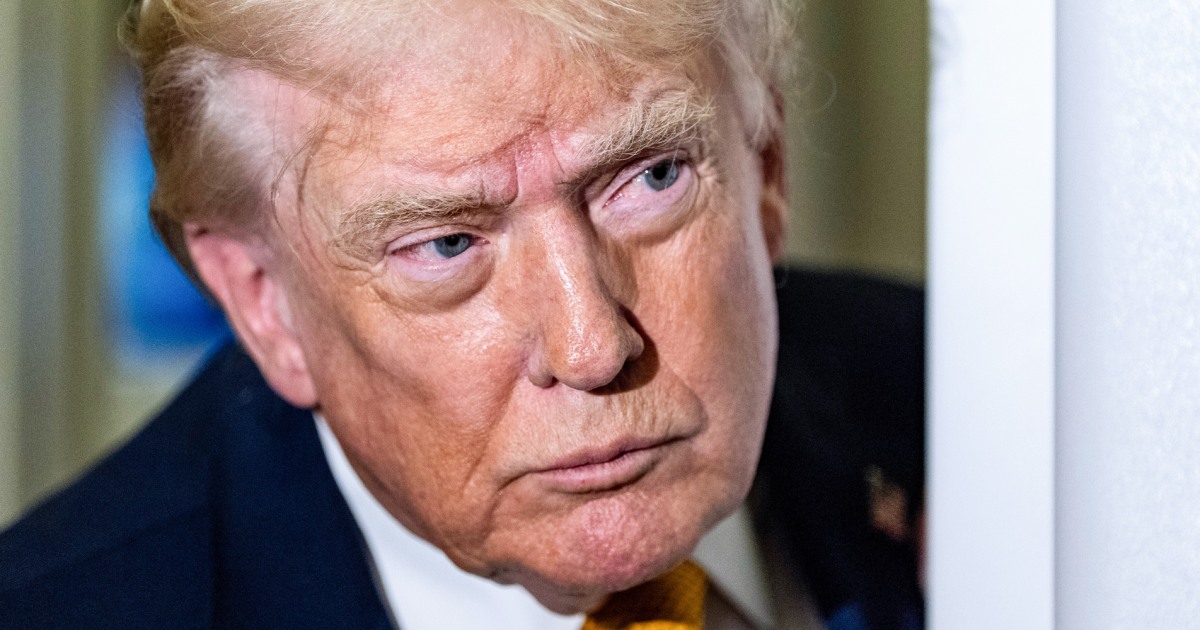
The Political Landscape: Trump’s Vetoes and Republican Dynamics
A Reflection of Power
In a notable demonstration of political dynamics, the Republican-controlled House of Representatives recently failed to overturn President Donald Trump’s vetoes on two bipartisan bills. This outcome underscores not only Trump’s enduring influence within the GOP but also hints at emerging divisions among party members. The events highlight the complexities of governance in a polarized political environment.
The Vetoed Bills
The two bills that fell victim to Trump’s vetoes aimed to address pressing needs in specific communities. The first bill sought to facilitate a major pipeline project in southeast Colorado, aimed at delivering clean water to rural areas. Despite its initial support, with a voice vote in the House and the Senate backed by both parties, the measure was ultimately met with resistance from the Oval Office. The House vote to uphold Trump’s veto was 248-177, falling short of the two-thirds majority required for an override.
Similarly, the second bill aimed to expand the lands managed by the Miccosukee Tribe in the Everglades. This too passed through Congress without a hitch initially, yet faced the same fate under Trump’s veto. The House voted 236-188 to sustain the veto, revealing the significant hurdles that even non-controversial bills can face when presidential opposition arises.
Historical Context of Vetoes
Congress has a long and complex history regarding the overriding of presidential vetoes. Historical records indicate that this has been accomplished only 112 times since the inception of the U.S., demonstrating the rarity of such events. The last memorable override occurred during Trump’s first term over legislation related to the National Defense Authorization Act in 2021. In this contemporary context, Trump’s recent vetoes represent a key moment of his administration’s ongoing negotiation of political power with Congress.
Rationale Behind the Vetoes
Trump’s rationale for vetoing the $1.3 billion water pipeline project cited concerns about costs and past overruns. He articulated his administration’s commitment to ensuring fiscal responsibility, arguing that taxpayer funding should not be allocated to “expensive and unreliable policies.” In his veto message, he emphasized that restoring fiscal sanity is crucial for national economic health.
The Miccosukee Tribe’s bill was vetoed, with Trump criticizing the Tribe for allegedly obstructing reasonable immigration policies, despite seeking federal assistance for its expansion. This illustrates the multifaceted nature of Trump’s political decisions, intertwining local issues with broader immigration policy discussions.
Tensions Among Republicans
Interestingly, the dynamics surrounding these vetoes shed light on intra-party tensions. Representative Lauren Boebert from Colorado hinted at possible motivations behind Trump’s veto, suggesting retaliation due to her opposition to his stance on certain issues, including a recent vote related to releasing government documents. She emphasized that Trump’s frustrations might have stemmed from misinformation about project costs, reflecting a concern that his discontent could unjustly impact conservative constituents who have historically supported him.
Boebert’s remarks highlight the delicate balancing act Republicans face between adhering to Trump’s directives and addressing local community needs. The polarized landscape within the party may lead to further complications as lawmakers navigate their allegiances while attempting to advocate for their constituents.
The Miccosukee Tribe and Broader Implications
Broader implications arose with Trump’s veto concerning the Miccosukee Tribe, especially given their opposition to a controversial migrant detention center in the Everglades. This incident illustrates how environmental and tribal land issues intersect with broader immigration policies. As Trump articulated in his veto message, his administration aims to prioritize projects that align with his policies, hinting at the ongoing struggle between local interests and national priorities.
The decision to veto these bills also highlights a critical examination of the intersection between tribal sovereignty, environmental stewardship, and national immigration strategies. The implications of such vetoes can resonate far beyond the immediate legislative context, influencing future collaborations between the federal government and local communities.
A Shifting Political Terrain
As we reflect on this episode, it becomes clear that Trump’s hold over the Republican Party is both influential and precarious. While he continues to exert significant sway, the undercurrents of dissent among party members are for all to see. This delicate balance will undoubtedly play a role in shaping the trajectory of the GOP as they approach future legislative battles and the looming electoral contests.
The recent veto saga serves as a potent reminder of the complexities inherent in American politics, where decisions made in the halls of Congress reverberate in communities across the country. As constituents observe these developments, the dynamics of influence, loyalty, and governance remain ever-present in this evolving political landscape.
Politics
Ex-Rapper’s New Political Party Clinches Victory in Nepal’s First Post-Revolt Election :: WRAL.com

Rastriya Swatantra Party: A New Dawn in Nepalese Politics
In a surprising turn of events in Nepal’s political landscape, the Rastriya Swatantra Party (RSP), a relatively new political force led by ex-rapper Balendra Shah, has captured the spotlight by sweeping the recent parliamentary poll. The results were released on Thursday by the electoral commission, highlighting a significant moment in the country’s electoral history.
A Revolutionary Choice
The election marks the first since the youth-led revolt last year that reshaped the political arena. The RSP emerged victorious, signaling a shift towards a fresher political narrative in a country long dominated by established parties. Shah, the driving force behind the RSP, transitioned from the music stage to the political arena, embodying a new generation of leaders eager to address deep-seated issues like corruption and governance failures.
Impressive Electoral Performance
The RSP’s performance was nothing short of remarkable. Out of 275 seats in the House of Representatives, 125 were won directly by the party, alongside an additional 57 seats allocated through a proportional representation system. This totals a staggering 182 seats, positioning the RSP well ahead of its closest rival, the Nepali Congress party, which managed to secure only 38 seats.
In Nepal’s electoral system, voters directly elect 165 members to the House of Representatives. The remaining 110 seats utilize a proportional representation method, ensuring that parties receive seats corresponding to their share of the vote. This electoral framework not only underscores the significance of the RSP’s win but also amplifies the voices of diverse groups within the electorate.
The Path to Government Formation
As the electoral commission initiates the process of seat allocation, the RSP will select members to fill positions obtained through proportional representation. This process involves collaboration with the president to summon the newly elected parliament, which will subsequently undertake the critical task of electing a new prime minister.
Given that the RSP commands nearly two-thirds of the seats in the legislature, Shah is poised to assume the position of prime minister. However, the official formation of the government may take several days, creating a period of anticipation among the public and political observers alike.
From Music to Mayorship
Balendra Shah, a familiar face to many Nepalese, previously gained recognition as the mayor of Kathmandu after winning the 2022 mayoral race. His popularity surged during the youth-led protest of 2025, which was pivotal in ousting former Prime Minister Khadga Prasad Oli. Shah’s rise to political prominence is representative of a broader trend in Nepal, where young leaders are challenging established norms and advocating for systemic change.
Challenging the Status Quo
The RSP’s ascent is significant, as it poses a formidable challenge to the historical dominance of the Nepali Congress and the Communist Party of Nepal (Unified Marxist–Leninist). The 2023 parliamentary elections are a culmination of frustrations that erupted during a tumultuous period marked by widespread protests against corruption and ineffective governance.
The protests were ignited by a controversial social media ban, eventually evolving into a full-scale popular revolt. The tragic loss of life and injuries sustained during clashes between protesters and police underscored the urgent need for political reform and responsive governance.
A New Era for Nepal?
As the RSP prepares to take the reins of power, the implications of this shift could reshape Nepal’s governance in unprecedented ways. The youth, who played such a crucial role in the recent electoral outcome, are now looking for accountability and integrity from their leaders. Balendra Shah and his party face the dual challenge of fulfilling the promises made during their rise while also navigating a political landscape marked by legacy parties and entrenched interests.
In light of these developments, the unfolding political narrative in Nepal holds the potential for exciting changes in policy and governance, echoing the voices of a new generation eager to carve out a brighter future for their country. The nation stands at a pivotal crossroads, where hope and unease coexist as citizens eagerly await the unfolding of a new political chapter.
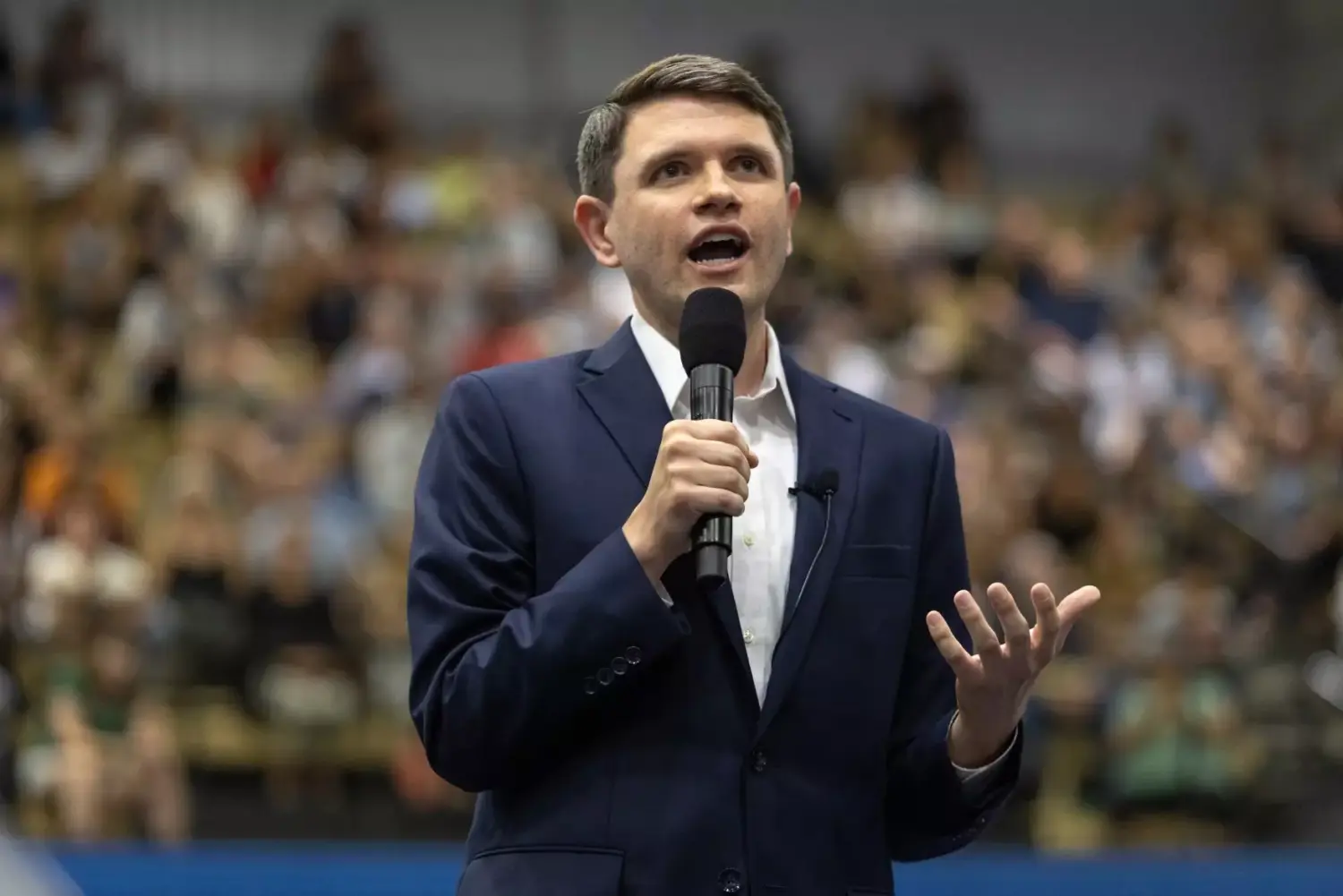
James Talarico: Faith and Politics in Texas
In the vibrant, complex landscape of Texas politics, State Rep. James Talarico’s candidacy for the U.S. Senate represents a refreshing shift. While it has become commonplace for Republicans to engage with the religious vote, Talarico’s approach brings a progressive Christian message to the forefront—a strategy that is both novel and deeply rooted in the state’s history.
A New Perspective on Faith
Talarico’s campaign has tackled the intertwining of faith and politics in a way that resonates with many Texans who may feel disenfranchised by the far-right narrative. Joseph Locke, an esteemed historian and the author of “One State Under God: A History of Religion in Texas,” notes that Talarico is effectively holding a mirror to the far-Christian-right, prompting them to reconsider the authenticity of their beliefs. This engagement challenges the prevailing rhetoric, catalyzing discussions around what Christianity should represent in the political arena.
Historical Context of Religious Politics
Texas has a long history where politics and religion have coexisted, often influencing one another. Locke emphasizes that Talarico’s approach allows for a re-examination of the state’s religious landscape, pinning down whether current political leaders are genuinely rooted in Christian traditions.
This reflective candidacy prompts a broader discussion about the evolution of religious politics in Texas. Historically, figures such as Lyndon B. Johnson advocated for economic justice and compassion rooted in Christian values. It was in the late 20th century, with the rise of the Christian right, that the political discourse increasingly shifted towards cultural wars—discussions focused heavily on issues of sexuality and morality rather than community support and economic justice.
Progressive Policies Echoing Spiritual Teachings
At the heart of Talarico’s campaign lies a commitment to progressive policies that align closely with the compassionate teachings of Jesus. By advocating for healthcare for all and equitable tax policies targeting billionaires, he embodies a Christian ethos that prioritizes the welfare of the marginalized. This alignment reintroduces a conversation reminiscent of earlier civil rights movements that leveraged Christian values for social change.
Locke points out that Talarico’s message about love and redemption recalls the rich tapestry of religious activism in Texas’s past, where faith served as a vessel for collective action, particularly during times of social upheaval.
Drawing from Historical Traditions
Historically, the Black church has been a cornerstone of political activism, particularly in the civil rights movement. Talarico’s advocacy resonates with that legacy, as religious institutions have often been crucial in mobilizing communities for social justice. Throughout Texas, churches—both Black and Hispanic—have played pivotal roles in these movements, linking spiritual beliefs with essential civil rights campaigns.
Locke notes that Talarico’s Presbyterian background and his church’s commitment to social issues echo this tradition, suggesting that his platform has potential reach across various demographics, including communities that have been traditionally underrepresented in the political process.
Engaging with the Hispanic Community
One of Talarico’s notable successes has been his appeal to Hispanic voters, particularly in southern Texas. Catholic churches along the border have been instrumental in providing support to migrants, often embodying compassion amidst a backdrop of harsh immigration policies. This alignment of Talarico’s message with the humanitarian efforts of these churches positions him well among voters who may feel the politics of fear resonate poorly with their values.
Locke emphasizes that the deeply rooted Catholic tradition of social justice in these communities aligns with Talarico’s campaigns, suggesting that his approach could significantly influence the way voters engage with politics in the region.
A Possible Shift in Texas Politics
As Talarico continues to garner attention for his unique message, observers are keen to see how his approach will play out in the upcoming general elections. Advocating faith in a manner that rejects Christian nationalism could very well signal a turning point in Texas politics. It offers a template not just for state Democrats but for allies across the country.
Locke argues that Talarico exemplifies a new breed of political engagement that could propagate similar strategies in other states, particularly in the context of red-state Democrats. His success may inspire a broader reevaluation of how religious traditions can be leveraged authentically to resonate with the electorate, transcending conventional party lines.
James Talarico’s campaign emerges as a pivotal moment in Texas politics, merging faith with progressive action in a landscape desperately in need of new narratives. By tapping into the historical depths of religious activism and addressing contemporary issues with compassion, Talarico invites Texas voters to rethink the relationship between their faith and political choices.

On a somber Wednesday, family, friends, and elected officials from across generations gathered to honor the legacy of Ronnie Eldridge, a remarkable figure in New York City politics who passed away at the age of 95. Her career, extending over six decades, was marked by groundbreaking contributions, profound wisdom, and an unyielding commitment to public service.
Ronnie Eldridge was more than just a political leader; she was an icon of the Reform Democrat movement in New York City, primarily based on the Upper West Side. Her influence spanned various platforms, serving as a trusted adviser to notable figures including Senator Robert F. Kennedy, Mayor John Lindsay, and Congresswoman Bella Abzug. In addition, Eldridge played a pivotal role in Governor Mario Cuomo’s administration and went on to serve three terms as a City Council member, solidifying her status as a key player in the political landscape.
The memorial service saw numerous tributes that celebrated Eldridge’s multifaceted legacy. Former Congresswoman Carolyn Maloney referred to her as “an icon in New York City political history.” Her impact on local governance, women’s rights, and social issues echoed through the words of those who knew her and were influenced by her work.
What You Need To Know
- Ronnie Eldridge, an adviser to Robert F. Kennedy and Mayor John Lindsay who later served three terms on the City Council, died last week at 95.
- Family, friends, and elected officials remembered her as an icon of New York politics at a memorial service Wednesday.
- Eldridge, who was married for almost 35 years to columnist Jimmy Breslin, spent her final decades hosting a talk show on CUNY TV.
Her contributions extended beyond traditional political roles; she was a pioneer in the women’s movement, standing shoulder to shoulder with peers like Bella Abzug. Congressman Jerrold Nadler highlighted Eldridge’s position as a leader of second-wave feminism, emphasizing her consistent advocacy for women’s perspectives in public policy.
In a 1970 profile in New York Magazine written by feminist icon Gloria Steinem, there was speculation about her potential candidacy for mayor—a trailblazer who never shied away from tackling issues that mattered. Though the mayoral run did not materialize, her activism sparked vital conversations, particularly regarding women’s rights. “There is a woman’s perspective to public policy,” Eldridge declared in a 2006 television interview, emphasizing how women bring unique sensibilities to governance.
Manhattan Borough President Brad Hoylman-Sigal certainly resonated with Eldridge’s wide-ranging impact, describing her as an “iconic figure in so many movements,” including anti-war efforts, women’s rights, and advocacy for the vulnerable members of society. This comprehensive approach to activism and public service set her apart and earned her a special place in the hearts of many New Yorkers.
Despite her significant contributions, former Congresswoman Elizabeth Holtzman remarked on Eldridge’s modesty, suggesting that younger generations might not be familiar with her name. However, she noted that anyone who was involved in politics during the 60s, 70s, and 80s certainly recognized Eldridge as a gold standard in political service and dedication.
For nearly 35 years, Ronnie Eldridge was married to the legendary columnist Jimmy Breslin, sharing a life intertwined with journalism and a commitment to truth. In her later years, she remained a vital part of public discourse, hosting a talk show on CUNY TV, where her thoughtful insights continued to resonate with audiences.
As she reached her 75th birthday in 2006, her wishes were reflective of her lifelong commitment to the future. Eldridge expressed hope that her grandchildren and step-grandchildren would “live in a world that’s filled with peace and justice and happiness and health.” These words encapsulate the essence of her life’s work and her unwavering belief in a better tomorrow.

Amy McCones Celebrity Cruise Line Audition Reel

Boston Terrier — Funny And Adorable Videos And Tik Toks Compilation

Ex-Rapper’s New Political Party Clinches Victory in Nepal’s First Post-Revolt Election :: WRAL.com

Celebrity Pets: Famous Animals in the Spotlight

Belly-Laugh Worthy Rottweiler Antics: The Ultimate Funny Dog Compilation. #youtube #funnydog #dog

The Message Fueling James Talarico’s Democratic Victory – Houston Public Media

“Diamond In The Fluff” Winners Announcement – by Celebrity Judge, Jonathan David
![🦆 Cute and Funny Ducks! 🦆 Duck Videos to Make You Smile 🦆 [Funny Pets]](https://i0.wp.com/i.ytimg.com/vi/seJmEmq2sNQ/maxresdefault.jpg?resize=80%2C80&ssl=1 "🦆 Cute and Funny Ducks! 🦆 Duck Videos to Make You Smile 🦆 [Funny Pets]")
🦆 Cute and Funny Ducks! 🦆 Duck Videos to Make You Smile 🦆 [Funny Pets]

Ronnie Eldridge: A Legendary Figure in New York Politics

2026 World Baseball Classic: Quarterfinal Matchups in MLB

Who Is Really Voting in These Polls? The Shocking Truth Behind America’s Approval Numbers

Tyler Jaggers: Coast Guard Rescue Swimmer Passes Away Days After Mission Incident; Fiancée Honors His Memory

Blueprint for a “Tax-Free America” That Actually Works

Police Issue Warrant for Bar Patron Alleged to Have Assaulted Multiple Individuals

Winter Storm Provides Much-Needed Surge for Tug Hill Snowmobile Industry

Four Forecasts for 2026

It Took 35 Years for T. rex to Reach Full Maturity

Major Indices Experience Weekly Declines as Treasury Yields Reach Four-Month High

EXCLUSIVE: Will Smith’s Former Best Friend Bilaal Breaks Silence in Explosive Tasha K Interview — Lawsuit, Scientology Allegations, and Claims of an Attempt on His Life

2026 NFL Coaching Update: John Harbaugh Nearing Deal with Giants; Mike Tomlin Not Expected to Coach Next Season
Amy McCones Celebrity Cruise Line Audition Reel
Boston Terrier — Funny And Adorable Videos And Tik Toks Compilation
Celebrity Pets: Famous Animals in the Spotlight
Belly-Laugh Worthy Rottweiler Antics: The Ultimate Funny Dog Compilation. #youtube #funnydog #dog
“Diamond In The Fluff” Winners Announcement – by Celebrity Judge, Jonathan David
🦆 Cute and Funny Ducks! 🦆 Duck Videos to Make You Smile 🦆 [Funny Pets]

funniest celebrity audience reactions

Funniest Cats And Dogs Videos 😁 – Best Funny Animal Videos 2024 🥰#7
![Buenos Aires, Argentina via Celebrity Infinity Holiday Cruise [2017]](https://i0.wp.com/i.ytimg.com/vi/jxVdOMONzVM/hqdefault.jpg?resize=80%2C80&ssl=1 "Buenos Aires, Argentina via Celebrity Infinity Holiday Cruise [2017]")
Buenos Aires, Argentina via Celebrity Infinity Holiday Cruise [2017]

2021 Funny videos of little bunnies 🐇 cute bunnies
-
 Entertaiment6 days ago
Tyler Jaggers: Coast Guard Rescue Swimmer Passes Away Days After Mission Incident; Fiancée Honors His Memory
-

 Comedy1 week ago
feeding carrot beans and radish to the hungry monkey
-

 World News5 days ago
Oil and Gas Prices Surge Amid Escalating Conflict in Iran
-

 Crime & Justice5 days ago
Over 30 Injured in Nightclub Bombing in Northern Peru | Crime News
-

 Business6 days ago
Netflix Withdraws from Meghan Markle’s $64 Candle Venture
-

 US News2 days ago
Trump Assures Republicans: Iran Conflict Could Conclude ‘Fairly Soon’ | Donald Trump News
-

 Science5 days ago
Domino Unveils the Quickest and Safest Way to Scale Enterprise-Agent AI Systems
-

 Crime & Justice7 days ago
Police Report: March 6, 2026 | Latest Updates