
US News
Trump Cautions Iran on Executing Protesters as Activists Report Death Toll Surpassing 2,500

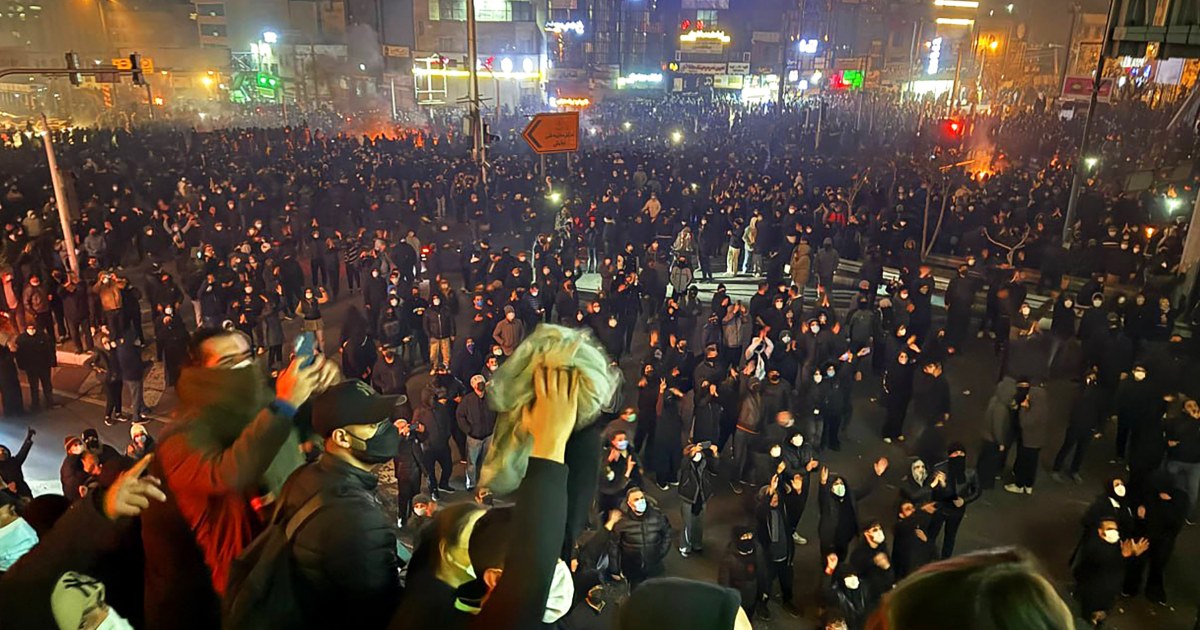
A Dark Moment in Iran: Executions Amidst Unrest
On a tense Wednesday morning, Iranian authorities were poised to execute a man in connection with the overwhelming unrest that has gripped the nation. Human rights activists and the U.S. government reported that this act symbolizes a larger campaign of brutality against dissent in the Islamic Republic, marking a chilling escalation in the government’s response to ongoing protests.
The Context of Unrest
The current wave of protests in Iran can be traced back to escalating economic concerns, particularly soaring prices. Since the onset of these demonstrations last month, the situation has spiraled out of control, leading to at least 2,500 fatalities, a figure reportedly including nearly 150 security personnel. The U.S.-based Human Rights Activists News Agency (HRANA) has been tirelessly documenting these atrocities, despite significant communication barriers due to an internet blackout affecting the country for days.
Evidence is trickling out of Iran, with video footage illustrating the impact of the government’s severe crackdown. Accounts from the ground depict a violent and brutal response unlike anything seen in recent decades. It seems the regime is bent on instilling fear rather than facilitating dialogue.
International Reactions and Warnings
The international community has begun to weigh in on Iran’s handling of these protests. Former President Donald Trump issued a stern warning, urging that the U.S. would respond with “very strong action” if the execution was indeed carried through. Meanwhile, conversations among Israeli and Arab officials have hinted at a preference for restraint, potentially suggesting the complexities of international politics interwoven with human rights crises.
As Iranian security forces tighten their grip, reports indicate protests are being met with lethal force. Amidst this tense environment, President Trump has stated that his administration is exploring both military and diplomatic options in response to the crackdown. He emphasized a commitment to supporting the people of Iran in their struggles.
The Human Cost of Repression
The toll of this nationwide unrest has been staggering, with an additional 18,000 individuals reportedly arrested. Among them is 26-year-old Erfan Soltani, whose execution was imminent as of Wednesday. Soltani’s family lost contact with him early in January, and they were later informed of his sentence—a disheartening outcome that raises alarming questions about the nature of justice in Iran.
The State Department has condemned this execution, noting that Soltani did not receive a fair trial and was sentenced without the representation of a legal defense. Human rights organizations continue to challenge the ethical implications of such swift and merciless judicial proceedings, condemning a regime that disregards the basic tenets of legal process.
The National Dialogue and Public Sentiment
Locally, a senior Iranian official called for rapid punitive measures to restore order, echoing a sentiment that many in the government feel is necessary to quell the protests. Judiciary Chief Gholamhossein Mohseni-Ejei stated that swift action is essential—implying a fear of a prolonged struggle that could further destabilize the regime’s hold on power.
Despite the daunting atmosphere, videos have emerged depicting crowds gathering in defiance, showcasing that the spirit of protest remains alive. Even in the face of severe communication restrictions, Iranians have found ways to relay their messages to the outside world.
A Crisis of Communication
The government has also taken steps to limit information dissemination, resulting in a communications blackout affecting ordinary Iranians for over 132 hours. While videos have emerged showing the devastation wrought by the protests—such as makeshift morgues overflowing with bodies—the Iranian government’s narrative has positioned the deceased as “innocent bystanders” caught in turmoil, blaming “terrorists” for the violence.
Conclusion? Not Yet
Compounding the tragedy, a mass funeral was held in Tehran for the security forces and civilians lost, attended by tens of thousands, indicative of the complex emotions swirling in a country under siege. In contrast, the Iranian government has vociferously accused the U.S. of fomenting unrest, suggesting that outside influences are at play in the chaos.
With the world looking on, the situation in Iran remains fluid and perilous, poised between fervent cries for freedom and an unyielding government response. The lives of countless individuals hang in the balance as history watches this critical juncture unfold.

Denmark Voiced Strong Disagreement with US Ownership of Greenland

Supreme Court Reinstates GOP Congressman’s Absentee Ballot Case, Potentially Triggering Increased Election Litigation

France to Open Greenland Consulate as ‘Political Signal’ to the US | Donald Trump News

Greenland Summit at the White House: A Potential Turning Point for the Arctic’s Future

Disney+ Secures First-Look Deal with Stephen Graham and Hannah Walters in the UK

Trump Claims “We’re in Trouble” if Supreme Court Opposes His Tariffs

Trump Cautions Iran on Executing Protesters as Activists Report Death Toll Surpassing 2,500

New Criminal-Catching Cameras Activated in North Providence

Tech in Education | Latest News

Scientists Explain Why Central Turkey’s Crust is Gradually Sinking

EXCLUSIVE: Will Smith’s Former Best Friend Bilaal Breaks Silence in Explosive Tasha K Interview — Lawsuit, Scientology Allegations, and Claims of an Attempt on His Life

Four Forecasts for 2026

Carbon Industries Group Signs Major Carbon Credit Agreements with Senegalese Government | Currency News | Financial and Business Insights

Elon Musk’s Return to Politics: Why Not Explore a New Hobby Instead? | Arwa Mahdawi

Wall Street Sees Modest Gains in Unsteady Start to 2026 | News, Sports, Jobs

Nvidia’s Groq Acquisition Highlights How the AI Chip Leader Leverages Its Robust Balance Sheet to Maintain Dominance

Top Picks from CES 2026: Editors Select the Best Products and Technologies

Trump Issues Order Pausing Offshore Wind Projects for a Minimum of 90 Days

Top 2026 NFL Draft Targets for the Chiefs: Kenyon Sadiq and Jeremiyah Love Lead the Way for Patrick Mahomes and Andy Reid

Best Of The Funny Animal Videos 😹🐶 Funniest Cat & Dog Moments Ever Recorded 🤣

Splash Dogs Take Over The Pool…And We Love It! | Dodo Kids | 1 Hour Of Animal Videos

The Funniest Animal Videos Compilation 😹🐶 Crazy Funny Dogs That Will Make You Laugh Nonstop 🤣

#54 Funniest Cats And Dogs videos 🐶🐱 #funny #animals #cuteanimals

Hilarious Animal Videos to Make You Laugh | Funny Dog & Cat Videos

Super Crazy Pets | FUNNIEST Animals You Have Ever Seen

Funniest Farm Animals

Funny Animal Videos 2023 – Comedy Voiceover! #12😹🐶🤣
Best Of The Funny Animal Videos 😹🐶 Funniest Cat & Dog Moments Ever Recorded 🤣

You Laugh You Lose 😅 Best Funny Cats and Dogs Videos 😹🐶

FUNNIEST Pet Fails! 🤣 😂 | Best Compilation 2023
-
 Entertaiment2 weeks ago
EXCLUSIVE: Will Smith’s Former Best Friend Bilaal Breaks Silence in Explosive Tasha K Interview — Lawsuit, Scientology Allegations, and Claims of an Attempt on His Life
-
 Finance2 weeks ago
Four Forecasts for 2026
-
 Finance1 week ago
Carbon Industries Group Signs Major Carbon Credit Agreements with Senegalese Government | Currency News | Financial and Business Insights
-
 Politics1 week ago
Elon Musk’s Return to Politics: Why Not Explore a New Hobby Instead? | Arwa Mahdawi
-
 Business2 weeks ago
Wall Street Sees Modest Gains in Unsteady Start to 2026 | News, Sports, Jobs
-
 Technology2 days ago
Top Picks from CES 2026: Editors Select the Best Products and Technologies
-
 Technology3 weeks ago
Nvidia’s Groq Acquisition Highlights How the AI Chip Leader Leverages Its Robust Balance Sheet to Maintain Dominance
-
 US News3 weeks ago
Trump Issues Order Pausing Offshore Wind Projects for a Minimum of 90 Days