
Finance
Trump Claims “We’re in Trouble” if Supreme Court Opposes His Tariffs

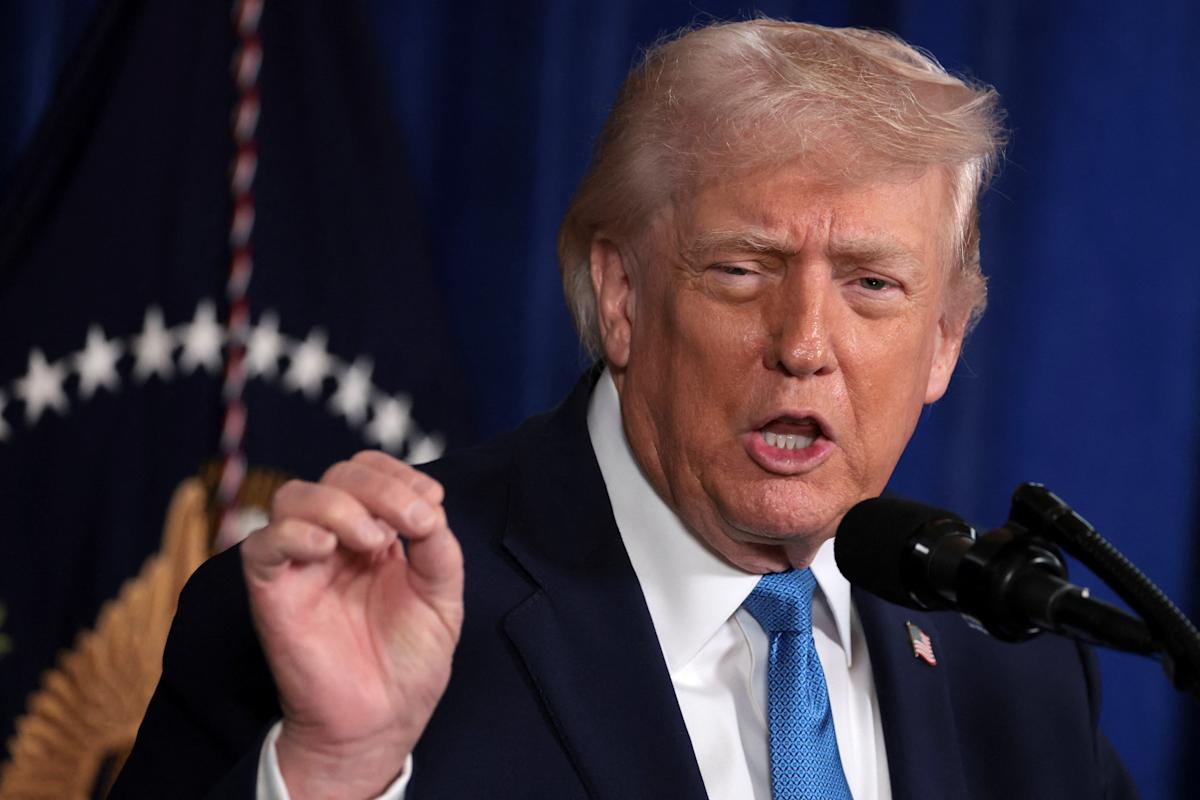
President Trump’s Tariffs: A Landmark Test of Presidential Power
As the U.S. Supreme Court prepares to rule on the legality of President Trump’s sweeping tariffs, stakeholders across various sectors are bracing for significant implications. The upcoming decision represents not just a pivotal moment in trade policy but a critical examination of presidential powers in the context of international economic relations.
Supreme Court’s Upcoming Ruling
The anticipation surrounding the Supreme Court’s decision has been palpable, with their initial opportunity to weigh in occurring last week. The Court indicated that their next opinions will be announced on Wednesday, January 14. Legal experts and industry leaders are closely monitoring the situation, as this ruling could redefine the balance of power between the Executive Branch and the Judiciary regarding trade policy.
The Stakes for Businesses
Businesses like Costco are among those actively preparing for the ramifications of the Court’s decision. They have initiated lawsuits against the U.S. government, seeking refunds on import duties if the Court finds Trump’s tariffs unlawful. The ability to reclaim these costs could significantly impact their bottom lines, especially if tariffs are ruled unconstitutional.
Legal and Political Context
The arguments presented to the Supreme Court in early November were contentious, featuring questions from both conservative and liberal justices regarding the President’s justification for the tariffs. Trump invoked a 1977 law intended for national emergencies, arguing that the tariffs are necessary for national security. This approach has drawn skepticism from various quarters, heightening the stakes for his administration.
Presidential Concerns
President Trump has not held back in expressing his fears about the potential outcome. He has indicated that losing the ability to impose tariffs would be devastating for U.S. interests. Warning of “a terrible blow” to the nation, Trump’s outspoken impatience has characterized his approach to this high-stakes legal battle. Just recently, he took to social media to declare, “If the Supreme Court rules against the United States of America on this National Security bonanza, WE’RE SCREWED!”
Government Officials Weigh In
U.S. Treasury Secretary Scott Bessent recently addressed the possibility of refunds should the Court side against Trump’s authority to impose tariffs. In an interview, he suggested that the Treasury has sufficient funds to cover any required refunds, but he expressed skepticism that businesses would pass that relief back to consumers. He labeled such refunds as a “corporate boondoggle,” indicating potential corporate reluctance to return funds to consumers even if the government mandates it.
Trade Dynamics and Market Impacts
The broader trade landscape remains complex, especially in the context of U.S.-China relations. Despite the tariffs, China’s trade surplus has remarkably ballooned, hitting a record of $1.2 trillion in 2025. The Chinese government has pointed fingers at the U.S. for exacerbating global trade imbalances, escalating the tension between the two economic giants.
Tariff Revenue and Business Strategy
A recent Treasury report revealed a drop in U.S. tariff revenue by nearly $3 billion from November to December, signaling shifting dynamics in revenue generation from tariffs. As businesses adapt to these changes, many are strategizing on how to navigate potential refund scenarios while simultaneously managing supply chain and pricing pressures.
Broader International Implications
While the U.S. grapples with its own uncertainties, the geopolitical landscape is equally dynamic. In recent weeks, reports emerged that China’s exports of rare earth materials have surged, reflecting Beijing’s response to U.S. tariffs. Furthermore, as China’s trade relationships evolve, the implications for U.S. companies that rely heavily on these imports are considerable.
The Complexity of Tariff Regulations
The intricate web of tariffs has grown increasingly convoluted, affecting not just pricing but also employment forecasts. Companies face an uphill battle navigating the complexities of the latest Harmonized Tariff Schedule, which has expanded to over 4,500 pages in the latest edition—an extraordinary increase that enhances the challenges of import compliance.
Preparing for All Outcomes
As the Supreme Court’s ruling date approaches, the atmosphere is charged with uncertainty. Businesses, policymakers, and legal analysts find themselves entangled in a waiting game filled with high stakes and potential overhaul of the trade landscape. The anticipation of the ruling is a daunting exercise in preparedness, as the fallout could reverberate through markets, employment statistics, and international relations for years to come.

Denmark Voiced Strong Disagreement with US Ownership of Greenland

Supreme Court Reinstates GOP Congressman’s Absentee Ballot Case, Potentially Triggering Increased Election Litigation

France to Open Greenland Consulate as ‘Political Signal’ to the US | Donald Trump News

Greenland Summit at the White House: A Potential Turning Point for the Arctic’s Future

Disney+ Secures First-Look Deal with Stephen Graham and Hannah Walters in the UK

Trump Claims “We’re in Trouble” if Supreme Court Opposes His Tariffs

Trump Cautions Iran on Executing Protesters as Activists Report Death Toll Surpassing 2,500

New Criminal-Catching Cameras Activated in North Providence

Tech in Education | Latest News

Scientists Explain Why Central Turkey’s Crust is Gradually Sinking

EXCLUSIVE: Will Smith’s Former Best Friend Bilaal Breaks Silence in Explosive Tasha K Interview — Lawsuit, Scientology Allegations, and Claims of an Attempt on His Life

Four Forecasts for 2026

Carbon Industries Group Signs Major Carbon Credit Agreements with Senegalese Government | Currency News | Financial and Business Insights

Elon Musk’s Return to Politics: Why Not Explore a New Hobby Instead? | Arwa Mahdawi

Wall Street Sees Modest Gains in Unsteady Start to 2026 | News, Sports, Jobs

Top Picks from CES 2026: Editors Select the Best Products and Technologies

Nvidia’s Groq Acquisition Highlights How the AI Chip Leader Leverages Its Robust Balance Sheet to Maintain Dominance

Trump Issues Order Pausing Offshore Wind Projects for a Minimum of 90 Days

Best Of The Funny Animal Videos 😹🐶 Funniest Cat & Dog Moments Ever Recorded 🤣

Top 2026 NFL Draft Targets for the Chiefs: Kenyon Sadiq and Jeremiyah Love Lead the Way for Patrick Mahomes and Andy Reid

Splash Dogs Take Over The Pool…And We Love It! | Dodo Kids | 1 Hour Of Animal Videos

The Funniest Animal Videos Compilation 😹🐶 Crazy Funny Dogs That Will Make You Laugh Nonstop 🤣

#54 Funniest Cats And Dogs videos 🐶🐱 #funny #animals #cuteanimals

Hilarious Animal Videos to Make You Laugh | Funny Dog & Cat Videos

Super Crazy Pets | FUNNIEST Animals You Have Ever Seen

Funniest Farm Animals

Funny Animal Videos 2023 – Comedy Voiceover! #12😹🐶🤣
Best Of The Funny Animal Videos 😹🐶 Funniest Cat & Dog Moments Ever Recorded 🤣

You Laugh You Lose 😅 Best Funny Cats and Dogs Videos 😹🐶

FUNNIEST Pet Fails! 🤣 😂 | Best Compilation 2023
-
 Entertaiment2 weeks ago
EXCLUSIVE: Will Smith’s Former Best Friend Bilaal Breaks Silence in Explosive Tasha K Interview — Lawsuit, Scientology Allegations, and Claims of an Attempt on His Life
-
 Finance2 weeks ago
Four Forecasts for 2026
-
 Finance1 week ago
Carbon Industries Group Signs Major Carbon Credit Agreements with Senegalese Government | Currency News | Financial and Business Insights
-
 Politics1 week ago
Elon Musk’s Return to Politics: Why Not Explore a New Hobby Instead? | Arwa Mahdawi
-
 Business2 weeks ago
Wall Street Sees Modest Gains in Unsteady Start to 2026 | News, Sports, Jobs
-
 Technology2 days ago
Top Picks from CES 2026: Editors Select the Best Products and Technologies
-
 Technology3 weeks ago
Nvidia’s Groq Acquisition Highlights How the AI Chip Leader Leverages Its Robust Balance Sheet to Maintain Dominance
-
 US News3 weeks ago
Trump Issues Order Pausing Offshore Wind Projects for a Minimum of 90 Days