
Finance
Unclaimed £2,000 Government Savings Account: 758,000 Britons Missing Out | Money Blog | Money News


This Week’s Savings Update: Key Insights and Market Movements
For savers looking to maximize their returns, this week brings a mixed bag of news. Anna Bowes, a savings expert from The Private Office, provides valuable insights into the recent shifts in the savings landscape.
Fixed-Rate Bonds: A Bright Spot
Amidst a largely disappointing market, the fixed-rate bond sector shines brightly. Marcus by Goldman Sachs has introduced a new market-leading bond offering a compelling 4.55% AER for a term of 12 months. Bowes notes, “It’s likely to be snapped up pretty fast. You can open the account online, and the minimum deposit is just £1.” This accessibility makes it appealing for a wide range of savers.
Shawbrook Bank has also emerged as a contender, now offering 4.27% AER, placing it just behind Marcus. In contrast, the previous market leader, Union Bank of India UK, has reduced its offering from 4.33% to 4.23%, reflecting the ongoing adjustments in the market.
Market Trends and Predictions
Bowes explains, “This is what we would expect to see when the markets anticipate further base rate cuts.” The competitive nature exhibited by Marcus and Shawbrook demonstrates how market dynamics can shift offerings significantly, creating better opportunities for savers. There’s hope for continued competitive offerings in the coming months.
Easy Access Accounts: Stability Amidst Change
The easy access savings account market remains relatively stable following a base rate cut late last year. Chase retains its position at the top, offering 4.50% AER. This rate includes a “boost” of 2.25% for the first 12 months, after which the rate will adjust.
Bowes emphasizes the importance of shopping around for the best rates, especially for those paying tax on savings. “Even though rates have fallen slightly, if you can secure an account with an interest rate of 4% or more, your savings can still keep pace with inflation, particularly for basic rate taxpayers.”
Rising Stars in Easy Access ISAs
The competition among digital money apps heats up in the easy access ISA space. This week, Plum has overtaken Moneybox to secure the top position, now paying a enticing 4.32% AER. This shift illustrates the dynamic nature of ISA offerings, with apps continuously vying to capture consumers’ attention.
Fixed-Rate ISAs: Positive Momentum
After what many viewed as a lackluster week with several top-paying one-year fixed-rate ISAs being withdrawn, the market is now seeing a rebound. Investec and Tandem had previously been neck-and-neck with their 4.12% products, but Shawbrook has ascended to the lead with a 4.14% offering for a one-year ISA.
This recent activity suggests that market participants are responding to the competitive landscape, providing more favorable options for savers looking to lock in their rates.
Navigating the Savings Landscape
As savers continue to navigate this intricate market, the importance of staying informed cannot be understated. The variety of offerings across fixed-rate bonds, easy access accounts, and ISAs presents a wealth of opportunities. Regularly reviewing market trends and available rates will ensure that savers can make the most of their financial decisions.
Stay tuned for further updates as the market continues to evolve and shape savers’ experiences!
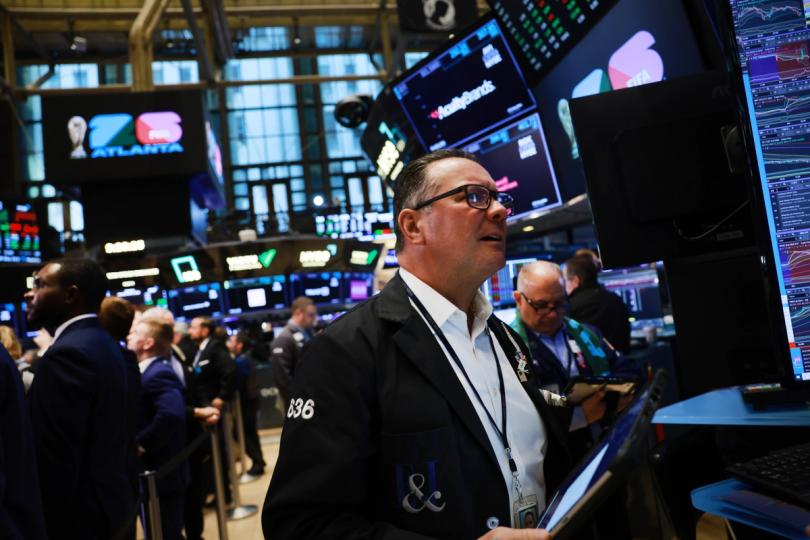
Bitcoin’s Rollercoaster Ride: Bullish Developments and Macro Headwinds
Bitcoin made headlines this past week by briefly pushing towards $74,000, buoyed by a wave of bullish news that seems to weave the cryptocurrency industry closer to traditional finance. As market watchers began dubbing this movement a bullish rally, one analyst even suggested that this new run “has legs.” However, the excitement was short-lived. By week’s end, Bitcoin slipped back below $69,000, shedding a staggering $110 billion in market capitalization.
Institutional Progress Amidst a Selloff
What’s intriguing is that this downturn follows what could be categorized as one of the sector’s most positive stretches of institutional news in recent months. Morgan Stanley announced that it would utilize Bank of New York Mellon as a custodian for its spot Bitcoin ETF exposure, thus reinforcing established Wall Street infrastructure around Bitcoin. This was complemented by Kraken gaining access to the Federal Reserve’s payment system, a milestone in the integration of crypto firms within the U.S. banking network.
Furthermore, the Intercontinental Exchange (ICE), which owns the New York Stock Exchange, made headlines by investing in crypto exchange OKX, valuing it at $25 billion. Even more notable, U.S. President Donald Trump urged traditional banks to establish workable relationships with the crypto industry. Any one of these developments would likely have sparked significant market excitement in earlier crypto cycles, yet now that institutional adoption is more of a reality, the market seems largely indifferent.
The Reality Check: Macro Forces at Play
The selloff was largely attributed to a strengthening U.S. dollar. This shift was accelerated by escalating tensions in Iran, with President Trump quashing hopes for any negotiated settlement. His allusion to “no deal with Iran” triggered a spike in oil prices and renewed inflation concerns, which in turn impacted interest rate expectations. As equities began to decline and the dollar index rose, cryptocurrencies—which have increasingly mirrored technology stocks—followed suit.
Compounding these macro factors were cracks appearing in Wall Street’s private credit market. Reports indicated that BlackRock began limiting withdrawals from its $26 billion private credit fund, stirring concerns among investors. Following similar troubles plaguing Blue Owl, the sentiment became even more fragile.
Who’s Behind the Selling?
In such volatile market conditions, one pressing question is: Who is selling? Data indicated that short-term Bitcoin holders were the ones cashing out as Bitcoin peaked at $74,000. These short-term holders transferred over 27,000 BTC—worth around $1.8 billion—to exchanges within 24 hours, representing one of the largest spikes in recent memory.
This demographic tends to be quick to react to price movement, often acting more like traders eager to lock in profits rather than investors committed for the long haul. Consequently, Bitcoin’s thin liquidity means even small sell-offs can significantly impact price action. It’s worth noting that the only short-term investors still in profit are those who entered the market between one week to a month ago, at a price closer to $68,000.
Institutional Investors: Signs of Re-engagement?
Despite the turbulent market, optimism isn’t entirely absent. A recent Binance Research report highlighted that U.S. spot Bitcoin ETFs recorded net inflows of approximately $787 million last week—the first positive week since mid-January. This suggests that some institutional investors may be starting to rethink their positions in light of a market that had seen consistent outflows.
Notably, university endowment funds, typically focused on long-term returns, have signaled interest in alternative investments, including digital assets. This reflects a growing appetite for crypto, especially amidst the daunting valuations of traditional equities.
Looking Ahead: A Balanced Perspective
It’s crucial to recognize that while institutional adoption has influenced market dynamics, the prevailing narrative is now heavily shaped by macroeconomic factors. Bitcoin has become increasingly intertwined with traditional financial assets, reacting to broader liquidity conditions and dollar strength.
Moreover, the speculative excess seen in earlier periods may now be receding. Bitcoin funding rates have recently plummeted to their lowest levels since 2023, an indication that leveraged positions have largely been unwound. Such conditions create a potentially healthier foundation for future price movements driven by genuine demand rather than speculative trading.
As this week’s events unfold, it’s clear that investors are split between short-term caution and long-term conviction. While recent price action has left many feeling skeptical, the undercurrents of institutional interest and evolving market structures suggest that the crypto landscape continues to mature.
Read more insights on this topic and the ongoing developments in digital assets by exploring recent analyses and reports from the industry.
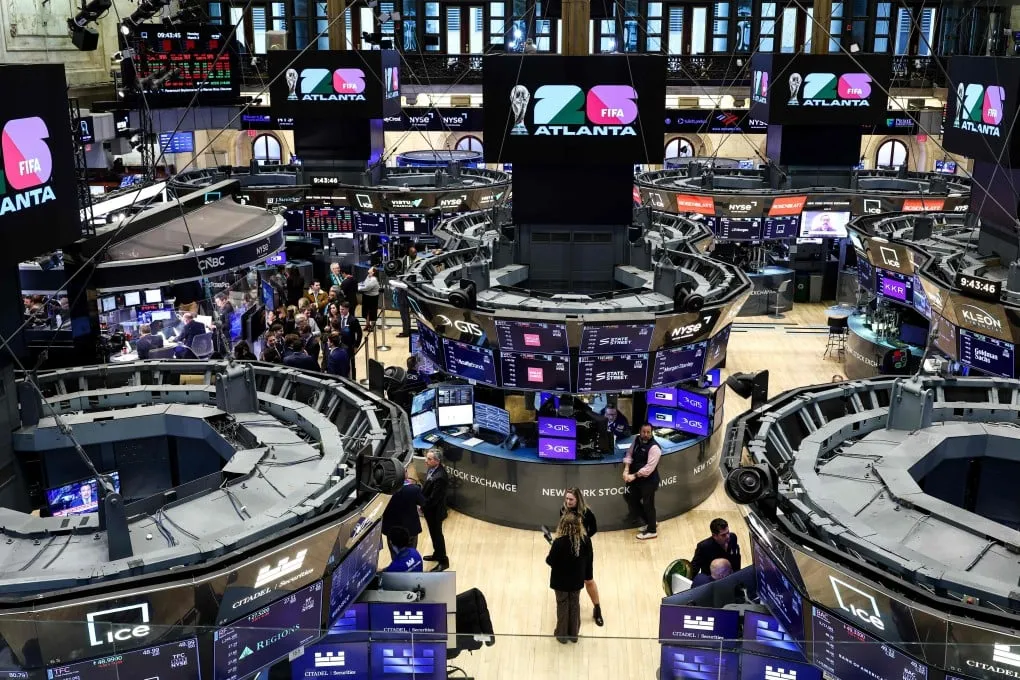
The global oil market is currently facing unprecedented upheaval, as the world grapples with the largest supply loss in history. This situation is not merely a passing trend; it is three times greater than the infamous 1973 Arab oil embargo. The ramifications are felt across continents, but perhaps nowhere more acutely than in Asia, where jet fuel shortages have triggered surging prices. As regions scramble to secure this essential commodity, the cost of Asian jet fuel has skyrocketed to an alarming $225 per barrel, while Singapore jet fuel stands perilously close at $221. These figures aren’t just numbers; they represent the highest prices ever recorded for petroleum products in history. Meanwhile, in Shanghai, oil prices have also surged, reaching $98.5 per barrel.
As the crisis unfolds, the geopolitical landscape plays a crucial role in shaping market dynamics. Analysts are speculating about the motivations behind certain actions in the international arena. For instance, some suggest that former U.S. President Donald Trump’s strategies may not solely focus on military endeavors, such as taking over Iran. Instead, there’s a theory that his real objective could be to strategically weaken the economies of key regions, including Europe, Taiwan, South Korea, and Japan. This can ignite discussions about how political maneuvers intertwine with global supply chains and energy markets.
The consequences of this soaring oil prices and jet fuel scarcity extend far beyond immediate cost increases. They exert tremendous pressure on global economies, particularly as energy costs represent a significant portion of operational expenses for businesses. Consumers are feeling the pinch as well; households are adjusting budgets in anticipation of higher energy bills. In response to this volatile climate, there is a palpable shift towards alternative energy sources. Solar, wind, and other renewable energies are increasingly seen not just as environmentally friendly options but as pragmatic solutions to counteract the rising costs and uncertainties associated with fossil fuels.
Stay updated with the latest developments by following us on Telegram and Sends.



The thing with stock market crashes is nobody really knows when the next one is coming. But for most investors, this is nothing to be afraid of.
Being ready for a stock market crash is a vital part of being a good investor. It’s probably easier than you might think. Preparing yourself and your portfolio can help ease the anxiety associated with market downturns.
Currently, conflict in the Middle East has been making share prices volatile. The situation is fast-moving, and the chance of a significant event occurring suddenly is impossible to rule out. This unpredictability adds an extra layer of complexity for investors.
As such, oil and gas prices are on the rise due to supply concerns. A potential escalation in military actions in the Strait of Hormuz could exacerbate this issue. Being aware of these geopolitical factors can help investors make informed decisions.
There’s also a possibility that the situation might resolve itself relatively swiftly. If that occurs, prices could normalize, and investors could shift their focus back to tech innovations like AI, which have been capturing a lot of attention lately.
Predicting what happens next in a turbulent market is no easy feat. Yet, the key is to build a portfolio that can withstand various outcomes. Diversification becomes essential here; a well-rounded portfolio can help mitigate risks and provide stability.
Timing a stock market crash perfectly is nearly impossible. Even so, buying at the bottom of a market downturn historically leads to outstanding long-term returns. Unfortunately, many investors only realize they were at the bottom after it’s too late to capitalize on it.
The good news is that profiting from falling share prices does not require pinpoint timing. Investors can still do remarkably well if they act a little early or even a bit late. For example, during the pandemic, the FTSE 100 fell 30% in just a month. Remarkably, investors who purchased shares at what they believed was the worst time—a month before the crash—still managed a 76% return over six years.
Even if they missed the actual lowest point, that translates to an impressive compound return of about 10% per year. This demonstrates that investors don’t need to get the timing right to reap the benefits of lower share prices.
One stock that has caught my attention is Bunzl (LSE:BNZL). Although it faced challenges in 2025, with earnings per share down 7.7% due to a tough trading environment in the U.S., it presents interesting considerations for potential investment.
If geopolitical tensions escalate, the company could face even more hurdles in its largest market. This risk is something any potential investor must weigh carefully.
Nonetheless, the company has significant long-term advantages: its scale allows for a broader product range and faster, more reliable delivery than its competitors. This reliability can be vital, especially in uncertain times.
At first glance, the stock doesn’t appear overly priced. After a decline last year, Bunzl reported £579 million in free cash flows, which equates to an 8% return on its market capitalization of £7.08 billion. It’s vital to analyze these figures to gauge the stock’s potential for recovery.
Being a successful investor is not about trying to forecast stock market movements with precision. This reality serves as a comfort for many, as very few can reliably make such predictions. The focus should be on creating a resilient investment strategy that can handle market fluctuations—after all, preparation often outweighs prediction.

Man Found Guilty in Conspiracy to Assassin Trump Linked to Iran’s Paramilitary Forces

The Best Celebrity Dog Fathers#(president of usa, actor star)

Seagull Video Moment Funny Animals Compilation #3

House Votes Against Iran War Powers Resolution by a Narrow Margin

#1 Music Celebrity: Helping Animals Makes you Happy. Not Money & Fame

😍 Cutest Shih Tzu 😂 Funny and Cute Shih Tzu Puppies and Dogs Videos

Advocates Urge Preservation of State Climate Law Without Amendments

U.S. Pledges $20B in Maritime Reinsurance as Iran Tightens Grip on Strait of Hormuz – National

Netflix Withdraws from Meghan Markle’s $64 Candle Venture

Title: “Despite a Strong Week of Wall Street News, Bitcoin Faces a $110 Billion Loss”

Who Is Really Voting in These Polls? The Shocking Truth Behind America’s Approval Numbers

Blueprint for a “Tax-Free America” That Actually Works

Police Issue Warrant for Bar Patron Alleged to Have Assaulted Multiple Individuals

Winter Storm Provides Much-Needed Surge for Tug Hill Snowmobile Industry

Four Forecasts for 2026

It Took 35 Years for T. rex to Reach Full Maturity

Major Indices Experience Weekly Declines as Treasury Yields Reach Four-Month High

EXCLUSIVE: Will Smith’s Former Best Friend Bilaal Breaks Silence in Explosive Tasha K Interview — Lawsuit, Scientology Allegations, and Claims of an Attempt on His Life

2026 NFL Coaching Update: John Harbaugh Nearing Deal with Giants; Mike Tomlin Not Expected to Coach Next Season

Top Picks from CES 2026: Editors Select the Best Products and Technologies
The Best Celebrity Dog Fathers#(president of usa, actor star)
Seagull Video Moment Funny Animals Compilation #3
#1 Music Celebrity: Helping Animals Makes you Happy. Not Money & Fame
😍 Cutest Shih Tzu 😂 Funny and Cute Shih Tzu Puppies and Dogs Videos

Sing 2 Trailer Released, Celebrity Cast Celebrate: Reese Witherspoon, Bono, Hasley, Pharrell, +More
![Animals Getting Scared Over Nothing 😂 [Funny Pets]](https://i0.wp.com/i.ytimg.com/vi/O0W9ToOrmr4/maxresdefault.jpg?resize=80%2C80&ssl=1 "Animals Getting Scared Over Nothing 😂 [Funny Pets]")
Animals Getting Scared Over Nothing 😂 [Funny Pets]

PAWS RPO Campaign featuring PAWS celebrity volunteer, Karylle

The Best Corgi Compilation On The Internet 2023 | Funny and Sassy Moments @FurryTails

Save Celebrity souls form hell..

These Cats Can Speak English Better Than Hooman 🙀
-

 Entertaiment10 hours ago
Tyler Jaggers: Coast Guard Rescue Swimmer Passes Away Days After Mission Incident; Fiancée Honors His Memory
-

 Crime & Justice21 hours ago
Police Report: March 6, 2026 | Latest Updates
-

 Comedy1 day ago
feeding carrot beans and radish to the hungry monkey
-

 Science21 hours ago
Engineers Introduce High-Efficiency Liquid CO₂ Energy Storage Solution for Renewable Power Grid Stability
-
 Business9 hours ago
Netflix Withdraws from Meghan Markle’s $64 Candle Venture
-

 US News21 hours ago
The Potential Effects of the Iran War on States and Local Communities
-

 Comedy24 hours ago
CATS vs DOGS: Totally Bonkers and Wildly Unpredictable
-

 Comedy1 day ago
Cane Corso — Majestic And Funny Videos And Tik Toks Compilation