
Finance
Is a Stock Market Crash Looming in 2026 with President Donald Trump? Insights from 155 Years of History.


The Rollercoaster Ride of the Stock Market During Trump’s Presidency
The stock market often feels like a rollercoaster, providing thrilling highs and gut-wrenching lows. During President Donald Trump’s first term, the investment landscape was predominantly characterized by soaring indices, creating a sense of optimism among investors. As we enter 2025, these historical trends bring both excitement and concern.
Market Performance Under Trump
During Trump’s initial four years in office, major stock indices reached remarkable heights. The Dow Jones Industrial Average experienced a gain of 57%, while the S&P 500 surged by 70%. The Nasdaq Composite, known for its tech-centric focus, saw a staggering increase of 142%. As we look into 2025, these upward trends continued with respective gains of 13%, 16%, and 20% for the Dow, S&P 500, and Nasdaq. Such robust performance underlines how deeply interconnected political and economic environments are—especially in periods defined by significant tax reform and corporate strategy shifts.
The Historical Context
History often provides valuable lessons. The stock market cycles—in which periods of expansion are followed by contractions—are critical for understanding potential future movements. While the indices flourished during Trump’s first term, the current state of the market raises questions about sustainability. Notably, the stock market is historically expensive, and such valuations often lead to increased scrutiny and speculation.
A Long-Term View
Capitalizing on stock market fluctuations can be a daunting task, especially for short-term investors. However, for long-term investors, market cycles can provide substantial opportunities. The advantages of patience become evident when considering that, historically, substantial downturns are typically followed by even more robust recoveries. The trend of the market may not be linear, but it has shown resilience over decades.
The Power of Cycles
The cyclical nature of stock market performance emphasizes that downturns can often provide fertile ground for future growth. Data indicates that bear markets last approximately 286 days, while bull markets can extend beyond 1,000 days. This stark contrast points to the potential for wealth creation triggered by navigating challenging market phases.
Understanding Valuation
A key metric for assessing market valuation is the Shiller Price-to-Earnings (P/E) Ratio—also known as the cyclically adjusted P/E Ratio (CAPE Ratio). This tool provides a broader perspective by analyzing average inflation-adjusted earnings over the preceding decade. Slated against historical averages, this ratio can signal overvalued markets.
Historically, the S&P 500’s Shiller P/E has averaged around 17.33. Yet, in recent years, we’ve seen it hover much higher, currently sitting near 40.72. Such elevated levels raise eyebrows since prior instances above 30 have been followed by significant declines of 20% or more. Thus, investors have valid reasons for concern, even if immediate downturns remain elusive.
The Role of Economic Policy
Trump’s tax policies have undeniably played a crucial role in shaping market performance. The reduction of the corporate income tax rate to its lowest levels since 1939 provided breathing room for many businesses, fueling industry growth and stock buybacks. These financial maneuvers often lead to heightened investor confidence, but they also require a cautious outlook moving forward.
The Future: What Lies Ahead?
Looking ahead, while many analysts express concerns about a market correction, history suggests that while a sharp decline could be on the horizon, its timing remains uncertain. Previous stock market downturns, including the infamous dot-com bubble, demonstrate that high valuations can persist for extended periods before a correction occurs. This chaotic nature leaves many investors in a state of indecision, oscillating between exuberance and anxiety.
Generational Wealth Creation
One of the most crucial lessons for investors is the importance of patience and long-term strategy. Historical data from Crestmont Research indicates that every rolling 20-year period has yielded positive returns, regardless of market volatility. This consistent performance allows savvy investors to cultivate generational wealth by weathering turbulent storms while taking advantage of subsequent rebounds.
Perhaps, maintaining an investment mindset that focuses on long-term growth is vital. Though the current climate presents challenges, the road ahead also holds promising opportunities for those equipped to handle market fluctuations.
Exploring Other Opportunities
Investors should also cast a wide net beyond the S&P 500 Index. With analysts highlighting ten stocks that they believe outperform the index, seeking alternative investments could lead to a more rewarding financial future. Historical insights remind us that smart decisions made today can reshape tomorrow’s portfolio landscape.
The rollercoaster ride of the stock market during Trump’s presidency exemplifies both the rewards and risks inherent in investing. By understanding historical trends and staying informed, investors can position themselves to take advantage of the market’s ebbs and flows while fostering growth irrespective of economic turbulence.

Are Software Stocks In Store for a Rebound?
January 16, 2026 – 04:42 PM EST
In recent trading sessions, a significant divide has emerged between semiconductor and software stocks. While semiconductor giants like Micron, Broadcom, and AMD continue to thrive—partly due to increased demand from AI-data center expansion—major software companies are struggling. Names like Applovin, Palantir, and Workday have found themselves among the S&P 500’s worst performers.
The Semiconductor Surge
The PHLX Semiconductor Index saw more than a 1% rise recently, fueled by optimism in the chip industry. Companies in this sector have benefited from the booming AI market, which has led to a vital increase in demand for semiconductors. Investors are buoyed by expectations of continued growth, making these stocks an attractive proposition.
Software Under Pressure
In contrast, the software sector faces unique challenges. Many investors are concerned about the potential disruption posed by AI-native competitors that may outpace traditional software offerings. This sentiment has contributed to the underperformance of several key players in the software space.
A Glimmer of Hope: Technical Analysis
Despite the current climate, Adam Turnquist, Chief Technical Strategist at LPL Financial, suggests that a reversal of fortunes for software stocks might be on the horizon. In his analysis, he points out that the software-to-semiconductor valuation ratio is significantly oversold and nearing a crucial support zone that has been in play since the early 2000s. Historical performance data indicates that the depth of the decline resembles past inflection points over the last 15 years.
Potential for Recovery
Turnquist believes that while a sustained upward trend may not yet be confirmed, the conditions for a rebound in software relative performance are forming. His optimistic standpoint hinges on technical levels that could signal an imminent recovery phase for beleaguered software stocks.
PNC Financial Stock Hits 4-Year High
January 16, 2026 – 03:26 PM EST
Shares of PNC Financial recently surged to a four-year high after the company reported better-than-expected quarterly earnings and announced plans for share buybacks. The Pittsburgh-based bank revealed a fourth-quarter net income of $2.03 billion, corresponding to $4.88 per diluted share—a substantial increase from analysts’ expectations of $4.23 per share.
Financial Performance Insights
PNC’s net interest income, a pivotal metric for banks, rose by 2% to reach $3.73 billion. CEO Bill Demchak attributed this success to effective management across all business sectors, mentioning impressive revenue growth and controlled expenses. The bank’s commitment to increasing share repurchases—from $400 million to a forecasted $600–$700 million—also speaks to its confidence going into 2026.
Strategic Acquisitions
Another noteworthy development for PNC is its acquisition of FirstBank, completed on January 5. This strategic move brought in substantial assets, loans, and deposits, which the bank sees as integral to its expanded growth prospects.
The Clarity Act Has Stalled, Denting Crypto Prices
January 16, 2026 – 02:36 PM EST
Early indicators suggested a strong market revival for cryptocurrencies, but the momentum has faltered due to legislative stagnation. The Clarity Act, aimed at establishing a regulatory framework for the crypto industry, has stalled in Congress, causing prices to dip.
Legislative Setbacks
Notably, Coinbase’s CEO Brian Armstrong withdrew his support for the bill, citing concerns over provisions that could jeopardize certain products. Lawmakers are also engaged in debates that might impact senior officials’ involvement in crypto investments. These developments have led to significant losses in crypto stock prices, affecting companies like Coinbase, Circle, and Bullish.
Market Reaction
In the wake of these legislative hurdles, both Bitcoin and altcoins like Ethereum and Solana have lost earlier gains from the week. However, some recovery is noted, as investors re-evaluate based on remaining opportunities within the market.
GE Vernova Jumps, Constellation and Vistra Slump on Trump’s Power Grid Plan
January 16, 2026 – 01:28 PM EST
Shares in GE Vernova rallied following news from the Trump administration regarding major changes to the electricity grid. Reports indicate that the administration plans to urge PJM Interconnection to auction off new electricity contracts, which could lead to an investment of around $15 billion in new power plants.
Impact on Companies
GE Vernova shares experienced approximately a 6% increase as investors expect the legislation to benefit their manufacturing of gas turbines. Conversely, independent power producers like Constellation Energy and Vistra saw their shares decline by 11% and 7%, respectively.
Energy Pricing Discussion
As electricity bills climb, particularly where data centers dominate, the discussions surrounding this plan highlight ongoing concerns about AI’s impact on energy consumption. This narrative is likely to play a significant role in the midterm elections, emphasizing affordability as a critical issue.
AST SpaceMobile Stock Soars on Potential ‘Golden Dome’ Contracts
January 16, 2026 – 12:37 PM EST
Shares of AST SpaceMobile have spiked dramatically following the announcement of potential contracts related to the U.S. Missile Defense Agency’s “Golden Dome” project. The recent contract award positions AST SpaceMobile as a bidder for contracts worth up to $151 billion.
A Strategic Position
The company has been invited to compete for contracts under the SHIELD program, which is part of the Golden Dome initiative aimed at enhancing air and missile defense capabilities. Such developments not only elevate AST’s market presence but also reflect the growing interest in space-based technology and infrastructure.
Broader Industry Trends
The broader focus on space exploration is evident, with major players like Elon Musk’s SpaceX exploring significant IPOs. This trend underscores the rising intersection of technology, defense, and space, making companies in this area increasingly attractive to investors.
Micron Shares Jump After Director Buys $8 Million of Stock
January 16, 2026 – 11:30 AM EST
Micron’s shares soared when investor enthusiasm surged following a significant purchase from board member Mark Liu. Liu acquired $8 million worth of Micron shares, which has been widely interpreted as a strong vote of confidence in the semiconductor giant.
Performance Surge
The stock reacted positively, climbing more than 5% shortly after this announcement, reinforcing Micron’s place as a leading stock to watch. The company has already seen a remarkable year, with shares increasing approximately 40% amid robust demand in the memory and data storage sectors.
Rate-Cut Chances Seem More Precarious as Fed Officials Rally Behind Powell
January 16, 2026 – 10:17 AM EST
With the Trump administration’s investigation into Federal Reserve Chair Jerome Powell, sentiments around potential interest rate cuts have shifted. Rather than capitulating to external pressures, several Fed officials have publicly expressed support for Powell and the necessity of maintaining the Fed’s independence.
The Response from the Federal Reserve
Fed officials’ defense suggests that they are more committed than ever to implementing monetary policy decisions based on economic fundamentals rather than political influence. As a result, traders are recalibrating their expectations regarding early-year rate cuts amidst shifting political dynamics in Washington.
This ongoing narrative in the financial landscape highlights the intricacies of market behavior amid legislative changes, corporate performance, and political dynamics. Investors are advised to keep a close watch on these developments as they unfold.

The Impact of Geopolitical Tensions on Energy Stocks: A Market Perspective
The Rally in Energy Stocks
Recent events have ignited a lively debate among investors regarding the sustainability of the rally in energy stocks, particularly amid increasing geopolitical tensions. Over the past three months, energy has emerged as the star performer within the S&P 500 Index, buoyed by rising crude oil prices. This surge has been significantly influenced by the Trump administration’s actions, which have included attempts to assert control over Venezuela’s oil industry and threats of intervention amid protests in Iran.
Investor Sentiment and Sector Performance
Walter Todd, the chief investment officer at Greenwood Capital Associates, has voiced his firm’s bullish outlook on the energy sector. He notes that they are “overweight” in energy investments, identifying them as presenting an enticing risk-reward scenario compared to other market sectors that have seen aggressive gains over the last year. This sentiment reflects a broader confidence in energy stocks as viable investment options at current levels.
Historical Context of Energy Positioning
Despite the recent rally, data from Deutsche Bank AG indicates that positioning in energy stocks remains below historical medians. This suggests a persistent hesitance among investors, with many still wary about the long-term viability of the sector amidst fluctuating market dynamics. Interestingly, recent data from Goldman Sachs Group showed that hedge funds engaged in net selling of energy stocks—one of the largest sectors in the S&P 500—indicating a cautious approach.
Geopolitical Factors and Price Implications
The geopolitical landscape plays a crucial role in the trajectory of energy stocks. The ongoing tensions between the U.S. and Iran, coupled with calls for U.S. oil companies to engage with Venezuela, have led to speculative optimism among investors. Following heightened anxieties surrounding unrest in Iran, there was a notable spike in bullish call options on crude oil, hitting record volumes. These events underscore the tenuous link between geopolitical developments and stock market performance.
Conversely, there is the risk that a de-escalation in Middle Eastern tensions could result in a decline in oil prices. This concern was evident when West Texas Intermediate experienced its largest single-day drop since June, following indications from the U.S. government regarding a restrained military approach towards Iran.
The Long-term Viability of U.S. Engagement in Venezuela
While there are arguments supporting U.S. intervention in Venezuelan oil extraction, analysts like Rebecca Babin, a senior energy trader at CIBC Private Wealth Group, caution that the path forward will likely be intricate and slow. Babin notes that any capital deployed by U.S. firms in Venezuela may divert resources from other projects, complicating the financial landscape for energy companies.
Historical Precedents of Regime Changes and Oil Prices
History suggests that regime shifts in oil-rich nations often correlate with significant price increases. According to research from JPMorgan Chase & Co., events since 1979 have triggered crude price rallies of at least 30%, with some instances resulting in peaks as high as 76%. This historical precedent raises interesting questions about the potential long-term effects of current geopolitical tensions on energy prices.
Banks Adjusting Their Forecasts
Amidst these dynamics, several major financial institutions have adopted a more favorable stance on oil. Citigroup recently elevated its near-term base case forecast for Brent crude to $70 per barrel, citing an expanding geopolitical risk premium tied to Iran and ongoing disruptions in oil exports from countries like Libya and Algeria. Such adjustments reflect a growing recognition of how international politics can impact market fundamentals.
Extreme Scenarios in Oil Price Predictions
BloombergNEF has laid out more extreme market scenarios that could see Brent crude prices averaging $91 per barrel if Iranian exports were to cease entirely through the year-end. While this scenario is deemed unlikely, it serves as a reminder of the potential volatility tied to regional conflicts and oil supply disruptions.
This structured exploration of the current energy market highlights the interplay between geopolitical events and stock performance, leaving the door open for ongoing discussion without reaching a definitive conclusion.
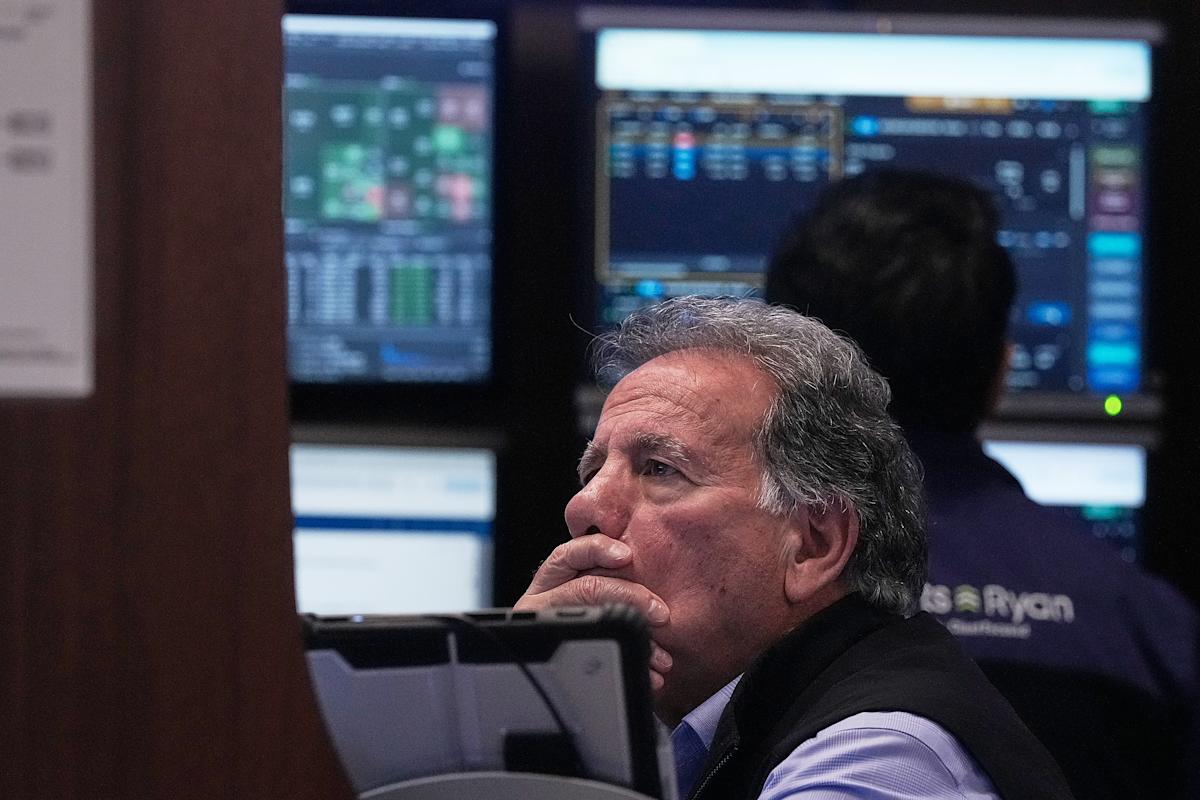
US Stock Futures Little Changed as Wall Street Eyes Financial Gains
As the trading world winds down for the week, US stock futures have shown minimal fluctuations late Thursday. Investors are keenly observing the market as Wall Street attempts to build on recent gains propelled by the strength in financial and technology sectors. The major indices are still in the running for a strong weekly performance, signaling cautious optimism.
Futures Movements in Major Indices
Contracts associated with the Dow Jones Industrial Average, S&P 500, and Nasdaq 100 are hovering just above neutral territory. This slight upward movement reflects a steady market sentiment. Following days of upward momentum, the market is positioned delicately as traders await further insights and developments from various sectors.
A Reversal of Fortune for Stocks
Earlier in the week, stock prices rebounded, shaking off a two-day slump. Much of this recovery can be attributed to the semiconductor sector, which has garnered renewed interest following a strong quarterly report from Taiwan Semiconductor Manufacturing Company (TSMC). This news has reignited investor enthusiasm, particularly towards initiatives linked to artificial intelligence and technology development.
Key Players in the Semiconductor Sector
Stocks in the semiconductor space saw significant movement on the news of TSMC’s performance, with shares surging over 4%. Notably, Nvidia and AMD also witnessed rebounds, a reflection of the widespread optimism surrounding AI-related initiatives. Investors are particularly encouraged by a recent trade agreement between the US and Taiwan, committing $250 billion toward expanding US manufacturing capabilities, further bolstering the tech industry.
Banking Sector Gains Amid Positive Earnings
Turning to the financial sector, major banks showcased a robust performance with upbeat earnings reports. Goldman Sachs reported a rise of over 4%, and Morgan Stanley jumped nearly 6% after surpassing quarterly expectations. The positive tone in banking stocks is lending to a favorable atmosphere as investors look toward earnings reports from smaller institutions like PNC and Regions Financial, scheduled for release soon.
Political Landscape and Market Sentiment
As the markets navigate through a busy week, they are also digesting a plethora of political dynamics, including tensions involving Iran and Greenland. Of particular interest is the ongoing legal conflict between the Trump administration and Federal Reserve Chair Jerome Powell. This situation raises questions about the independence of the Fed, a topic that has garnered attention amid ongoing inflationary pressures.
Federal Reserve’s Stance on Rates
In the midst of these discussions, Federal Reserve members have expressed their support for maintaining current interest rates. This consistency is viewed as a strategy to combat inflation effectively. Economic forecasts from the CME FedWatch tool indicate a 95% likelihood that rates will remain unchanged this month, with the first cut expected in June, reflecting the prevailing economic conditions.
Market Outlook Amidst Volatility
Despite the rally observed on Thursday, major indices are on track to conclude the week on a lower note. The S&P 500 is down approximately 0.3%, while the Nasdaq Composite has faced a decline of about 0.6%. The Dow is also marginally lower, indicating that the market is grappling with its first real bout of volatility in the new year. As we head into the final stretch of the week, investor sentiment remains a crucial aspect to monitor closely.
Stay tuned for further updates as the markets continue to evolve through this dynamic landscape.

Is a Stock Market Crash Looming in 2026 with President Donald Trump? Insights from 155 Years of History.

US-Iran Tensions: Trump Lacks Clear Path to Victory Amid Tehran’s Challenges | Donald Trump News

WATCH | Beyond ‘Catching Bad Guys’: Jessieville’s Criminal Justice Class Explores the Realities of the Justice System

This Week in Science: ISS Medical Evacuation, Mars Sample Return Cancelled, and Woolly Rhino Flesh Discovered in Permafrost Wolf

Cleveland Browns Update (1/17): A Wealth of Head Coach Candidates

Prince Harry and Meghan Markle Reportedly Feeling Isolated – Celebrity News – Entertainment

WATCH: Trump Praises Iran for Allegedly Halting Hundreds of Executions

Trump News Summary: President Establishes Gaza ‘Board of Peace’ | Trump Administration

Political Journalists Discuss Hochul’s State of the State Address

Donald Trump Set to Reveal Home Buying Initiative Utilizing Retirement Funds

EXCLUSIVE: Will Smith’s Former Best Friend Bilaal Breaks Silence in Explosive Tasha K Interview — Lawsuit, Scientology Allegations, and Claims of an Attempt on His Life

Who Is Really Voting in These Polls? The Shocking Truth Behind America’s Approval Numbers

2026 NFL Coaching Update: John Harbaugh Nearing Deal with Giants; Mike Tomlin Not Expected to Coach Next Season

Blueprint for a “Tax-Free America” That Actually Works

It Took 35 Years for T. rex to Reach Full Maturity

Four Forecasts for 2026

Carbon Industries Group Signs Major Carbon Credit Agreements with Senegalese Government | Currency News | Financial and Business Insights

Top Picks from CES 2026: Editors Select the Best Products and Technologies

Wall Street Sees Modest Gains in Unsteady Start to 2026 | News, Sports, Jobs

Elon Musk’s Return to Politics: Why Not Explore a New Hobby Instead? | Arwa Mahdawi

The Most dramatic cats moments ever! 😂🤣 Funny Cat Videos 2025

Jennette McCurdy shares the stories behind memoir “I’m Glad My Mom Died”

Splash Dogs Take Over The Pool…And We Love It! | Dodo Kids | 1 Hour Of Animal Videos

The Funniest Animal Videos Compilation 😹🐶 Crazy Funny Dogs That Will Make You Laugh Nonstop 🤣

#54 Funniest Cats And Dogs videos 🐶🐱 #funny #animals #cuteanimals

Hilarious Animal Videos to Make You Laugh | Funny Dog & Cat Videos

Super Crazy Pets | FUNNIEST Animals You Have Ever Seen

Funniest Farm Animals

Funny Animal Videos 2023 – Comedy Voiceover! #12😹🐶🤣

Best Of The Funny Animal Videos 😹🐶 Funniest Cat & Dog Moments Ever Recorded 🤣
-
 Entertaiment2 weeks ago
EXCLUSIVE: Will Smith’s Former Best Friend Bilaal Breaks Silence in Explosive Tasha K Interview — Lawsuit, Scientology Allegations, and Claims of an Attempt on His Life
-
 Opinion2 days ago
Who Is Really Voting in These Polls? The Shocking Truth Behind America’s Approval Numbers
-
 Sports2 days ago
2026 NFL Coaching Update: John Harbaugh Nearing Deal with Giants; Mike Tomlin Not Expected to Coach Next Season
-
 Opinion2 days ago
Blueprint for a “Tax-Free America” That Actually Works
-
 Science2 days ago
It Took 35 Years for T. rex to Reach Full Maturity
-
 Finance2 weeks ago
Carbon Industries Group Signs Major Carbon Credit Agreements with Senegalese Government | Currency News | Financial and Business Insights
-
 Finance2 weeks ago
Four Forecasts for 2026
-
 Technology5 days ago
Top Picks from CES 2026: Editors Select the Best Products and Technologies