
US News
US-Iran Tensions: Trump Lacks Clear Path to Victory Amid Tehran’s Challenges | Donald Trump News


Trump’s Objectives and Challenges in Iran
In a climate teetering on the brink of tension, President Donald Trump has made it abundantly clear that his objective towards Iran is straightforward: to “win.” However, political analysts emphasize that achieving this goal against an Iranian regime deeply entrenched in ideological convictions poses considerable challenges. The Iranian government is not just fighting for its existence; it is mobilizing nationalistic fervor in response to perceived foreign aggression.
Retaliation and Resilience
The United States might find itself in a precarious position if it were to engage in military action against Iran. Analysts argue that any attack on its central government would likely elicit a fierce retaliation, especially compared to previous, more symbolic responses to U.S. actions—such as the bombing of nuclear facilities or the assassination of General Qassem Soleimani. Current conditions differ markedly, indicating that Iran may respond with increased vigor, putting U.S. forces and allies in the region at risk.
The Complexities of Military Action
Barbara Slavin, a distinguished fellow at the Stimson Center, voices that all potential military options against Iran yield daunting repercussions. She suggests that U.S. actions could provoke catastrophic consequences, especially if the Iranian regime perceives itself to be on the defensive. A “decapitation strike” might not bring about the desired regime collapse; instead, such attacks could incite further destabilization, leading to a long and costly conflict.
Humanitarian Interventions and Tactical Shifts
The backdrop of ongoing protests in Iran adds a layer of complexity to the U.S. stance. As anti-government demonstrations swept through Iran, Trump hinted at a military response should the Iranian authorities respond violently to protesters. His rhetoric has evolved, oscillating between promises of support for dissidents and acknowledgments of potential Iranian narratives regarding the unrest. Recent crackdowns have resulted in rising death tolls among protesters, compelling Trump to slightly recalibrate his aggressive tone.
Military Assets and Regional Tensions
Recent reports indicate that the Pentagon has begun moving military assets closer to the Middle East, including deploying an aircraft carrier strike group, further raising the stakes. Trump’s willingness to utilize military might reinforces his commitment to assert U.S. influence abroad, yet experts caution individuals against viewing these strategies as interchangeable with previous U.S. successes in places like Venezuela. The intricacies of the Iranian landscape demand far more than quick, decisive strikes and require a deeper understanding of prolonged conflict dynamics.
Iran’s Perception of Threats
Iran’s governmental response is predicated on perceptions of existential threats. Current protests represent a legitimacy crisis, and the ruling class understands that they cannot afford to appear weak. Analysts note that while Tehran has previously tolerated limited military strikes, it may no longer be willing to absorb such hits without a formidable reply. In this context, even a slight escalation in U.S. military engagement could provoke a stronger and more unpredictable reaction.
The Regional Influence and External Alliances
Iran is currently navigating a crisis of legitimacy both internally and externally. It’s losing grip over a network of regional allies that has been pivotal since the Islamic Revolution of 1979. With longstanding partners like Hamas and Hezbollah weakened, and economic sanctions crippling Iran’s economy, the regime finds itself in a precarious state. The current geopolitical landscape, accentuated by the decline of its allies and a series of military setbacks, leaves Iran struggling to maintain its influence and stability.
The Role of U.S. Domestic Politics
The distinctions between Trump’s militaristic rhetoric and the current geopolitical landscape are profound. As the upcoming midterm elections loom, Trump must maintain his appeal to an “America First” base, many of whom remain skeptical of foreign military interventions. The historical failures from previous military engagements in the Middle East weigh heavily on public opinion, indicating that significant military action in Iran may not be politically feasible.
Diplomatic Possibilities
Despite the war hawks surrounding Trump, there remains a sliver of hope for diplomatic engagement between the U.S. and Iran. Trump’s special envoy has outlined specific demands that Iran would need to meet for a prospective diplomatic resolution. However, these demands often read like tall orders, requiring Iran to make drastic concessions on its nuclear program—concessions it is unlikely to accept without significant shifts in broader geopolitical dynamics.
Iran’s Organizational Resilience
Historical analysis shows that Iran’s governing systems have demonstrated remarkable resilience over the decades, surviving both internal and external challenges. Past conflicts, sanctions, and protests have tested the regime, yet it has endured. Nevertheless, the current combination of widespread protests and economic turmoil suggests that the regime is facing unprecedented challenges that could destabilize its governance structure.
Conclusion Unseen
While Trump may be focused on achieving a swift victory in Iran, both historical context and contemporary dynamics suggest a far more complicated and nuanced pathway ahead. Ongoing dialogues, regional responses, and evolving public sentiments both in the U.S. and Iran will significantly shape the decisions made in the coming months.
US News
Live Updates: Trump Administration’s ICE Enforcement in Minnesota and Discussions with Denmark and Greenland
The Complex Dynamics of U.S.-Venezuela Relations: Spotlight on María Corina Machado and Donald Trump
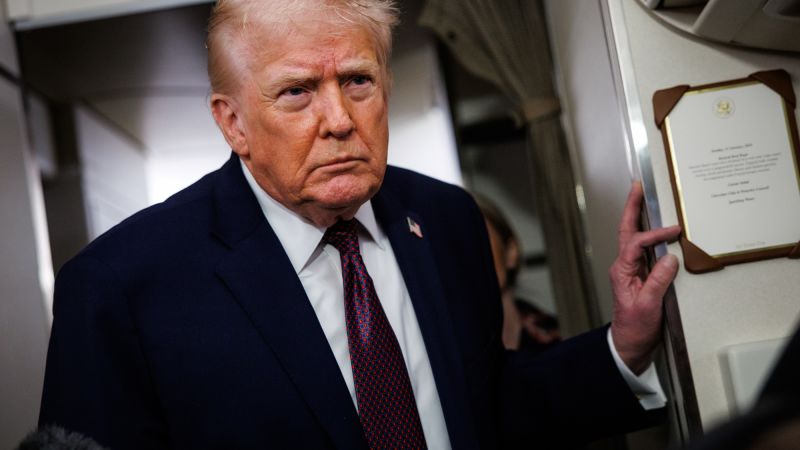
In a recent high-profile interaction, former President Donald Trump emphasized the role of Venezuelan opposition leader María Corina Machado while sharing insights on why he refrained from endorsing her as a potential leader following the anticipated ousting of Nicolás Maduro. This exchange occurred just after their meeting, which was noteworthy for several reasons.
Praise and Caution: Trump’s Observations on Machado
During a media briefing, Trump expressed admiration for Machado, stating he had “a lot of respect” for her. However, he also underscored a significant caveat: Machado’s perceived lack of respect from her countrymen. Trump drew a parallel to historical events in Iraq, warning against the pitfalls of abrupt leadership changes without widespread support from the populace. He remarked, “Well, if you ever remember a place called Iraq where everybody was fired… they ended up being ISIS.” This cautionary statement reflected a broader concern about governance and stability in Venezuela.
A Historical Lens: The Consequences of Leadership Vacuums
Trump’s mention of Iraq serves as a poignant reminder of the complexities surrounding regime change. His emphasis on the importance of retaining experienced leadership in times of transition highlights a fundamental challenge in international relations: the balance between supporting democratic movements and ensuring stability. In Venezuela, where political divisions run deep, the risk of destabilization remains a significant concern.
A Gesture of Affection: The Nobel Peace Prize Medal
In their meeting, Machado presented Trump with her Nobel Peace Prize medal—a gesture that carried symbolic weight. Trump described the interaction positively, noting, “[Machado] gave me her Nobel prize,” which he perceived as a touch of respect and acknowledgment of his administration’s efforts in global diplomacy. This interaction opened a lens into how personal relationships between leaders can impact international relations, overshadowing the political strategies often at play.
The Weight of Awards: Trump’s Thoughts on Recognition
When asked about his feelings towards accepting the Nobel medal, Trump remarked on the idea of his own qualifications for such recognition. He proclaimed, “she said, you know, ‘You’ve ended eight wars, and nobody deserves this prize more than, in history, than you do.’” This statement reveals both Trump’s self-perception and the often contentious nature of such international accolades. It raises questions about how leaders interpret recognition—not just for themselves but also for their allies and advocates in the international landscape.
Implications for U.S.-Venezuela Relations
Trump’s remarks and interactions with Machado suggest a complex relationship between the United States and Venezuela, marked by advocacy for democracy alongside concerns about leadership integrity. As the political situation in Venezuela evolves, the U.S. stance—balancing support for opposition figures like Machado with caution over the implications of regime change—will be critical in shaping the future of both nations.
As political maneuvers continue, the dynamic between these two figures could play a significant role in the broader dialogue about governance, respect, and the intricate web of international relations that underscores the ongoing struggle for democracy in Venezuela.

The Impact of Federal Presence in Minneapolis: A Community Responds
An Unprecedented Show of Force
In the aftermath of the tragic shooting of Renee Nicole Good, the streets of Minneapolis have become a stage for a significant increase in federal officers. Residents are experiencing an overwhelming presence that they describe as overwhelming and invasive. This intensified law enforcement action has not only encroached upon the daily lives of people in the community but has also altered the atmosphere of their neighborhoods starkly.
A Surge of Officers on the Streets
From unmarked cars idling in residential neighborhoods to officers actively conducting door-to-door visits, the visibility of federal agents is palpable. This vigilant surveillance is akin to a surge of military presence in a war zone—striking and unsettling to behold. Community members have reported interactions with these law enforcement officials in stores and various public spaces, including a notable incident at a Target store in Richfield, just south of the city.
The Nature of Law Enforcement Operations
Comparatively, the level of intensity and aggression displayed by federal agents in Minneapolis is strikingly higher than past immigration enforcement actions in other large cities such as Chicago, Los Angeles, and Charlotte. Residents feel that the nature of these operations, particularly at this scale and severity, is unprecedented in their community, leaving them uncertain about their constitutional rights and basic safety.
Social Media and the Sharing of Discontent
Videos circulating on social media tell a harrowing story of the consequences of this increased presence. Residents have documented violent arrests and police interactions, including a particularly troubling incident where a woman was physically dragged from her vehicle. In these chilling recordings, the excessive use of chemical agents and police brutality is not only captured but shared widely, demonstrating the community’s growing unrest and fear.
Voices of Concern and Fear
Amidst these circumstances, residents are speaking out, articulating their feelings of anxiety and distress. One woman, who wished to remain anonymous for fear of retaliation, likened the federal presence to a situation reminiscent of Nazi Germany. As a restaurant owner, she closed her establishment to protect her immigrant employees from potential repercussions. Her poignant statement reflects a broader sentiment among community members: “It feels very much like an invasion.”
Protest and Community Action
The response from residents includes protests against these federal actions. Demonstrations at facilities such as the Whipple federal detention center have become a rallying point for those opposed to the perceived militarization of their city. Many attendees emphasize the urgent need to raise awareness about what they consider violations of human rights. This grassroots activism is gaining traction as more individuals recognize the implications of a thriving police state in their neighborhoods.
Delving Deeper into the Shared Experience
As the situation evolves, the community grapples with profound questions regarding their rights, safety, and the future of local governance. Balancing law enforcement practices within the bounds of civil liberties is challenging, and the emotionally charged environment in Minneapolis stands as a poignant reminder of the rift between authority and the populace. The palpable tension underscores a compelling narrative of resilience in the face of adversity.
Broader Implications on Local Communities
The ongoing situation in Minneapolis raises critical discussions not just about immigration enforcement but also about the relationship between communities and law enforcement agencies. The experiences shared by residents evoke a call for systemic change and reform, urging law enforcement to reconsider its tactics and the impact they have on community trust and cohesion.
For further details and to follow the unfolding story, visit NBC News.
Note
The current atmosphere in Minneapolis serves as a powerful example of how local issues can resonate beyond their immediate environment, prompting national conversations about civil rights, policing, and community relationships. The community remains vigilant, poised for change, and prepared to advocate for their rights amidst an uncertain future.
US News
Live Updates: Death Toll from Iran Protests, Iranian Threats to the U.S., Execution of Erfan Soltani Postponed
The New Era of Misinformation: AI-Generated Videos Amid Iran’s Protests
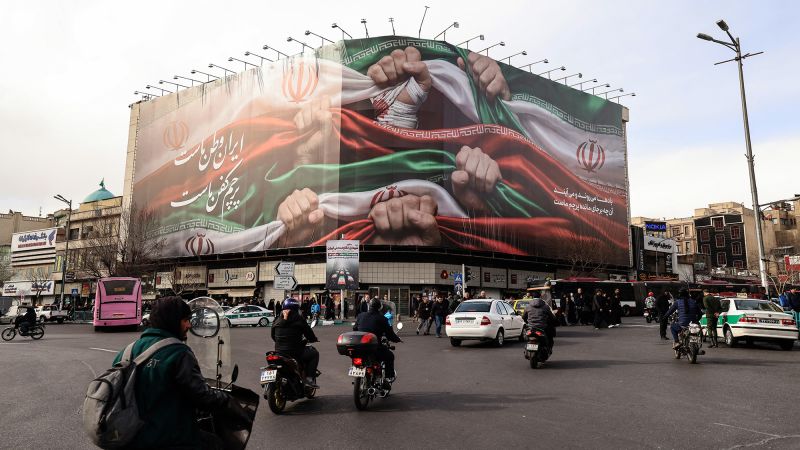
In recent times, the use of artificial intelligence (AI) to generate videos has raised significant concerns regarding the authenticity of information shared online. A disinformation watchdog group in the U.S. has reported that several videos purporting to show protests in Iran have been fabricated using AI, particularly in light of the recent internet blackout in the country. This development not only complicates the verification process for such footage but also poses serious questions about the nature of truth in the digital age.
AI and Misinformation
NewsGuard, the organization that uncovered this disinformation, highlights that it identified at least seven AI-generated videos shared by both pro- and anti-government accounts. These videos, framing the ongoing unrest in Iran, have attracted considerable attention, with some clips garnering as many as 3.5 million views. The ease with which AI can replicate realistic video footage complicates efforts to discern what is real and what is artificially created.
Under Scrutiny: Specific Instances
One particularly notable video showed women protesters smashing a vehicle claimed to belong to the Basij, a volunteer paramilitary group in Iran famed for its role in suppressing demonstrations. This clip received an impressive 719,600 views and 5,700 likes in just a day. However, an analysis using Hive, a detection tool, revealed a 100 percent likelihood that the footage was indeed generated by AI. The video displayed unmistakable signs of manipulation, such as distorted glass shards and misspelled words, raising alarms about its credibility.
The Phenomenon of AI-Generated Content
Another striking example involved videos shared by conservative, anti-regime accounts in the U.S., claiming to show Iranian protesters altering street signs to symbolically rename them after former President Donald Trump. This clip alone managed to achieve 91,000 views and 7,100 likes within 24 hours. Still, NewsGuard’s analysis confirmed with 100 percent certainty that it, too, was created by AI. Such instances not only highlight the power of AI to craft convincing narratives but also point to the potential for widespread misinformation.
The Human Cost of Unrest
As the situation in Iran has escalated, the human toll has been staggering. According to the U.S.-based Human Rights Activists News Agency (HRANA), at least 2,400 demonstrators have lost their lives since protests began in December. The ongoing internet blackout compounds the tragedy, making it exceedingly difficult to confirm accurate death tolls and raising the chilling possibility that the actual number of casualties may be far higher.
The Internet Blackout and Its Implications
The internet monitoring group NetBlocks has confirmed that Iran has been largely cut off from the internet for over a week, following the government-imposed nationwide shutdown. This blackout severely restricts the flow of information and hampers the dissemination of images, videos, and eyewitness accounts. In such an environment, the reliance on trusted sources diminishes, making the population more susceptible to fabricated content.
Communication in a Blackout
Despite the significant communication hurdles posed by the blackout, some news outlets like CNN have managed to connect with individuals on the ground during fleeting moments when landline or mobile calls are possible. These brief communications offer invaluable insights into the actual circumstances faced by those in Iran, illuminating a stark contrast to the potentially misleading narratives generated by AI.
Navigating the New Landscape of Information
The current situation underscores the urgent need for critical media literacy and discerning consumption of information. As AI technology continues to advance, distinguishing between real and fake visual content becomes increasingly challenging. For audiences worldwide, awareness and vigilance have never been more crucial in navigating this complex landscape marked by rapid technological development and political upheaval.
In a time when trust in media and information sources is paramount, understanding the implications of AI-generated content in the context of ongoing crises like those in Iran is essential for informed discourse.

Is a Stock Market Crash Looming in 2026 with President Donald Trump? Insights from 155 Years of History.

US-Iran Tensions: Trump Lacks Clear Path to Victory Amid Tehran’s Challenges | Donald Trump News

WATCH | Beyond ‘Catching Bad Guys’: Jessieville’s Criminal Justice Class Explores the Realities of the Justice System

This Week in Science: ISS Medical Evacuation, Mars Sample Return Cancelled, and Woolly Rhino Flesh Discovered in Permafrost Wolf

Cleveland Browns Update (1/17): A Wealth of Head Coach Candidates

Prince Harry and Meghan Markle Reportedly Feeling Isolated – Celebrity News – Entertainment

WATCH: Trump Praises Iran for Allegedly Halting Hundreds of Executions

Trump News Summary: President Establishes Gaza ‘Board of Peace’ | Trump Administration

Political Journalists Discuss Hochul’s State of the State Address

Donald Trump Set to Reveal Home Buying Initiative Utilizing Retirement Funds

EXCLUSIVE: Will Smith’s Former Best Friend Bilaal Breaks Silence in Explosive Tasha K Interview — Lawsuit, Scientology Allegations, and Claims of an Attempt on His Life

Who Is Really Voting in These Polls? The Shocking Truth Behind America’s Approval Numbers

2026 NFL Coaching Update: John Harbaugh Nearing Deal with Giants; Mike Tomlin Not Expected to Coach Next Season

Blueprint for a “Tax-Free America” That Actually Works

It Took 35 Years for T. rex to Reach Full Maturity

Carbon Industries Group Signs Major Carbon Credit Agreements with Senegalese Government | Currency News | Financial and Business Insights

Four Forecasts for 2026

Top Picks from CES 2026: Editors Select the Best Products and Technologies

Elon Musk’s Return to Politics: Why Not Explore a New Hobby Instead? | Arwa Mahdawi

Wall Street Sees Modest Gains in Unsteady Start to 2026 | News, Sports, Jobs

The Most dramatic cats moments ever! 😂🤣 Funny Cat Videos 2025

Jennette McCurdy shares the stories behind memoir “I’m Glad My Mom Died”

Splash Dogs Take Over The Pool…And We Love It! | Dodo Kids | 1 Hour Of Animal Videos

The Funniest Animal Videos Compilation 😹🐶 Crazy Funny Dogs That Will Make You Laugh Nonstop 🤣

#54 Funniest Cats And Dogs videos 🐶🐱 #funny #animals #cuteanimals

Hilarious Animal Videos to Make You Laugh | Funny Dog & Cat Videos

Super Crazy Pets | FUNNIEST Animals You Have Ever Seen

Funniest Farm Animals

Funny Animal Videos 2023 – Comedy Voiceover! #12😹🐶🤣

Best Of The Funny Animal Videos 😹🐶 Funniest Cat & Dog Moments Ever Recorded 🤣
-
 Entertaiment2 weeks ago
EXCLUSIVE: Will Smith’s Former Best Friend Bilaal Breaks Silence in Explosive Tasha K Interview — Lawsuit, Scientology Allegations, and Claims of an Attempt on His Life
-
 Opinion2 days ago
Who Is Really Voting in These Polls? The Shocking Truth Behind America’s Approval Numbers
-
 Sports2 days ago
2026 NFL Coaching Update: John Harbaugh Nearing Deal with Giants; Mike Tomlin Not Expected to Coach Next Season
-
 Opinion2 days ago
Blueprint for a “Tax-Free America” That Actually Works
-
 Science2 days ago
It Took 35 Years for T. rex to Reach Full Maturity
-
 Finance2 weeks ago
Carbon Industries Group Signs Major Carbon Credit Agreements with Senegalese Government | Currency News | Financial and Business Insights
-
 Finance2 weeks ago
Four Forecasts for 2026
-
 Technology5 days ago
Top Picks from CES 2026: Editors Select the Best Products and Technologies