
US News
January 18, 2026 — Trump Administration Updates: EU Ambassadors Convene for Emergency Meeting on Greenland


Tensions Rising in Minneapolis Amid Federal Law Enforcement Escalation
On January 9, Minneapolis Mayor Jacob Frey expressed his strong opposition to the Trump administration’s recent decision to escalate federal law enforcement presence in the city. The administration informed over 1,500 active-duty soldiers to prepare for possible deployment to Minnesota, a move that sparked significant concern among local officials and residents.
A Response to Intimidation
During an appearance on CNN’s State of the Union, Frey articulated his feelings regarding the situation: “This act was clearly designed to intimidate the people of Minneapolis.” He described the federal actions as “ridiculous” and “completely unconstitutional,” emphasizing the implications of such military deployment in urban areas. Frey’s use of strong language highlights the gravity of the issue and resonates with many who feel their local communities are being threatened by federal overreach.
The Unprecedented Nature of Federal Involvement
“I never thought in a million years that we would be invaded by our own federal government,” Frey continued, reflecting a sense of disbelief and alarm among civic leaders. This unprecedented move raises questions about the role of federal authorities in local governance and the fine line between law enforcement and military presence in civilian spaces.
National Guard Mobilization
In response to the surge in federal actions and ongoing protests surrounding immigration enforcement in Minneapolis, state officials have also activated the National Guard. This dual presence of both state and federal forces sets the stage for potential confrontations that many local leaders deem unacceptable. Frey expressed his concerns explicitly, stating, “We can’t have that in America,” underlining the fear of divisiveness and conflict in the community.
Longing for Calm
Frey’s vision for Minneapolis aims for peace and normalcy. He firmly believes that calm can be restored only once federal ICE agents withdraw from the area, allowing citizens to return to their daily lives without the stress of heightened enforcement actions. This sentiment is echoed by many residents who yearn for stability amid a tense atmosphere.
Political Backlash from the White House
In a stark rebuttal to Frey’s statements, the White House Rapid Response account tweeted that the Trump administration “is not going to surrender to the Radical Left,” framing the situation as part of a larger battle against crime and what they describe as “rampant fraud” in the city. Such strong rhetoric from the administration illustrates the deepening political divide—one where local governance and federal authority collide dramatically.
Investigations Looming
Adding another layer to this already tense situation, the Department of Justice is reportedly investigating Frey and Minnesota Governor Tim Walz for possible obstruction of federal law enforcement. Sources familiar with the investigation suggest a growing scrutiny of local leaders’ actions in the wake of escalating federal efforts. Frey publicly stated that he has not received a subpoena or any formal notice regarding the investigation, expressing uncertainty about specific allegations.
Compliance with Federal Demands
When queried about the possibility of receiving a subpoena, Frey reassured the public, stating, “We have done nothing wrong, so of course we will comply.” Yet, he also emphasized the bizarre and alarming nature of the circumstances in which they’re operating. His statements reflect a profound unease about the integrity of local governance in the face of aggressive federal posture.
Through all of this, the atmosphere in Minneapolis remains charged, with residents, officials, and the federal government continuing to grapple with the unfolding events and their implications for the community’s future.

A Diplomatic Tug-of-War: U.S. Tariffs and Greenland’s Territorial Integrity
The recent diplomatic saga surrounding President Donald Trump’s proposed acquisition of Greenland has sparked significant upheaval in U.S.-Europe relations, especially as Treasury Secretary Scott Bessent defended tariff measures against selected European nations. The intention is to counteract what many perceive as a push for territorial expansion grounded in a sense of American entitlement, raising eyebrows and ire alike internationally.
The Tariff Standoff
In a recent interview on NBC News’ “Meet the Press,” Bessent articulated that the proposed tariffs are a preventive strategy aimed at avoiding future “national emergencies.” The tariffs target Denmark and seven other European nations—Norway, Sweden, France, Germany, the United Kingdom, the Netherlands, and Finland—who have voiced opposition to the Greenland acquisition. Initially set at 10%, these tariffs are poised to escalate to 25% if a deal remains unattained by a looming deadline of June 1.
European Reactions
The announcement has precipitated a flurry of political activity across Europe. António Costa, President of the European Council, stated intentions to convene an extraordinary council meeting, signaling that European leaders are uniting in their response to this perceived escalation. Historically, Europe has maintained a delicate relationship with the U.S., viewing NATO as a bastion of security and stability. However, Trump’s tariff move threatens to unravel these long-standing alliances and fuel animosity amongst allies.
Many European leaders are exhibiting signs of fatigue and impatience with the U.S. administration, hesitant to confront Trump directly, yet displaying a newfound unity in defending Denmark against what they deem an unacceptable diplomatic escalation. The reference to “national emergency” by Bessent adds a layer of discomfort and ambiguity, as it literalizes a confrontational approach to negotiations.
Coastal Defiance in Denmark
In Denmark itself, public sentiment resonates with frustration over the U.S. stance. Thousands of Danes took to the streets in a demonstration, chanting “Make America Go Away,” showcasing their discontent with Trump’s territorial ambitions. The grassroots response indicates a palpable defensive posture among the Danish people toward their national sovereignty, which they consider threatened by foreign intervention.
A Broader Geopolitical Context
Trump’s statement about acquiring Greenland is not merely a quirk of international relations but reflects deeper geopolitical concerns. Alongside Greenland, there are indications that Trump is directing attention toward Canada, complaining privately about potential vulnerabilities to U.S. adversaries in the Arctic. This points to a trend in U.S. policy where territorial acquisitions are becoming the focus as global powers scramble for control over valuable resources.
Rare Earth Minerals and Global Competition
Greenland’s strategic importance extends beyond its size or territorial allure; the island is home to significant reserves of rare earth minerals, which are crucial in modern technology and defense systems. As the global race for artificial intelligence and other advanced technologies escalates, these resources are becoming increasingly coveted. However, experts caution that the environmental and logistical challenges posed by mining operations in such a remote region could complicate or even negate the perceived value of these minerals.
Tensions with NATO
The backdrop to these developments cannot be overlooked—it signals a growing confrontation not just between the U.S. and selected European countries but also within NATO itself. Any miscalculation, especially as tariffs disrupt economic ties, risks undoing decades of security architecture in the Atlantic. The ramifications could extend well beyond trade, impacting areas like defense cooperation and collective responses to global crises.
The Fine Line of Diplomacy
Navigating this territorial tug-of-war demands skillful diplomacy. Mixed signals and rapid escalations could alienate allies and destabilize established networks. Thus far, the U.S. administration has tread a fine line between projecting strength and risking overreaching—a precarious balance that could tip at any moment.
The economic ramifications of Trump’s proposed tariffs will not only affect trade relations but will also ripple through diplomatic channels, leading to a reevaluation of partnerships built over several decades. Each country now faces the pressing challenge of balancing national interests while preserving the fragile unity among long-term allies, thereby ensuring that the Atlantic community remains steadfast amid turbulent political currents.
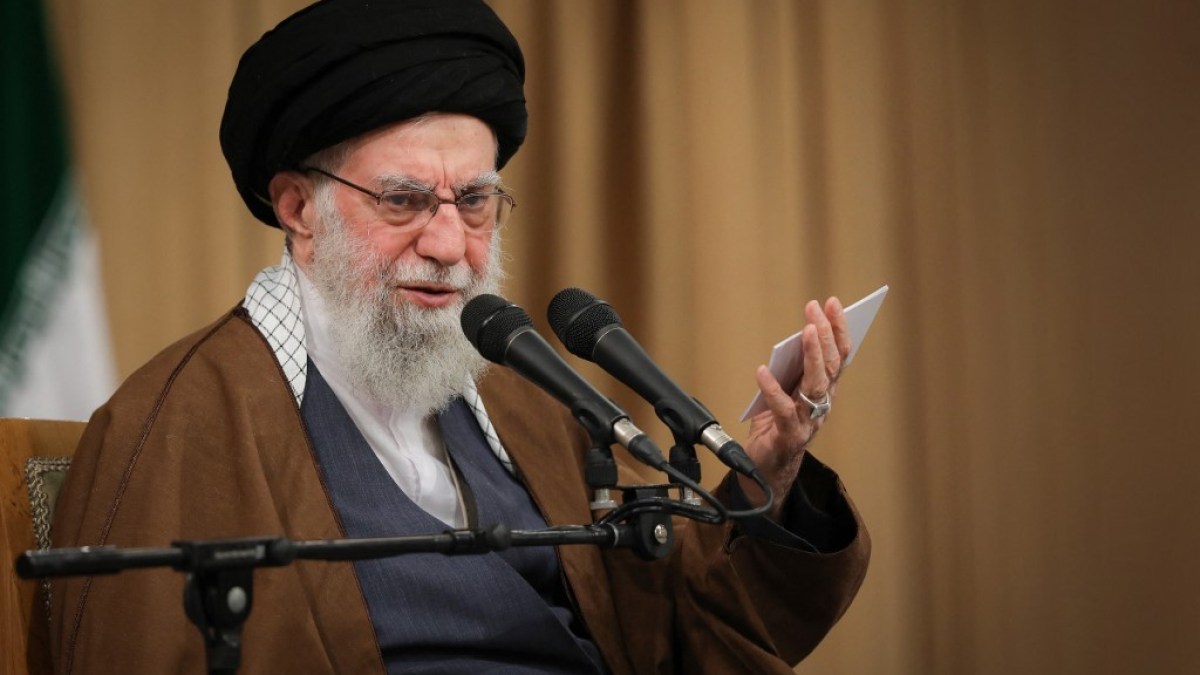
Iran’s Supreme Leader Blames Foreign Powers for Protest Violence
Iran’s political landscape has been tumultuous in recent weeks, with protests sparked by economic hardships escalating into widespread unrest. At the center of this turmoil is Ayatollah Ali Khamenei, Iran’s Supreme Leader, who has made startling claims regarding the cause and impact of these protests. Khamenei has pointed fingers at foreign entities, primarily the United States and Israel, alleging their involvement in the violence that has engulfed the nation.
Allegations of Foreign Involvement
Khamenei has accused the US and Israel of being directly responsible for a significant death toll during these protests, asserting that they “caused massive damages and killed several thousands.” This assertion marks a notable shift in the narrative, as Khamenei has emphasized an unprecedented level of foreign intervention, suggesting that previous unrest saw only minimal US involvement. He claims that President Donald Trump has played a pivotal role in this “international plot” against Iran, highlighting a new dimension in the accusations against foreign powers.
Rising Death Tolls and Claims of Violence
Following Khamenei’s remarks, an anonymous Iranian official disclosed that authorities had confirmed at least 5,000 fatalities as a result of the protests, with about 500 of those being security personnel. This staggering figure reflects the intensity of the clashes, particularly in regions like Iranian Kurdistan, where the combination of ethnic tensions and separatist activism has often led to unrest.
Meanwhile, the Iranian government has consistently attributed the violence to “terrorists and armed rioters,” framing the protests as an externally inspired attack on the nation’s integrity and security. Khamenei accused the demonstrators of widespread destruction, citing the burning of over 250 mosques and medical facilities, thereby illustrating the extent to which the protests have spiraled out of control.
Unverified Casualty Figures
Despite Khamenei’s dramatic claims regarding casualties, the overall death toll remains unverified. Human rights organizations, such as HRANA based in the US, argue that the death toll could be even higher, estimating approximately 3,000 additional fatalities connected to the unrest. Up until now, Iranian officials had publicly recognized only hundreds of deaths, including some among the security forces. Khamenei’s declaration marks a significant departure from the previous discourse surrounding the casualty numbers, suggesting a shift in strategy to portray the protests as a violent insurrection rather than a legitimate expression of public dissent.
Narrative of Initial Peaceful Protests
The protests initially emerged out of frustrations over rising prices and economic struggles, prompting citizens to voice their demands for governmental reform. Khamenei has framed the transition from peaceful protests to violent unrest as a result of external manipulation, arguing that foreign actors equipped, financed, and trained the violent factions that took over the demonstrations. This results in a narrative where, despite acknowledging the economic grievances, the government positions itself as the protector of national stability against foreign interference.
Arrests and Government Response
Adding to the increasing tension, Iranian officials have reported that around 3,000 individuals have been arrested in connection with the protests. This escalating crackdown on dissent has drawn criticism both domestically and internationally, as many see it as a clear violation of human rights and freedoms.
In the aftermath of the protests, the semiofficial Fars News Agency reported a phased restoration of short messaging services (SMS) across the country, following a period of internet disruptions that had stifled communication among demonstrators. This move suggests an attempt by the Iranian government to regain control over information flow and minimize the organization of further protests.
Throughout these events, Khamenei has communicated a resolute stance, warning that while Iran will not escalate its conflicts beyond its borders, those deemed responsible for the unrest will face consequences. His remarks reflect a complex interplay of homegrown discontent and the persistent shadow of international relations in shaping Iran’s sociopolitical landscape.
US News
Protests in Iran Gradually Diminish as Khamenei Accuses Trump of ‘Personally Encouraging’ Unrest
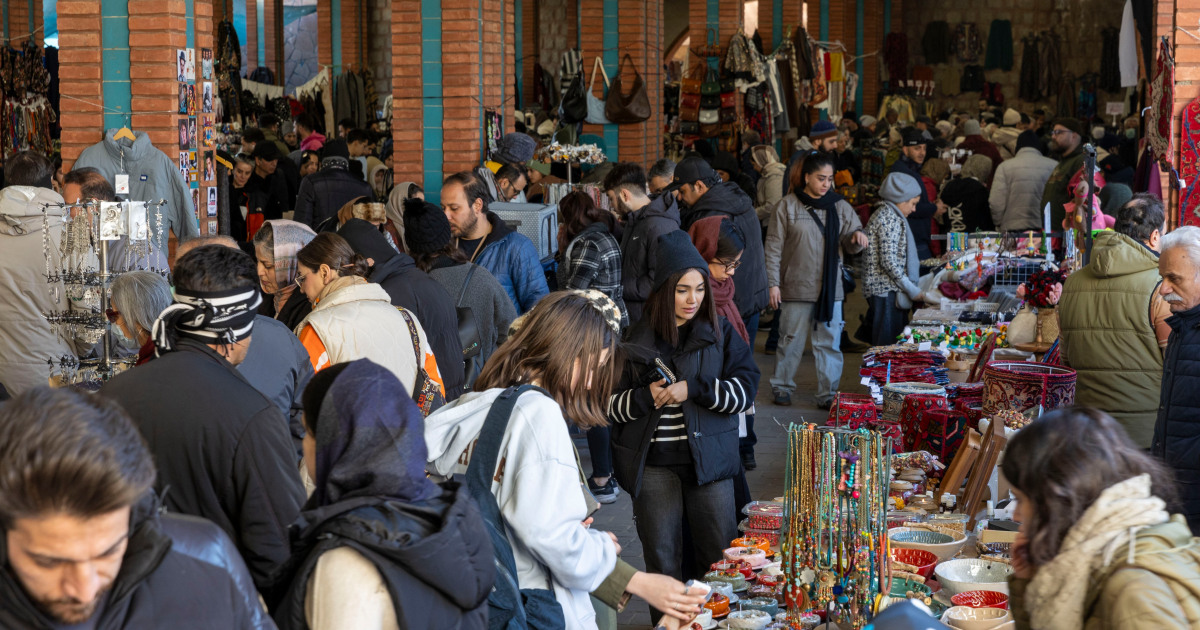
Unfolding Events: Iran’s Protests and Global Reactions
Massive protests have gripped Iran for over two weeks, driven by widespread economic grievances and a demand for political change. Recent developments indicate that these protests, once intense and burgeoning, are beginning to wane. A significant factor in this shift appears to be a change in rhetoric from various political leaders, including former President Donald Trump, who has tempered his previously bold threats of intervention.
Shifting Stances: A Change in Tone
In a surprising pivot, Trump expressed gratitude toward Iran’s leadership for canceling over 800 scheduled hangings of protesters, a statement he shared on his social media platform, Truth Social. This marked a stark shift from his earlier calls for military intervention and his encouragement for Iranians to take over institutions. Just a few days prior, he stated that “help is on its way” for the Iranian protesters, indicating a much more confrontational position.
Detention of Key Agitators
Amidst this tumult, the Iranian judiciary announced that one man, previously believed to be facing execution, would not receive the death penalty. However, such reassurances have been met with skepticism, particularly since the White House has not provided a credible source for claims that 800 individuals had been spared from execution. Iran’s semiofficial Fars news agency confirmed on Saturday that street unrest had largely subsided, citing the detention of key agitators by the security forces.
Khamenei’s Response
Iran’s Supreme Leader, Ayatollah Ali Khamenei, addressed the protests and the international reactions in a public speech, where he condemned Trump’s provocative statements. He described the U.S. president as a criminal responsible for various casualties and damages within Iran. Khamenei proclaimed, “The Iranian nation has defeated America,” asserting that authorities have successfully quelled unrest by arresting key leaders behind the protests.
Acknowledging Casualties
For the first time, Khamenei acknowledged the death toll from the protests, admitting that thousands had been killed, a significant increase from previous reports that cited hundreds. This admission sheds light on the severe consequences of the crackdown, which has reportedly left at least 3,090 individuals dead, according to the Human Rights Activists News Agency.
The Severity of the Crackdown
The response from the Iranian government to the protests has been one of extreme brutality. As noted by Ali Vaez of the International Crisis Group, the viciousness and speed of the government’s actions during this wave of protests are unlike anything previously recorded. It’s crucial to understand that a significant portion of these deaths occurred after the internet was shut down on January 8, isolating the Iranian populace from the outside world.
Economic Grievances and Calls for Leadership Change
The protests initially erupted due to economic discontent, sparked by the crashing rial currency and soaring inflation rates. This economic turmoil has unfurled into one of the greatest challenges the Islamic Republic has faced since its inception 47 years ago. Amid these events, Trump suggested that Iran’s leadership needed a significant overhaul, deeming Khamenei a “sick man” unfit to govern.
The Role of Hard-Line Clerics
Despite some signs of restraint from the judiciary, hard-line voices within Iran continue to call for harsh penalties. Ayatollah Ahmad Khatami, in a Friday prayer sermon, insisted that “terrorists” who participated in protests should be executed publicly, reflecting the continuing divide in views on how to handle dissent.
International Reactions
The international community has responded with concern, amplifying calls for action to prevent further violence against protesters. Amnesty International has urged the U.N. to convene special sessions focusing on human rights violations and to act decisively to stem the killings.
A Fragile Calm
While the current wave of protests shows signs of slowing, analysts remind us that the underlying causes of unrest remain unaddressed. Issues such as economic instability, water shortages, and social restrictions continue to simmer beneath the surface. Sina Azodi, a Middle East expert at George Washington University, commented on the situation’s precariousness: although authorities may have won the immediate battle, the long-term prospects remain uncertain.
Addressing Economic Hardships
In a recent acknowledgment, Khamenei admitted that the economic conditions in Iran are dire and that the government must work harder to alleviate these serious issues. His remarks signal a recognition of the growing gap between the state and its citizens, emphasizing the necessity for effective governance if the regime seeks to maintain stability.

U.S. Lawmakers Conclude Reassurance Trip to Denmark Amid Rising Tensions Over Greenland: NPR

MSV Protocol Unveils Proof-of-Asset Integrity to Enhance Real-World Asset Tokenization Amid Growing RWA Adoption

January 18, 2026 — Trump Administration Updates: EU Ambassadors Convene for Emergency Meeting on Greenland

TPD Detective Presents: Crime Story Insights | News

100,000 GS Mandibular Repositioning Cases: Worldwide Expansion and Increased Production Capacity

Exploring Exocytosis Through the Discovery of a Novel Cellular Nanomachine

Saints Sports Weekly: CSS Women Upset Ranked Bethel Team – Duluth News Tribune

“Oh No, What Have I Done?”: Harriet from The Traitors Reflects on Her ‘Crazy’ Actions

Syria’s President al-Sharaa to Meet SDF Leader Abdi Following Ceasefire Agreement | Politics Update

Understanding Trump’s Focus on Greenland: Key Insights Illustrated in Three Charts

Who Is Really Voting in These Polls? The Shocking Truth Behind America’s Approval Numbers

Blueprint for a “Tax-Free America” That Actually Works

It Took 35 Years for T. rex to Reach Full Maturity

Four Forecasts for 2026

Major Indices Experience Weekly Declines as Treasury Yields Reach Four-Month High

2026 NFL Coaching Update: John Harbaugh Nearing Deal with Giants; Mike Tomlin Not Expected to Coach Next Season

EXCLUSIVE: Will Smith’s Former Best Friend Bilaal Breaks Silence in Explosive Tasha K Interview — Lawsuit, Scientology Allegations, and Claims of an Attempt on His Life

Top Picks from CES 2026: Editors Select the Best Products and Technologies

Elon Musk’s Return to Politics: Why Not Explore a New Hobby Instead? | Arwa Mahdawi

Carbon Industries Group Signs Major Carbon Credit Agreements with Senegalese Government | Currency News | Financial and Business Insights

The Most dramatic cats moments ever! 😂🤣 Funny Cat Videos 2025

Jennette McCurdy shares the stories behind memoir “I’m Glad My Mom Died”

Splash Dogs Take Over The Pool…And We Love It! | Dodo Kids | 1 Hour Of Animal Videos

The Funniest Animal Videos Compilation 😹🐶 Crazy Funny Dogs That Will Make You Laugh Nonstop 🤣

#54 Funniest Cats And Dogs videos 🐶🐱 #funny #animals #cuteanimals

Hilarious Animal Videos to Make You Laugh | Funny Dog & Cat Videos

Super Crazy Pets | FUNNIEST Animals You Have Ever Seen

Funniest Farm Animals

Funny Animal Videos 2023 – Comedy Voiceover! #12😹🐶🤣

Best Of The Funny Animal Videos 😹🐶 Funniest Cat & Dog Moments Ever Recorded 🤣
-
 Opinion4 days ago
Who Is Really Voting in These Polls? The Shocking Truth Behind America’s Approval Numbers
-
 Opinion4 days ago
Blueprint for a “Tax-Free America” That Actually Works
-
 Science4 days ago
It Took 35 Years for T. rex to Reach Full Maturity
-
 Finance3 days ago
Major Indices Experience Weekly Declines as Treasury Yields Reach Four-Month High
-
 Sports4 days ago
2026 NFL Coaching Update: John Harbaugh Nearing Deal with Giants; Mike Tomlin Not Expected to Coach Next Season
-
 Technology7 days ago
Top Picks from CES 2026: Editors Select the Best Products and Technologies
-
 Politics2 weeks ago
Elon Musk’s Return to Politics: Why Not Explore a New Hobby Instead? | Arwa Mahdawi
-
 Finance2 weeks ago
Carbon Industries Group Signs Major Carbon Credit Agreements with Senegalese Government | Currency News | Financial and Business Insights