
Finance
MSV Protocol Unveils Proof-of-Asset Integrity to Enhance Real-World Asset Tokenization Amid Growing RWA Adoption


Unpacking the MetaSoilVerse Protocol: Revolutionizing RWA Tokenization
Introduction: The Evolution of Real-World Assets
As the world of decentralized finance (DeFi) evolves, the tokenization of real-world assets (RWAs) has emerged as a significant trend. However, this burgeoning sector faces challenges, particularly concerning trust and verification. Despite the massive movement of billions of dollars into the digital space, many protocols still depend on outdated methods like static audits. This is where the MetaSoilVerse Protocol steps into the spotlight with an innovative solution aimed at transforming the landscape.
Understanding Proof-of-Asset Integrity (PoAI)
At the heart of the MetaSoilVerse Protocol lies its unique framework known as Proof-of-Asset Integrity (PoAI). This framework is not merely a theoretical concept; it’s designed to provide ongoing verification, enforcement, and transparency for tokenized RWAs. Unlike traditional models that only validate assets at the point of issuance, PoAI offers a continuous checking mechanism, ensuring that assets remain compliant and operational over their lifecycle.
The Imperative for Continuous Verification
The importance of PoAI cannot be overstated in the context of RWA tokenization. As the market matures, it’s no longer sufficient for assets to be verified just at their inception. Institutions and investors require assurance that these assets are consistently backed and maintained over time. The PoAI framework embeds integrity checks directly into the protocol’s architecture, reducing reliance on manual methods and trust-based intermediaries.
Institutional-Grade Infrastructure
The MetaSoilVerse Protocol aims to offer a robust infrastructure tailored for asset issuers, funds, and institutional players. This modular system opens doors to scalable and transparent RWA solutions, featuring:
- Continuous asset verification: Regular checks to confirm the integrity of tokenized RWAs.
- On-chain enforcement: Real-time monitoring of asset performance and compliance.
- Risk management: Aiming to lower both counterparty and operational risks, enhancing overall security.
- Enhanced investor confidence: Providing verifiable data to reassured investors.
By focusing on establishing a resilient foundation rather than merely narrating compelling stories, MetaSoilVerse aspires to solidify institutional trust in RWA adoption within blockchain ecosystems.
The Seed Round: Fueling Future Growth
The successful completion of the seed funding round marks a pivotal moment for MetaSoilVerse. This funding not only enables the company to expand its PoAI primitives but also strengthens existing partnerships while preparing for broader engagement within the ecosystem. Furthermore, MetaSoilVerse has ambitious plans for a Token Generation Event aimed at mid-January, aligning its roadmap with crucial protocol developments.
Engineering Trust in Complex Markets
As the RWA sector transitions into a more sophisticated environment, mere access to capital will not suffice. Emerging protocols must also contend with the intricacies of real-world scenarios, regulatory frameworks, and institutional standards. The mission of the MetaSoilVerse Protocol revolves around building trust at a foundational level. By leveraging PoAI, it facilitates the operations of real-world assets on-chain that are fully transparent, accountable, and durable.
The Future of Real-World Assets: A Vision for Scalability
MetaSoilVerse is not just staking a claim in the rapidly evolving landscape of RWA tokenization; it’s redefining what it means to operate within this space. Through its innovative Proof-of-Asset Integrity framework, the protocol promises to introduce a new era of continuous verification and enforcement. This approach not only bolsters compliance but also lays the groundwork for a scalable, compliant, and trust-minimized RWA market that can thrive globally.
Contact and Further Information
For those interested in learning more about the MetaSoilVerse Protocol and its initiatives, you can reach out to:
Satish Kumar
Email: satishk@metasoilverse.com
Feel free to explore additional resources and check their official channels for updates on developments, partnerships, and participation in this groundbreaking venture that combines the physical and digital realms of finance.
Disclaimer: The information provided in this article is for informational purposes and does not constitute financial or investment advice. Always conduct your own research and consult with a qualified financial advisor before making any investment decisions.
Finance
Trump Unveils Tariffs on European Nations Amid Greenland Purchase Negotiations; Danish PM Declares Europe Won’t Be Intimidated
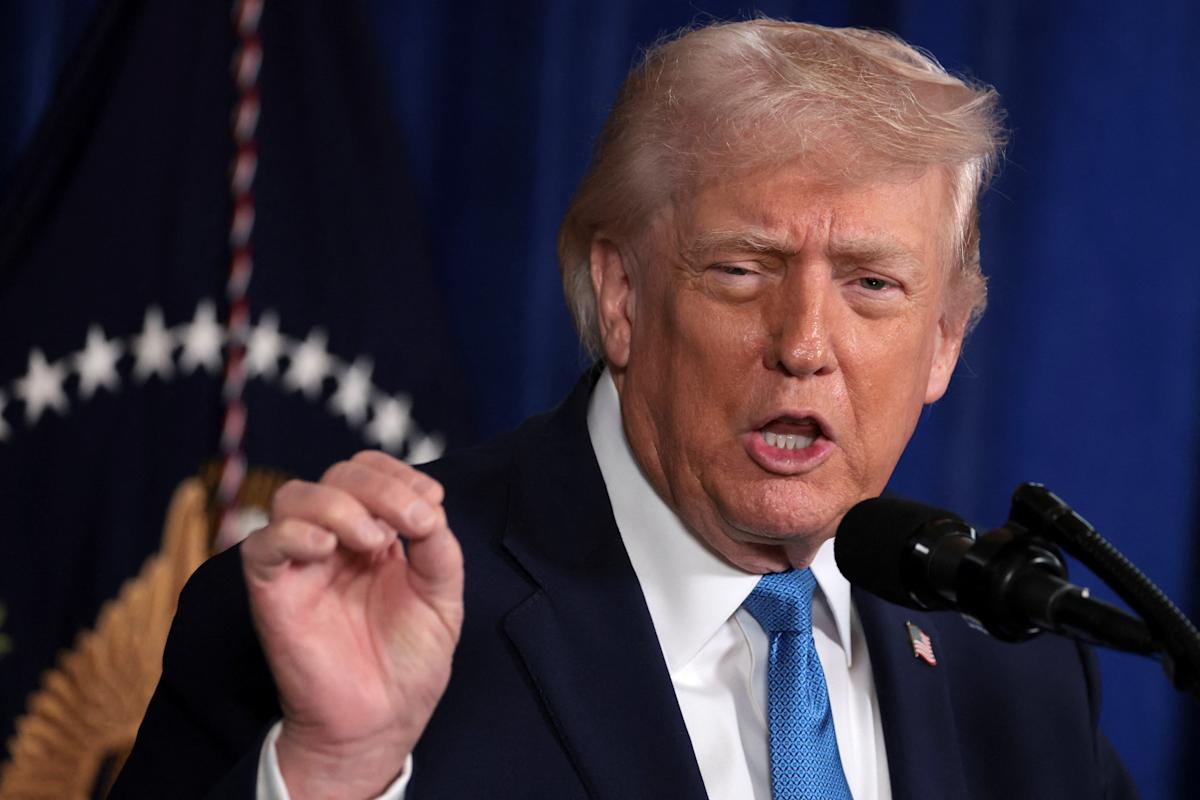
The New Tariff Plan: A Deep Dive into Trump’s Trade Strategy
In a bold move over the weekend, President Donald Trump unveiled his plan to impose new tariffs on eight European countries. He claims these nations are obstructing a potential U.S. purchase of Greenland, a territory considered strategically important by many. The decision has sparked a whirlwind of reactions and discussions, both domestically and internationally.
The Tariff Details
Beginning February 1, the United States will implement a 10% tariff on goods from Denmark, Norway, Sweden, France, Germany, the UK, the Netherlands, and Finland. This initial levy is stated as a tactical maneuver, but if an agreement on Greenland isn’t reached by June 1, tariffs will catapult to 25%. Such a drastic increase highlights the urgency Trump places on resolving the Greenland situation.
A Controversial Justification
President Trump articulated his stance in a social media post, suggesting that global powers like China and Russia have their eyes on Greenland. With characteristic bravado, he asserted that only the U.S. has the capability to navigate the geopolitical terrain effectively. “China and Russia want Greenland,” he noted, underscoring his perception of American exceptionalism in international relations.
Existing Tariffs and European Reactions
The countries targeted by these new tariffs are already subject to existing tariffs of 10% to 15%. The addition of these new levies raises concerns among European leaders, who quickly labeled the threats as harmful to transatlantic relations. The joint statement from the eight nations emphasized that such moves could spiral into a retaliatory cycle detrimental to both sides.
Danish Prime Minister Mette Frederiksen has been vocal in her response, emphasizing that Europe will not succumb to what she describes as “blackmail.” This sentiment has been echoed by other European leaders, reinforcing the unity among them against unilateral trade measures.
Analyzing Trump’s Negotiating Tactics
U.S. Treasury Secretary Scott Bessent grappled with the implications of Trump’s strategy during an appearance on NBC’s Meet the Press. When queried about whether this aggressive posture could shift, Bessent indicated that the President was unlikely to back down. He asserted that Trump perceives strength as vital to national security, particularly regarding Greenland, which he views as critical for U.S. interests.
Protests Erupt in Greenland and Denmark
The announcement triggered protests in Greenland and Denmark over the weekend. In Nuuk, the capital of Greenland, thousands rallied, waving banners and chanting “Kalaallit Nunaat,” the indigenous name for Greenland. The demonstrators voiced their opposition to what they see as U.S. efforts to commodify their island.
These movements gained momentum after Anders Fogh Rasmussen, the former NATO chief and Danish prime minister, compared Trump’s rhetoric to that of a “gangster.” He criticized the President for using Greenland as a distraction from pressing global issues, particularly the ongoing war in Ukraine.
Legal Challenges and Tariff Origins
As the situation unfolds, the U.S. Supreme Court has yet to make key decisions regarding the legality of Trump’s trade policies, particularly pertaining to the tariffs and duties he has imposed. The Court, which heard arguments in early November, remains skeptical about the legal frameworks used by Trump. His tariffs, invoked under a 1977 law designed for national emergencies, are under scrutiny.
A Complex Diplomatic Landscape
The escalation of tariffs and the ensuing international responses create a complex diplomatic atmosphere. As the U.S. positions itself aggressively on the trade front, the implications for relations with European allies remain uncertain. Discussions are ongoing, with EU member states convening to consider potential countermeasures that could retaliate against the U.S. tariffs.
Navigating Future Negotiations
The landscape of global trade is in a state of flux as nations grapple with the ramifications of Trump’s tariff plan. The unfolding situation highlights the delicate balance between maintaining national interests and fostering cooperative international relationships. Amid growing tensions, the actions taken in the coming weeks will likely set the tone for future U.S.-European relations, shaping the economic and political dynamics of the region for years to come.
As this story continues to evolve, the world watches closely, weighing the costs and benefits of a strategy rooted in economic leverage and nationalistic fervor.
Finance
Cregis to Present Enterprise Digital Finance Solutions at iFX EXPO Dubai 2026 | Currency News | Financial and Business Updates

Exploring the Future of Digital Finance at iFX EXPO Dubai 2026
Introduction: The Pivotal Shift in Digital Finance
As the world witnesses an unprecedented adoption of stablecoins, cross-border payments, and enterprise digital asset management, the landscape of digital finance is evolving swiftly. The upcoming iFX EXPO Dubai 2026 sets the stage for critical discussions on these themes, as industry leaders gather to address both opportunities and challenges. This year, Cregis, an innovative enterprise blockchain infrastructure provider, will be at the forefront, showcasing how their technologies can transform global transactions and fund management.
The Rise of Globalized Transactions
In today’s interconnected world, enterprises face significant challenges in managing finances across borders. Traditional financial systems often involve legacy architectures that isolate fiat, digital assets, and payment platforms, creating inefficiencies and increased operational costs. This fragmented approach to fund management poses various risks and complicates compliance with regulatory frameworks.
The iFX EXPO Dubai 2026 agenda mirrors this transformative journey, emphasizing the shift from conceptual discussions on payments and stablecoins to real-world applications and scalability. Industry participants are increasingly focused on enabling swift, secure, and transparent fund flows, underscoring the necessity of digital transformation in corporate finance. Institutions are required to not only secure their assets but also ensure they are efficiently managed, auditable, and compliant with regulations.
Cregis: Pioneering Stablecoin Infrastructure
Cregis stands out as a leader in the development of stablecoin infrastructure tailored for enterprise needs. Their innovative Payment Engine provides multi-chain, multi-currency solutions that cater to a variety of operational requirements, such as cross-border trade, payroll, and merchant collections. The focus is on offering low-cost, high-efficiency transactions with traceability and real-time compliance monitoring.
This robust engine does more than merely facilitate transactions. It acts as a strategic enabler for enterprises seeking to establish stable and secure fund flows in a digital economy increasingly defined by rapid technological advancements. By converting complex on-chain asset management challenges into standardized solutions, Cregis aims to streamline processes for institutions navigating their digital finance journeys.
Regulatory Frameworks and Compliance Innovations
The regulatory landscape in the Middle East, particularly in the UAE, is evolving, providing a framework that supports innovation while ensuring compliance. The newly established regulatory bodies, such as the Virtual Assets Regulatory Authority (VARA), are paving the way for enterprises to explore stablecoin and digital asset innovations with confidence.
The discussions at iFX EXPO Dubai 2026 will emphasize regulatory best practices and compliance strategies, offering attendees valuable insights into market risks and emerging opportunities. As enterprises look for ways to integrate digital assets into their operations safely, understanding these regulatory dynamics becomes crucial. The event aims to spotlight enterprise-level asset management applications, attracting attention from exchanges, fintech firms, and institutional investors eager to participate in this growing space.
Transitioning from Trend to Implementation
The financial industry is at a tipping point, shifting from mere exploration to building sustainable digital infrastructure. At iFX EXPO Dubai, Cregis will showcase its Payment Engine through live demonstrations and interactive sessions. Attendees will have the opportunity to gain hands-on insights into how this engine supports cross-border transactions and the efficient management of enterprise funds.
The growing prominence of enterprise digital assets and stablecoins underscores the importance of infrastructure security, control, and compliance. As firms begin to rely more heavily on these technologies for critical processes, operational resilience will hinge on having the right tools and systems in place.
Cregis: A TrustedPartner in Digital Asset Management
With over 3,500 businesses served globally, Cregis is dedicated to empowering enterprises to embrace their Web3 transformations. Their offerings—ranging from MPC-based self-custody wallets to Wallet-as-a-Service—are designed to help exchanges, fintech platforms, and Web3 businesses manage digital assets with confidence.
As we approach iFX EXPO Dubai 2026, the integration and management of digital assets will clearly play an integral role in the future of finance. With innovative solutions and a commitment to compliance, Cregis is poised to help institutions navigate this exciting landscape and unlock the full potential of digital currencies.
Contact Information for Continued Engagement
For more information and inquiries, businesses can reach out to Cregis at:
Cregis Marketing
Cregis Technology Ltd
Email: marketing@cregis.io
This pivotal moment in digital finance, characterized by innovation, collaboration, and regulation, is one that all stakeholders should actively engage with and understand as we advance into the future.

Newrez, a leading mortgage lender and servicer, announced plans to begin recognizing cryptocurrency assets for mortgage qualification in February 2026. This marks a significant integration of digital finance into the traditional housing market.
Sponsored
Newrez Targets Gen Z with Crypto-Inclusive Mortgage Products
The initiative will allow borrowers to use holdings in Bitcoin, Ethereum, USD-pegged stablecoins, and spot crypto exchange-traded funds to verify assets. Those holdings may also be used to estimate income for mortgage loan applications.
This program is exclusive to Newrez’s Smart Series product suite, which offers non-qualified mortgage loans tailored for borrowers who fall outside standard government-backed lending guidelines. The move reflects a growing recognition that the financial landscape is evolving, particularly among younger generations.
Newrez President Baron Silverstein noted that this shift is essential as the crypto industry becomes intertwined with traditional finance. The lender cited internal data showing that about 45% of Gen Z and Millennial investors own cryptocurrencies, describing this demographic as a core group of first-time homebuyers.
Historically, lenders have required those looking to utilize digital assets in mortgage applications to liquidate their holdings, often resulting in taxable events and pushing many potential buyers out of the market. This new policy aims to alleviate those barriers.
“We believe that now is the right time to prudently integrate eligible crypto assets into modern mortgage lending—enabling consumers to preserve investments while accessing innovative financing solutions,” Silverstein explained.
Sponsored
Newrez Sidesteps DeFi, Mandates Regulated Exchange Holdings
Under the new policy, borrowers can qualify for mortgages without needing to sell their assets. Newrez will apply market-adjusted valuations to account for the inherent volatility of cryptocurrency prices. This approach aims to create a more stable, fair environment for borrowers while acknowledging the fluctuations in the crypto market.
“Our mission at Newrez is to do everything possible to make home happen and this innovation marks yet another step in creating new pathways to homeownership, giving consumers flexibility and control,” said Leslie Gillin, Newrez Chief Commercial Officer.
However, the program is not without its own set of restrictions. Newrez has implemented strict guidelines to safeguard both the lender and the borrower. Although crypto can be used for underwriting ratios, all down payments and closing costs must still be paid in US dollars. This requirement aims to stabilize the transaction between the volatile crypto market and the real estate sector.
Furthermore, all eligible cryptocurrency assets must be held by U.S.-regulated entities, such as compliant exchanges, retail fintech applications, or SEC- or FINRA-regulated brokerages. This stipulation effectively excludes assets held in self-custody wallets or decentralized finance (DeFi) protocols, aiming to minimize risks associated with unregulated assets.
This announcement comes in the wake of broader regulatory shifts within the financial landscape. In June 2025, the Federal Housing Finance Agency issued a directive urging consideration of cryptocurrencies in mortgage risk modeling. This push required Fannie Mae and Freddie Mac to explore proposals for incorporating digital assets into their loan risk assessments, signaling a potential shift in how the housing market views and integrates digital currencies.
Moreover, this directive is part of the Trump administration’s broader overhaul of U.S. financial policy, indicating a willingness among federal regulators to engage more positively with the cryptocurrency sector. The evolving relationship between traditional finance and digital assets suggests a future where homeownership may become more accessible, particularly for a generation comfortable with technology and innovative financial solutions.

U.S. Lawmakers Conclude Reassurance Trip to Denmark Amid Rising Tensions Over Greenland: NPR

MSV Protocol Unveils Proof-of-Asset Integrity to Enhance Real-World Asset Tokenization Amid Growing RWA Adoption

January 18, 2026 — Trump Administration Updates: EU Ambassadors Convene for Emergency Meeting on Greenland

TPD Detective Presents: Crime Story Insights | News

100,000 GS Mandibular Repositioning Cases: Worldwide Expansion and Increased Production Capacity

Exploring Exocytosis Through the Discovery of a Novel Cellular Nanomachine

Saints Sports Weekly: CSS Women Upset Ranked Bethel Team – Duluth News Tribune

“Oh No, What Have I Done?”: Harriet from The Traitors Reflects on Her ‘Crazy’ Actions

Syria’s President al-Sharaa to Meet SDF Leader Abdi Following Ceasefire Agreement | Politics Update

Understanding Trump’s Focus on Greenland: Key Insights Illustrated in Three Charts

Who Is Really Voting in These Polls? The Shocking Truth Behind America’s Approval Numbers

Blueprint for a “Tax-Free America” That Actually Works

Four Forecasts for 2026

It Took 35 Years for T. rex to Reach Full Maturity

Major Indices Experience Weekly Declines as Treasury Yields Reach Four-Month High

2026 NFL Coaching Update: John Harbaugh Nearing Deal with Giants; Mike Tomlin Not Expected to Coach Next Season

EXCLUSIVE: Will Smith’s Former Best Friend Bilaal Breaks Silence in Explosive Tasha K Interview — Lawsuit, Scientology Allegations, and Claims of an Attempt on His Life

Top Picks from CES 2026: Editors Select the Best Products and Technologies

Carbon Industries Group Signs Major Carbon Credit Agreements with Senegalese Government | Currency News | Financial and Business Insights

Elon Musk’s Return to Politics: Why Not Explore a New Hobby Instead? | Arwa Mahdawi

The Most dramatic cats moments ever! 😂🤣 Funny Cat Videos 2025

Jennette McCurdy shares the stories behind memoir “I’m Glad My Mom Died”

Splash Dogs Take Over The Pool…And We Love It! | Dodo Kids | 1 Hour Of Animal Videos

The Funniest Animal Videos Compilation 😹🐶 Crazy Funny Dogs That Will Make You Laugh Nonstop 🤣

#54 Funniest Cats And Dogs videos 🐶🐱 #funny #animals #cuteanimals

Hilarious Animal Videos to Make You Laugh | Funny Dog & Cat Videos

Super Crazy Pets | FUNNIEST Animals You Have Ever Seen

Funniest Farm Animals

Funny Animal Videos 2023 – Comedy Voiceover! #12😹🐶🤣

Best Of The Funny Animal Videos 😹🐶 Funniest Cat & Dog Moments Ever Recorded 🤣
-
 Opinion4 days ago
Who Is Really Voting in These Polls? The Shocking Truth Behind America’s Approval Numbers
-
 Opinion4 days ago
Blueprint for a “Tax-Free America” That Actually Works
-
 Science4 days ago
It Took 35 Years for T. rex to Reach Full Maturity
-
 Finance3 days ago
Major Indices Experience Weekly Declines as Treasury Yields Reach Four-Month High
-
 Sports4 days ago
2026 NFL Coaching Update: John Harbaugh Nearing Deal with Giants; Mike Tomlin Not Expected to Coach Next Season
-
 Technology7 days ago
Top Picks from CES 2026: Editors Select the Best Products and Technologies
-
 Finance2 weeks ago
Carbon Industries Group Signs Major Carbon Credit Agreements with Senegalese Government | Currency News | Financial and Business Insights
-
 Politics2 weeks ago
Elon Musk’s Return to Politics: Why Not Explore a New Hobby Instead? | Arwa Mahdawi