
Politics
Understanding Trump’s Focus on Greenland: Key Insights Illustrated in Three Charts

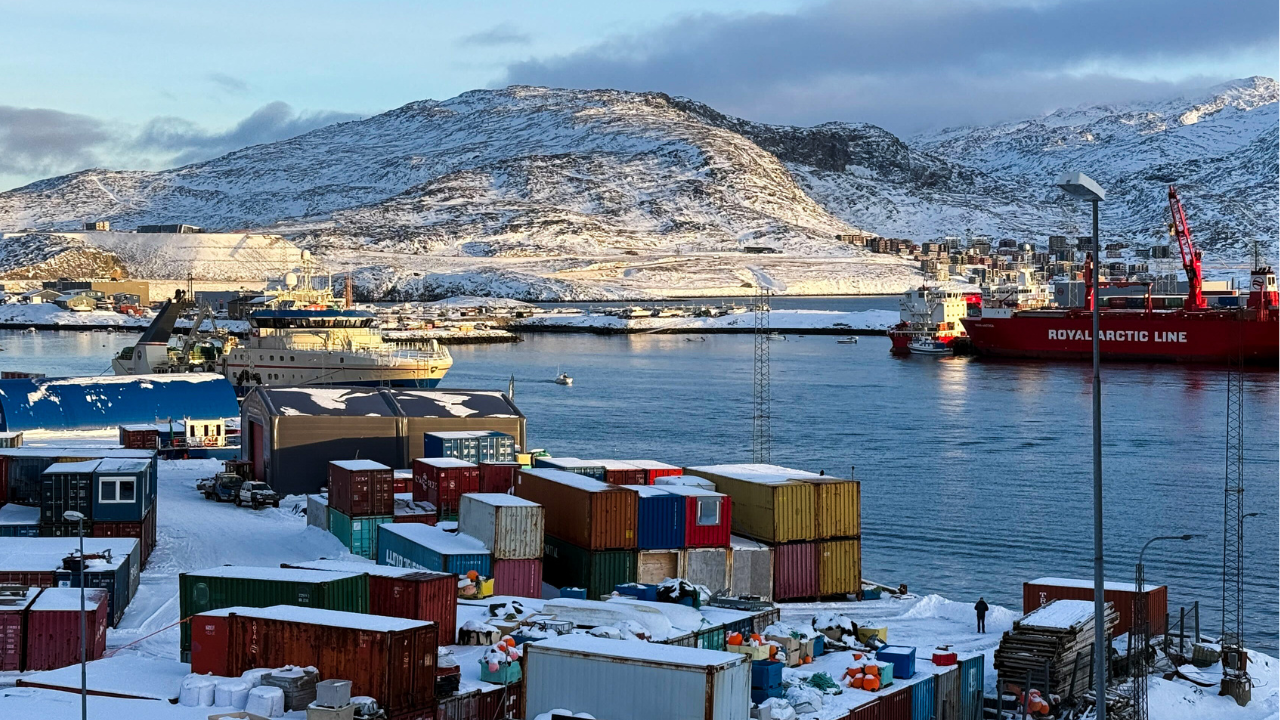
Greenland: A Geopolitical Prize in a Warming World
Greenland, the world’s largest island, typically slips under the radar of international headlines. However, as climate change accelerates ice melt and increasing global interests converge on this icy territory, Greenland is emerging as a strategic focal point. This shift in geopolitical importance, which caught the attention of former President Donald Trump, invites a closer examination of why this semi-autonomous territory of Denmark is drawing so much attention.
The Geopolitical Landscape
Greenland is not just a scenic wonder; it plays a crucial role in global security and military strategy. Home to the U.S. military base at Pituffik, the island’s geographic position is invaluable for Arctic defense planning. Its proximity to North America, coupled with its vast, uninhabited landscapes — with roughly one resident per 1,000 soccer fields — amplifies its strategic significance.
The Arctic is undergoing rapid transformations due to climate change, with melting ice creating new shipping lanes and opening access to previously unreachable natural resources. The U.S. has maintained a presence in Greenland since 1953, emphasizing its military value amid rising tensions and heightened competition among global powers, especially Russia and China.
Military Interests
Russia has established several military facilities in the Arctic region, acknowledging the area’s growing importance. Concurrently, China has positioned itself as a “near-Arctic state,” seeking greater influence and access in the region. The competition is palpable, as nations vie for dominance in this newly accessible frontier.
The strategic military implications of Greenland’s location are immense. Control over the island could afford the U.S. a significant edge in Arctic operations and defense logistics. The nation’s military readiness could hinge on the ability to secure timely access to resources and transportation routes across the melting Arctic.
Economic Considerations
Beyond geographic and military value, Greenland’s melting ice is unlocking economic opportunities. The once-inaccessible waterways are shortening trade routes between continents, potentially transforming global commerce. This economic layer adds complexity to the political calculus; with companies eyeing lucrative shipping paths, Greenland holds the promise of substantial economic gain amid a changing climate.
What’s more, the island harbors vast deposits of critical minerals, including rare earth elements, which are essential for modern technology, renewable energy, and national defense systems. The extraction of these minerals is crucial not only for technological advancement but also for maintaining military superiority.
The Importance of Rare Earth Elements
Rare earth elements — a collection of 17 minerals vital for high-tech applications — have gained increased attention for their role in everything from electronics to defense systems. Used in electric vehicles, renewable energy technologies, and advanced military equipment, these minerals are at the center of modern economies.
The majority of the world’s rare earth deposits can be found in China, the U.S., Russia, and Australia, but China dominates the supply chain, controlling around 60% of global mining operations and over 90% of processing capacity. This dependency has raised alarms in Washington and Brussels, prompting efforts to reduce reliance on Chinese supplies.
Greenland’s potential to emerge as a key player in the rare earths market provides a strategic counterbalance to China’s dominance. As Western nations aim to secure their supply chains, Greenland’s deposits may become increasingly vital in the geopolitical landscape.
The Future of Greenland in Global Affairs
Uncertainty looms over whether any U.S. administration, past or present, can manage to negotiate a deal for Greenland’s acquisition. Nevertheless, the island’s strategic importance is poised to grow amid ongoing climate change, a shifting geopolitical landscape, and the looming competition for resources.
As countries mobilize their interests and strategies in the Arctic, Greenland is a focal point — a land of ice now melting under the weight of geopolitical ambition. Its future may well dictate not only regional dynamics but also the broader realm of international relations. The stakes are undeniably high, and as the ice continues to melt, the global gaze will likely remain fixed on this frigid prize.
Politics
U.S. Lawmakers Conclude Reassurance Trip to Denmark Amid Rising Tensions Over Greenland: NPR

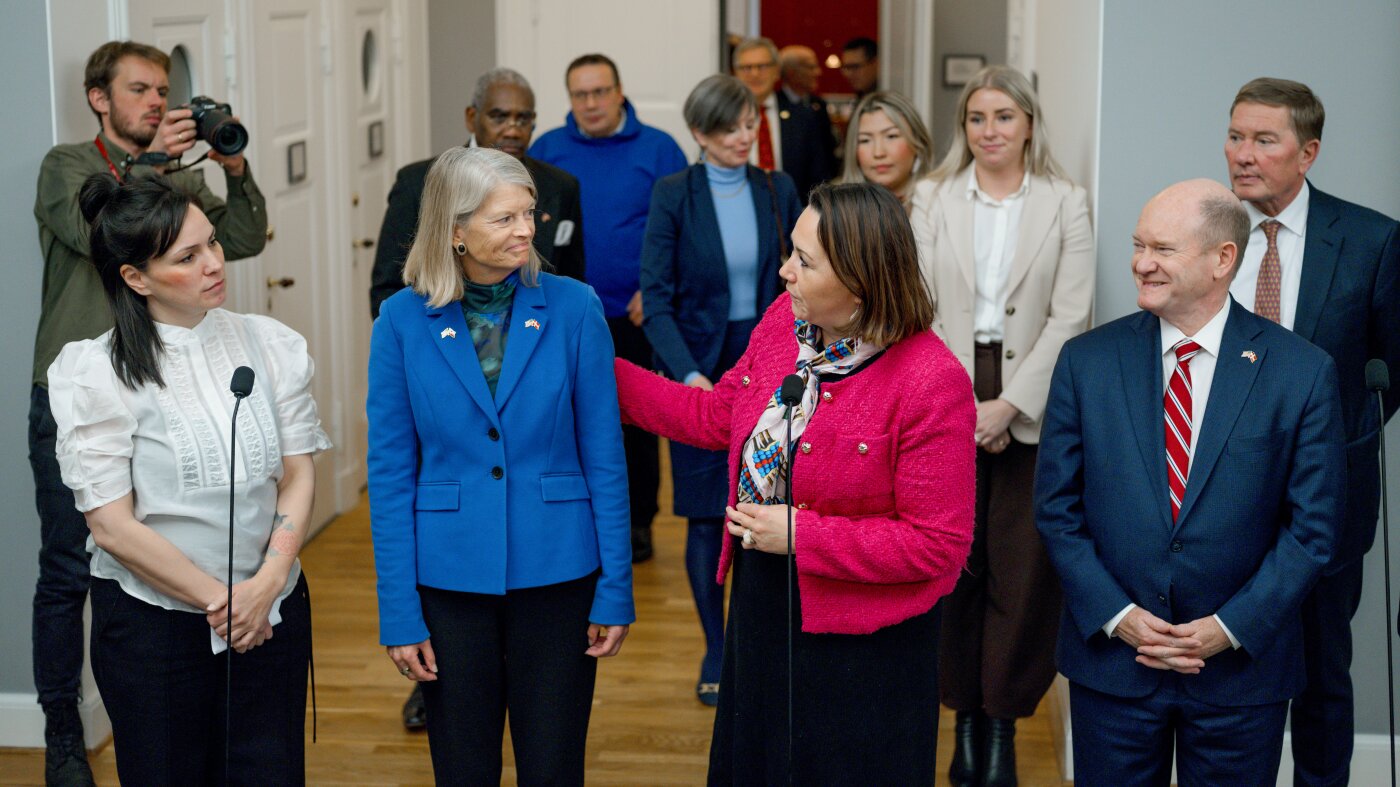
The Greenland Controversy: A Look into Political Tensions
Background
Amid international relations and territorial disputes, one of the most unusual episodes in recent political history involves President Donald Trump’s unexpected interest in acquiring Greenland—a semi-autonomous territory of Denmark. This intense focus began with headlines and social media posts, sparking both congressional debates and stirrings in Danish and Greenlandic politics.
The Aspen of Diplomacy
A bipartisan congressional delegation recently traveled to Denmark to meet with political leaders and strengthen relationships between the U.S. and its Nordic allies. Notably present were Senators Lisa Murkowski and Chris Coons, both of whom emphasized the importance of preserving diplomatic ties amidst rising tensions. The travelers aimed to reassure their counterparts about the U.S.’s commitment to NATO, problematic assertions made by Trump that suggested Greenland should be a U.S. acquisition raised fears of jeopardizing these alliances.
As Senator Coons mentioned, “Greenland is a part of Denmark. Denmark is our NATO ally. That should be the end of this discussion.”
Rising Amidst Declining Support
Trump’s social media announcements escalated tensions by threatening tariffs on Denmark and other European countries. These measures stemmed from reactions to Denmark’s firm stance against the sale of Greenland, which many argue undermines diplomatic relations. North Carolina Senator Thom Tillis publicly called the proposal “beyond stupid,” highlighting a growing discomfort even among Republicans regarding Trump’s approach.
Voices from Greenland
Pipaluk Lynge, a politician from Greenland, described the anxiety felt by her people. She expressed the necessity for face-to-face dialogue rather than social media posts. Her assertion highlighted the sentiment that Greenlanders are concerned about their identity and future under the looming threat of acquisition.
“We are worried,” Lynge said. “But we as politicians have to work on making collaboration. I’m hoping this can be sent to the White House.”
Demonstrators Take to the Streets
As tensions escalated, thousands participated in protests in Copenhagen, waving signs with slogans like “Yankee go home.” The sentiments reflected an overwhelming desire among Danes and Greenlanders to remain autonomous and prevent U.S. encroachment, regardless of Trump’s musings. Participants argued that if the U.S. required a greater Arctic presence, more collaborative dialogue could have sufficed.
Historical Context and Consequences
Another layer of complexity arises when considering Denmark’s historical sacrifices. Senator Jeanne Shaheen stated that the relationship forged during alliances in both World Wars and other military engagements should not be disregarded. Trump’s propositions have raised fears that not only would these discussions provoke hard feelings among allies, but they could also provide strategic advantages to adversaries like Russia and China.
The Business Angle
During the delegation’s trip, members engaged with the local business community to assess the broader economic implications of U.S. diplomatic relations. Polarization and the unpredictability of U.S. politics pose challenges to foreign investments—a concern expressed by Delaware Rep. Sarah McBride. She noted the urgency with which local stakeholders approach the matter, emphasizing that discontent should not be dismissed as mere political theater.
A Lesson in Crisis Diplomacy
Lawmakers on this trip modeled a form of crisis diplomacy, stepping beyond parochial interests to engage with international leaders. They laid a wreath at a memorial to honor Danish soldiers who’ve participated in international missions, underscoring the weight of shared history between the allies.
The Bigger Picture
In summation, while President Trump’s fixation on Greenland may seem quaint to some, the implications reverberate across international alliances, economic policies, and cultural identities. The ongoing debates and protests reveal a populace deeply engaged in shaping their own future, striving for respectful and dignified interactions, while teetering under the pressure of geopolitical ambitions.
Politics
Syria’s President al-Sharaa to Meet SDF Leader Abdi Following Ceasefire Agreement | Politics Update

Ceasefire Consolidation in Syria: A Turning Point for the SDF and Government Forces
Syria finds itself at a pivotal moment as President Ahmed al-Sharaa prepares to meet with Mazloum Abdi, the head of the Syrian Democratic Forces (SDF), to solidify a ceasefire agreement. This follows days of intense conflict that saw government and allied tribal forces advance through the northern regions, from Aleppo to Raqqa, reclaiming significant territories.
Recent Escalation and Ceasefire Acceptance
The meeting, which was delayed from Sunday due to adverse weather conditions, comes on the heels of a dramatic escalation. Syrian government forces managed to retake large portions of northeastern territory, compelling the SDF to agree to a truce. This agreement is understood to transition the SDF’s Kurdish civilian and military administration under the control of the Syrian central government.
Abdi, known also as Mazloum Kobani, publicly accepted the ceasefire during a televised address, asserting that the conflict had been thrust upon the SDF by various external actors. He indicated plans to elaborate on the terms of the agreement further upon his return from Damascus.
Public Sentiment and Reaction
Reports from the capital, Damascus, indicate a wave of public jubilation following the ceasefire announcement. Celebrations erupted in the streets with fireworks ringing out, horns honking, and people dancing—reflecting a mixture of relief and cautious optimism after weeks of deadly confrontations. Yet, underlying skepticism remains; citizens voice concerns about the durability of the ceasefire in a country still grappling with the long shadows cast by nearly 14 years of civil war.
This cautious optimism is accompanied by pressing worries over economic hardships. With around 90 percent of the populace living below the poverty line, many Syrians hope that with renewed stability, focus could shift toward recovery and rebuilding.
Leadership and Strategic Withdrawal
In a bid to avert further bloodshed, Abdi outlined that the SDF’s planned withdrawal from Deir Az Zor and Raqqa back to Hasakah is aimed at preventing a deeper civil conflict. Acknowledging that their forces have incurred significant losses, he stressed a commitment to safeguarding any gains made thus far.
Moreover, SDF commanders, including Sipan Hamo, have emphasized that they do not seek separation from Syria but welcome international guarantees for their security. Hamo has clarified that their collaboration with the U.S. remains crucial for ensuring the interests of Syria’s Kurdish population, while also distancing themselves from Iranian and Russian support, expressing hope for possible Israeli involvement that favors the Kurds.
The Integration of SDF into State Institutions
The Syrian presidency has positioned the ceasefire as a critical step toward the integration of SDF fighters into national military structures. This development is seen as ensuring the deployment of government authorities across Raqqa, Deir Az Zor, and Hasakah.
Al-Sharaa has articulated the expectation that tribal forces will cooperate in implementing the agreement, indicating a strategic pivot in governance as areas long under SDF control are reintegrated into Syria’s administrative framework.
Military Operations Transitioning to Civilian Governance
As the ceasefire is put into action, analysts like Zein Basravi recognize that crucial decisions lie ahead in terms of governance in these newly regained areas. The focus is expected to shift from military dominance to ensuring the protection and rights of minority groups who might feel vulnerable in the new power dynamics.
This transformation will require a concerted effort to convert military authority into civilian governance, integrating economic frameworks that align these regions with the broader Syrian economy.
Economic Implications of Resource Control
Geopolitical analysts are noting the significance of Syria regaining control over vital oil and gas resources, which could reshape both the ceasefire dynamics and the government’s political leverage. While these resources could generate much-needed revenue, the immediate challenge lies in securing and rehabilitating the infrastructure.
Experts caution that while Damascus may be poised to benefit economically, the successful integration of SDF fighters poses a significant risk to the stability of this newfound peace. Notably, many SDF fighters are not only Kurdish, and the complexities of their backgrounds could complicate full integration into state forces.
Challenges Ahead: Tribal Politics and the International Landscape
Amid the shifting political landscape, the complexities of tribal allegiances in Syria cannot be understated. As the government assumes control over regions that were formerly under SDF dominance, it must navigate intricate tribal politics to maintain stability and prevent unrest.
In discussions with international representatives, including U.S. special envoy Tom Barrack, the Syrian government has indicated a desire to foster dialogue toward a unified national framework. The ongoing U.S. military presence in northern Syria further underscores the multilayered challenges associated with a potential resurgence of ISIS, necessitating careful management by the newly empowered Syrian state.
Concluding Note on Recent Developments
In the ever-evolving dynamics of the Syrian conflict, the recent moves toward a ceasefire represent a critical juncture. The broader implications of these decisions will be essential to monitor as stakeholders navigate the path toward potential reconstruction and healing in a nation deeply scarred by years of military strife.

Honoring Martin Luther King Jr.: A Call for Reflection and Action
A Moment of Reflection
As the holiday honoring Martin Luther King Jr. arrives, it brings with it a sense of “saving grace,” according to the Rev. Bernice King, Rev. King’s daughter. In an interview with the Associated Press, she emphasized the importance of this day in the context of our current political climate, describing it as a moment that infuses “sanity and morality” amid confusion and division.
The Relevance of King’s Legacy Today
In reflecting on her father’s message, Bernice King pointed out that Dr. King stood for hope and the ability to challenge injustice. She noted that the ongoing political dynamics are reminiscent of the “three evils” he identified in a 1967 speech: poverty, racism, and militarism. These issues are still pressing today, amplified under recent administrations.
Addressing Current Challenges
The current political landscape, marked by efforts to roll back diversity, equity, and inclusion initiatives, highlights ongoing struggles against systemic injustice. Bernice King cited actions such as removing critical historical narratives from government websites and the increasing violence in immigration enforcement as manifestations of the broader issues her father fought against.
White House spokesperson Davis Ingle responded, asserting that the administration aims to prioritize the American people through its policies, including those affecting diversity initiatives and immigration enforcement.
The Importance of Civil Rights
Maya Wiley, president of the Leadership Conference on Civil and Human Rights, echoed Bernice King’s sentiments, suggesting that King’s messages resonate even more strongly today. She noted that there’s a distinct threat to the foundational tenets of civil rights, with current policies threatening to dismantle progress made over generations.
Reflecting on King’s wisdom regarding peace, Wiley highlighted the detrimental effects of militarism and its distraction from addressing domestic needs.
Bernice King’s Vision for Nonviolence
Bernice King expressed uncertainty about how her father might perceive today’s America but affirmed that his teachings remain timeless. She advocates for embracing nonviolence not only within activist circles but also within the ranks of law enforcement and immigration agents. In aligning with this ideal, the King Center plans to redevelop educational programming aimed at fostering understanding and respect between law enforcement and the communities they serve.
Progress Amidst Adversity
Despite the challenges, Bernice King is optimistic about the progress society has made. She believes the civil rights movement has increased compassion in mainstream politics and highlighted that diversifying society is beyond reversal. “You can’t put that back in a box,” she remarked.
Encouraging Personal Reflection and Community Service
In this pivotal moment, Bernice King emphasized the importance of personal reflection. She urged individuals to focus not solely on the broader issues at hand but also on their own actions and contributions. Observing the holiday through community service is a means of fostering connection and empathy, she argued, and such engagement can extend beyond the day itself.
A Continued Commitment to Justice
Bernice King’s approach invites all to take this time as a checkpoint, a moment to measure individual and collective efforts to drive society toward greater justice, equity, and peace. Encouraging an active commitment to her father’s teachings, she reminds us that the work doesn’t end with the holiday but continues throughout the year.
Reflecting on the legacy of Dr. Martin Luther King Jr. in the current context serves as a powerful reminder of the ongoing struggle against injustice. Through reflection and action, we can honor his contributions and strive for a more compassionate and just society.

U.S. Lawmakers Conclude Reassurance Trip to Denmark Amid Rising Tensions Over Greenland: NPR

MSV Protocol Unveils Proof-of-Asset Integrity to Enhance Real-World Asset Tokenization Amid Growing RWA Adoption

January 18, 2026 — Trump Administration Updates: EU Ambassadors Convene for Emergency Meeting on Greenland

TPD Detective Presents: Crime Story Insights | News

100,000 GS Mandibular Repositioning Cases: Worldwide Expansion and Increased Production Capacity

Exploring Exocytosis Through the Discovery of a Novel Cellular Nanomachine

Saints Sports Weekly: CSS Women Upset Ranked Bethel Team – Duluth News Tribune

“Oh No, What Have I Done?”: Harriet from The Traitors Reflects on Her ‘Crazy’ Actions

Syria’s President al-Sharaa to Meet SDF Leader Abdi Following Ceasefire Agreement | Politics Update

Understanding Trump’s Focus on Greenland: Key Insights Illustrated in Three Charts

Who Is Really Voting in These Polls? The Shocking Truth Behind America’s Approval Numbers

Blueprint for a “Tax-Free America” That Actually Works

Four Forecasts for 2026

It Took 35 Years for T. rex to Reach Full Maturity

Major Indices Experience Weekly Declines as Treasury Yields Reach Four-Month High

2026 NFL Coaching Update: John Harbaugh Nearing Deal with Giants; Mike Tomlin Not Expected to Coach Next Season

EXCLUSIVE: Will Smith’s Former Best Friend Bilaal Breaks Silence in Explosive Tasha K Interview — Lawsuit, Scientology Allegations, and Claims of an Attempt on His Life

Top Picks from CES 2026: Editors Select the Best Products and Technologies

Carbon Industries Group Signs Major Carbon Credit Agreements with Senegalese Government | Currency News | Financial and Business Insights

Elon Musk’s Return to Politics: Why Not Explore a New Hobby Instead? | Arwa Mahdawi

The Most dramatic cats moments ever! 😂🤣 Funny Cat Videos 2025

Jennette McCurdy shares the stories behind memoir “I’m Glad My Mom Died”

Splash Dogs Take Over The Pool…And We Love It! | Dodo Kids | 1 Hour Of Animal Videos

The Funniest Animal Videos Compilation 😹🐶 Crazy Funny Dogs That Will Make You Laugh Nonstop 🤣

#54 Funniest Cats And Dogs videos 🐶🐱 #funny #animals #cuteanimals

Hilarious Animal Videos to Make You Laugh | Funny Dog & Cat Videos

Super Crazy Pets | FUNNIEST Animals You Have Ever Seen

Funniest Farm Animals

Funny Animal Videos 2023 – Comedy Voiceover! #12😹🐶🤣

Best Of The Funny Animal Videos 😹🐶 Funniest Cat & Dog Moments Ever Recorded 🤣
-
 Opinion4 days ago
Who Is Really Voting in These Polls? The Shocking Truth Behind America’s Approval Numbers
-
 Opinion4 days ago
Blueprint for a “Tax-Free America” That Actually Works
-
 Science4 days ago
It Took 35 Years for T. rex to Reach Full Maturity
-
 Finance3 days ago
Major Indices Experience Weekly Declines as Treasury Yields Reach Four-Month High
-
 Sports4 days ago
2026 NFL Coaching Update: John Harbaugh Nearing Deal with Giants; Mike Tomlin Not Expected to Coach Next Season
-
 Technology7 days ago
Top Picks from CES 2026: Editors Select the Best Products and Technologies
-
 Politics2 weeks ago
Elon Musk’s Return to Politics: Why Not Explore a New Hobby Instead? | Arwa Mahdawi
-
 Finance2 weeks ago
Carbon Industries Group Signs Major Carbon Credit Agreements with Senegalese Government | Currency News | Financial and Business Insights