
Technology
AI Revolutionizes Business Processes, but Talent Remains Essential | Technology Gas News


Insights from Davos 2025: The Transformative Power of Artificial Intelligence
The first session at Davos 2025 has sparked significant conversations, centering on the ever-evolving landscape of artificial intelligence (AI). Leaders from various industries gathered to explore not only the implications of AI but also its practical applications and future potential. This year’s discussions have illuminated how AI is reshaping traditional business models and creating novel opportunities.
The Energy Sector’s AI Revolution: Insights from Amin Nasser
Amin Nasser, the President and CEO of Saudi Aramco, provided a compelling perspective on how AI is being integrated into daily operations within the energy sector. He emphasized a transformative system that enables decision-making in seconds. “We created a system where it allows us to increase margin by looking at columns and maximizing the yield out of a column,” he stated. This approach exemplifies the potential of AI in streamlining processes and enhancing efficiency, underscoring its role in the energy industry’s future.
Nasser also highlighted the essential partnership with hyperscalers. By working with these tech giants, Saudi Aramco can adopt advanced models without sacrificing control of its operations. Moreover, he pointed out that tech development isn’t solely about acquiring the latest hardware; the significance of cultivating human talent cannot be overstated. “You cannot scale without scaling the talent,” he asserted, reminding attendees of the importance of nurturing the workforce alongside technological advancements.
Breaking Barriers: Julie Sweet on Data Foundation and Investment
Julie Sweet, CEO of Accenture, took the stage to discuss the transformative impact AI has had on corporate strategies. According to Sweet, AI has prompted a reevaluation of technology investments across the board. She remarked on how the high costs of data management had deterred companies from investing in foundational systems in the past. However, those firms that prioritized their data infrastructure early are now witnessing significant advantages.
Sweet identified a critical challenge many companies face: a lack of discipline in evaluating technological return on investment. She noted that over 90% of the data work businesses need to tackle remains undone. Yet, there’s a clear momentum building as more companies recognize the value of investing in their data capabilities and are prepared to initiate substantial transformations.
The Future of Commerce: Ryan McInerney on Agentic Commerce
Ryan McInerney, CEO of Visa, introduced an exciting discussion around the concept of agentic commerce—where autonomous AI agents enhance consumer experiences. He believes this innovation will serve as an equalizer, empowering small businesses to compete on a global scale. McInerney pointed out that the traditional frameworks of user experiences are narrowing, but AI opens new doors.
“With the power of AI, users have the ability to search world inventory in real time,” he explained, illustrating how customizable and immediate interactions can revolutionize the marketplace. This envisioning of commerce highlights the growing significance of AI in ensuring that smaller enterprises can thrive alongside larger corporations.
Healthcare’s New Frontier: Roy Jakobs on AI Integration
As healthcare continues to evolve, Roy Jakobs, CEO of Philips, elaborated on AI’s potential to reinvent patient interactions. He described the emergence of ‘agents’ that can assimilate information and communicate with patients, suggesting a shift towards a more personalized healthcare experience. Jakobs underscored the necessity of collaboration among various stakeholders, stating, “We need to work very closely with regulators and other companies innovating in this space to see how we can move forward in a more standardized way.”
This collaborative approach emphasizes the importance of developing ethical frameworks around AI deployment in healthcare, ensuring patient safety, and enhancing treatment effectiveness. The integration of AI into healthcare signifies not just innovation but also an essential step towards a more responsive health system.
The Broader Implications of AI
The discussions at Davos 2025 reflect a growing recognition of AI as a catalyst for transformation across numerous sectors. Whether it’s enhancing operational efficiency in energy, reimagining commerce, or revolutionizing healthcare, the insights shared by industry leaders emphasize the need for strategic investments in both technology and talent. As AI continues to advance, the potential for reshaping business landscapes and generating new value is becoming increasingly evident—transforming not just how we operate today, but how industries will function tomorrow.

The Evolution of Contact Lens Technology: Innovations to Watch in 2026
Contact lens technology is undergoing a transformative phase, enhancing how optometrists address refractive correction and ocular health. Recent advancements in material science, surface chemistry, and manufacturing techniques are enabling lenses to cater not just to vision correction but also to rising patient expectations and lifestyle choices. With increasing conditions like dry eye and myopia, the current landscape for contact lenses presents both exciting opportunities and significant challenges for clinical practice.
Myopia Management Through Advanced Lens Technology
One of the most pressing challenges in ocular health today is the increase in myopia, particularly among children. Given that approximately 35% of children globally are myopic, early intervention is crucial for long-term visual health. A pioneering player, Euclid Vision Corporation, has recently launched its Be Free Day lens, a silicone hydrogel daily disposable designed specifically for myopia management. This lens employs dual-action technology developed in collaboration with the Brien Holden Vision Institute, marking a significant advance in lens design.
According to Euclid’s CEO, Linda Chang, the goal is to provide treatments that seamlessly integrate into children’s routines while ensuring they maintain healthy vision. This intent underscores the importance of innovation that prioritizes patient comfort and adaptability.
Moreover, CooperVision’s MiSight 1 Day contact lenses have demonstrated efficacy in slowing the progression of myopia in children aged 8 to 12. Clinical studies published in Ophthalmic and Physiological Optics have shown that these lenses continue to deliver positive results in managing higher prescriptions, affirming their role in myopia management.
The Rise of Specialty Lenses
Specialty lenses are also making waves, as evidenced by the recent Global Specialty Lens Symposium (GSLS) 2026 conference. Eye care professionals reported remarkable successes with wavefront-guided and higher-order aberration-correcting scleral lenses. Dr. Jamie Kuzniar highlighted the effectiveness of Bausch + Lomb’s Zenlens Chroma HOA lens, emphasizing the essential need for such technologies in clinical practice.
Kuzniar noted that the demand for HOA scleral lenses is strong—patients are even traveling long distances to access this advanced technology. The ongoing interest in specialty lenses reflects a broader trend in eye care towards personalized and effective solutions that cater to complex vision problems.
Innovations for Astigmatism
Johnson & Johnson’s research into the Acuvue Oasys Max 1-Day for Astigmatism has yielded promising results, particularly regarding comfort and overall patient satisfaction. In clinical trials, the Oasys lens demonstrated superior end-of-day comfort compared to its competitors. When it comes to digital device use, patients preferred the Oasys lens significantly more than other daily lenses, highlighting a shift towards lenses that cater to modern needs.
Dr. Giovanna Olivares underscores a pivotal shift in contact lens technology—where the emphasis is not only on providing excellent visual acuity but also on optimizing the overall patient experience. Comfort and performance are now just as vital as vision correction itself.
The Future Landscape
As we look ahead to the future, the advancements in contact lens technology indicate an exciting trajectory for the field. While specialized lenses for myopia management and astigmatism are paving the way, the overall trend points toward an increasingly personalized, data-driven approach.
With ongoing innovations, patient care is becoming not just about addressing immediate vision problems, but about enriching quality of life and ensuring long-term ocular health. Enhanced comfort, convenience, and customized solutions will be at the forefront of these advancements, shaping the way optometry practices evolve in the coming years.
References
-
Joy J. Euclid Vision Corporation launches new Be Free Day lens for myopia management. Optometry Times. January 8, 2026. Accessed January 19, 2026. Read More
-
Joy J. Study supports MiSight 1 day soft contact lenses efficacy in slowing myopia progression. Optometry Times. February 18, 2025. Accessed January 19, 2026. Read More
-
Joy J. New study supports retention of myopia control in CooperVision’s MiSight 1 day contact lenses. Optometry Times. May 6, 2025. Accessed January 19, 2026. Read More
-
Joy J. Johnson & Johnson slated to present new contact lens data at Academy 2025. Optometry Times. October 7, 2025. Accessed January 19, 2026. Read More
Technology
100,000 GS Mandibular Repositioning Cases: Worldwide Expansion and Increased Production Capacity
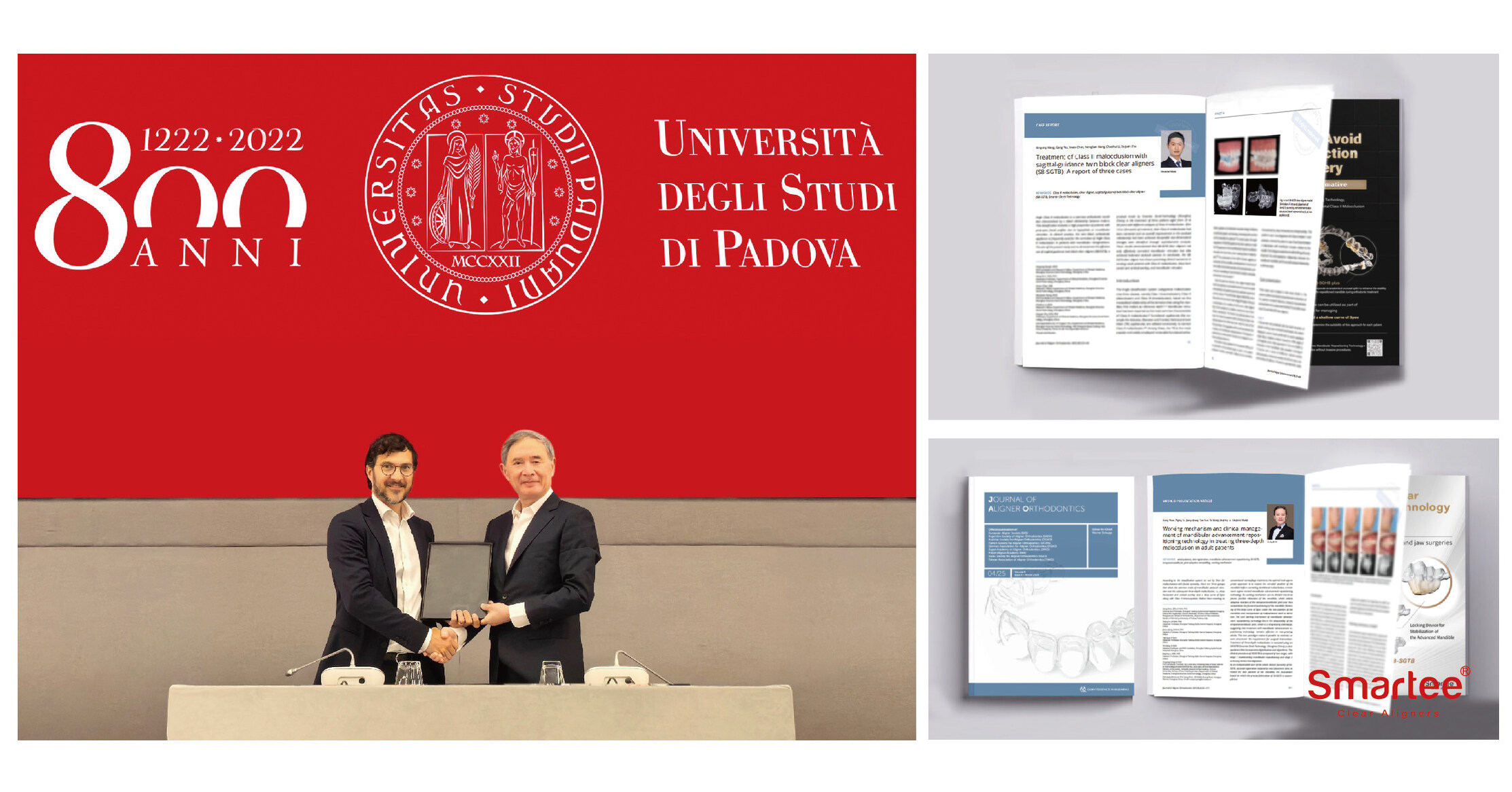
Smartee Denti-Technology Releases 2025 Year-in-Review
Smartee Denti-Technology has recently unveiled its 2025 annual review, a report that encapsulates a significant year in the realm of dental technology and orthodontics. This year marked major milestones, including the application of their GS Mandibular Repositioning technology in over 100,000 cases worldwide, highlighting both their dedication to innovation and their commitment to improving patient outcomes.
Clinical Milestone: A Pivotal Leap in Mandibular Repositioning
One of the standout achievements of 2025 was surpassing the threshold of 100,000 cases utilizing the Smartee GS Mandibular Repositioning technology. This advancement signifies a noteworthy shift in treatment approaches for severe jaw discrepancies, particularly Class II and Class III malocclusions. Rather than relying on traditional extraction or surgical methods, Smartee’s clear aligners provide a non-invasive alternative that has garnered significant academic attention and validation.
The credibility of this method has been reinforced through publications in the Journal of Aligner Orthodontics (JAO). Notable among these was Dr. Xingxing Wang’s report on the effectiveness of treatment protocols for Class II malocclusion. Furthermore, a comprehensive study by Prof. Gang Shen and his research team addressed the mechanisms and clinical management of this groundbreaking technology.
Operational Expansion and Strategic Partnerships
In response to soaring international demand, Smartee expanded its production capabilities by launching a vast 100,000-square-meter intelligent manufacturing campus. This state-of-the-art facility incorporates fully automated production lines and modular systems, enhancing productivity both for Smartee’s internal products and for external partners.
A significant partnership with the Straumann Group was solidified in October 2025, enabling Smartee to provide manufacturing support for the ClearCorrect brand in select EMEA and APAC markets. This collaboration not only strengthens Smartee’s production capabilities but also ensures consistency and quality across diverse markets.
Innovative Breakthroughs: Merging R&D with Clinical Needs
Toward the end of 2025, Smartee introduced two groundbreaking innovations aimed at addressing multifaceted healthcare challenges.
The Smartee Sleep Aligners, launched on October 1, target the treatment of mild-to-moderate Obstructive Sleep Apnea-Hypopnea Syndrome (OSAHS). This revolutionary device boasts a patented digital twin-splint locking mechanism that promotes mandibular advancement while remaining comfortable with its ultra-thin design. With the potential to broaden the oropharyngeal airway by 23%, this device offers dual benefits in sleep therapy and orthodontic movement.
On October 30, Smartee unveiled Live 3D, an AI-driven treatment planning tool designed to expedite the digital treatment planning process. Utilizing deep learning algorithms, this tool can generate initial 3D treatment designs in as little as 30 minutes. Coupled with Smartee LiveUpdate, the streamlined system allows clinicians to finalize treatment plans in under an hour, significantly improving production turnaround time.
Strengthening a Global Footprint
Smartee’s continued growth on the international stage is underscored by the establishment of a UK subsidiary and a newly inaugurated European Orthodontic Clinical Support Center in Stoke-on-Trent. This facility is dedicated to region-specific treatment planning and clinical assistance, ensuring that digital treatment plans adhere closely to local medical standards and biomechanical preferences.
Commitment to Educational Outreach and Community Engagement
Smartee’s vigorous participation in global educational initiatives remained a priority in 2025. The company engaged in 27 significant international congresses, focusing on fostering academic exchange and professional education. Their “Smartee GS” mandibular repositioning technology lecture series toured 17 cities globally, training over 11,000 professionals in advanced techniques.
In China, Smartee’s domestic training programs reached over 14,000 participants, extending its educational efforts into emerging markets. This commitment to knowledge dissemination is critical for cultivating a well-informed orthodontic ecosystem across various regions.
Additionally, Smartee hosted summits focusing on Pediatric Early Orthodontics and Orofacial Myofunctional Therapy, gathering experts in settings that promote collaboration and innovation.
Sustainability and Corporate Responsibility
Beyond technical advancements, Smartee demonstrated a strong commitment to environmental sustainability and social responsibility. In 2025, the company initiated solar energy projects aimed at reducing CO₂ emissions by an estimated 209 tons annually. Furthermore, their digital governance systems focus on enhancing employee wellness, aligning with Smartee’s broader environmental, social, and governance (ESG) goals.
About Smartee Denti-Technology
Founded in 2004, Smartee Denti-Technology has positioned itself as a frontrunner in digital orthodontics and clear aligner manufacturing. With multiple R&D centers and manufacturing facilities across China and Spain, Smartee supports over 99,000 partner doctors in 57 countries. The company boasts a diverse portfolio, including the Smartee GS for mandibular repositioning and the Smartee Kinder/Teen series.
Smartee Denti-Technology’s 2025 Year-in-Review highlights a dynamic period of growth, innovation, and commitment to transforming orthodontic practices worldwide through technology and education.
NASA’s New Moon Rocket: A Historic Step Back to the Moon
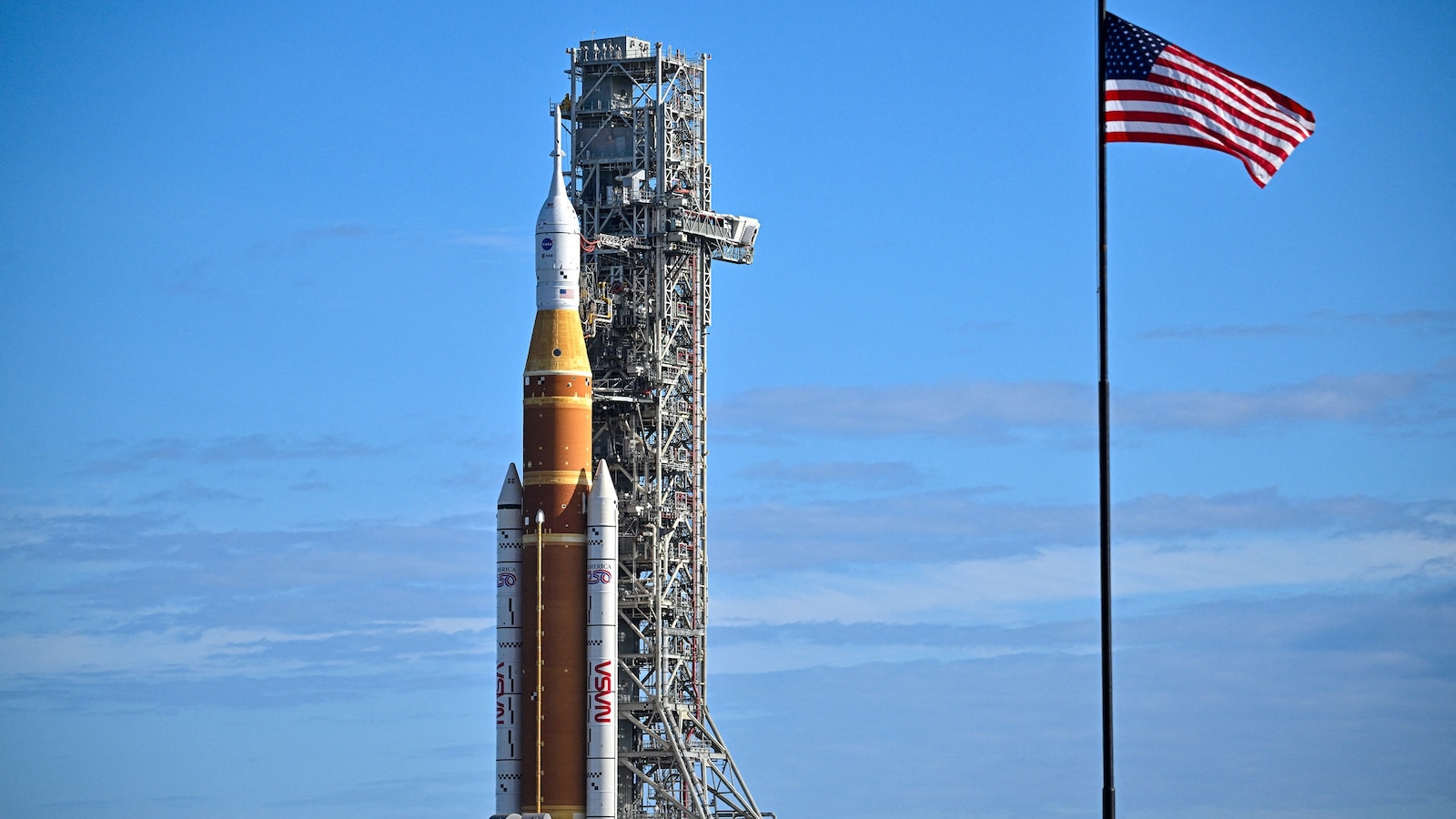
In a thrilling return to the lunar frontiers, NASA’s colossal new moon rocket is on the move, making its way to the launch pad for a groundbreaking mission. This monumental moment marks the first time in over half a century that astronauts will embark on a fly-around of the moon.
The Rocket’s Journey Begins
On a cool Saturday morning at Cape Canaveral, Florida, the 322-foot (98-meter) Space Launch System (SLS) rocket began its slow crawl from the Kennedy Space Center’s Vehicle Assembly Building. With a pace set at just 1 mph (1.6 kph), the journey along the four-mile (six-kilometer) stretch was a moment of anticipation for thousands of onlookers who gathered to witness this historic rollout.
Families and space center workers braved the chill of dawn, eager to see the long-awaited spectacle that has been years in the making. Among the cheering crowd were NASA’s new administrator Jared Isaacman and the four astronauts slated for this mission, who shared in the excitement.
Astronauts and Their Mission
The mission is commanded by Reid Wiseman, who expressed the grandeur of the moment, stating, “What a great day to be here. It is awe-inspiring.” He, along with pilot Victor Glover, Christina Koch, and Canadian astronaut Jeremy Hansen, will take to the skies on this remarkable 10-day expedition. This mission marks a significant milestone in space exploration; it will be the first time humans have journeyed to the moon since the Apollo program concluded with Apollo 17 in 1972.
The astronauts are set to experience a unique out-and-back trip around the moon, although they won’t be landing. That more ambitious goal awaits the third flight in the Artemis program, slated for a future date.
The Engineering Marvel
Weighing an impressive 11 million pounds (5 million kilograms) when fully assembled, the SLS rocket had to travel aboard a massive transporter equipped to handle its substantial weight. This transporter has historical significance, having been utilized during both the Apollo and shuttle eras but upgraded to accommodate the new rocket’s heft.
The first and only previous SLS launch took place in November 2022, sending an empty Orion capsule into orbit around the moon. Now, the stakes are heightened as NASA prepares for a crewed mission, a significant departure from the last test.
Overcoming Challenges
The road to this mission has not been without its obstacles. Initial tests revealed heat shield damage and other issues with the Orion capsule that required extensive analysis and troubleshooting. These challenges pushed back the schedule for this crewed moonshot, emphasizing the complexities involved in space exploration.
NASA’s John Honeycutt commented on the distinct nature of this mission, noting, “This one feels a lot different, putting crew on the rocket and taking the crew around the moon.”
The Broader Context of Lunar Exploration
The astronauts are stepping into the historical continuum of lunar exploration. Since Neil Armstrong and Buzz Aldrin made their giant leap in 1969, only twelve astronauts have walked the moon, and only four of those moonwalkers are still living. These astronauts are more than just space travelers; they are witnesses to human history, embodying a legacy of exploration that inspires current and future generations.
As Wiseman reflects on the enthusiasm from the community, he recognizes the longing for humans to venture far from Earth in pursuit of the unknown. “They are so fired up that we are headed back to the moon,” he enthused, representing a collective excitement for new discoveries.
Next Steps for NASA
Looking ahead, NASA is poised to conduct a critical fueling test of the SLS rocket at the launch pad in early February. This test will pave the way for the final confirmation of the launch date, with the space agency potentially lining up a launch window that opens as early as February, but with only five days available in the first half of the month. NASA remains cautious, with Isaacman noting, “We’ve, I think, zero intention of communicating an actual launch date until completing the fueling demo.”
As the countdown to launch continues, the anticipation builds—not just for the mission itself but for what this journey represents: the next chapter in humanity’s quest for knowledge and exploration beyond our own planet.

Three-Year Corporate Tax Extension in New York to Support $260 Billion Budget

Celebrity Solstice Alaskan Cruise Video. All the best bits

Try Not To Laugh | Funny Cat Video Compilation 2017

Trump Reveals Messages from World Leaders; Indiana Claims First National Championship

Winter Storm Provides Much-Needed Surge for Tug Hill Snowmobile Industry

Dow, S&P 500, Nasdaq Futures Plunge Amid Trump Tariff Threats and Bond Sell-Off Concerns

Trump Declares ‘No Turning Back’ on Greenland Proposal as EU Leader Promises ‘Steadfast’ Response – Live Updates

Pardoned January 6 Rioter Andrew Johnson Set to Face Child Molestation Trial

AI Revolutionizes Business Processes, but Talent Remains Essential | Technology Gas News

Who Might Be the Face of Science Videos in 2026—and Why That Could Be You

Who Is Really Voting in These Polls? The Shocking Truth Behind America’s Approval Numbers

Blueprint for a “Tax-Free America” That Actually Works

Four Forecasts for 2026

Major Indices Experience Weekly Declines as Treasury Yields Reach Four-Month High

It Took 35 Years for T. rex to Reach Full Maturity

EXCLUSIVE: Will Smith’s Former Best Friend Bilaal Breaks Silence in Explosive Tasha K Interview — Lawsuit, Scientology Allegations, and Claims of an Attempt on His Life

2026 NFL Coaching Update: John Harbaugh Nearing Deal with Giants; Mike Tomlin Not Expected to Coach Next Season

Top Picks from CES 2026: Editors Select the Best Products and Technologies

Carbon Industries Group Signs Major Carbon Credit Agreements with Senegalese Government | Currency News | Financial and Business Insights

Elon Musk’s Return to Politics: Why Not Explore a New Hobby Instead? | Arwa Mahdawi
Celebrity Solstice Alaskan Cruise Video. All the best bits
Try Not To Laugh | Funny Cat Video Compilation 2017

The HORRIFYING Final Moments Of Timothy Treadwell Were CAUGHT On Tape

Laugh a Lot With The Funny Moments Of Monkeys 🐵

This is What a $250,000 Elite Protection Dog Looks like!

Laugh a Lot With The Funny Moments Of Monkeys 🐵 Funniest Animals Video

Weirdest Celebrity Pets

New Funniest Cats and Dogs Clips 2025😼🐶Try Not To Laugh😜 Part 1

Hilarious CATS 🐱 and DOGS 🐶 Funny Animal Videos 2025 🤣 You Can’t Stop Laughing! #16

Ep 57: The WIENERLYMPICS! — (Cute & Funny Wiener Dog Video)
-
 Opinion5 days ago
Who Is Really Voting in These Polls? The Shocking Truth Behind America’s Approval Numbers
-
 Opinion5 days ago
Blueprint for a “Tax-Free America” That Actually Works
-
 Finance4 days ago
Major Indices Experience Weekly Declines as Treasury Yields Reach Four-Month High
-
 Science5 days ago
It Took 35 Years for T. rex to Reach Full Maturity
-
 Sports5 days ago
2026 NFL Coaching Update: John Harbaugh Nearing Deal with Giants; Mike Tomlin Not Expected to Coach Next Season
-
 Technology1 week ago
Top Picks from CES 2026: Editors Select the Best Products and Technologies
-
 Politics2 weeks ago
Elon Musk’s Return to Politics: Why Not Explore a New Hobby Instead? | Arwa Mahdawi
-

 Sports3 days ago
Cleveland Browns Update (1/17): A Wealth of Head Coach Candidates