
Finance
Dow, S&P 500, Nasdaq Futures Plunge Amid Trump Tariff Threats and Bond Sell-Off Concerns

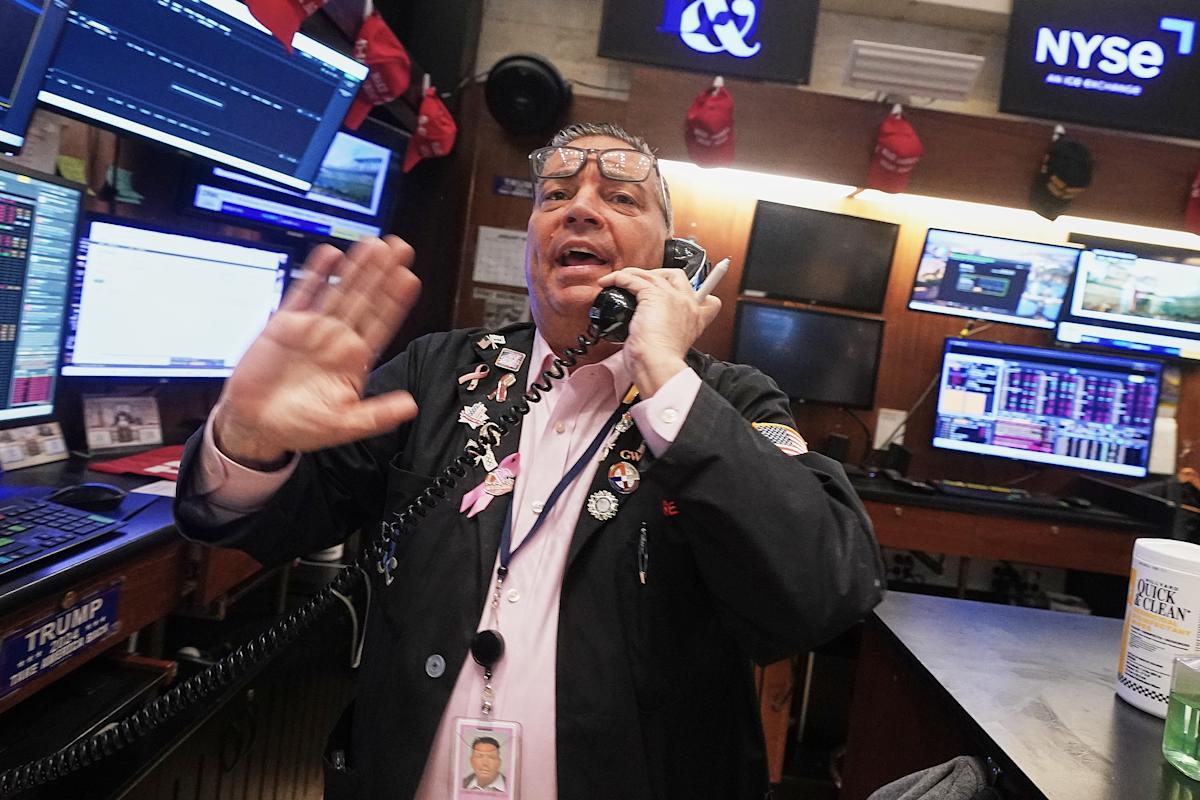
US Stock Market Faces Turmoil Amid Renewed Trade Tensions and Bond Sell-off
US stocks are anticipated to start trading with significant losses as concerns escalate over renewed trade tensions ignited by President Trump’s controversial comments regarding Greenland. This volatility is further compounded by a broad bond sell-off, particularly led by Japan, that has spread across global markets, creating a precarious atmosphere for investors who were already on edge following a tumultuous week for Wall Street.
Dow Jones and Futures Trading
Futures for the Dow Jones Industrial Average tumbled approximately 1.3%, signaling an impending drop of nearly 600 points when trading resumes after Monday’s holiday closure. The S&P 500 and Nasdaq 100 also followed suit with futures dipping by 1.3% and 1.6%, respectively. This downward momentum reflects significant investor anxiety as initial trading signals indicate a continuation of the rough ride experienced the previous week.
Trade War Angst
Investors are grappling with escalating fears of a full-fledged trade war between the US and the European Union. Over the weekend, Trump stated that eight NATO countries would face extra import duties of 10% unless negotiations regarding the purchase of the Danish territory of Greenland yielded results. On Monday, the situation intensified as he reiterated his commitment to acquiring Greenland, even as the EU discussed retaliatory tariffs amounting to $108 billion. The specter of such measures is alarming for a market already reeling from inflationary pressures and other geopolitical uncertainties.
Tariff Threats and Market Reactions
In further developments, Trump extended his threats to the French wine industry, proposing a staggering 200% import tariff following French President Emmanuel Macron’s rejection of an invitation to join Trump’s “Board of Peace.” Such aggressive rhetoric has intensified anxieties among investors, particularly as the European Commission’s leader, Ursula von der Leyen, warned that the EU’s response would be “unflinching, united, and proportional.”
Bond Market Dynamics
Adding to the disarray, US Treasury yields have soared to their highest levels in four months. The ongoing sell-off in Japanese bonds appears to have catalyzed this shift, adversely affecting US debt markets. Consequently, the dollar has diminished in value, hitting a two-week low, as investors pivot towards safer assets. Gold and silver prices have surged, reaching new record highs, as market participants seek refuge amidst rising uncertainties.
Upcoming Events and Earnings Season
The focus now shifts to the World Economic Forum in Davos, where Trump is slated to address global leaders about the ongoing Greenland debacle. This address comes at a critical juncture, with market participants keenly aware of the implications of the unfolding narrative.
Stockholders are also bracing for an influx of quarterly earnings reports, including that of Netflix, expected to release its results after the market closes on Tuesday. The streaming giant’s stock has shown some resilience, defying broader market trends by lifting marginally in premarket trading—an indication that its anticipated performance might offer a glimmer of stability amid chaos.
Market Volatility Continues
As the trading landscape remains volatile, investors find themselves navigating a complex web of geopolitical tensions and economic indicators. With looming uncertainties like the pending Supreme Court ruling over Trump’s use of emergency powers to impose tariffs, the stakes are exceptionally high. Market participants must prepare for potential shifts that could arise as each new announcement unfolds.
This mix of rapid market shifts and high-stakes geopolitical maneuvering serves as a reminder of the interconnected nature of global finance, where decisions made in one nation can ripple across markets worldwide. As investors weigh the implications, the need for vigilance has never been greater.

Markets Begin Weak, Nifty Hits Key Support Levels
As the trading week commenced, market indices experienced a sluggish performance, declining nearly half a percent amid negative cues. Analysts observed that the Nifty’s dip below the crucial support zone around 25,600 signals a continuation of the recent corrective trend. The next critical support level has been identified between 25,300 and 25,400, prompting traders to brace for potential further declines.
Technical Analysis: Resistance and Support Levels
From a technical standpoint, the recent movements in the Nifty indicate a fragile market sentiment. If there is a rebound, those watching for resistance levels should focus on the 25,600 mark, followed closely by the 25,800 zone which is anticipated to pose a significant challenge to upward movements. “Participants should be mindful of sectoral leadership and employ disciplined risk management strategies,” advised Ajit Mishra, Senior Vice President of Research at Religare Broking.
Sector Focus: A Mixed Bag
Despite the overall weakness in the market indices, certain sectors and stocks are showcasing relative strength. This divergence offers opportunities for traders willing to align their positions to capitalize on these sectoral leaders. Stocks like ITC Hotels, Tata Capital, Ola Electric, Adani Power, and LTIMindtree are among those drawing attention, driven by various news developments, including third-quarter financial results set to be unveiled today.
Earnings Spotlight: Key Companies Reporting Results
Several companies are in the limelight today as they report their third-quarter earnings, including:
- Persistent Systems
- United Spirits
- Au Small Finance Bank
- ITC Hotels
- IndiaMART
Each of these firms is expected to reveal insights that could impact market sentiment moving forward.
Tata Capital’s Impressive Growth
In a notable highlight, Tata Capital has reported a robust 17% increase in consolidated net profit for its December quarter, amounting to ₹1,257 crore compared to ₹1,076 crore for the same period last year. The company’s total operational revenue reached ₹7,975 crore, marking a 12% increase from ₹7,104 crore in the prior year’s quarter. This performance reinforces Tata Capital’s standing amidst market volatility.
LTI Mindtree’s Earnings Dip
Conversely, IT services firm LTIMindtree posted an 11% decline in consolidated net profit during the same quarter, registering ₹971 crore down from ₹1,085 crore a year earlier. This drop reflects the prevailing challenges in the broader tech landscape and may impact investor sentiment towards the stock.
Ola Electric’s Leadership Change
In a strategic move, Ola Electric announced the appointment of Deepak Rastogi as its new Chief Financial Officer, effective January 20. Rastogi brings valuable experience from his previous role as the group finance chief at property developer Puravankara. His appointment comes at a pivotal time as Ola Electric aims to consolidate its market position following a successful public debut in 2024.
Adani Power’s Legal Victory
Adani Power Ltd has received positive news as the National Company Law Appellate Tribunal (NCLAT) upheld its acquisition of Vidarbha Industries Power. The decision dismissed petitions challenging the approval from the National Company Law Tribunal (NCLT) by stakeholders affected by the debt situation within Vidarbha. This victory strengthens Adani Power’s footprint in India’s energy sector.
Raymond Lifestyle’s New Leadership
Adding to the wave of corporate changes, Raymond Lifestyle has appointed Satyaki Ghosh as CEO. Ghosh boasts over 25 years of diverse experience across sectors including FMCG, textiles, retail, and consumer businesses. His expertise in both B2B and B2C environments is expected to guide the company’s strategic direction.
ACME Solar’s Renewable Efforts
In developments concerning renewable energy, ACME Solar has commenced operations on a 68-MW segment of its 100-MW wind power project in Surendranagar, Gujarat. The project, being executed in phases under its subsidiary ACME Eco Clean Energy, signals the company’s commitment to expanding its renewable energy portfolio amidst a global shift towards sustainability.
The market’s current landscape reveals fluctuations intertwined with opportunities in certain sectors. As investors navigate these choppy waters, understanding key trends and staying informed on evolving company dynamics will be crucial for strategic positioning in the marketplace.
Finance
MSV Protocol Unveils Proof-of-Asset Integrity to Enhance Real-World Asset Tokenization Amid Growing RWA Adoption

Unpacking the MetaSoilVerse Protocol: Revolutionizing RWA Tokenization
Introduction: The Evolution of Real-World Assets
As the world of decentralized finance (DeFi) evolves, the tokenization of real-world assets (RWAs) has emerged as a significant trend. However, this burgeoning sector faces challenges, particularly concerning trust and verification. Despite the massive movement of billions of dollars into the digital space, many protocols still depend on outdated methods like static audits. This is where the MetaSoilVerse Protocol steps into the spotlight with an innovative solution aimed at transforming the landscape.
Understanding Proof-of-Asset Integrity (PoAI)
At the heart of the MetaSoilVerse Protocol lies its unique framework known as Proof-of-Asset Integrity (PoAI). This framework is not merely a theoretical concept; it’s designed to provide ongoing verification, enforcement, and transparency for tokenized RWAs. Unlike traditional models that only validate assets at the point of issuance, PoAI offers a continuous checking mechanism, ensuring that assets remain compliant and operational over their lifecycle.
The Imperative for Continuous Verification
The importance of PoAI cannot be overstated in the context of RWA tokenization. As the market matures, it’s no longer sufficient for assets to be verified just at their inception. Institutions and investors require assurance that these assets are consistently backed and maintained over time. The PoAI framework embeds integrity checks directly into the protocol’s architecture, reducing reliance on manual methods and trust-based intermediaries.
Institutional-Grade Infrastructure
The MetaSoilVerse Protocol aims to offer a robust infrastructure tailored for asset issuers, funds, and institutional players. This modular system opens doors to scalable and transparent RWA solutions, featuring:
- Continuous asset verification: Regular checks to confirm the integrity of tokenized RWAs.
- On-chain enforcement: Real-time monitoring of asset performance and compliance.
- Risk management: Aiming to lower both counterparty and operational risks, enhancing overall security.
- Enhanced investor confidence: Providing verifiable data to reassured investors.
By focusing on establishing a resilient foundation rather than merely narrating compelling stories, MetaSoilVerse aspires to solidify institutional trust in RWA adoption within blockchain ecosystems.
The Seed Round: Fueling Future Growth
The successful completion of the seed funding round marks a pivotal moment for MetaSoilVerse. This funding not only enables the company to expand its PoAI primitives but also strengthens existing partnerships while preparing for broader engagement within the ecosystem. Furthermore, MetaSoilVerse has ambitious plans for a Token Generation Event aimed at mid-January, aligning its roadmap with crucial protocol developments.
Engineering Trust in Complex Markets
As the RWA sector transitions into a more sophisticated environment, mere access to capital will not suffice. Emerging protocols must also contend with the intricacies of real-world scenarios, regulatory frameworks, and institutional standards. The mission of the MetaSoilVerse Protocol revolves around building trust at a foundational level. By leveraging PoAI, it facilitates the operations of real-world assets on-chain that are fully transparent, accountable, and durable.
The Future of Real-World Assets: A Vision for Scalability
MetaSoilVerse is not just staking a claim in the rapidly evolving landscape of RWA tokenization; it’s redefining what it means to operate within this space. Through its innovative Proof-of-Asset Integrity framework, the protocol promises to introduce a new era of continuous verification and enforcement. This approach not only bolsters compliance but also lays the groundwork for a scalable, compliant, and trust-minimized RWA market that can thrive globally.
Contact and Further Information
For those interested in learning more about the MetaSoilVerse Protocol and its initiatives, you can reach out to:
Satish Kumar
Email: satishk@metasoilverse.com
Feel free to explore additional resources and check their official channels for updates on developments, partnerships, and participation in this groundbreaking venture that combines the physical and digital realms of finance.
Disclaimer: The information provided in this article is for informational purposes and does not constitute financial or investment advice. Always conduct your own research and consult with a qualified financial advisor before making any investment decisions.
Finance
Trump Unveils Tariffs on European Nations Amid Greenland Purchase Negotiations; Danish PM Declares Europe Won’t Be Intimidated
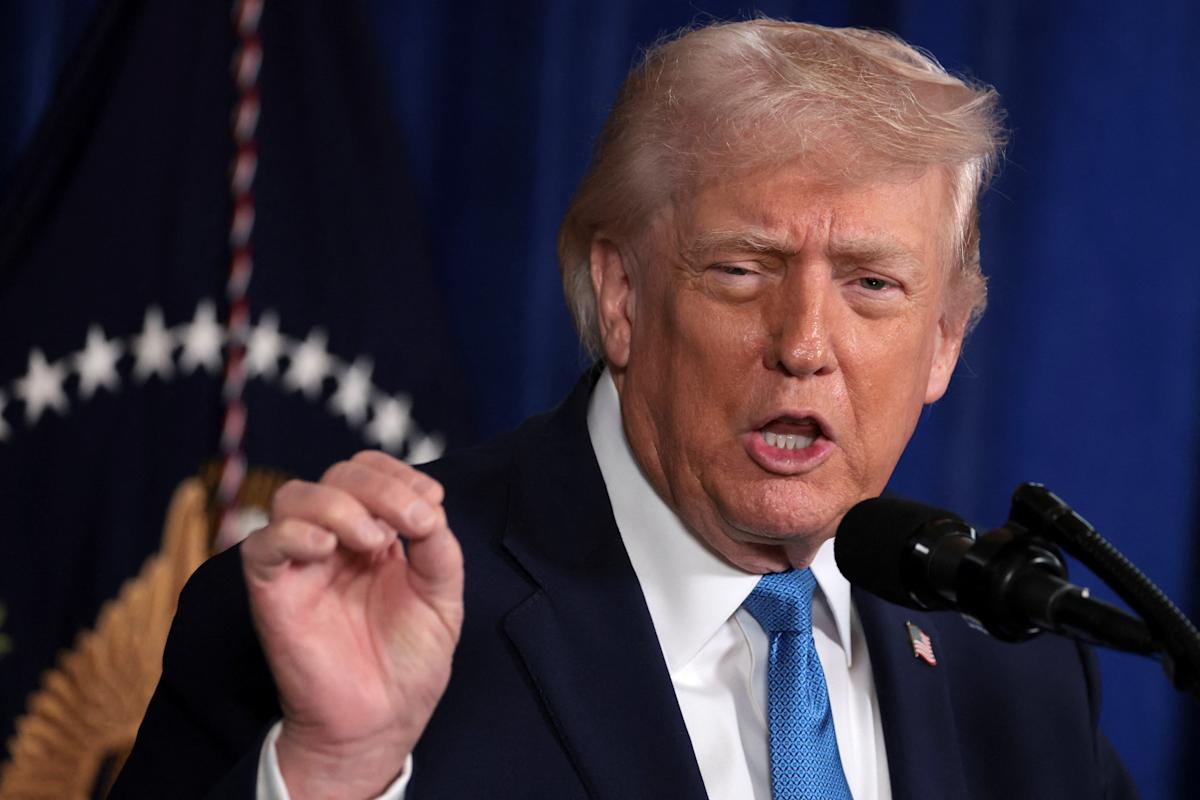
The New Tariff Plan: A Deep Dive into Trump’s Trade Strategy
In a bold move over the weekend, President Donald Trump unveiled his plan to impose new tariffs on eight European countries. He claims these nations are obstructing a potential U.S. purchase of Greenland, a territory considered strategically important by many. The decision has sparked a whirlwind of reactions and discussions, both domestically and internationally.
The Tariff Details
Beginning February 1, the United States will implement a 10% tariff on goods from Denmark, Norway, Sweden, France, Germany, the UK, the Netherlands, and Finland. This initial levy is stated as a tactical maneuver, but if an agreement on Greenland isn’t reached by June 1, tariffs will catapult to 25%. Such a drastic increase highlights the urgency Trump places on resolving the Greenland situation.
A Controversial Justification
President Trump articulated his stance in a social media post, suggesting that global powers like China and Russia have their eyes on Greenland. With characteristic bravado, he asserted that only the U.S. has the capability to navigate the geopolitical terrain effectively. “China and Russia want Greenland,” he noted, underscoring his perception of American exceptionalism in international relations.
Existing Tariffs and European Reactions
The countries targeted by these new tariffs are already subject to existing tariffs of 10% to 15%. The addition of these new levies raises concerns among European leaders, who quickly labeled the threats as harmful to transatlantic relations. The joint statement from the eight nations emphasized that such moves could spiral into a retaliatory cycle detrimental to both sides.
Danish Prime Minister Mette Frederiksen has been vocal in her response, emphasizing that Europe will not succumb to what she describes as “blackmail.” This sentiment has been echoed by other European leaders, reinforcing the unity among them against unilateral trade measures.
Analyzing Trump’s Negotiating Tactics
U.S. Treasury Secretary Scott Bessent grappled with the implications of Trump’s strategy during an appearance on NBC’s Meet the Press. When queried about whether this aggressive posture could shift, Bessent indicated that the President was unlikely to back down. He asserted that Trump perceives strength as vital to national security, particularly regarding Greenland, which he views as critical for U.S. interests.
Protests Erupt in Greenland and Denmark
The announcement triggered protests in Greenland and Denmark over the weekend. In Nuuk, the capital of Greenland, thousands rallied, waving banners and chanting “Kalaallit Nunaat,” the indigenous name for Greenland. The demonstrators voiced their opposition to what they see as U.S. efforts to commodify their island.
These movements gained momentum after Anders Fogh Rasmussen, the former NATO chief and Danish prime minister, compared Trump’s rhetoric to that of a “gangster.” He criticized the President for using Greenland as a distraction from pressing global issues, particularly the ongoing war in Ukraine.
Legal Challenges and Tariff Origins
As the situation unfolds, the U.S. Supreme Court has yet to make key decisions regarding the legality of Trump’s trade policies, particularly pertaining to the tariffs and duties he has imposed. The Court, which heard arguments in early November, remains skeptical about the legal frameworks used by Trump. His tariffs, invoked under a 1977 law designed for national emergencies, are under scrutiny.
A Complex Diplomatic Landscape
The escalation of tariffs and the ensuing international responses create a complex diplomatic atmosphere. As the U.S. positions itself aggressively on the trade front, the implications for relations with European allies remain uncertain. Discussions are ongoing, with EU member states convening to consider potential countermeasures that could retaliate against the U.S. tariffs.
Navigating Future Negotiations
The landscape of global trade is in a state of flux as nations grapple with the ramifications of Trump’s tariff plan. The unfolding situation highlights the delicate balance between maintaining national interests and fostering cooperative international relationships. Amid growing tensions, the actions taken in the coming weeks will likely set the tone for future U.S.-European relations, shaping the economic and political dynamics of the region for years to come.
As this story continues to evolve, the world watches closely, weighing the costs and benefits of a strategy rooted in economic leverage and nationalistic fervor.

Three-Year Corporate Tax Extension in New York to Support $260 Billion Budget

Celebrity Solstice Alaskan Cruise Video. All the best bits

Try Not To Laugh | Funny Cat Video Compilation 2017

Trump Reveals Messages from World Leaders; Indiana Claims First National Championship

Winter Storm Provides Much-Needed Surge for Tug Hill Snowmobile Industry

Dow, S&P 500, Nasdaq Futures Plunge Amid Trump Tariff Threats and Bond Sell-Off Concerns

Trump Declares ‘No Turning Back’ on Greenland Proposal as EU Leader Promises ‘Steadfast’ Response – Live Updates

Pardoned January 6 Rioter Andrew Johnson Set to Face Child Molestation Trial

AI Revolutionizes Business Processes, but Talent Remains Essential | Technology Gas News

Who Might Be the Face of Science Videos in 2026—and Why That Could Be You

Who Is Really Voting in These Polls? The Shocking Truth Behind America’s Approval Numbers

Blueprint for a “Tax-Free America” That Actually Works

Four Forecasts for 2026

Major Indices Experience Weekly Declines as Treasury Yields Reach Four-Month High

It Took 35 Years for T. rex to Reach Full Maturity

EXCLUSIVE: Will Smith’s Former Best Friend Bilaal Breaks Silence in Explosive Tasha K Interview — Lawsuit, Scientology Allegations, and Claims of an Attempt on His Life

2026 NFL Coaching Update: John Harbaugh Nearing Deal with Giants; Mike Tomlin Not Expected to Coach Next Season

Top Picks from CES 2026: Editors Select the Best Products and Technologies

Carbon Industries Group Signs Major Carbon Credit Agreements with Senegalese Government | Currency News | Financial and Business Insights

Elon Musk’s Return to Politics: Why Not Explore a New Hobby Instead? | Arwa Mahdawi
Celebrity Solstice Alaskan Cruise Video. All the best bits
Try Not To Laugh | Funny Cat Video Compilation 2017

The HORRIFYING Final Moments Of Timothy Treadwell Were CAUGHT On Tape

Laugh a Lot With The Funny Moments Of Monkeys 🐵

This is What a $250,000 Elite Protection Dog Looks like!

Laugh a Lot With The Funny Moments Of Monkeys 🐵 Funniest Animals Video

Weirdest Celebrity Pets

New Funniest Cats and Dogs Clips 2025😼🐶Try Not To Laugh😜 Part 1

Hilarious CATS 🐱 and DOGS 🐶 Funny Animal Videos 2025 🤣 You Can’t Stop Laughing! #16

Ep 57: The WIENERLYMPICS! — (Cute & Funny Wiener Dog Video)
-
 Opinion5 days ago
Who Is Really Voting in These Polls? The Shocking Truth Behind America’s Approval Numbers
-
 Opinion5 days ago
Blueprint for a “Tax-Free America” That Actually Works
-
 Finance4 days ago
Major Indices Experience Weekly Declines as Treasury Yields Reach Four-Month High
-
 Science5 days ago
It Took 35 Years for T. rex to Reach Full Maturity
-
 Sports5 days ago
2026 NFL Coaching Update: John Harbaugh Nearing Deal with Giants; Mike Tomlin Not Expected to Coach Next Season
-
 Technology1 week ago
Top Picks from CES 2026: Editors Select the Best Products and Technologies
-
 Politics2 weeks ago
Elon Musk’s Return to Politics: Why Not Explore a New Hobby Instead? | Arwa Mahdawi
-

 Sports3 days ago
Cleveland Browns Update (1/17): A Wealth of Head Coach Candidates