
Crime & Justice
San Jose Police Report Shooting Involving Department Member in Downtown Area


### Shooting In San Jose: Police Officer Injured
On a seemingly routine Wednesday afternoon, the San Jose community was shaken by a dramatic incident that left one police officer injured. The event unfolded in downtown San Jose, where law enforcement responded to an armed carjacking around 2 p.m. Details about the shooting are still emerging, prompting officials to treat this as a developing story.
### The Sequence of Events
The incident began with an armed carjacking that reportedly triggered a high-stakes response from the authorities. The California Highway Patrol initially received a call for assistance, leading to a pursuit through the city. This pursuit reached its climax near the intersection of Highway 87 and Julian Street, where the situation escalated dramatically.
### Officer’s Condition
After the shooting, the injured police officer was promptly transported to an area hospital. Though specific details about their condition have not been disclosed, the police department has confirmed that they are receiving medical care. Community members and fellow law enforcement officials have expressed their concern and support, hoping for a swift recovery.
### Community Impact and Reaction
The incident has raised alarm among residents in the San Jose area, bringing issues of safety and violence into sharp focus. Many locals have taken to social media to express their thoughts, with sentiments ranging from shock to calls for greater security measures.
Officials and city leaders are likely to address community concerns in upcoming public forums, emphasizing the importance of cooperation between the police and residents to enhance safety.
### Law Enforcement’s Response
In the aftermath of the shooting, the San Jose Police Department is expected to launch a thorough investigation. This will likely involve gathering evidence from the scene, interviewing witnesses, and reviewing any available surveillance footage. The collaboration with the Santa Clara Sheriff’s Office and the California Highway Patrol underscores the critical nature of inter-agency cooperation in handling such incidents.
### The Broader Context
This incident is not an isolated case. It reflects a growing trend of violent crime in urban areas, sparking conversations around police presence, community relations, and public safety policies. As law enforcement grapples with these challenges, community engagement and transparency are vital for rebuilding trust and ensuring safety.
### Final Notes
As the investigation progresses, updates regarding the officer’s condition and details surrounding the incident will be forthcoming. Community members are urged to stay informed and vigilant as this situation continues to develop.
### Further Information
For the latest updates, local news outlets and the San Jose Police Department’s official channels will be the primary sources of information. Residents are encourage to report any suspicious activity and cooperate with ongoing investigations.
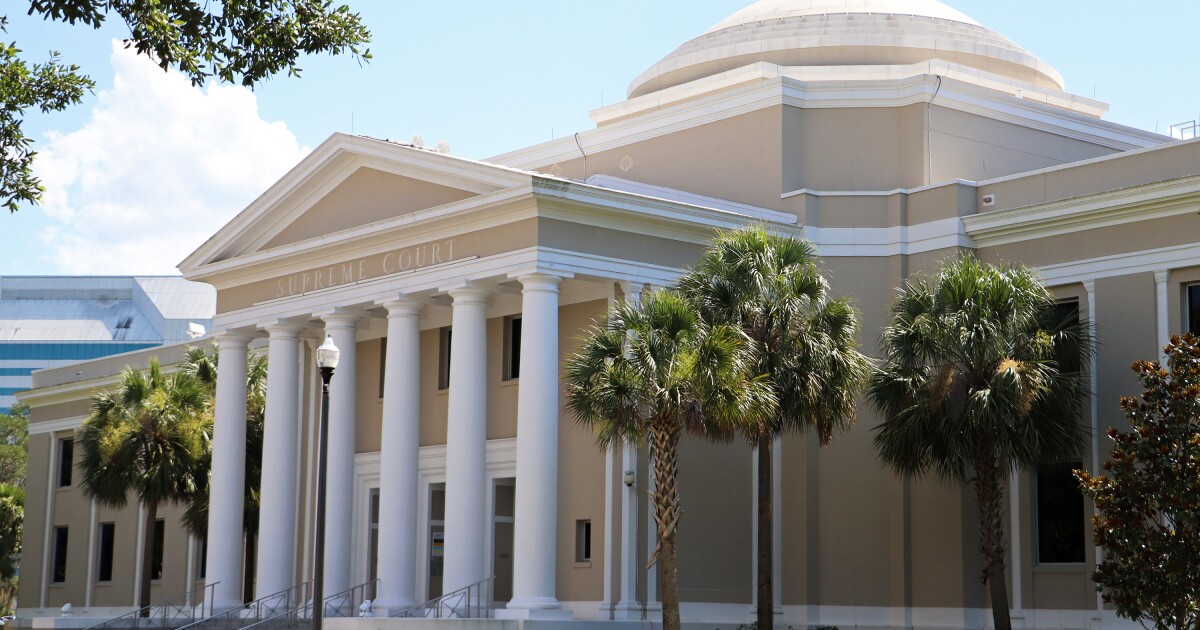
Legislative Action on Police and Crime Victim Identifiers in Florida
The Florida Legislature is poised to pass a measure this week aimed at safeguarding the identities of police officers and crime victims, following a significant legal ruling related to a controversial amendment known as “Marsy’s Law.”
A Brief History of Marsy’s Law
In 2018, Florida voters approved Marsy’s Law, a constitutional amendment intended to provide protections for crime victims by preventing the disclosure of their identities under public records law. However, this law became contentious when some police agencies interpreted it to extend protections to officers involved in lethal force incidents, claiming they were victims as well.
The state Supreme Court intervened in 2020, striking down parts of the amendment that safeguarded the identities of victims. The court’s decision left legislators with the opportunity to reassess and expand the law concerning identity protection.
The Current Legislative Proposals
As new bills progress through both the Florida House and Senate, they propose that if officers are assaulted or threatened while on duty, their identities will be kept confidential for 72 hours following the incident. Furthermore, identifying details about crime victims—especially those that could potentially lead to harassment or harm—would be shielded from public records indefinitely.
For instance, in cases akin to the George Floyd incident, where law enforcement officers were involved in a high-profile use-of-force situation, such measures could mean a temporary withholding of officers’ names from public access for up to two months following the incident.
Sponsorship and Support
The push for these bills is led by Rep. Kaylee Tuck from Sebring, alongside a companion bill sponsored by Sen. Erin Grall from Fort Pierce. For the bill to pass, it requires a two-thirds majority in the legislature, as it introduces new exceptions to current public records laws. If passed, the laws would need renewal after 2031.
Interestingly, while the bills aim to offer anonymity to law enforcement, they do not extend that privacy to victims in court proceedings. Under Florida’s constitution, defendants retain the right to confront their accusers, meaning victims’ identities would be disclosed in court documents.
The Origin and Impact of Marsy’s Law
Marsy’s Law is named for Marsy Ann Nicholas, a California college student who was tragically stalked and killed by her ex-boyfriend. The law was enacted nationally to preserve crime victims’ privacy, yet the application of these protections to police officers sparked considerable debate. Critics argue that extending such privacy to officers undermines the public’s right to transparency regarding law enforcement actions.
Jennifer Fennell, a spokesperson for Marsy’s Law for Florida, emphasized that transparency is crucial when assessing the conduct of on-duty officers involved in use-of-force incidents. “The right to privacy of their name must quickly yield to the public’s right to know,” she stated.
Diverging Perspectives on Privacy
Opinions are divided regarding the proposed legislative changes. Michael Koretzky, president of the Society of Professional Journalists, criticized the measures as governmental overreach. He highlighted the concern that allowing officers to label themselves as victims might lead to a lack of accountability for those wielding firearms.
Conversely, the Florida Police Benevolent Association advocated for the extension of protections, asserting that if an officer is a victim, they deserve the same confidentiality as a civilian. Lobbyist William Smith remarked on the commitment to ensuring officer anonymity in such scenarios, reflecting a collaborative effort between law enforcement and legislative representatives.
The 2023 Supreme Court Ruling
The recent Supreme Court ruling reaffirmed that Marsy’s Law does not offer blanket protections for on-duty law enforcement officers nor does it categorically shield the identities of crime victims. This decision stemmed from the City of Tallahassee’s refusal to disclose officers’ names in specific incidents, prompting legal challenges and framing the current legislative discussions.
The court underscored the conflict between Marsy’s Law and the constitutional right of defendants to confront their accusers and the public’s right to access public records. This ruling has effectively propelled the ongoing legislative dialogue regarding the balance of privacy and transparency in matters of public safety.
These developments in Florida embody a complex interplay between privacy rights, law enforcement accountability, and the broader implications of legislative actions aimed at protecting individuals affected by crime.

Geneseo Police: Building Trust and Community in Law Enforcement
Introduction to the Geneseo Police Department
The Geneseo Police Department is more than just a law enforcement agency; it’s a pillar of the Geneseo community located in upstate New York. This department plays a crucial role in ensuring the safety and security of its residents, fostering trust and collaboration between officers and the community. Understanding their operations, values, and initiatives provides valuable insight into their commitment to public service.
Mission and Values
At the heart of the Geneseo Police Department is a clearly defined mission: to provide a safe and secure environment for all residents. The department prioritizes community engagement, integrity, and respect in all interactions. Officers are not just enforcers of the law; they are community members dedicated to serving and protecting their neighbors, thereby cultivating a trusted relationship that benefits everyone.
Community Engagement Initiatives
Active participation in community events is a hallmark of the Geneseo Police Department. From hosting local safety workshops to participating in school programs that educate children about safety and crime prevention, these initiatives foster positive relationships. Officers frequently engage with residents through organized events such as National Night Out, where community members can meet local law enforcement, ask questions, and learn about crime prevention strategies.
Crime Prevention Strategies
Crime prevention is at the core of the department’s activities. The Geneseo Police implement various programs aimed at reducing crime rates and enhancing community safety. One noteworthy initiative is the Neighborhood Watch program, which encourages residents to take an active role in their security. By working collaboratively with the police, community members can report suspicious activities, thereby creating a safer environment.
Training and Professional Development
The officers of the Geneseo Police Department undergo rigorous training to ensure they are equipped to handle the diverse challenges of modern policing. This training spans a range of topics, including de-escalation techniques, cultural competency, and the latest law enforcement technologies. Continuous professional development ensures that officers stay current with best practices, enhancing their ability to serve the community effectively.
Transparency and Accountability
Transparency is vital in building trust between the police and the community. The Geneseo Police Department maintains open channels of communication with the public, providing access to information about department policies, procedures, and incidents. They prioritize accountability through regular reporting and community forums, allowing residents to voice their concerns and suggestions.
Partnerships with Local Organizations
The effectiveness of the Geneseo Police Department is also bolstered by partnerships with local organizations. Collaborations with schools, health services, and community groups enhance the department’s outreach. These alliances facilitate comprehensive approaches to issues such as substance abuse prevention and mental health awareness, enabling officers to support their community’s broader needs.
Focus on Mental Health and Support Services
Recognizing the evolving nature of policing, the Geneseo Police Department places a strong emphasis on mental health. Officers receive specialized training to help them appropriately respond to situations involving individuals in crisis. Collaborations with mental health professionals ensure that those in need receive appropriate care and support, aligning law enforcement with compassionate community service.
Innovation and Technology in Policing
Technology plays an increasingly vital role in modern policing. The Geneseo Police Department integrates advanced tools and techniques to enhance their operational effectiveness. From body cameras that promote accountability to software systems that streamline reporting and data analysis, these innovations help officers better serve the community.
Conclusion: A Commitment to Excellence
Through its unwavering dedication to community engagement, professional development, transparency, and innovative practices, the Geneseo Police Department exemplifies the future of policing. The department’s efforts create a community where trust flourishes, crime decreases, and residents feel safe and supported. This continuous journey of improvement and collaboration ensures that Geneseo remains a vibrant and secure place to live.

Seattle’s Real Time Crime Center: A Game Changer in Modern Policing
SEATTLE — The Seattle Police Department (SPD) is witnessing a transformative shift in crime response and investigation, thanks to a data-driven initiative known as the Real Time Crime Center (RTCC). Recent analyses suggest that this center is significantly enhancing the department’s ability to catch suspects and assist victims in their pursuit of justice.
Enhanced Arrest Rates
A striking analysis conducted over a nine-month period revealed that SPD officers and detectives are three times more likely to make an arrest when they collaborate with the RTCC analysts. The center focuses on delivering real-time investigative support for a variety of crimes, ranging from serious offenses like murder to property crimes such as stolen vehicles. This crucial partnership not only streamlines the investigative process but also improves the efficacy of law enforcement responses.
Data-Driven Insights
The department’s investigation examined a staggering 220,000 911 responses from May 2025, when the RTCC was launched, to February 2026. The findings were published by SPD’s Performance Analytics & Research group, underscoring a commitment to transparency and evidence-based policing. This rigorous analysis is a testament to SPD’s desire for continuous improvement and its readiness to embrace innovative solutions for public safety.
Operational Framework
Launched in May 2025, the Real Time Crime Center serves as a response coordination hub that blends technology with on-the-ground analysis. Staffed 19 hours a day, seven days a week, the RTCC aims to enhance the initial responses to emergencies. By offering real-time guidance to on-site responders and securing crucial evidence for investigations, the center enhances efficiencies within the police force.
Impact on Homicide Cases
A notable achievement from the RTCC is its contribution to homicide investigations. Chief Shon Barnes noted that the technology and skilled analysts associated with the center helped detectives solve 53% of last year’s homicide cases, despite the RTCC being relatively new in operation. This statistic highlights the potential of advanced analytical methods in addressing serious crimes effectively.
Focus on Equity in Policing
The SPD’s ongoing assessments also indicate a beneficial impact on historically marginalized groups. Referencing a report from the U.S. Commission on Civil Rights, the department acknowledged that Black Americans face a disproportionately high risk of firearm-related homicide. In response, the RTCC strategically deploys technology—like CCTV cameras—in neighborhoods heavily impacted by violent crime, aiming to bolster safety in these areas.
A Real-Time Success Story
One compelling illustration of the RTCC’s effectiveness occurred on February 24, when police were alerted about an overdose. An RTCC analyst noticed a man nearby whose clothing matched that of a suspect wanted in a previous assault in Belltown. Promptly notifying patrol units, the analyst enabled the officers to make an arrest within an hour. This incident exemplifies how real-time analytical support contributes to swift and effective police actions.
Pilot Project Evaluation
Currently operating under a two-year pilot project authorization, the RTCC is subject to rigorous evaluation. The Office of Inspector General, along with evaluators from the University of Pennsylvania, oversees this independent assessment. This scrutiny ensures that the initiative remains accountable and effective, laying the groundwork for potential future expansion based on its findings.
Through its innovative approach and commitment to data-driven strategies, Seattle’s Real Time Crime Center is redefining how law enforcement interacts with communities, striving to create safer environments for all residents. As the initiative unfolds, ongoing analysis will continue to illuminate its successes and areas for improvement.

The Best Celebrity Dog Fathers#(president of usa, actor star)

Seagull Video Moment Funny Animals Compilation #3

House Votes Against Iran War Powers Resolution by a Narrow Margin

#1 Music Celebrity: Helping Animals Makes you Happy. Not Money & Fame

😍 Cutest Shih Tzu 😂 Funny and Cute Shih Tzu Puppies and Dogs Videos

Advocates Urge Preservation of State Climate Law Without Amendments

U.S. Pledges $20B in Maritime Reinsurance as Iran Tightens Grip on Strait of Hormuz – National

Netflix Withdraws from Meghan Markle’s $64 Candle Venture

Title: “Despite a Strong Week of Wall Street News, Bitcoin Faces a $110 Billion Loss”

White House Unveils Video Featuring Hollywood Stars Advocating for ‘Justice the American Way’ | Trump Administration

Who Is Really Voting in These Polls? The Shocking Truth Behind America’s Approval Numbers

Blueprint for a “Tax-Free America” That Actually Works

Police Issue Warrant for Bar Patron Alleged to Have Assaulted Multiple Individuals

Winter Storm Provides Much-Needed Surge for Tug Hill Snowmobile Industry

Four Forecasts for 2026

It Took 35 Years for T. rex to Reach Full Maturity

Major Indices Experience Weekly Declines as Treasury Yields Reach Four-Month High

EXCLUSIVE: Will Smith’s Former Best Friend Bilaal Breaks Silence in Explosive Tasha K Interview — Lawsuit, Scientology Allegations, and Claims of an Attempt on His Life

2026 NFL Coaching Update: John Harbaugh Nearing Deal with Giants; Mike Tomlin Not Expected to Coach Next Season

Top Picks from CES 2026: Editors Select the Best Products and Technologies
The Best Celebrity Dog Fathers#(president of usa, actor star)
Seagull Video Moment Funny Animals Compilation #3
#1 Music Celebrity: Helping Animals Makes you Happy. Not Money & Fame
😍 Cutest Shih Tzu 😂 Funny and Cute Shih Tzu Puppies and Dogs Videos

Sing 2 Trailer Released, Celebrity Cast Celebrate: Reese Witherspoon, Bono, Hasley, Pharrell, +More
![Animals Getting Scared Over Nothing 😂 [Funny Pets]](https://i0.wp.com/i.ytimg.com/vi/O0W9ToOrmr4/maxresdefault.jpg?resize=80%2C80&ssl=1 "Animals Getting Scared Over Nothing 😂 [Funny Pets]")
Animals Getting Scared Over Nothing 😂 [Funny Pets]

PAWS RPO Campaign featuring PAWS celebrity volunteer, Karylle

The Best Corgi Compilation On The Internet 2023 | Funny and Sassy Moments @FurryTails

Save Celebrity souls form hell..

These Cats Can Speak English Better Than Hooman 🙀
-

 Entertaiment10 hours ago
Tyler Jaggers: Coast Guard Rescue Swimmer Passes Away Days After Mission Incident; Fiancée Honors His Memory
-

 Crime & Justice20 hours ago
Police Report: March 6, 2026 | Latest Updates
-

 Comedy1 day ago
feeding carrot beans and radish to the hungry monkey
-

 Science20 hours ago
Engineers Introduce High-Efficiency Liquid CO₂ Energy Storage Solution for Renewable Power Grid Stability
-
 Business8 hours ago
Netflix Withdraws from Meghan Markle’s $64 Candle Venture
-

 US News20 hours ago
The Potential Effects of the Iran War on States and Local Communities
-

 Comedy23 hours ago
CATS vs DOGS: Totally Bonkers and Wildly Unpredictable
-

 Comedy1 day ago
Cane Corso — Majestic And Funny Videos And Tik Toks Compilation