
Politics
Senate Votes Down Measure to Withdraw Troops from Iran | Politics and Government

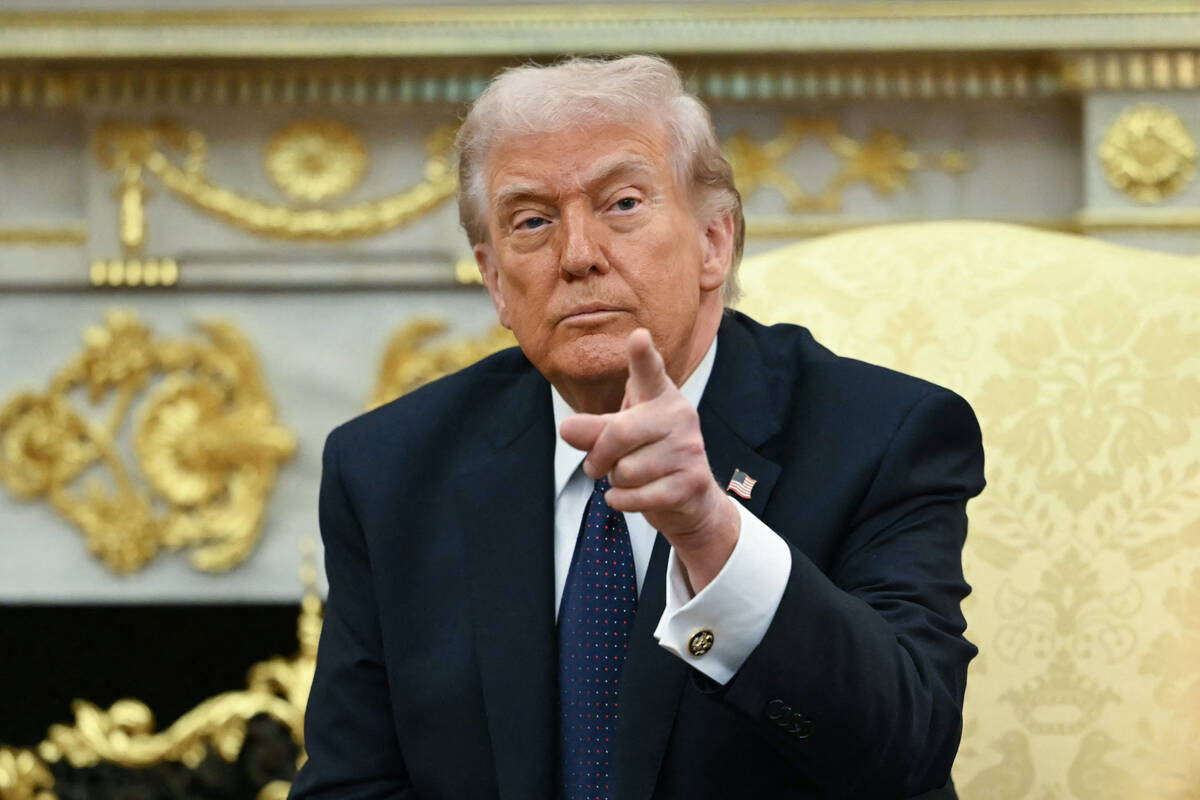
Senate Republicans Vote Down War Powers Resolution Against Iran
Introduction to a Heated Debate
On a pivotal Wednesday, Senate Republicans decisively rejected an attempt to halt President Donald Trump’s military actions in Iran, revealing their early support for a conflict that has rapidly escalated across the Middle East. The vote, which registered a 47-53 tally, showcased a stark division among lawmakers, with only a handful of senators breaking party lines.
The War Powers Resolution Explained
The legislation in question, known as a war powers resolution, aimed to grant congressional approval before any further military actions were undertaken. This was a crucial moment for lawmakers, as the decision could significantly affect U.S. military personnel, countless civilians, and the overall stability of the region. The urgency of the situation was palpable, as Democratic senators filled the chamber, making a statement by their very presence during the voting process.
Voices of Dissent
Senate Democratic Leader Chuck Schumer encapsulated the tension of the moment when he stated, “Today every senator — every single one — will pick a side.” This was more than just a procedural vote; it was a moral standpoint on America’s history of military intervention in the Middle East, pressing senators to consider whether to support a war many citizens were growing weary of.
Reactions from Republican Leadership
In contrast, Republican voices pushed back against the resolution. Senator John Barrasso, a leading Republican, suggested that the vote was a distraction, accusing Democrats of obstructing Trump’s efforts to dismantle Iran’s nuclear capabilities. The atmosphere was charged, as both sides of the aisle grappled with the implications of military action.
Trump Administration’s Urgent Plea
Following a surprise attack on Iran, the Trump administration found itself scrambling for congressional backing. Lawmakers were inundated with briefings as officials sought to reassure them regarding the administration’s control over the situation. Secretary of Defense Pete Hegseth articulated that the conflict could last up to eight weeks, a stark acknowledgment that the situation was far from under control.
Inevitability of Risk
General Dan Caine, chair of the Joint Chiefs of Staff, echoed these sentiments, warning that U.S. troops remained at significant risk. This sentiment was painfully underscored by the deaths of six U.S. military personnel due to a drone strike in Kuwait, emphasizing the tragic human costs associated with the decision to engage in war.
Personal Accounts from Senators
Some senators shared personal anecdotes of loss, such as Republican Senator Joni Ernst from Iowa, who highlighted the sacrifices of two soldiers from her state. This emotional tug-of-war added weight to the decision-making process, as senators had to navigate their responsibilities towards their constituencies while reflecting on the broader ramifications of the war.
The Shift in Military Goals
As the conflict unfolded, Trump revealed a notable shift in aims. Initially focused on regime change, the administration’s strategy morphed into a goal of preventing Iran from developing nuclear capabilities while also aiming to cripple its naval and missile programs. This vague mandate raised concerns among lawmakers about entering a quagmire without a clear exit strategy.
Dynamic Debate Continues
The debate intensified further during discussions on the House side of Capitol Hill, where another resolution affirmed Iran’s status as a state sponsor of terrorism. GOP leaders, including Rep. Brian Mast, expressed gratitude for Trump’s decisive actions, framing the military engagement as a constitutional defense against an “imminent threat.”
Emphasis on Personal Sacrifice
Democratic representatives, particularly those with military experience, spoke from a place of deep concern. Rep. Jason Crow from Colorado starkly remarked that while elite politicians discussed the costs of war, they were often detached from the personal sacrifices made by service members and their families, emphasizing the burden carried by working-class Americans.
Markers for Future Elections
As the Senate votes unfolded, the legislative stance on this conflict served as an essential indicator for lawmakers, particularly with midterm elections on the horizon. Senator Tim Kaine asserted that the resolution’s failure meant no senator could evade accountability for supporting military actions that could escalate into a more extensive conflict.
Divergent Perspectives on War Powers
The complexity of the vote went beyond party lines; it was about expressing commitment to service members versus supporting a conflict many felt was already spiraling out of control. Some Republicans framed opposition to the resolution as a necessity to communicate unwavering support for military personnel, reinforcing the factional divides in how lawmakers perceive military engagement.
Looking Forward
As debates continue to unfold in the House and Senate, the stakes remain high, not just for lawmakers but for the American public and those in military service caught in the crossfire of potentially endless conflicts. The discourse surrounding the war powers resolution is a significant landmark reflecting the broader attitudes towards U.S. military involvement in the Middle East.
Engagement of the Electorate
With intense discussions anticipated in the coming days, the engagement of constituents may shape how their representatives approach this critical issue. The narrative surrounding the war is evolving, and the implications for U.S. foreign policy and military action will likely resonate into the future.

Introduction: A Divided Congress Amidst Growing Tensions
In a heated session on Thursday, the House of Representatives narrowly rejected a resolution aimed at limiting President Donald Trump’s military powers concerning the escalating conflict with Iran. This vote reflects a growing unease within Congress, where lawmakers grapple with the ramifications of a rapidly evolving international crisis that is reshaping both U.S. foreign policy and domestic politics.
Key Votes and Diverging Opinions
Notably, Maine Democratic Rep. Jared Golden broke ranks with most of his party by voting against the resolution. In a twist, he co-sponsored an alternative resolution with New Jersey Rep. Josh Gottheimer that would grant Trump 30 days to wind down military operations and prevent the deployment of ground troops without congressional approval. Golden articulated his stance clearly: while he does not endorse an abrupt withdrawal, he also believes that clarity surrounding the necessity of military action has been sorely lacking.
Assessing the Stakes
The backdrop to Golden’s concerns is multifaceted, involving active military engagements, attacks on allies, and a more assertive Iranian regime. His refusal to support Congressional funding for prolonged combat operations indicates a tension between recognizing the on-the-ground realities and asserting legislative authority in matters of war.
The House vote, which concluded with a narrow margin of 212 to 219, mirrors a Senate vote from the previous day that similarly failed to pass a war powers resolution. These outcomes elucidate the political landscape as lawmakers confront not only the potential for conflict but also the sentiment of an apprehensive American public.
Political Landscape: A House Divided
In Washington, the conflict with Iran has reignited debates reminiscent of the lengthy wars in Iraq and Afghanistan. Lawmakers—including many veterans from the Sept. 11 era—are increasingly wary of unilateral presidential decisions to initiate military actions. Rep. Gregory Meeks, the House Foreign Affairs Committee’s top Democrat, emphasized that Trump should present his case to Congress if he genuinely believes war with Iran is in the national interest.
House Speaker Mike Johnson expressed opposing views, arguing that it would be “dangerous” to restrict the president’s authority while the military is actively engaged. His claim that “we are not at war” starkly contrasts with the positions of many lawmakers, who see the situation as far more precarious.
Bipartisan Perspectives and Divided Loyalties
While Republicans largely back Trump’s approach—viewing the conflict as a necessary measure against a long-standing threat—Democrats tend to frame it as an unjustifiable war of choice. For them, Trump’s actions are testing the system of checks and balances established in the Constitution. Rep. Jamie Raskin of Maryland remarked, “The framers weren’t fooling around,” reiterating that Congress must assert its authority over war declarations.
The vote illustrated this divide, with unexpected coalitions forming as some Republicans joined Democrats to support the war powers resolution, while a handful of Democrats voted against it alongside Republicans. This illustrates the complex dynamics at play and the possibility for bipartisan collaboration on such critical issues.
Challenges of Justifying Military Action
As the administration scrambled to provide a cohesive rationale for military action, Republicans like Florida Rep. Brian Mast defended the president’s use of constitutional authority to protect American interests from perceived threats. However, dissenting voices even within the Republican ranks, such as Rep. Thomas Massie from Kentucky, questioned the justification for the preemptive war strategy.
The stakes were heightened by recent casualties among U.S. military members and the urgent pleas from citizens trapped abroad, reflecting the real-life consequences of the conflict. In this context, Trump’s assertion that the U.S. must participate in choosing Iran’s new leadership raised alarms about the potential implications for American foreign policy.
Defense and Ambiguity in Strategy
Defense Secretary Pete Hegseth elaborated that the conflict might extend for up to eight weeks—double initial projections—and mentioned the possibility of sending U.S. troops into an already complex situation primarily characterized by air strikes. The administration’s aim to dismantle Iran’s ballistic missile capabilities in the context of its nuclear program has faced skepticism on multiple fronts.
Democratic Reps. Yassamin Ansari and Thomas Massie exemplified the range of concerns about the possible repercussions of such military engagement. Ansari, a daughter of Iranian immigrants, expressed worries about regime change without a focus on a democratic transition that prioritizes the Iranian people.
Legislative Landscape and Future Resolutions
To navigate the legislative challenges, some Democrats proposed an alternative resolution that would allow the president to continue military actions for 30 days before necessitating congressional approval. This strategy embodies an attempt at balancing national security interests with legislative oversight.
The ongoing debates in both the House and Senate reflect a significant evolution in how Congress addresses military engagements and the balance of war powers. As senators met for a gravity-laden vote, questions arose about loyalties: should elected officials align themselves with an increasingly war-weary American public or with the administration’s push toward conflict?
Conclusion: A Tense Future Ahead
As the situation unfolds, the political landscape around the Iranian conflict continues to shift. Lawmakers find themselves navigating a difficult terrain, torn between constitutional mandates, party alignments, and the concerns of a public wary of another military engagement. The complex interplay of interests and ideologies underscores just how pivotal this moment is for U.S. foreign policy and its legislative framework.

Central New York Officials Rally to Support Climate Law Amid Ongoing Debate
On a crisp Friday morning, elected officials and advocates gathered at the Salt City Market in Central New York, united in a significant call to action: they urged the state to maintain the integrity of its climate law, a critical piece of legislation enacted in 2019. This gathering comes at a pivotal moment as discussions in Albany heat up regarding potential changes to the law that could reshape the state’s environmental future.
The 2019 climate law established ambitious goals for reducing greenhouse gas emissions, setting New York on a path toward a more sustainable and environmentally friendly future. However, as the discussion unfolds, a memo circulating from the Hochul administration suggests that leaving the current emission goals unchanged might lead to an increase in utility costs for consumers. This revelation has raised eyebrows and concerns among local representatives and stakeholders who advocate for the law’s preservation.
State Senator Rachel May (D – Syracuse) stood firmly in support of maintaining the law as it is, emphasizing the importance of energy security and affordability for all New Yorkers. “We’re determined to keep it on track and make sure that we are delivering for the people of New York the kind of energy security and lower prices and safer planet that we all want,” she stated passionately. Her words resonated with the gathered crowd, underscoring a collective commitment to environmental stewardship.
Democratic lawmakers have shown a steadfast resolve against any proposals to roll back the climate law. Their determination reflects a broader understanding that climate change is not just an environmental issue but a critical challenge that impacts public health, local economies, and future generations. The current legislative environment suggests that rather than rolling back these vital protections, many lawmakers recognize the need to strengthen them and find innovative solutions to the challenges posed.
However, potential changes in Albany could manifest in various forms. One of the key discussions centers on how the state counts emissions, which could influence compliance with the ambitious benchmarks set out in the original legislation. Additionally, lawmakers are considering adjustments to the deadlines aimed at achieving specific environmental goals. These proposed changes could significantly alter the trajectory of New York’s climate action and its long-term sustainability objectives.
As the debate continues, local advocates, scientists, and environmental groups are closely monitoring the developments. Many argue that altering the benchmarks or how emissions are counted could weaken the law’s effectiveness and delay critical actions needed to address climate change. The community’s commitment to climate action remains resolute, as they strive to ensure that any changes do not compromise the progress already made.
The gathering at Salt City Market symbolizes not just a local but a statewide movement toward resilience against climate change. With grassroots organization and advocacy efforts at the forefront, Central New Yorkers are making their voices heard in an effort to shape a greener, more sustainable future.
As discussions unfold in Albany, the question remains: will New York continue to lead in climate action, or will it take steps backward? The voices from Central New York are clear in their stance—keeping the climate law intact is essential for the well-being of the people and the planet.

### Introduction to Markwayne Mullin
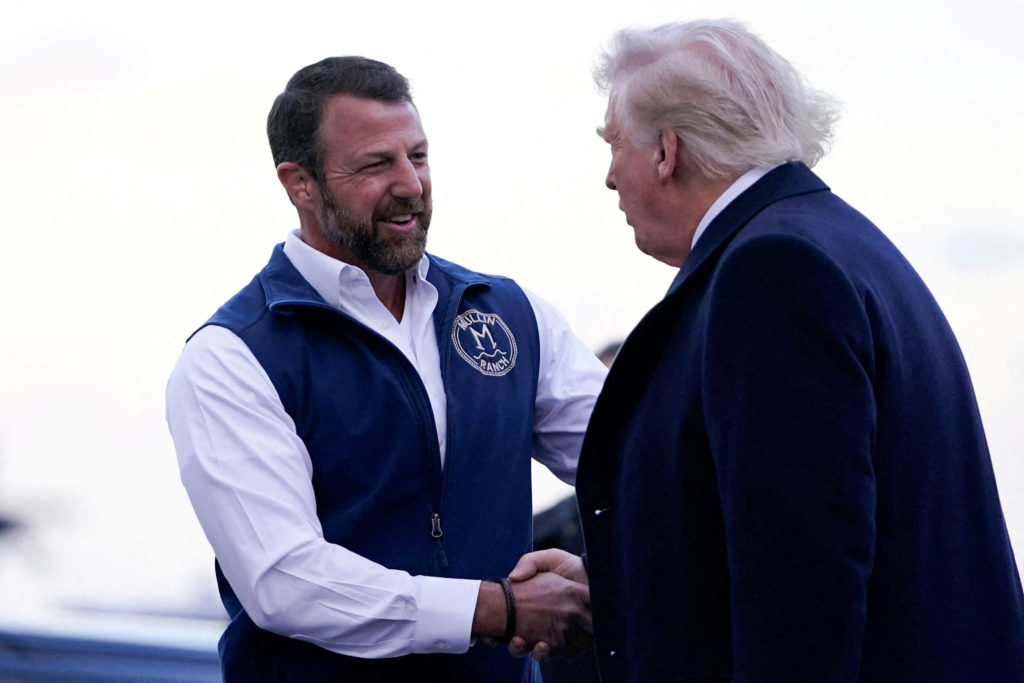
Markwayne Mullin, a former mixed martial arts fighter and collegiate wrestler, has swiftly carved out a unique niche in the U.S. Senate. His journey from the wrestling mat to political battlegrounds has been noteworthy, especially as he has forged connections with prominent figures in American politics, including former President Donald Trump. Their camaraderie blossomed during an NCAA wrestling event in Tulsa in 2023, marking the start of a more amicable relationship between the two.
### Trump’s High Praise
Trump’s endorsement of Mullin as a potential Secretary of Homeland Security underlines his rising political stature. On his Truth Social account, Trump described Mullin as a candidate who would “make a spectacular Secretary of Homeland Security.” This kind of backing from Trump certainly solidifies Mullin’s influence within the Republican Party and emphasizes his importance in ongoing national discussions.
### An Ambitious Agenda for Homeland Security
At the Capitol, Mullin emphasized his commitment to ensuring the Department of Homeland Security (DHS) remains laser-focused on protecting the homeland. His straightforward approach is reflected in his statement: “No matter if you support me or you don’t support me, I’m going to be laser-focused on getting that done.” This declaration showcases his determination to prioritize national safety, a critical issue for many constituents.
### Mullin’s Rise in Politics
Mullin’s political ascension began when he emerged victorious from a crowded Republican primary to win Oklahoma’s vacant U.S. Senate seat in 2022. Prior to entering politics, he successfully ran a plumbing business, famous for its vibrant red vans emblazoned with “The Red Rooter.” Branding himself as a political outsider, he campaigned against government regulations, resonating with voters who shared his frustrations. Ultimately, he secured a seat representing Oklahoma’s 2nd Congressional District, a region that had historically leaned Democratic but has gradually shifted conservative.
### A Fighter’s Reputation in Congress
In the Senate, Mullin has developed a reputation as a fighter, not just in his previous sports but also in his vibrant exchanges in Congress. A particularly memorable moment occurred during a hearing with the International Brotherhood of Teamsters, where he demonstrated his combative style by challenging the union leader, Sean O’Brien, to stand up when tensions rose. His readiness to engage in rigorous discussions underscores his dedication to advocating for his beliefs.
### Social Media Sparring
Mullin’s presence isn’t limited to the Senate floor; he is also an active figure on social media. Known for sparring with critics online, he maintains an aggressive stance in defending Trump and his policies. However, despite his confrontational style, he is also recognized for being approachable and friendly in the halls of Congress, often seen donning a cowboy hat and boots while bouncing a rubber ball during casual chats with reporters.
### Bridging Gaps in the Political Sphere
Mullin’s role extends beyond a mere Senator; he serves as a vital link between the White House and Senate Republican leadership. Drawing on his prior experience in the House, he builds relationships that are crucial for navigating the complex world of political alliances. He even leads workout sessions in the House gym, fostering camaraderie among colleagues.
### Notable Controversial Moments
His time in Congress has not been without controversy. During the chaotic U.S. withdrawal from Afghanistan in 2021, Mullin made headlines when he attempted to enter the country to rescue an American family. This bold move, aimed at aiding fellow citizens, illustrates his commitment to addressing pressing issues, even if it raises eyebrows.
### Facing Criticism
While Mullin has garnered significant support, he is not immune to criticism. His initial pledge to serve only three terms in Congress was broken when he announced plans to run for re-election, claiming that he had “not understood politics” when he made that vow. Additionally, he faced backlash for receiving substantial funds—between $800,000 and $1.9 million—through the federal Paycheck Protection Program meant for small businesses during the pandemic. A spokeswoman defended him by stating that he was not directly involved in daily operations of his companies.
### Advocacy for Native Communities
As a citizen of the Cherokee Nation, Mullin’s political initiatives often focus on issues crucial to tribal communities. His support for legislation related to tribal sovereignty and federal Indian policy reveals his commitment to advocating for Native American concerns. Notably, Cherokee Nation Principal Chief Chuck Hoskin Jr. praised Mullin for his understanding of tribal issues and expressed optimism about his potential role in Homeland Security.
### Addressing Immigration Concerns
Mullin’s background uniquely positions him to address ongoing immigration issues affecting tribal citizens, especially with reported incidents of ICE detaining members of federally recognized tribes. His perspective as a tribal member lends authenticity to his promise to advocate for the rights and protection of Native communities, especially in the current heated immigration climate.

The Best Celebrity Dog Fathers#(president of usa, actor star)

Seagull Video Moment Funny Animals Compilation #3

House Votes Against Iran War Powers Resolution by a Narrow Margin

#1 Music Celebrity: Helping Animals Makes you Happy. Not Money & Fame

😍 Cutest Shih Tzu 😂 Funny and Cute Shih Tzu Puppies and Dogs Videos

Advocates Urge Preservation of State Climate Law Without Amendments

U.S. Pledges $20B in Maritime Reinsurance as Iran Tightens Grip on Strait of Hormuz – National

Netflix Withdraws from Meghan Markle’s $64 Candle Venture

Title: “Despite a Strong Week of Wall Street News, Bitcoin Faces a $110 Billion Loss”

White House Unveils Video Featuring Hollywood Stars Advocating for ‘Justice the American Way’ | Trump Administration

Who Is Really Voting in These Polls? The Shocking Truth Behind America’s Approval Numbers

Blueprint for a “Tax-Free America” That Actually Works

Police Issue Warrant for Bar Patron Alleged to Have Assaulted Multiple Individuals

Winter Storm Provides Much-Needed Surge for Tug Hill Snowmobile Industry

Four Forecasts for 2026

It Took 35 Years for T. rex to Reach Full Maturity

Major Indices Experience Weekly Declines as Treasury Yields Reach Four-Month High

EXCLUSIVE: Will Smith’s Former Best Friend Bilaal Breaks Silence in Explosive Tasha K Interview — Lawsuit, Scientology Allegations, and Claims of an Attempt on His Life

2026 NFL Coaching Update: John Harbaugh Nearing Deal with Giants; Mike Tomlin Not Expected to Coach Next Season

Top Picks from CES 2026: Editors Select the Best Products and Technologies
The Best Celebrity Dog Fathers#(president of usa, actor star)
Seagull Video Moment Funny Animals Compilation #3
#1 Music Celebrity: Helping Animals Makes you Happy. Not Money & Fame
😍 Cutest Shih Tzu 😂 Funny and Cute Shih Tzu Puppies and Dogs Videos

Sing 2 Trailer Released, Celebrity Cast Celebrate: Reese Witherspoon, Bono, Hasley, Pharrell, +More
![Animals Getting Scared Over Nothing 😂 [Funny Pets]](https://i0.wp.com/i.ytimg.com/vi/O0W9ToOrmr4/maxresdefault.jpg?resize=80%2C80&ssl=1 "Animals Getting Scared Over Nothing 😂 [Funny Pets]")
Animals Getting Scared Over Nothing 😂 [Funny Pets]

PAWS RPO Campaign featuring PAWS celebrity volunteer, Karylle

The Best Corgi Compilation On The Internet 2023 | Funny and Sassy Moments @FurryTails

Save Celebrity souls form hell..

These Cats Can Speak English Better Than Hooman 🙀
-

 Entertaiment9 hours ago
Tyler Jaggers: Coast Guard Rescue Swimmer Passes Away Days After Mission Incident; Fiancée Honors His Memory
-

 Crime & Justice19 hours ago
Police Report: March 6, 2026 | Latest Updates
-

 Comedy1 day ago
feeding carrot beans and radish to the hungry monkey
-

 Science19 hours ago
Engineers Introduce High-Efficiency Liquid CO₂ Energy Storage Solution for Renewable Power Grid Stability
-
 Business7 hours ago
Netflix Withdraws from Meghan Markle’s $64 Candle Venture
-

 US News19 hours ago
The Potential Effects of the Iran War on States and Local Communities
-

 Comedy22 hours ago
CATS vs DOGS: Totally Bonkers and Wildly Unpredictable
-

 Comedy1 day ago
Cane Corso — Majestic And Funny Videos And Tik Toks Compilation