
Politics
Nepal Election: Former Rapper’s Party Tops Initial Results

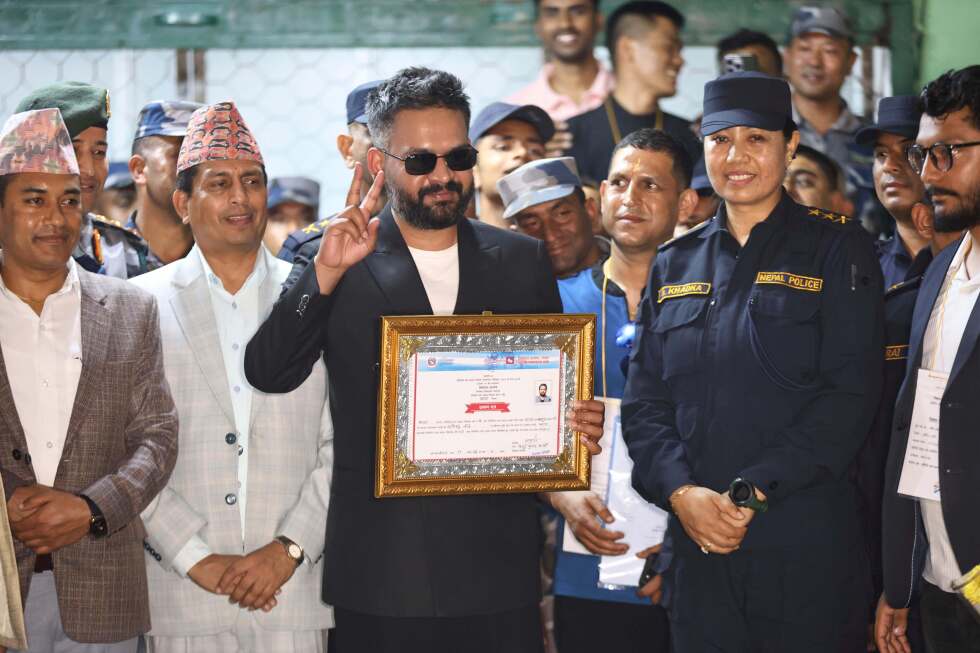
A New Wave in Nepal: Rise of the Rastriya Swatantra Party
KATHMANDU, Nepal — In a significant shake-up of Nepal’s political landscape, preliminary results from the recent parliamentary elections indicate that a new political party, the Rastriya Swatantra Party (National Independent Party), is leading the race. This marks a critical moment in a nation still reeling from the impacts of last year’s youth-led movement that sought accountability and reform in governance.
The Emergence of a New Political Force
The Rastriya Swatantra Party has debuted robustly in these elections, already securing 60 out of 165 directly elected parliamentary seats, with leads in an additional 61 constituencies as reported by Nepal’s Election Commission. This meteoric rise is noteworthy given that the party was founded just last year.
At its helm is Balendra Shah, a 35-year-old former rapper who captured public attention through his electrifying performance in the 2022 Kathmandu mayoral election. Shah, known for his charismatic presence and relatable background, has rapidly transformed from a cultural icon into a serious political contender, making him a symbol of hope for many disillusioned voters.
The Campaign and Key Issues
Shah’s campaign has revolved around pressing societal issues, particularly emphasizing healthcare and education for the marginalized communities in Nepal. His approach has resonated deeply with young voters and those frustrated by traditional political parties’ failures to address these critical areas. Contrasting sharply with established political figures, Shah’s message has been delivered through social media and grassroots movements that engage the youth, highlighting a shift toward more modern campaigning in Nepal.
In a notable electoral showdown, Shah directly contended against former Prime Minister Khadga Prasad Oli, winning by a remarkable margin. This victory, where Shah garnered nearly four times as many votes as Oli, underscores a growing public sentiment that favors fresh leadership over the status quo.
Imperative Voter Engagement
The ongoing counting of votes signifies a determined electorate eager for change. With 165 seats being filled through direct elections and an additional 110 seats to be allocated via proportional representation, this election represents a significant moment for civic engagement. Rumors indicate that these results will evolve further, with official announcements expected shortly as ballot boxes are retrieved from remote mountain areas, often via helicopters due to the challenging terrain.
This election is characterized as a three-way contest, with widespread voter discontent over issues like corruption and a demand for greater government accountability shaping the landscape. Traditional parties, especially the Nepali Congress and the Communist Party of Nepal (Unified Marxist–Leninist), find themselves wrestling with a resurgent opponent that has swiftly garnered substantial support.
The Aftermath of Protest
The backdrop to this election is the 2025 public protests, triggered by pervasive corruption and governance failures, which escalated into a widespread revolt. These protests, initially sparked by a controversial social media ban, led to tragic confrontations, resulting in dozens of deaths and hundreds of injuries. The outcry from this turmoil has galvanized many to demand change, making the Rastriya Swatantra Party’s ascent a response to the fervent calls of a frustrated populace.
Political Future and Challenges Ahead
The electoral success of the Rastriya Swatantra Party signifies not merely a shift in party power but a larger movement toward transformational governance in Nepal. As the final results are anticipated, the implications of Shah’s emerging leadership will undoubtedly be felt across the political spectrum. The electorate is watching closely, hopeful that this new movement can fulfill the promises of accountability and reform that have long been yearned for.
The Rastriya Swatantra Party’s success could spark a continued challenge to the entrenched political processes and norms in Nepal, shaping the very fabric of its democracy as it moves forward into uncharted territory.
Politics
Trump News Brief: President Issues Ultimatum to Congress for Voter ID Bill Approval | Trump Administration

Trump’s Renewed Push for Voting Restrictions: The Save America Act
On Monday, former President Donald Trump reignited his campaign for the Save America Act, a controversial piece of legislation aimed at tightening voting access. This renewed fervor was coupled with his assertion on Sunday that he would not sign any bills unless Congress approves this legislation.
Key Proposals Within the Save America Act
During a speech at a Republican event in Miami, Trump emphasized several critical components of the proposed act. Among the most contentious provisions is a mandate requiring all voters to show proof of citizenship to participate in elections. He stated, “No mail-in ballots, except for illness, disability, military, or travel.”
Trump’s Theoretical Impact on Elections
Trump claimed that if the Save America Act were to pass, it would significantly disadvantage the Democratic Party in future elections, suggesting that they “probably won’t win an election for 50 years and maybe longer.” This assertion aligns with his long-held narrative regarding voter fraud, despite the lack of credible evidence supporting such claims.
Concerns from Voting Rights Advocates
Voting rights groups have raised alarms about the implications of the Save America Act, asserting that it could disenfranchise millions of American voters. Currently, only about half of the population possesses a valid U.S. passport, which is a common form of identification that may be needed under the new law. Advocates have particularly highlighted how this legislation could disproportionately affect certain demographics, including married women whose identification may not match their current names due to name changes.
The White House’s Involvement
Moreover, the Biden administration has expressed concerns over proposed additions to the voting bill concerning transgender issues. White House Press Secretary Karoline Leavitt mentioned last week that Trump has aimed to incorporate priorities that include a ban on “transgender transition surgeries for minors.” This aspect of the Save America Act is expected to intensify the debate surrounding both voting rights and LGBTQ+ rights.
Trump’s Ultimatum: No New Legislation Without Voter ID Act
On Sunday, Trump reiterated his stance on social media, demanding immediate action on the Save America Act, stating that it “must be done immediately” and “supersedes everything else.” His rhetoric illustrates a fixation on the belief that noncitizens are jeopardizing U.S. elections, a narrative that has not seen substantial corroboration from reputable sources.
What’s Next for the Legislature?
With elections approaching, Trump’s insistence on the Save America Act may force Congress into a corner. If lawmakers choose to disregard his directive, they risk being entangled in a standoff with one of the most prominent figures in the Republican Party, whose influence continues to resonate widely among his base.
Additional Context: Trump’s Broader Political Landscape
Understanding this legislative push also involves recognizing the broader political context. Trump’s assertions of election malfeasance stem from a historical anxiety within the Republican Party regarding voter mobilization driven by demographic changes. The Save America Act is not just a specific legislative proposal; it’s an emblematic reflection of an ongoing struggle for control within the electoral landscape.
In summary, the Save America Act encapsulates a myriad of complex issues ranging from voter rights to broader implications for various demographic groups. Trump’s commitment to this legislation is likely to create ripples in political conversations, influencing both legislative agendas and voter sentiment leading up to the next electoral cycle.
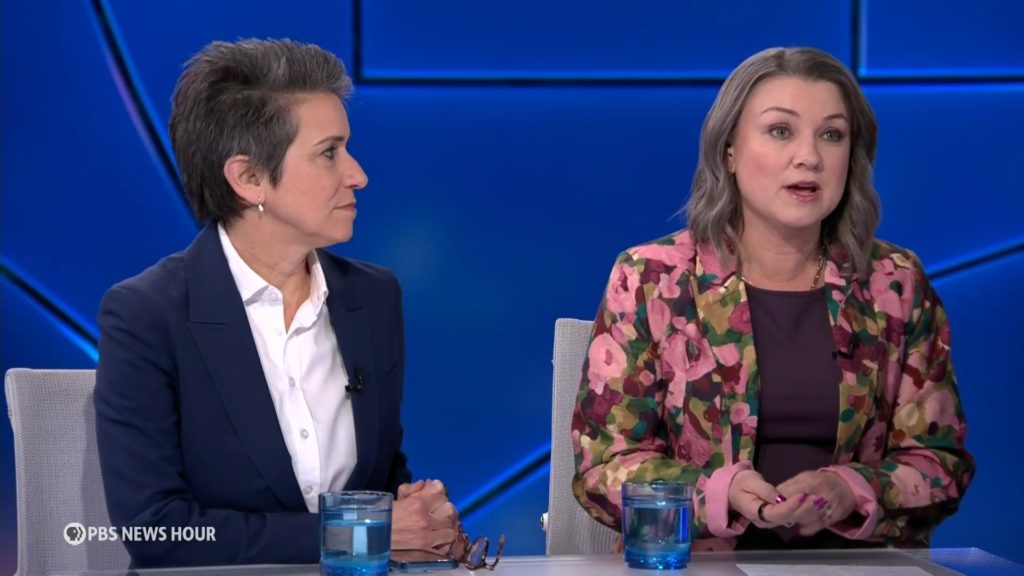
The Political Landscape Amid Military Actions in Iran
In recent discussions surrounding the political repercussions of the military operations in Iran, analysts and political commentators have raised significant questions. As House Republicans convened at President Trump’s golf club in Doral, Florida, the backdrop was marked by escalating tensions overseas and domestic economic challenges. Geoff Bennett of PBS NewsHour initiated the conversation, highlighting the intertwining dynamics of foreign policy and electoral strategy as we approach the midterms.
Trump’s SAVE America Act: A Focus on Midterm Messaging
Tamara Keith from NPR elaborated on President Trump’s pitch to Republicans regarding the SAVE America Act—a proposed piece of legislation that embodies the party’s current priorities. Despite skepticism about its passage in the Senate, Trump framed this act as crucial to the Republicans’ midterm strategy. Key provisions include stricter voting requirements, such as proof of citizenship and measures addressing transgender participation in sports. By branding this legislation as fundamental to their core message, Trump aims to energize the party base and shape voter perceptions.
The Stakes of Affordability
Amy Walter of The Cook Political Report acknowledges that the economy looms large in the minds of voters, with affordability serving as the primary concern. While the White House has encouraged Republicans to emphasize economic successes, including tax cuts, the realities of rising living costs have complicated this narrative. The administration’s ongoing military engagement in Iran adds further uncertainty, casting a shadow over plans to pursue an affordability agenda, which was previously thought to be the focal point of the upcoming electoral conversations.
Republican Anxiety and Resignation
As the midterms draw nearer, anxiety appears to be permeating Republican circles. Walter notes a palpable sense of resignation among party members concerning their slim House majority. With historical trends suggesting that the party in power often suffers losses during midterm elections—especially when the sitting president’s approval rating is low—the GOP is bracing for challenging times. Key strategies appear to revolve around minimizing losses and keeping the Senate secure from challenges.
The Administration’s Readiness in Foreign Relations
The military actions in Iran and its subsequent ramifications caught the White House off-guard, as reported by Keith. The scope of Iran’s retaliation, evidenced by drone and missile attacks on civilian targets in the UAE, raised alarms about the level of preparedness within the administration. While the White House projected confidence in managing oil prices in the wake of the conflict, rising fuel costs directly impact voters, undermining the affordability narrative they hoped to project.
Voter Concerns Over Economic Stability
Keith underlines the increasing disillusionment among voters regarding the administration’s focus on pertinent issues. Polls preceding the Iran conflict indicated a prevailing public sentiment that the president was not adequately addressing their economic concerns. Many swing voters cited the economy as a top priority, expressing worries that the ongoing military engagement could hinder the economic progress promised during the president’s campaign.
The Call for Focus on Domestic Issues
At the crux of these discussions lies a desire from Republican strategists for Trump to pivot attention from international conflicts to domestic economic challenges. Voters are looking for solutions to pressing problems, like rising grocery prices, which significantly affect their daily lives. The growing consensus is that the president’s focus should shift away from foreign affairs to economic issues that resonate more closely with ordinary Americans.
The Disconnect Between Leadership and the Electorate
As we grapple with the political fallout from military actions in Iran, the discourse among political analysts suggests a disconnect between the administration’s objectives and the electorate’s pressing concerns. Observations from both Keith and Walter suggest that if the president cannot address the anxiety about economic stability, the military’s influence on the political landscape may further complicate an already volatile midterm season.
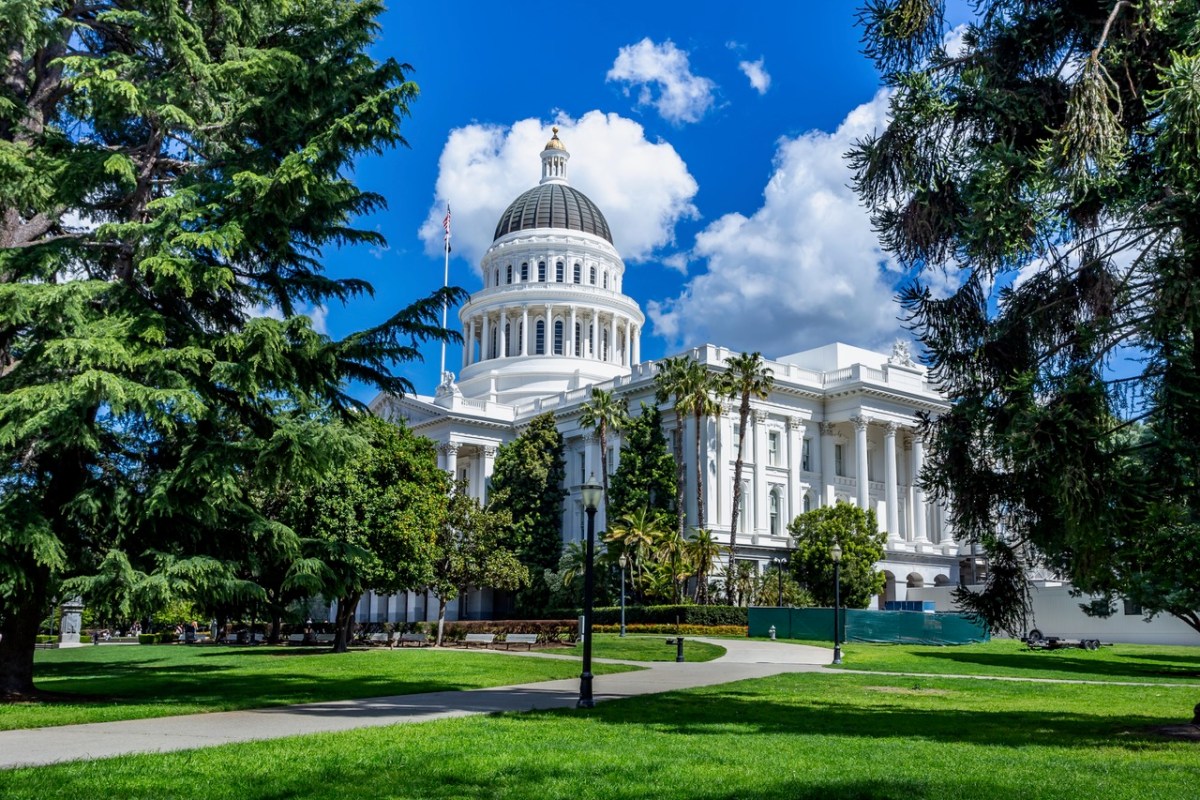
Honoring a Legacy: Rev. Jesse Jackson’s Impact and California’s Commitment to Justice
A Moment of Reflection
Last week, California Governor Gavin Newsom traveled to Chicago to pay tribute to Rev. Jesse Jackson at his funeral, a significant gathering that celebrated the life of a legendary figure in the civil rights movement. This memorial service, held on March 6, brought together an impressive list of national leaders, including former Presidents Clinton, Obama, and Biden, as well as former Vice President Kamala Harris. Together, they honored Jackson’s relentless pursuit of racial equality, voting rights, and economic justice that spanned over five decades.
Statewide Recognition
In the lead-up to Jackson’s memorial, Newsom ordered flags at the State Capitol and all state buildings to be flown at half-staff, a gesture of respect for the civil rights leader. Public memorials were followed by a private ceremony on March 7, with flags remaining lowered until sunset on March 8, illustrating the gravity of Jackson’s passing.
“Reverend Jackson paved the righteous path that we now must walk to fulfill his vision of a better world,” Newsom stated, emphasizing Jackson’s contributions and enduring legacy. This sentiment echoed the feelings of many political leaders and civil rights advocates as they reflected on Jackson’s tireless work addressing systemic racism and advocating for marginalized communities.
A Beacon of Hope
Jackson’s advocacy included organizing voter registration drives and leading impactful protests, pushing policymakers to confront and tackle the deep-rooted inequities in society. Members of the California Legislative Black Caucus (CLBC) voiced their appreciation for Jackson, with Chair Sen. Akilah Weber Pierson (D-San Diego) stating that Jackson was “a giant among us” who committed his life to ensuring America lived up to its promises of dignity and equality.
Progress in Judicial Diversity
In addition to honoring Jackson’s legacy, California is also making strides towards greater diversity within its judicial system. According to the 2026 Judicial Officer Demographic Data report released on March 2 by the Judicial Council of California, Black judges now constitute 9.9% of the state’s judiciary—a notable increase from just 4.4% two decades prior.
This annual report showcases a continued trend towards a more representative judiciary, reflecting the demographics of California. Notably, judges of Asian and Hispanic descent have also seen substantial increases in representation, contributing to a more diverse legal framework capable of understanding and advocating for all communities.
A Focus on Inclusive Track Record
The report highlights positive changes over the past 20 years, showing a collective increase of over 140% in the representation of Asian, Black, and Hispanic judges. Furthermore, women now comprise 44.9% of California’s judiciary, up from 27.1% in 2006. These statistics paint a picture of progress that resonates with the inclusive vision put forth by advocates like Jackson.
Judicial leaders maintain that enhancing diversity remains a critical priority. Efforts such as the Pathways to Judicial Diversity toolkit and statewide mentorship initiatives are designed to encourage attorneys from underrepresented communities to pursue careers in the judiciary.
Investment in Innovation and Small Businesses
On March 5, Governor Newsom announced more than $2 million in state funding aimed at boosting small businesses focused on developing innovative technologies. This funding opportunity arises as part of a statewide initiative encouraging entrepreneurs to apply for additional grants through the California Office of the Small Business Advocate (CalOSBA).
This funding supports startups in various sectors, including health technology and clean energy, illustrating the state’s dedication to fostering innovation and entrepreneurship. Grants, which range from $25,000 to $100,000, are aimed at helping these businesses grow and bringing new products to market, contributing to California’s reputation as a global hub for innovation.
Empowering Startups
With over 70% of grant recipients being pre-revenue startups, the initiative highlights the focus on developing future technologies and products. Several awardees have already secured patents or filed patent applications, underscoring the state’s commitment to cutting-edge research and innovation.
“We’re working to diversify the state’s innovation economy by recognizing early-stage businesses from all backgrounds struggling to break through barriers to capital,” said Elmy Bermejo, director of CalOSBA, emphasizing the office’s commitment to equity within the entrepreneurial landscape.
A Continuous Journey
California’s Accelerate California initiative connects startups with vital mentorship and access to funding, ensuring that diverse entrepreneurs have the resources they need to succeed. Since 2023, this program has supported more than 29,000 startups and small businesses, resulting in the creation of over 3,200 jobs statewide.
These developments highlight California’s multifaceted approach to social justice, entrepreneurship, and economic empowerment, aligning closely with the values and vision championed by Rev. Jesse Jackson throughout his remarkable life.

George Clooney Launches New Non-Alcoholic Beer: Entertainment News

Emma Minteer 2022 Celebrity Freestyle

My Dogs Try On Funny Halloween Costumes 🎃

Trump News Brief: President Issues Ultimatum to Congress for Voter ID Bill Approval | Trump Administration

20:10 celebrity century july 14th 2013

Best Staffordshire Bull Terrier Funny Compilation Videos | Try not to Laugh 😂 | Fluffyfun

Tamara Keith and Amy Walter Discuss Trump’s Midterm Message

Celebrity Dog Training | Celebrity Dog Trainers | Chip Diamond

Cute funniest Shih-Tzu compilation – Try not to laugh😂Funny animal compilation | Awww animals

Political Recap: Key California Capitol News You May Have Overlooked

Tyler Jaggers: Coast Guard Rescue Swimmer Passes Away Days After Mission Incident; Fiancée Honors His Memory

Who Is Really Voting in These Polls? The Shocking Truth Behind America’s Approval Numbers

Blueprint for a “Tax-Free America” That Actually Works

Police Issue Warrant for Bar Patron Alleged to Have Assaulted Multiple Individuals

Winter Storm Provides Much-Needed Surge for Tug Hill Snowmobile Industry

Four Forecasts for 2026

It Took 35 Years for T. rex to Reach Full Maturity

Major Indices Experience Weekly Declines as Treasury Yields Reach Four-Month High

EXCLUSIVE: Will Smith’s Former Best Friend Bilaal Breaks Silence in Explosive Tasha K Interview — Lawsuit, Scientology Allegations, and Claims of an Attempt on His Life

2026 NFL Coaching Update: John Harbaugh Nearing Deal with Giants; Mike Tomlin Not Expected to Coach Next Season
Emma Minteer 2022 Celebrity Freestyle
My Dogs Try On Funny Halloween Costumes 🎃
20:10 celebrity century july 14th 2013
Best Staffordshire Bull Terrier Funny Compilation Videos | Try not to Laugh 😂 | Fluffyfun
Celebrity Dog Training | Celebrity Dog Trainers | Chip Diamond
Cute funniest Shih-Tzu compilation – Try not to laugh😂Funny animal compilation | Awww animals

Murphy the dog turned into a celebrity at the local market!

Maalik ki👱🏻♀️🤣 animal_s funny moments 😹😹😹#animals #animallovers #petlovers #petcare @Ajju089

Ep 48: Life on QUARANTINE, PART 2 — (Funny Dogs Staying Home)

Funniest Dog Videos Ever (Part 1)
-
 Entertaiment4 days ago
Tyler Jaggers: Coast Guard Rescue Swimmer Passes Away Days After Mission Incident; Fiancée Honors His Memory
-

 Comedy5 days ago
feeding carrot beans and radish to the hungry monkey
-

 World News3 days ago
Oil and Gas Prices Surge Amid Escalating Conflict in Iran
-

 Business4 days ago
Netflix Withdraws from Meghan Markle’s $64 Candle Venture
-

 Crime & Justice3 days ago
Over 30 Injured in Nightclub Bombing in Northern Peru | Crime News
-

 Crime & Justice4 days ago
Police Report: March 6, 2026 | Latest Updates
-

 Science3 days ago
Domino Unveils the Quickest and Safest Way to Scale Enterprise-Agent AI Systems
-

 Comedy2 days ago
61 Funny Dachshund Dogs Videos Instagram, Funny And Cute Dachshund Dog Try Not laugh Videos