
Politics
Trump News Brief: US Leader Claims Iran is ‘Being Decimated’; Acknowledges Troop Deployment Remains an Option

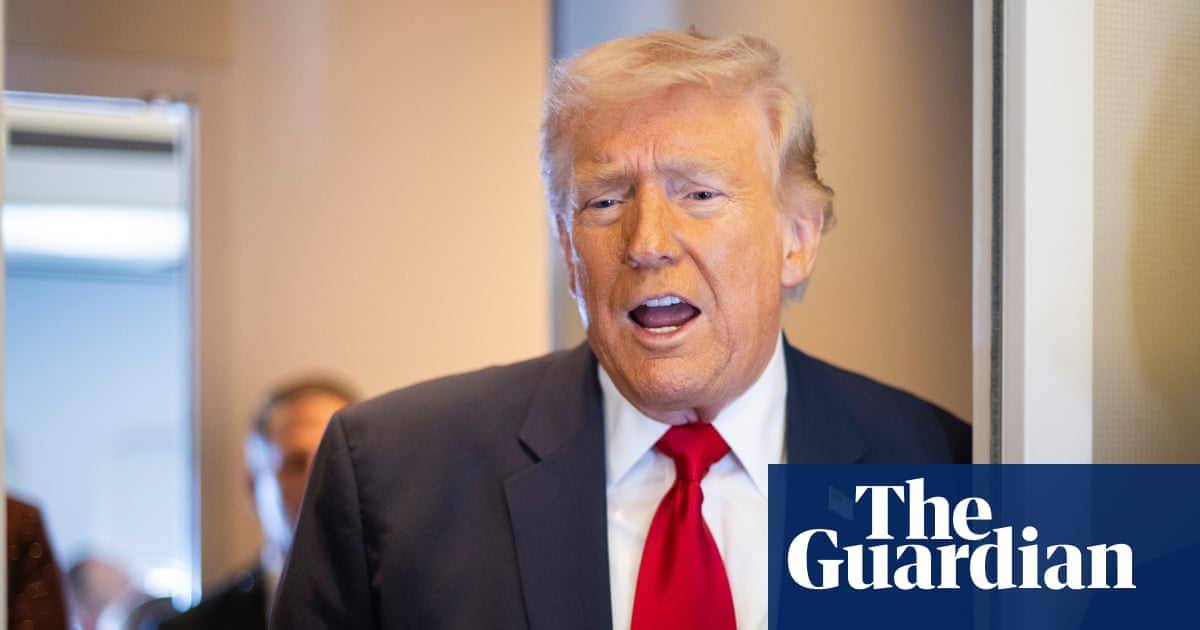
Tensions Rise: Trump’s Stance on Military Action in Iran
As the ongoing conflict in the Middle East escalates, U.S. President Donald Trump has sparked significant debate by indicating that the deployment of ground troops in Iran remains a possibility. This statement comes amid heightened tensions surrounding Iran’s nuclear capabilities and the fallout from last year’s Operation Midnight Hammer, an American-led strike on Iranian nuclear sites.
The Context of Trump’s Remarks
During a recent interview with The Guardian, Trump was pressed on whether he would consider sending troops to secure enriched uranium, which is believed to be stored in Iranian facilities previously targeted by U.S. airstrikes. His response suggested an openness to military action in the future: “We haven’t talked about it… At some point, maybe we will.” While emphasizing that this wasn’t an immediate consideration, he noted, “It would be a great thing.”
Ground Troops: A Potential Strategy
Trump elaborated that deploying U.S. troops could be considered under specific circumstances. He conveyed confidence in a potential ground war, suggesting that, if decisions were made, U.S. forces would decisively overpower Iranian defenses. “If we ever did that, they would be so decimated that they wouldn’t be able to fight at the ground level,” he stated, highlighting his belief in American military superiority.
However, he clarified that any such action would require compelling justification, hinting at an inkling of caution in what would be a high-stakes decision.
Criticism of Allies
In the same breath, Trump criticized the UK Prime Minister Keir Starmer for not providing immediate support for U.S. and Israeli strikes on Iran. He expressed disappointment in the U.K.’s hesitance, questioning their commitment to their role as a longstanding ally. In a striking social media post, Trump stated, “That’s OK, Prime Minister Starmer, we don’t need them any longer – But we will remember,” which underscores his frustration with perceived lack of support from key allies.
Dignified Transfer Ceremony at Dover
Amidst these international discussions, Trump attended a poignant event at Dover Air Force Base, where he participated in a dignified transfer ceremony for the remains of six U.S. service members killed in the ongoing conflict in the Middle East. This solemn occasion reflects the human cost of military engagements and serves as a reminder of the stakes involved in U.S. foreign policy.
Shift in Focus: The “Shield of Americas” Summit
In a notable shift of focus, Trump convened a summit called the “Shield of Americas” with twelve Latin American leaders at his golf club in Miami. The summit aimed to address regional issues and create a coalition against drug cartels, which Trump likened to the coalition formed to combat ISIS. Highlighting the need for unity against such threats, he underscored the administration’s pivot towards domestic and regional concerns even amidst brewing tensions overseas.
Other Developments
In addition to these significant discussions and events, the day was marked by various happenings relevant to U.S. policy and international relations. While the situation in the Middle East remains precarious, the attention to Latin America indicates a broader strategy at play within the Trump administration, emphasizing a multifaceted approach to global issues.
As developments unfold, the rhetoric surrounding military engagement and international alliances continues to engage analysts and the public alike, spotlighting the complexities and ramifications of U.S. foreign policy decisions.
A New Wave in Nepal: Rise of the Rastriya Swatantra Party
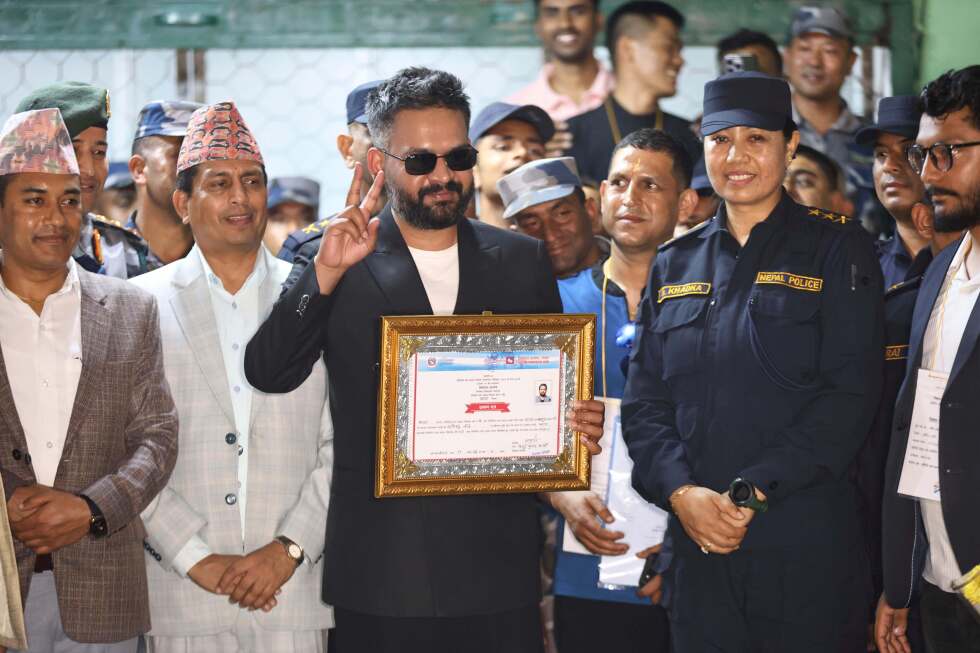
KATHMANDU, Nepal — In a significant shake-up of Nepal’s political landscape, preliminary results from the recent parliamentary elections indicate that a new political party, the Rastriya Swatantra Party (National Independent Party), is leading the race. This marks a critical moment in a nation still reeling from the impacts of last year’s youth-led movement that sought accountability and reform in governance.
The Emergence of a New Political Force
The Rastriya Swatantra Party has debuted robustly in these elections, already securing 60 out of 165 directly elected parliamentary seats, with leads in an additional 61 constituencies as reported by Nepal’s Election Commission. This meteoric rise is noteworthy given that the party was founded just last year.
At its helm is Balendra Shah, a 35-year-old former rapper who captured public attention through his electrifying performance in the 2022 Kathmandu mayoral election. Shah, known for his charismatic presence and relatable background, has rapidly transformed from a cultural icon into a serious political contender, making him a symbol of hope for many disillusioned voters.
The Campaign and Key Issues
Shah’s campaign has revolved around pressing societal issues, particularly emphasizing healthcare and education for the marginalized communities in Nepal. His approach has resonated deeply with young voters and those frustrated by traditional political parties’ failures to address these critical areas. Contrasting sharply with established political figures, Shah’s message has been delivered through social media and grassroots movements that engage the youth, highlighting a shift toward more modern campaigning in Nepal.
In a notable electoral showdown, Shah directly contended against former Prime Minister Khadga Prasad Oli, winning by a remarkable margin. This victory, where Shah garnered nearly four times as many votes as Oli, underscores a growing public sentiment that favors fresh leadership over the status quo.
Imperative Voter Engagement
The ongoing counting of votes signifies a determined electorate eager for change. With 165 seats being filled through direct elections and an additional 110 seats to be allocated via proportional representation, this election represents a significant moment for civic engagement. Rumors indicate that these results will evolve further, with official announcements expected shortly as ballot boxes are retrieved from remote mountain areas, often via helicopters due to the challenging terrain.
This election is characterized as a three-way contest, with widespread voter discontent over issues like corruption and a demand for greater government accountability shaping the landscape. Traditional parties, especially the Nepali Congress and the Communist Party of Nepal (Unified Marxist–Leninist), find themselves wrestling with a resurgent opponent that has swiftly garnered substantial support.
The Aftermath of Protest
The backdrop to this election is the 2025 public protests, triggered by pervasive corruption and governance failures, which escalated into a widespread revolt. These protests, initially sparked by a controversial social media ban, led to tragic confrontations, resulting in dozens of deaths and hundreds of injuries. The outcry from this turmoil has galvanized many to demand change, making the Rastriya Swatantra Party’s ascent a response to the fervent calls of a frustrated populace.
Political Future and Challenges Ahead
The electoral success of the Rastriya Swatantra Party signifies not merely a shift in party power but a larger movement toward transformational governance in Nepal. As the final results are anticipated, the implications of Shah’s emerging leadership will undoubtedly be felt across the political spectrum. The electorate is watching closely, hopeful that this new movement can fulfill the promises of accountability and reform that have long been yearned for.
The Rastriya Swatantra Party’s success could spark a continued challenge to the entrenched political processes and norms in Nepal, shaping the very fabric of its democracy as it moves forward into uncharted territory.

The Unfolding Drama of Georgia’s Republican Primary: Rick Jackson’s Bold Entrance
It’s been a month since billionaire Rick Jackson burst onto the scene in the GOP primary for governor of Georgia, and the fallout has been significant. An unexpected entrant to an already crowded race, Jackson has quickly made waves, transforming what many thought would be a settled three-way contest into a four-player showdown that’s anything but predictable.
A Self-Funded Juggernaut
Jackson, a health care executive with a considerable fortune, is not just participating; he’s heavily investing in his campaign. Promising to spend at least $50 million, Jackson has effectively outspent his competitors—making a notable dent in the advertising landscape. Since his campaign launch on February 3, he has shelled out around $16 million on ads, dwarfing the financial efforts of other candidates like Lt. Gov. Burt Jones, who is the Trump-endorsed front-runner, and Georgia Secretary of State Brad Raffensperger.
Redrawing the Race Dynamics
Before Jackson stepped in, the landscape seemed well-defined, primarily revolving around Jones, Raffensperger, and state Attorney General Chris Carr. However, Jackson’s entry shakes up the entire tableau, effectively courting Trump supporters even as the former president publicly backs Jones. This move complicates the primary, transforming it into a fierce battleground for MAGA voters, as Jackson attempts to establish himself as a Trump-like figure against candidates who have been part of the Georgia political establishment for years.
Early Polling Surprises
Jackson’s strategies are paying off, as some early polling has indicated he is leading or, at the very least, competing closely with his opponents, despite a significant number of undecided voters. According to political analyst Katie Frost, “You can’t get into the race promising to spend $50 million and not see a significant impact.” This spending fervor appears to reflect Jackson’s belief that a political opportunity lay within his reach.
The Landscape of Advertising
Jackson’s advertisements focus on familiar themes: presenting himself as a “straight-talking, Trump-supporting self-made outsider.” He shares personal anecdotes, discussing his tumultuous upbringing in the foster care system, and draws parallels with Trump’s narrative of an outsider challenging the status quo. While his ads typically promote his candidacy positively, he doesn’t shy away from attacks either, especially aimed at Raffensperger, whom he criticizes for rejecting Trump’s calls to overturn Georgia’s 2020 election results.
The Tension of Competing Endorsements
The primary season’s dynamics hinge on the fact that if no candidate garners more than 50% of the vote, the top two will proceed to a runoff. This reality looms larger now with Jackson’s emergence. Jones is already facing scrutiny as Jackson’s campaign unfolds, causing ripples through Jones’ voter base. This fracturing of support raises crucial questions about campaign strategies and endorsements, making the race all the more unpredictable.
An Analysis of Campaign Strategies
Jones, maintaining his close ties with Trump, continues to leverage the former president’s backing, which he believes is pivotal. In the midst of this, Jackson’s approach—downplaying the endorsements and focusing on reaching all Republican primary voters—remains strategic yet agnostic to specific alliances. Political operatives speculate that this could potentially split the Trump-aligned vote, a theory that could have serious implications for both Jones and Carr.
Historical Context
Looking ahead, Georgia’s voting trends remind observers that surprises are possible in this tightly contested primary. The state’s unique runoff system has produced unexpected outcomes in past elections, notably in 2018 when former Gov. Brian Kemp emerged triumphant against initial polling expectations. However, historical context also serves as a cautionary tale with Trump-backed candidates like former Sen. David Perdue losing to Kemp, signaling that big dollars and endorsements do not always equate to success.
Voter Sentiment: A Complex Landscape
As the race intensifies, candidates like Carr and Raffensperger are meticulously monitoring voter sentiment. Both express optimism that Jackson’s influx into the race could ultimately benefit them, especially if memory serves voters of previous notable failings among self-funded candidates. Carr’s assertion is clear: Jackson’s entrance is more of a setback for Jones than a threat to his own campaign.
Conclusion Left Unwritten
With the electoral battleground shifting daily, and voter sentiment remaining murky, the state of Georgia finds itself at the heart of a political drama fueled by money, ambition, and the complicated legacy of Donald Trump. As spring approaches and the May 19 primary nears, all eyes will be on how candidates pivot in this evolving landscape, making every move crucial in the race for Georgia’s top office.
Rising AfD Support Ahead of Bavarian Local Elections
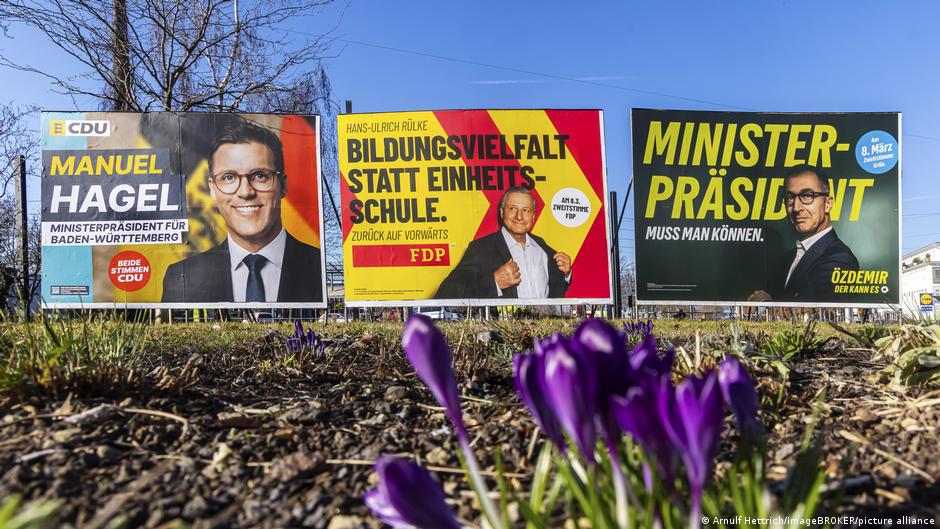
As Bavaria gears up for local elections this Sunday, over 10 million eligible voters are preparing to make their voices heard. They will be choosing mayors and city and district councillors, a process that remains vital for local governance and community representation. Unlike many other German states, where 16-year-olds can participate, Bavaria, along with Hessen, Rhineland-Palatinate, Saarland, and Saxony, restricts voting to those aged 18 and older.
The Political Landscape
The Christian Social Union (CSU), the Bavarian sister party to the Christian Democrats (CDU) at the national level, appears to be the frontrunner in the upcoming elections. Historically dominant in Bavarian politics, the CSU has established a strong presence in the region. However, the spotlight this election cycle is squarely on the Alternative for Germany (AfD) party, which is poised to make significant gains compared to its performance six years ago.
In the previous local elections, the AfD managed only 4.7% of the vote, dwarfed by the CSU’s 34.5% and the Green Party’s 17.5%. With shifting political sentiments and a growing base, recent surveys suggest the AfD could capture around 14% of the vote this time around, potentially positioning itself as the second-strongest party in local governance.
A Shift in Voter Sentiment
The evolution of support for the AfD reflects deeper trends in Bavarian society. The party, known for its vehemently nationalistic and anti-immigration stance, has resonated with voters feeling disillusioned by traditional parties. The latest survey from broadcaster Sat. 1 reveals a significant level of support for the AfD, sparking discussions about the changing dynamics of local politics in Bavaria.
In contrast, the Green Party, which had celebrated a record high in voter support in 2000, appears to be struggling. The same survey indicates that the Greens currently hold only about 10% of public support, raising questions about their relevance and strategies in a political landscape that is becoming increasingly polarized.
A Focus on Munich
The mayoral election in Munich, the state capital, is particularly noteworthy this year. Current Mayor Dieter Reiter of the Social Democrats (SPD) is running for a third consecutive term. While he is still viewed as the favorite to win, his campaign has been marred by controversy. A recent incident involving his use of a racially charged term during a council meeting has drawn public criticism and overshadowed his reelection bid.
Reiter’s situation illustrates the complexities of political campaigns where public perception can shift dramatically in response to emerging scandals, illustrating the high stakes of local elections.
The Road Ahead
As locals prepare for the election, it’s important to remember that the complexities of Bavaria’s voting system may mean that final results take several days to be tallied. This uncertainty could lead to heightened anticipation and analysis of the results, particularly regarding how the newfound momentum of the AfD will influence future political strategies and alliances in Bavaria.
With a mixture of traditional strongholds and emerging parties vying for attention, the outcome of this election could herald a significant transformation in the region’s political identity. Voters will not only make choices for their cities and districts but will likely help shape the trajectory of Bavarian politics for years to come.

Trump Administration Refutes Claims of Iran Capturing US Soldiers | Israel-Iran Conflict Update

Suspect Charged in McCully Murder and Kapolei Stabbing Attempt | Crime & Courts

When Speed Becomes a Liability: Reevaluating Third-Party Risks in Federal Decision-Making

Fremd High School Junior Finn Chapin Returns to the Sport He Loves After Rare Cancer Diagnosis

Shreya Ghoshal Pays Tribute to Lata Didi, Touches Hearts in Mumbai | Hindi Movie News

I Cuccioli Di Carlotta Top of Celebrity

New Vlogger of Turab and Sibtian | Shayan Funny Moment😂ft. @shehrmaindihat @wahabkamranofficial

Trump News Brief: US Leader Claims Iran is ‘Being Decimated’; Acknowledges Troop Deployment Remains an Option

Why Ryan Gosling’s Rescue Dogs Will Melt Your Heart!

61 Funny Dachshund Dogs Videos Instagram, Funny And Cute Dachshund Dog Try Not laugh Videos

Who Is Really Voting in These Polls? The Shocking Truth Behind America’s Approval Numbers

Blueprint for a “Tax-Free America” That Actually Works

Tyler Jaggers: Coast Guard Rescue Swimmer Passes Away Days After Mission Incident; Fiancée Honors His Memory

Police Issue Warrant for Bar Patron Alleged to Have Assaulted Multiple Individuals

Winter Storm Provides Much-Needed Surge for Tug Hill Snowmobile Industry

Four Forecasts for 2026

It Took 35 Years for T. rex to Reach Full Maturity

Major Indices Experience Weekly Declines as Treasury Yields Reach Four-Month High

2026 NFL Coaching Update: John Harbaugh Nearing Deal with Giants; Mike Tomlin Not Expected to Coach Next Season

EXCLUSIVE: Will Smith’s Former Best Friend Bilaal Breaks Silence in Explosive Tasha K Interview — Lawsuit, Scientology Allegations, and Claims of an Attempt on His Life
I Cuccioli Di Carlotta Top of Celebrity
New Vlogger of Turab and Sibtian | Shayan Funny Moment😂ft. @shehrmaindihat @wahabkamranofficial
Why Ryan Gosling’s Rescue Dogs Will Melt Your Heart!
61 Funny Dachshund Dogs Videos Instagram, Funny And Cute Dachshund Dog Try Not laugh Videos

Celebrity Infinity Holiday Cruise 2017 – VLOG

Super Funny Ferrets Videos – Don’t Try To Hold Back Laughter | Cool Pets

Celebrity Catwalk Paws in the City

Dogs vs Chucky : Funny Beagles Louie & Marie

The Controversial Cesar Millan | The Dog Whisperer

Herding Tame Cows Every Afternoon – Dancing Cows, Cows Sounds, Cows, Funny Cows, Cows Eating Grass.2
-
 Entertaiment2 days ago
Tyler Jaggers: Coast Guard Rescue Swimmer Passes Away Days After Mission Incident; Fiancée Honors His Memory
-

 Comedy3 days ago
feeding carrot beans and radish to the hungry monkey
-

 Crime & Justice2 days ago
Police Report: March 6, 2026 | Latest Updates
-

 Crime & Justice13 hours ago
Over 30 Injured in Nightclub Bombing in Northern Peru | Crime News
-

 Business2 days ago
Netflix Withdraws from Meghan Markle’s $64 Candle Venture
-

 Science2 days ago
Engineers Introduce High-Efficiency Liquid CO₂ Energy Storage Solution for Renewable Power Grid Stability
-

 World News1 day ago
Full Episode of PBS News Hour – March 6, 2026
-

 Science13 hours ago
Domino Unveils the Quickest and Safest Way to Scale Enterprise-Agent AI Systems