
Finance
Is a Stock Market Crash Imminent? Historical Trends Offer Mixed Insights for Investors.


Key Points
-
Key stock market indicators suggest volatility could be on the way.
-
However, there’s plenty of good news ahead for investors.
-
Investing in the right places is key to surviving a recession or bear market.
Many investors aren’t quite sure how to feel about the market right now. According to a February 2026 survey from the American Association of Individual Investors, around 35% feel optimistic about the next six months, 37% feel pessimistic, and the remaining 28% feel neutral.
So if you’re having mixed feelings about investing, you’re not alone. But what does the data say about the market’s future? History has both good and bad news about where we’re headed.
Will AI create the world’s first trillionaire? Our team just released a report on the one little-known company, called an “Indispensable Monopoly” providing the critical technology Nvidia and Intel both need. Continue »

Chart showing stock market volatility.
Stock market indicators are raising the alarm
First, the bad news: Multiple stock market metrics with a history of predicting downturns are showing red flags for investors.
The S&P 500 Shiller CAPE ratio, for example, is at nearly a record high. This metric measures the average inflation-adjusted earnings of the S&P 500 (SNPINDEX: ^GSPC) over the past 10 years, and it’s used to assess long-term valuations.
Historically, higher metrics suggest that prices could fall in the coming years. Its long-term average is around 17, and it peaked in 1999 at 44, just before the dot-com bubble burst. As of this writing, the metric is nearing 40 — the second-highest it’s ever been.

S&P 500 Shiller CAPE Ratio Chart
S&P 500 Shiller CAPE Ratio data by YCharts
The Buffett indicator is another metric with not-so-good news for investors. Popularized by Warren Buffett, it measures the ratio between the total value of U.S. stocks and U.S. GDP. It’s commonly used to determine market valuations, and the higher the figure, the more overvalued stock prices may be.
Warren Buffett used this metric to correctly predict the onset of the dot-com bubble burst. In a 2001 interview with Fortune, he explained how to interpret the data:
“For me, the message of that chart is this: If the percentage relationship falls to the 70% or 80% area, buying stocks is likely to work very well for you. If the ratio approaches 200% — as it did in 1999 and a part of 2000 — you are playing with fire.”
As of this writing, the Buffett indicator sits at around 219%.
The good news for investors
No stock market indicator is 100% accurate, and even if a pullback is coming, there’s no way to know exactly when it will begin. There’s always a chance that the market could have many more months of growth still ahead before the next bear market begins, and if you stop investing now, you could miss out on substantial earnings.
While all this uncertainty can be frustrating, the good news about the market is that its long-term potential far outweighs any short-term volatility.

^SPX Chart
History has proven time and again that the market can survive even severe economic uncertainty, and it usually recovers more quickly than many people think. The average S&P 500 bear market since 1929 has lasted just 286 days, or roughly nine months. The average bull market, on the other hand, has lasted nearly three years.
The most effective way to build wealth in the stock market is to invest in quality stocks and hold them for at least several years. Short-term volatility can be tough to stomach, but a strong portfolio filled with healthy stocks can set you up for lucrative long-term earnings — no matter what happens with the market.
Should you buy stock in S&P 500 Index right now?
Before you buy stock in S&P 500 Index, consider this:
The Motley Fool Stock Advisor analyst team just identified what they believe are the 10 best stocks for investors to buy now… and S&P 500 Index wasn’t one of them. The 10 stocks that made the cut could produce monster returns in the coming years.
Consider when Netflix made this list on December 17, 2004… if you invested $1,000 at the time of our recommendation, you’d have $519,015!* Or when Nvidia made this list on April 15, 2005… if you invested $1,000 at the time of our recommendation, you’d have $1,086,211!*
Now, it’s worth noting Stock Advisor’s total average return is 941% — a market-crushing outperformance compared to 194% for the S&P 500. Don’t miss the latest top 10 list, available with Stock Advisor, and join an investing community built by individual investors for individual investors.
*Stock Advisor returns as of February 28, 2026.
Katie Brockman has no position in any of the stocks mentioned. The Motley Fool has no position in any of the stocks mentioned. The Motley Fool has a disclosure policy.

Formula 1: The High-Octane World of Speed and Strategy in 2026
An Introduction to the Thrills of Formula 1
Formula 1 (FWONK) stands as the zenith of motorsport, combining blistering speeds exceeding 200 mph with cutting-edge technology and glamorous global venues like Monaco and Silverstone. As 2026 unfolds, Formula 1 is gearing up for a seismic shift that could redefine its landscape, particularly in the United States, a market burgeoning since the pandemic.
New Teams, New Rules
In 2026, fans can expect an influx of excitement as new teams enter the fray, notably Audi and Cadillac. This shift is complemented by new rules governing cars and engines, aimed at enhancing competition and viewer engagement. With the Australian Grand Prix fast approaching, these additions promise to attract even more eyeballs to an already booming series.
The Shift in US Broadcasting
One of the most significant changes for the 2026 season is the transition of broadcasting rights from ESPN (DIS) to tech giant Apple (AAPL). Starting this weekend, Formula 1 will exclusively stream its races via Apple TV, marking a notable pivot for the sport in the crucial US market. This change raises questions about accessibility and audience retention, as fans now must subscribe to Apple TV at a monthly cost of $12.99.
A Calculated Gamble for F1
The partnership with Apple presents both opportunities and risks for Formula 1. While Apple’s extensive ecosystem offers new ways to engage fans—integrating F1 content across multiple platforms—the reliance on a streaming service could alienate casual viewers who previously tuned in via traditional broadcast channels.
A Unique Collaboration with Netflix
As if the stakes weren’t high enough, Apple and Netflix (NFLX) recently announced a cross-platform deal that intertwines their F1 content. Netflix’s groundbreaking docuseries, “Drive to Survive,” which played a key role in popularizing Formula 1 in the US, will simultaneously stream on both platforms for the upcoming season. This unprecedented collaboration marks the first time a Netflix original will appear on a competing streaming service.
Apple’s Huge Investment
Apple’s foray into sports, while initially focused on projects like “F1: The Movie,” has culminated in a significant commitment for exclusive US broadcasting rights, purportedly costing around $150 million annually. This hefty sum reflects Apple’s intent to leverage its resources for content that resonates with diverse and affluent audiences, echoing the increasing popularity of Formula 1.
Racing into the Future
Despite criticisms regarding potential audience loss due to the shift from cable to streaming, some analysts believe this bold move may not be a negative development. Wolfe Research emphasizes that while ESPN had broader reach, much of it stemmed from a linear platform that may not suit the global nature of Formula 1 races, which often occur at unconventional times.
Strategy Beyond the Track
Formula 1 continues to innovate beyond the racing circuit. The integration of experiences across Apple’s vast array of services—from Apple Music playlists to custom content on Apple Maps—demonstrates a holistic approach to audience engagement, promoting a synergistic business model.
Engaging New Audiences
With the annual viewership in the US rising significantly—from 554,000 average viewers per race in 2018 to 1.3 million in 2025—Formula 1 recognizes the value of cultivating an affluent and diverse audience. This demographic attracts lucrative advertising opportunities and positions the sport for long-term growth.
Embracing the Momentum
Formula 1 executives express optimism about the partnership with Apple, emphasizing that it’s not merely about television reach but how effectively they can engage and connect with fans. The collaboration could prove instrumental in further integrating the sport into the lifestyle of its audience.
The Risks and Rewards
However, not all are convinced that moving to a streaming platform is a sound strategy. Detractors argue that reduced exposure may hinder growth in a key market. Still, there are voices within the industry arguing that unique partnerships like that of Apple and Netflix may stimulate interest in ways traditional platforms cannot.
The Formula for Success
As 2026 begins, the spotlight is on whether Formula 1’s bold steps will foster growth or deter fans. With an exciting season ahead, the success of this venture could hinge on fan reception and the execution of an integrated, multifaceted strategy. In the end, the vast array of content from both Apple and Netflix promises to deliver an engaging, high-speed experience for new and veteran fans alike.
With races that embody extreme skill and engineering, the synergy between Apple and Formula 1 could redefine how racing is consumed in the digital age.

Common Mistakes Mutual Fund Investors Make During Market Volatility
Investing can often feel akin to a rollercoaster ride, filled with highs and lows that test even the most seasoned investors. Nobel laureate Paul Samuelson famously suggested, “Investing should be more like watching paint dry or watching grass grow. If you want excitement, take $800 and go to Las Vegas.” This adage rings especially true during periods of market volatility, where nerve-wracking fluctuations can provoke panic and impulsive decisions.
Understanding Market Volatility
Market volatility is often spurred by various factors, including geopolitical tensions, economic shifts, and unexpected global events. For instance, the recent geopolitical tensions in the Middle East have culminated in market movements that leave many investors anxious. The key to navigating such turbulent waters lies not just in understanding the market dynamics, but also in managing one’s own emotional responses.
Many mutual fund investors find themselves making critical mistakes during these volatile spells, often driven by instinctual fears rather than strategic thinking.
The Pitfalls of Panic Selling
One of the most common missteps during market downturns is panic selling. When investors witness their portfolio values plummet, the immediate reaction often involves rushing to redeem mutual fund units to prevent further losses.
Dr. Jyoti Garg, an Assistant Professor of Finance and Accounting, emphasizes, “Panic selling locks in losses and deprives investors of potential gains when markets recover.” Historically, markets tend to rebound, rewarding those who remain patient and committed.
Frequent Fund Switching
Another frequent mistake made by investors is switching funds too frequently. The temptation to shift money between funds or sectors in search of better short-term performance can lead to poor long-term outcomes.
Jiral Mehta, Senior Manager – Research at FundsIndia, suggests maintaining your original asset allocation. “If your initial setup was 70% equity and 30% debt, stick with it. Frequent changes disrupt the balance and hamper long-term growth.”
Stopping Systematic Investment Plans (SIPs)
Systematic investment plans (SIPs) offer unique benefits during volatile periods as they allow investors to accumulate more units at lower prices. However, many investors stop their SIPs during downturns, fearing additional losses.
Mehta points out that suspending SIPs can drastically affect returns. “Investors miss out on purchasing units at reduced costs and potentially compromising their overall portfolio growth,” he notes.
Misguided Attempts to Time the Market
The allure of timing the market can be quite tempting. Many believe they can predict when to exit and re-enter investments based on market sentiments. However, consistently timing market fluctuations is exceedingly challenging even for professionals.
Ultimately, trying to time the market often leads to selling at low points and buying back at higher prices, significantly eroding potential returns.
Ignoring Asset Allocation
Volatility can upset the balance within a portfolio. Equity investments may falter while debt funds remain stable, leading many to overlook necessary adjustments.
Maintaining a well-balanced asset allocation is crucial. Mehta advises rebalancing when your portfolio strays from your original allocation guideline. For example, moving funds from debt back into equity when your equity allocation dips more than 5% can help stabilize your risk profile.
Lack of Diversification
A prevalent misconception among investors is equating ownership of various mutual funds with sufficient diversification. In reality, many end up concentrated in similar sectors or investment styles.
To truly benefit from diversification, investors should ensure their portfolios encompass a range of sectors, styles (like growth, value, or momentum), and geographical areas. This strategic distribution can significantly lower risk and enhance returns over time.
Conclusion
Regardless of the turbulence, maintaining a disciplined, informed approach to investing is paramount. By recognizing these common pitfalls, investors can navigate market volatility more effectively, keeping their long-term financial goals in sight.
For continual updates and insights, consider visiting personal finance platforms and consulting certified financial experts before making significant investment decisions. With careful planning, patience, and strategic thinking, the journey through market volatility can become much more manageable and promising.
Bitcoin’s Rollercoaster Ride: Bullish Developments and Macro Headwinds
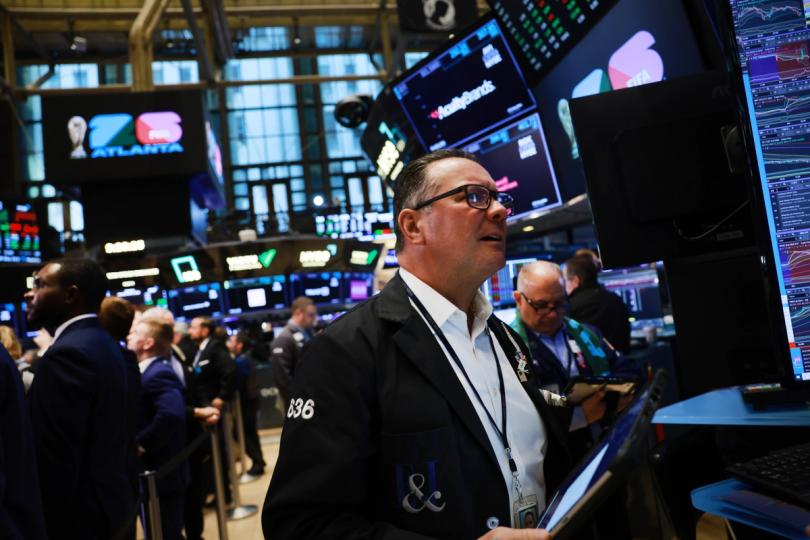
Bitcoin made headlines this past week by briefly pushing towards $74,000, buoyed by a wave of bullish news that seems to weave the cryptocurrency industry closer to traditional finance. As market watchers began dubbing this movement a bullish rally, one analyst even suggested that this new run “has legs.” However, the excitement was short-lived. By week’s end, Bitcoin slipped back below $69,000, shedding a staggering $110 billion in market capitalization.
Institutional Progress Amidst a Selloff
What’s intriguing is that this downturn follows what could be categorized as one of the sector’s most positive stretches of institutional news in recent months. Morgan Stanley announced that it would utilize Bank of New York Mellon as a custodian for its spot Bitcoin ETF exposure, thus reinforcing established Wall Street infrastructure around Bitcoin. This was complemented by Kraken gaining access to the Federal Reserve’s payment system, a milestone in the integration of crypto firms within the U.S. banking network.
Furthermore, the Intercontinental Exchange (ICE), which owns the New York Stock Exchange, made headlines by investing in crypto exchange OKX, valuing it at $25 billion. Even more notable, U.S. President Donald Trump urged traditional banks to establish workable relationships with the crypto industry. Any one of these developments would likely have sparked significant market excitement in earlier crypto cycles, yet now that institutional adoption is more of a reality, the market seems largely indifferent.
The Reality Check: Macro Forces at Play
The selloff was largely attributed to a strengthening U.S. dollar. This shift was accelerated by escalating tensions in Iran, with President Trump quashing hopes for any negotiated settlement. His allusion to “no deal with Iran” triggered a spike in oil prices and renewed inflation concerns, which in turn impacted interest rate expectations. As equities began to decline and the dollar index rose, cryptocurrencies—which have increasingly mirrored technology stocks—followed suit.
Compounding these macro factors were cracks appearing in Wall Street’s private credit market. Reports indicated that BlackRock began limiting withdrawals from its $26 billion private credit fund, stirring concerns among investors. Following similar troubles plaguing Blue Owl, the sentiment became even more fragile.
Who’s Behind the Selling?
In such volatile market conditions, one pressing question is: Who is selling? Data indicated that short-term Bitcoin holders were the ones cashing out as Bitcoin peaked at $74,000. These short-term holders transferred over 27,000 BTC—worth around $1.8 billion—to exchanges within 24 hours, representing one of the largest spikes in recent memory.
This demographic tends to be quick to react to price movement, often acting more like traders eager to lock in profits rather than investors committed for the long haul. Consequently, Bitcoin’s thin liquidity means even small sell-offs can significantly impact price action. It’s worth noting that the only short-term investors still in profit are those who entered the market between one week to a month ago, at a price closer to $68,000.
Institutional Investors: Signs of Re-engagement?
Despite the turbulent market, optimism isn’t entirely absent. A recent Binance Research report highlighted that U.S. spot Bitcoin ETFs recorded net inflows of approximately $787 million last week—the first positive week since mid-January. This suggests that some institutional investors may be starting to rethink their positions in light of a market that had seen consistent outflows.
Notably, university endowment funds, typically focused on long-term returns, have signaled interest in alternative investments, including digital assets. This reflects a growing appetite for crypto, especially amidst the daunting valuations of traditional equities.
Looking Ahead: A Balanced Perspective
It’s crucial to recognize that while institutional adoption has influenced market dynamics, the prevailing narrative is now heavily shaped by macroeconomic factors. Bitcoin has become increasingly intertwined with traditional financial assets, reacting to broader liquidity conditions and dollar strength.
Moreover, the speculative excess seen in earlier periods may now be receding. Bitcoin funding rates have recently plummeted to their lowest levels since 2023, an indication that leveraged positions have largely been unwound. Such conditions create a potentially healthier foundation for future price movements driven by genuine demand rather than speculative trading.
As this week’s events unfold, it’s clear that investors are split between short-term caution and long-term conviction. While recent price action has left many feeling skeptical, the undercurrents of institutional interest and evolving market structures suggest that the crypto landscape continues to mature.
Read more insights on this topic and the ongoing developments in digital assets by exploring recent analyses and reports from the industry.

Problem Of Celebrity Star Channel.. Publish Video Problem

Funny and Cute corgi puppies videos compilation 2021❤ Cutest corgis Ever! Part 2

How Trump’s Turmoil Is Increasing Therapy Visits: “Everything Feels Upside Down” | Mental Health

🆕 Celebrity Dog Training | Celebrity Dog Trainer | Nick White 🆕
![Best Giraffe Videos Compilation 🦒😂 [Funny Pets]](https://i0.wp.com/i.ytimg.com/vi/KwB-4yMEuC0/maxresdefault.jpg?resize=80%2C80&ssl=1 "Best Giraffe Videos Compilation 🦒😂 [Funny Pets]")
Best Giraffe Videos Compilation 🦒😂 [Funny Pets]

Trump Faces Challenges with Immigration, Inflation, and Iran as Democrats Gain Ground in Midterms

We Must Persevere in Our Fight for Our People

Leap into STEM Careers at Code Ninjas® Alexandria

Iran’s Ongoing Conflict with Us: Trump’s Efforts to Resolve It

Hate Crime Debate Resurfaces as Alan Wilson Discusses Governor’s Race

Who Is Really Voting in These Polls? The Shocking Truth Behind America’s Approval Numbers

Tyler Jaggers: Coast Guard Rescue Swimmer Passes Away Days After Mission Incident; Fiancée Honors His Memory

Blueprint for a “Tax-Free America” That Actually Works

Police Issue Warrant for Bar Patron Alleged to Have Assaulted Multiple Individuals

Winter Storm Provides Much-Needed Surge for Tug Hill Snowmobile Industry

Four Forecasts for 2026

It Took 35 Years for T. rex to Reach Full Maturity

Major Indices Experience Weekly Declines as Treasury Yields Reach Four-Month High

EXCLUSIVE: Will Smith’s Former Best Friend Bilaal Breaks Silence in Explosive Tasha K Interview — Lawsuit, Scientology Allegations, and Claims of an Attempt on His Life

2026 NFL Coaching Update: John Harbaugh Nearing Deal with Giants; Mike Tomlin Not Expected to Coach Next Season
Problem Of Celebrity Star Channel.. Publish Video Problem
Funny and Cute corgi puppies videos compilation 2021❤ Cutest corgis Ever! Part 2
🆕 Celebrity Dog Training | Celebrity Dog Trainer | Nick White 🆕
Best Giraffe Videos Compilation 🦒😂 [Funny Pets]

Cherry Ridge Ponies – Celebrity

Fox — Hilarious And Cute Videos And Tik Toks Compilation

Celebrity Karaoke KATV Mickey

Adorable Pups Take on Agility 🐶

Big League Exotics Boosie Celebrity Dog Show RECAP

Little Rogue! Cute & Funny Dachshund Dog Video!
-
 Entertaiment2 days ago
Tyler Jaggers: Coast Guard Rescue Swimmer Passes Away Days After Mission Incident; Fiancée Honors His Memory
-

 Comedy3 days ago
feeding carrot beans and radish to the hungry monkey
-

 Crime & Justice3 days ago
Police Report: March 6, 2026 | Latest Updates
-

 Crime & Justice1 day ago
Over 30 Injured in Nightclub Bombing in Northern Peru | Crime News
-

 Business2 days ago
Netflix Withdraws from Meghan Markle’s $64 Candle Venture
-

 Science1 day ago
Domino Unveils the Quickest and Safest Way to Scale Enterprise-Agent AI Systems
-

 World News1 day ago
Oil and Gas Prices Surge Amid Escalating Conflict in Iran
-

 Comedy1 day ago
61 Funny Dachshund Dogs Videos Instagram, Funny And Cute Dachshund Dog Try Not laugh Videos