
Crime & Justice
Suspect Charged in McCully Murder and Kapolei Stabbing Attempt | Crime & Courts

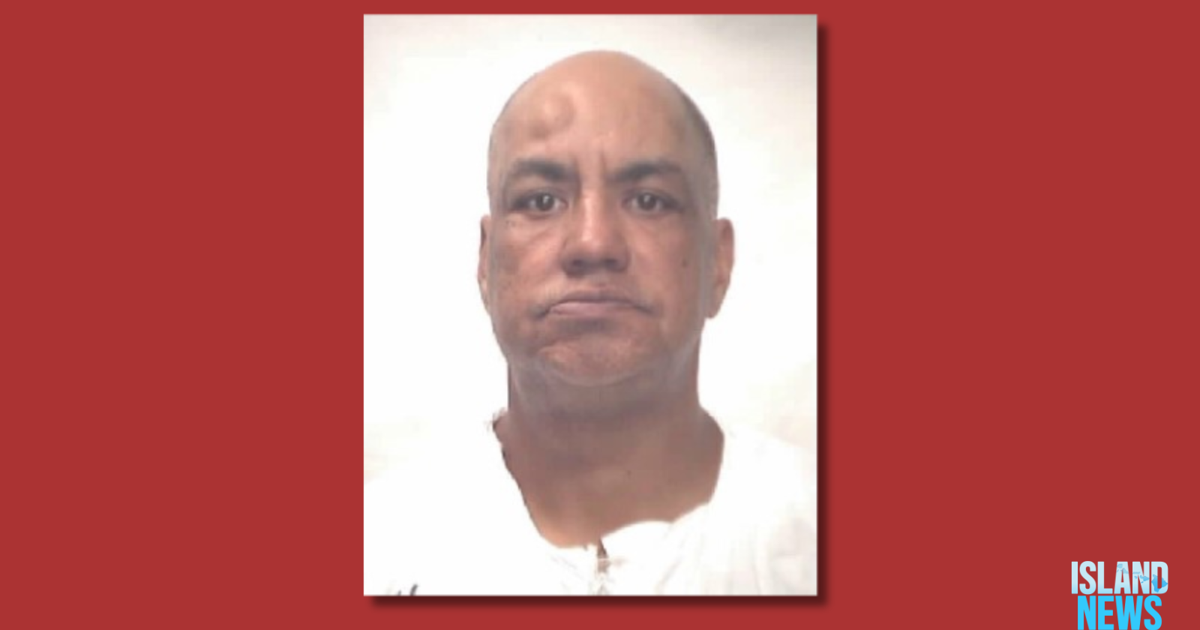
Overview of the Recent Stabbings in Honolulu
Incident Background
On Thursday, March 5, 2026, a troubling series of events unfolded in Honolulu, resulting in the arrest of 55-year-old John Nihipali Sr. He was implicated in two separate but connected stabbings—one in the McCully neighborhood and another in Kapolei. The first incident claimed the life of a 53-year-old woman, while the second left Nihipali’s estranged wife in critical condition.
Details of the Stabbings
Kapolei Stabbing Events
The first report filed with the Honolulu Police Department (HPD) came in at approximately 4:15 p.m. regarding a stabbing on Kealiiahonui Street in Kapolei. Upon arrival, officers found Nihipali outside a residence, brandishing a knife. Despite multiple commands to drop the weapon, he did not comply, prompting officers to deploy a stun gun, effectively incapacitating him.
Nihipali’s estranged wife was inside the residence at the time and had sustained a stab wound to her neck. A male resident who attempted to intervene was also attacked. In a desperate bid for help, the victim fled to a nearby home, where 911 was summoned. Emergency medical services rushed her to The Queen’s Medical Center, where she remains in critical condition.
McCully Stabbing Incident
A little over an hour later, HPD received a call about an unattended death at an apartment on Fern Street in McCully around 5:30 p.m. Upon arrival, officers discovered the deceased—identified as the same woman in the Kapolei incident—who had suffered multiple stab wounds and signs of defensive injuries.
Initial investigations indicated that Nihipali entered her apartment earlier that day and left around 2:45 p.m. Family members of the victim confirmed that he had visited her that morning.
Criminal Charges Filed Against John Nihipali Sr.
Following his arrest, Nihipali was charged with several serious crimes, including:
- First-degree attempted murder
- Second-degree murder
- Second-degree attempted murder
- First-degree burglary
- Second-degree escape
Currently, he is being held without bail, reflecting the severity of the situation.
Criminal Background of John Nihipali Sr.
A crucial element in understanding this case is Nihipali’s criminal history. He was a work furlough inmate at the Oahu Community Correctional Center (OCCC), released under a resocialization furlough program that allowed him to spend time outside the facility. He was previously serving a five-year term following a 20-year sentence for a prior crime related to domestic violence; he was convicted for slashing his wife’s throat in 2004. The court had mandated that he wear an ankle monitor during this furlough period.
Events Leading Up to the Stabbing Incidents
Surveillance footage is currently being reviewed by investigators as part of the ongoing inquiry into the connection between the two stabbings. Nihipali’s movements were tracked from his apartment in McCully to his estranged wife’s residence in Kapolei, where he arrived just before committing the second attack.
This tragic string of events raises questions about inmate furlough protocols and the effectiveness of monitoring systems, particularly for individuals with violent backgrounds. The case has sparked discussions within the community about public safety and the responsibilities associated with work furlough programs.
Continuing Investigation
As the investigation unfolds, HPD continues to gather evidence, interview witnesses, and assess surveillance footage to ensure a thorough understanding of the incidents. The sensitivity surrounding the case, given its connection with domestic violence and the resulting fatalities, underscores the broader issues of safety and rehabilitation within the justice system.
The community’s response to these stabbings has been one of shock and outrage amid growing concerns about crime and safety. As more details emerge, many await answers regarding how such a tragic series of events could unfold in their neighborhood.

Increasing Organized Crime in Peru: A Deep Dive into Corruption and Violence
Peru is currently grappling with a notable rise in organized crime, a phenomenon characterized by various forms of extortion and violence that deeply intertwine with governmental corruption. Analysts tracking this troubling trend assert that the erosion of democratic institutions and a lack of effective judicial oversight have created fertile ground for criminal enterprises to thrive.
The Current Landscape of Crime in Peru
Recent events illustrate the growing menace of organized crime in Peru. An alarming incident occurred in Trujillo, a coastal town, where a nightclub bombing injured 33 individuals, including minors. This attack highlights the extreme risks faced by everyday citizens in a country increasingly besieged by violence. Authorities are still investigating the circumstances surrounding this tragic event, which is part of a broader pattern in regions experiencing high levels of criminal activity.
This bombing followed a similar incident less than a month prior, signifying a disturbing escalation in incidents related to organized crime in Trujillo. Official data indicates that there were 136 bomb explosions in the city alone in 2025, underlining the severe threat posed by criminal organizations like gangs engaged in extortion and illicit mining activities.
The Connection to Government Corruption
Many experts point to the direct link between governmental corruption and the surge in organized crime. Over recent years, the Peruvian Congress has enacted laws that have systematically weakened mechanisms for government transparency and judicial oversight. This legislative shift has fostered an environment where organized crime can flourish unchecked.
In an alarming departure from democratic norms, the same government that has seen these lapses has also declared states of emergency in various regions, including Lima. These measures, while ostensibly aimed at curbing crime, often result in the suspension of civil liberties, raising serious concerns about potential human rights abuses.
Juanita Goebertus, Americas director at Human Rights Watch, articulated this connection succinctly: “Congress’ assault on the rule of law has left millions of Peruvians more exposed to the threats of organized crime.” As a result, communities feel increasingly vulnerable, and citizens’ trust in their government diminishes.
Rising Violence and the Impact on Society
The upsurge in organized crime corresponds with a significant spike in homicide rates across the nation. Government statistics reveal a startling 15 percent increase in homicides in 2025 compared to 2024, with nearly 2,200 homicides linked to organized crime last year. This deterioration in security is particularly evident in regions like La Libertad, where illegal mining operations and extortion rackets thrive.
Political instability exacerbates this cycle of violence. Peru recently swore in its ninth president within a decade, solidifying an atmosphere of uncertainty that fuels public anxiety. With the next general election set for April 12, many are keenly aware that issues of corruption and public safety will be key topics for the upcoming vote. Nearly 68 percent of Peruvians highlighted insecurity as their top concern, while 67 percent cited corruption as a critical issue.
The Role of Emergency Powers and Civil Liberties
The government’s reliance on emergency powers further complicates the social fabric of Peru. Implemented in response to rising public discontent and anti-government protests, these measures enhance law enforcement’s authority. However, they also stoke fears about possible overreach and injustice, especially among marginalized communities.
While intended to combat the rampant crime, such powers can lead to abuses that disproportionately affect those already facing socio-economic challenges. The tension between security and civil rights continues to be a volatile issue, particularly as the public grows increasingly frustrated with both crime and governmental ineffectiveness.
Looking Ahead
As Peru approaches its next presidential election, the interplay between organized crime and governmental corruption remains a pressing concern. Citizens are advocating for reform not only to tackle the immediate threats posed by crime but also to rebuild trust in their elected officials. With the challenges ahead, it is crucial for the Peruvian government to address both systemic corruption and the underlying social issues that fuel organized crime.
As these dynamics continue to unfold, the international community and human rights organizations will likely keep a close watch on Peru, hoping for a return to stability and respect for the rule of law. The path forward is fraught with challenges, but the voices of the Peruvian people may yet lead to meaningful change.
Crime & Justice
Barricaded Suspect Arrested Following Domestic Violence Shooting Standoff in White Center
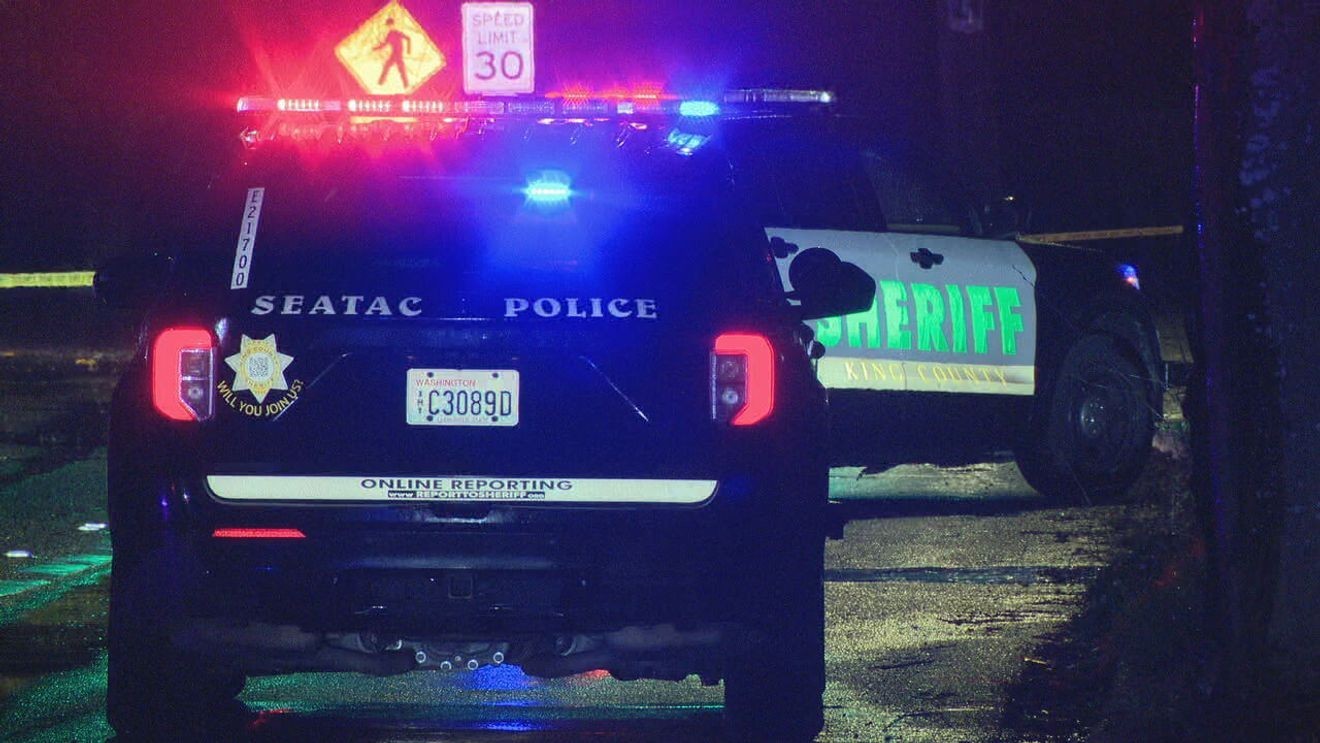
Shooting Incident in White Center Leads to SWAT Standoff
Background and Incident Timeline
On Friday evening, a shooting incident related to domestic violence unfolded in White Center, Seattle, prompting an immediate and intense law enforcement response. The sequence of events began around 5:45 PM when authorities received a 911 call from the 2500 block of SW 107th Way. Reports indicated that a shooting occurred inside a residence, sparking urgent concern for the safety of those involved.
SWAT Response and Arrest
As the situation escalated, the King County Sheriff’s Office (KCSO) quickly deployed a SWAT team to the scene. The standoff reached its climax at approximately 8:15 PM, when the barricaded suspect was taken into custody. The prompt actions by law enforcement likely prevented further violence and ensured the safety of those in the vicinity.
Detectives remained on-site following the arrest to process the crime scene, gathering crucial evidence as investigators worked to piece together the events that led to the shooting.
Injuries and Medical Response
The victim of the shooting was transported to a local hospital and is currently undergoing surgery. While specifics regarding their condition have not been disclosed, the urgency of the medical response underscores the severity of the incident and the potential consequences of domestic violence.
Impact on the Community
The shooting had a significant impact on local traffic, particularly affecting drivers traveling between Seattle’s Arbor Heights neighborhoods and White Center. Road closures were implemented to ensure the safety of both the public and responding officers, highlighting the disruption such incidents can have on daily life in the area.
Reckless Behavior During Standoff
During the tense standoff, a noteworthy incident occurred involving a woman who recklessly drove her van through a police roadblock and into the active scene. Captured on video by a KOMO News photojournalist, her actions raised alarm as she narrowly avoided colliding with officers, patrol cars, and SWAT vehicles. Following this dangerously reckless behavior, she fled the scene in her vehicle.
Authorities, including the KCSO, indicated that the woman could face multiple misdemeanor charges, including hit and run, reckless endangerment, and obstruction. This incident served as a stark reminder of the risks posed to public safety during emergency situations.
Law Enforcement Advisory
In light of this incident, the KCSO issued a reminder to the public emphasizing the importance of adhering to roadblocks and taped-off areas established by law enforcement. Such measures are critical for ensuring the safety of officers involved in high-stakes situations and the general public.
Final Thoughts
While this article presents the factual elements of a dangerous episode, the underlying issues of domestic violence and public safety remain pressing concerns. Each incident not only affects those directly involved but also reverberates throughout the community, necessitating ongoing dialogue and action to address these challenges effectively.

Legislative Action on Police and Crime Victim Identifiers in Florida
The Florida Legislature is poised to pass a measure this week aimed at safeguarding the identities of police officers and crime victims, following a significant legal ruling related to a controversial amendment known as “Marsy’s Law.”
A Brief History of Marsy’s Law
In 2018, Florida voters approved Marsy’s Law, a constitutional amendment intended to provide protections for crime victims by preventing the disclosure of their identities under public records law. However, this law became contentious when some police agencies interpreted it to extend protections to officers involved in lethal force incidents, claiming they were victims as well.
The state Supreme Court intervened in 2020, striking down parts of the amendment that safeguarded the identities of victims. The court’s decision left legislators with the opportunity to reassess and expand the law concerning identity protection.
The Current Legislative Proposals
As new bills progress through both the Florida House and Senate, they propose that if officers are assaulted or threatened while on duty, their identities will be kept confidential for 72 hours following the incident. Furthermore, identifying details about crime victims—especially those that could potentially lead to harassment or harm—would be shielded from public records indefinitely.
For instance, in cases akin to the George Floyd incident, where law enforcement officers were involved in a high-profile use-of-force situation, such measures could mean a temporary withholding of officers’ names from public access for up to two months following the incident.
Sponsorship and Support
The push for these bills is led by Rep. Kaylee Tuck from Sebring, alongside a companion bill sponsored by Sen. Erin Grall from Fort Pierce. For the bill to pass, it requires a two-thirds majority in the legislature, as it introduces new exceptions to current public records laws. If passed, the laws would need renewal after 2031.
Interestingly, while the bills aim to offer anonymity to law enforcement, they do not extend that privacy to victims in court proceedings. Under Florida’s constitution, defendants retain the right to confront their accusers, meaning victims’ identities would be disclosed in court documents.
The Origin and Impact of Marsy’s Law
Marsy’s Law is named for Marsy Ann Nicholas, a California college student who was tragically stalked and killed by her ex-boyfriend. The law was enacted nationally to preserve crime victims’ privacy, yet the application of these protections to police officers sparked considerable debate. Critics argue that extending such privacy to officers undermines the public’s right to transparency regarding law enforcement actions.
Jennifer Fennell, a spokesperson for Marsy’s Law for Florida, emphasized that transparency is crucial when assessing the conduct of on-duty officers involved in use-of-force incidents. “The right to privacy of their name must quickly yield to the public’s right to know,” she stated.
Diverging Perspectives on Privacy
Opinions are divided regarding the proposed legislative changes. Michael Koretzky, president of the Society of Professional Journalists, criticized the measures as governmental overreach. He highlighted the concern that allowing officers to label themselves as victims might lead to a lack of accountability for those wielding firearms.
Conversely, the Florida Police Benevolent Association advocated for the extension of protections, asserting that if an officer is a victim, they deserve the same confidentiality as a civilian. Lobbyist William Smith remarked on the commitment to ensuring officer anonymity in such scenarios, reflecting a collaborative effort between law enforcement and legislative representatives.
The 2023 Supreme Court Ruling
The recent Supreme Court ruling reaffirmed that Marsy’s Law does not offer blanket protections for on-duty law enforcement officers nor does it categorically shield the identities of crime victims. This decision stemmed from the City of Tallahassee’s refusal to disclose officers’ names in specific incidents, prompting legal challenges and framing the current legislative discussions.
The court underscored the conflict between Marsy’s Law and the constitutional right of defendants to confront their accusers and the public’s right to access public records. This ruling has effectively propelled the ongoing legislative dialogue regarding the balance of privacy and transparency in matters of public safety.
These developments in Florida embody a complex interplay between privacy rights, law enforcement accountability, and the broader implications of legislative actions aimed at protecting individuals affected by crime.

Big League Exotics Boosie Celebrity Dog Show RECAP

Little Rogue! Cute & Funny Dachshund Dog Video!

Rapper-turned-politician Balen Shah’s RSP Poised for Major Victory in Nepal Elections

Iran and the U.S.: A Legacy of Hostility

Get in Touch – The Press Democrat

Is a Stock Market Crash Imminent? Historical Trends Offer Mixed Insights for Investors.

Trump Administration Refutes Claims of Iran Capturing US Soldiers | Israel-Iran Conflict Update

Suspect Charged in McCully Murder and Kapolei Stabbing Attempt | Crime & Courts

When Speed Becomes a Liability: Reevaluating Third-Party Risks in Federal Decision-Making

Fremd High School Junior Finn Chapin Returns to the Sport He Loves After Rare Cancer Diagnosis

Who Is Really Voting in These Polls? The Shocking Truth Behind America’s Approval Numbers

Blueprint for a “Tax-Free America” That Actually Works

Tyler Jaggers: Coast Guard Rescue Swimmer Passes Away Days After Mission Incident; Fiancée Honors His Memory

Police Issue Warrant for Bar Patron Alleged to Have Assaulted Multiple Individuals

Winter Storm Provides Much-Needed Surge for Tug Hill Snowmobile Industry

Four Forecasts for 2026

It Took 35 Years for T. rex to Reach Full Maturity

Major Indices Experience Weekly Declines as Treasury Yields Reach Four-Month High

EXCLUSIVE: Will Smith’s Former Best Friend Bilaal Breaks Silence in Explosive Tasha K Interview — Lawsuit, Scientology Allegations, and Claims of an Attempt on His Life

2026 NFL Coaching Update: John Harbaugh Nearing Deal with Giants; Mike Tomlin Not Expected to Coach Next Season
Big League Exotics Boosie Celebrity Dog Show RECAP
Little Rogue! Cute & Funny Dachshund Dog Video!

I Cuccioli Di Carlotta Top of Celebrity

New Vlogger of Turab and Sibtian | Shayan Funny Moment😂ft. @shehrmaindihat @wahabkamranofficial

Why Ryan Gosling’s Rescue Dogs Will Melt Your Heart!

61 Funny Dachshund Dogs Videos Instagram, Funny And Cute Dachshund Dog Try Not laugh Videos

Celebrity Infinity Holiday Cruise 2017 – VLOG

Super Funny Ferrets Videos – Don’t Try To Hold Back Laughter | Cool Pets

Celebrity Catwalk Paws in the City

Dogs vs Chucky : Funny Beagles Louie & Marie
-
 Entertaiment2 days ago
Tyler Jaggers: Coast Guard Rescue Swimmer Passes Away Days After Mission Incident; Fiancée Honors His Memory
-

 Comedy3 days ago
feeding carrot beans and radish to the hungry monkey
-

 Crime & Justice2 days ago
Police Report: March 6, 2026 | Latest Updates
-

 Crime & Justice15 hours ago
Over 30 Injured in Nightclub Bombing in Northern Peru | Crime News
-

 Business2 days ago
Netflix Withdraws from Meghan Markle’s $64 Candle Venture
-

 Science2 days ago
Engineers Introduce High-Efficiency Liquid CO₂ Energy Storage Solution for Renewable Power Grid Stability
-

 World News15 hours ago
Oil and Gas Prices Surge Amid Escalating Conflict in Iran
-

 World News1 day ago
Full Episode of PBS News Hour – March 6, 2026