
Crime & Justice
Police Blotter: February 13 to March 4 – San Diego Union-Tribune


Delving into the San Diego Police Blotter: Insights from Recent Incidents
The police blotter serves as a crucial window into community safety and criminal activity. By examining recent reports from the San Diego Police Department, we gain a clearer understanding of the challenges and concerns facing local residents. Below are some of the notable incidents reported in February and March.
Vandalism in La Jolla
On February 13, a case of felony vandalism was reported in the 5400 block of La Jolla Boulevard at 9 p.m. Vandalism not only damages property but also can be a source of anxiety for residents who worry about safety in their neighborhoods. While details surrounding this incident were scarce, it underscores a recurring theme of property crimes in the area.
Vehicle Crimes on the Rise
Vehicle-related crimes were notably prevalent throughout this period.
-
On February 16, a vehicle break-in occurred in the 8300 block of Camino del Oro at 11:30 a.m. Vehicle break-ins can leave victims feeling exposed and vulnerable, prompting widespread concern for personal safety and the security of personal belongings.
-
A series of felony vehicle thefts were reported in subsequent days, particularly alarming for residents who depend on their vehicles for daily activities. For instance, a theft was logged at Calle Corta and La Jolla Shores Drive on February 23 at 4 p.m., followed by another incident on February 25 at Bayard Street and Sapphire Street at 10:15 a.m., highlighting a pattern of vehicle crimes in busy districts.
-
Further thefts continued, including several more on February 26 and March 4, where incidents spanned from 3100 block Via Alicante to 6400 block La Jolla Boulevard, demonstrating the vulnerability of vehicles in various neighborhoods.
Serious Crimes and Ongoing Investigations
One of the more serious incidents reported was a rape on February 25 in the 5600 block of Desert View Drive. The San Diego Police Department has classified the matter as an ongoing investigation, emphasizing that there is no threat to the public as stated by Lt. Nydia Castro. Crimes of this nature can instill fear within communities, making it essential for law enforcement to communicate openly about the status of their investigations to alleviate public concern.
Commercial Burglary and Theft
A commercial burglary was reported on February 28 at 7800 block Girard Avenue around 2:10 a.m. This incident reflects broader trends in property crimes that can adversely affect local businesses. Theft, such as that reported later on the same day at the 6400 block of La Jolla Boulevard, keeps residents and business owners alert to potential risks in their daily lives.
Substance-Related Incidents
In addition to property crimes, several incidents related to driving under the influence and controlled substances were reported.
-
A case of driving under the influence (DUI) was recorded on March 2 at 6700 block La Jolla Boulevard around 9:52 a.m. DUIs have significant implications for road safety and can put everyone on the road at risk, prompting discussions about the need for community awareness and interventions.
-
Additionally, on March 3, police reported an incident involving the use or influence of a controlled substance in the 1000 block of Wilbur Avenue at 3 a.m. Substance abuse can often correlate with higher crime rates, and community programs remain crucial in addressing and mitigating these issues.
Elder Abuse Concerns
A pressing incident on March 4 involved allegations of elder abuse or neglect in the 400 block of Gravilla Street reported at 8:10 p.m. Elder abuse is a particularly sensitive issue that not only affects the victims but also raises alarms for families and caregivers who may be concerned about the safety and well-being of their loved ones. This highlights the importance of community vigilance and support systems to safeguard vulnerable populations.
A Community on Alert
As we analyze these reports from the San Diego Police Blotter, it becomes clear that community awareness and engagement are essential in addressing these issues. From vehicle theft to the serious matter of elder abuse, residents are urged to remain vigilant and report suspicious activities, fostering an environment where safety and support are prioritized.

Changes in Crime Reporting for Bangor, Maine
In response to rising concerns about crime rates, especially in relation to intimidation cases, the Bangor Police Department has announced significant changes in their crime reporting methods. These adjustments come following a statewide report indicating that Bangor had the highest crime rate in Maine for 2024.
The Statewide Context
Maine’s law enforcement agencies have been reporting crime statistics in varied formats, resulting in significant discrepancies that skew perceptions of safety across different cities. Bangor, with a reported 704 intimidation cases in 2024, starkly contrasts with Portland, which has a larger population but fewer reported cases—undeniably raising eyebrows regarding the methods of data collection and reporting.
A Flawed Reporting System
Chief Mark Hathaway acknowledged the flaws in how intimidation cases have been reported during a city council workshop. He stated that inconsistencies in reporting practices among different police departments contribute to an exaggerated perception of crime in Bangor. While Hathaway confirmed that the Bangor Daily News’s analysis of statewide crime data was accurate, he emphasized that the differences in reporting standards pose a challenge in presenting a clear and fair picture of safety.
The Nature of Intimidation Cases
In June alone, Bangor reported 35 intimidation cases, including a range of incidents from dog complaints to serious threats. This broad categorization can muddy the waters when attempting to assess community safety. In Maine, intimidation, also referred to as criminal threatening, is characterized by threatening words or actions without any physical confrontations or weapons involved. Such a broad definition leads to ambiguity in how these cases are classified and reported.
The Shift to a New Reporting System
In 2021, Maine law enforcement began utilizing the FBI’s National Incident-Based Reporting System (NIBRS), marking a significant shift in crime data reporting. This system allows for a more detailed account of all aspects of a crime rather than only logging the most serious incident. While Bangor has adopted these standards, Portland continues to use the older system, which further complicates comparisons between cities.
The Role of Individual Police Departments
Each police department’s reporting practices can vary widely based on training and interpretation of incidents, which plays a crucial role in the statistical accuracy of crime reports. In Bangor, crime statistics undergo a review process conducted by Lieutenant Brent Beaulieu; however, he previously focused primarily on more severe crimes and did not scrutinize the intimidation reports closely.
A Commitment to Accuracy
Moving forward, the Bangor Police Department plans to enhance the accuracy of intimidation reports. Beaulieu has committed to ensuring that only valid cases are counted, eliminating unfounded complaints from the statistics. In nearby Holden, Police Chief Eduardo Benjamin similarly reviews reports and confirms an intent to accurately represent cases involving threats.
Implications for Future Reporting
The changes instituted by the Bangor Police Department will only be visible in the state’s 2026 crime report, anticipated to be released in late 2027 or early 2028. This prolonged timeline means that the public and policymakers will have to wait to see the impact of these adjustments.
Ensuring Community Safety
Despite the numbers, Chief Hathaway reassures the community that Bangor remains a safe place to live, work, and visit. His emphasis on public safety reflects a commitment to transparency and accountability in law enforcement practices, yet the question remains: is the current reporting system leading to a true understanding of safety in the community? The changes in Bangor’s approach certainly aim at achieving greater clarity in the complex world of crime statistics.
Hate Crime Legislation Debate Reignites in South Carolina
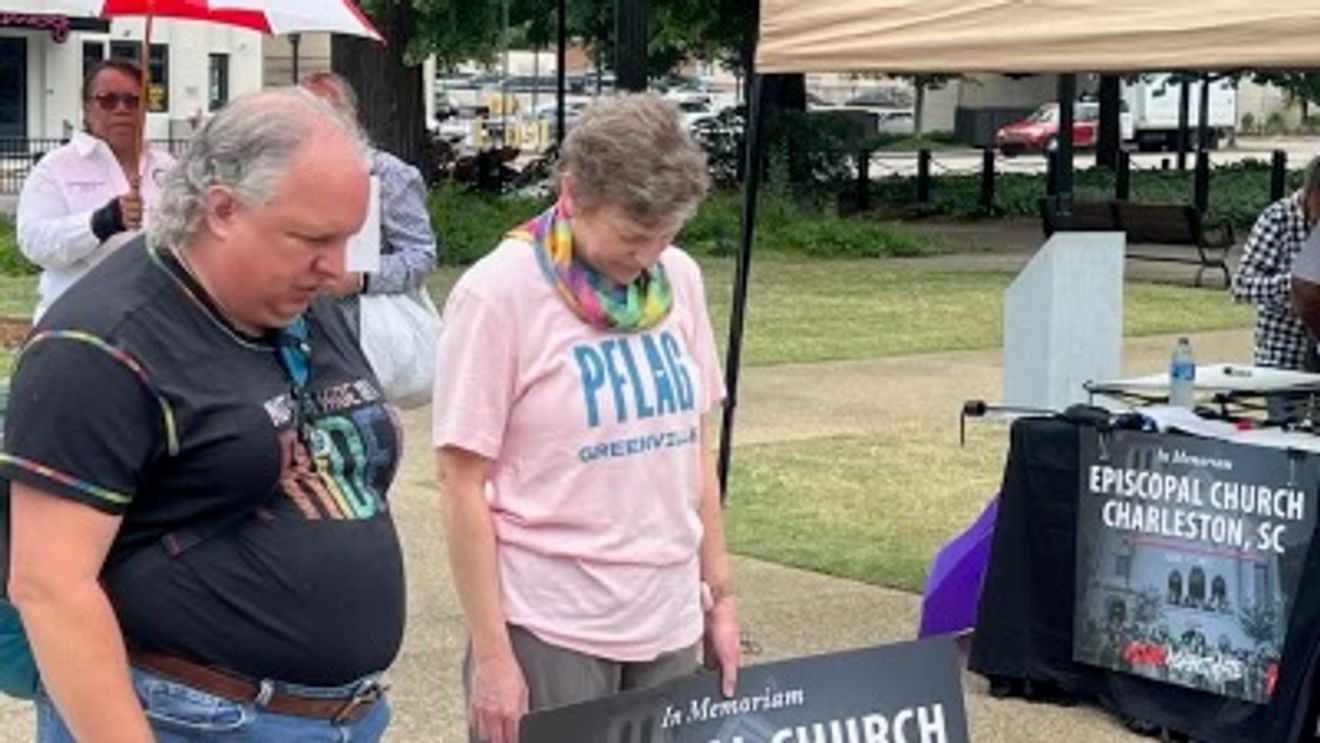
COLUMBIA, S.C. (WACH) – The recent plea deal involving a Columbia man has reignited the conversation about South Carolina’s absence of a state hate crime law. Jonathan Felkel, 34, pleaded guilty to a federal hate crime charge concerning the housing rights of his Black neighbor, Jarvis McKenzie. His case highlights the ongoing struggle for adequate protections against hate-driven offenses in a state that remains one of only two in the U.S. without a dedicated hate crime statute.
The Incident
In July of 2025, Felkel drove into the Spring Valley gated community when he spotted McKenzie at the entrance. In a shocking display of aggression, Felkel fired a gun and shouted racial slurs, specifically saying, “You better keep running, boy!” Following the incident, Richland County sheriff’s deputies reported that Felkel admitted to investigators he intended to intimidate McKenzie because of his race. This disturbing act made Felkel the first individual charged under Richland County’s local hate ordinance.
The Push for Legislation
As many as two dozen municipalities in South Carolina have established similar hate ordinances, emphasizing a local effort to combat hate crimes in the absence of state legislation. However, the road to implementing a comprehensive hate crime law at the state level has faced significant hurdles. Felkel’s guilty plea has once again put this pressing issue under the spotlight, with advocates urging lawmakers to take decisive action.
Tyler Bailey, McKenzie’s attorney, voiced strong support for statewide hate crime legislation. He commented on Felkel’s case: “This accountability would not have been possible under South Carolina law alone. This plea is a victory, but also a reminder that South Carolina remains one of only two states without a hate crime law.” He continues to express his hope that state lawmakers will act to establish a hate crime mandate by 2026.
Legislative Landscape
The state legislature has shown mixed opinions regarding hate crime laws. Charleston Democratic Rep. Wendell Gilliard affirms that a hate crime bill is currently lodged in the House Judicial Committee, indicating that the House believes it has adequate votes for the legislation to pass. Gilliard stated, “48 other states couldn’t be wrong, and it’s not fair for just two states, South Carolina and Wyoming, not to have one; it’s ridiculous.”
In contrast, Senate Majority Leader Shane Massey has countered these claims. He argues that South Carolina’s existing laws already impose significant penalties for hate-motivated actions. Massey commented, “If you look at our laws across the board, most of the time South Carolina penalties are more severe than many other places that have hate crime laws, even with the hate crime law attached.” Despite acknowledging that the support for a new hate crime law may not currently be strong, he indicated that the legislative climate could change in future sessions.
Community Reactions
The debate surrounding the lack of a hate crime law is compounded by recent decisions made in the state legislature. Several lawmakers criticized a House vote to rename highways after conservative figures, including the controversial naming of a new interstate after Donald Trump. Rep. Hamilton Grant described this decision as “a slap in the face to many South Carolinians, particularly in the Black community.” He emphasized that the state should honor figures who have positively impacted the community, rather than controversial public personas.
Grant’s sentiments were echoed by other state lawmakers who have expressed frustration with the legislative priorities that seem to sidestep critical issues like hate crimes, particularly in the context of racial justice.
Health Concerns Amidst Controversy
Alongside the debate over hate crimes, the South Carolina State House is grappling with a growing measles outbreak. A proposed bill aimed at curbing this outbreak is currently on hold after contentious discussions about allowing religious exemptions for mandatory vaccinations. Supporters of the bill argue that removing these exemptions is crucial for public health, especially considering the reported health crisis, where nearly 1,000 measles cases have emerged, predominantly impacting unvaccinated individuals.
Senators have highlighted the need to balance public health concerns with the rights of parents who refuse vaccinations based on religious beliefs. The debate has become a flashpoint for broader discussions about individual rights versus community health, further complicating the legislative landscape in South Carolina.
In the coming months, the fate of hate crime legislation, health mandates, and community priorities will be closely watched as South Carolina navigates these pressing issues. The conversation is not just about laws; it’s about the community’s values and commitment to protecting all of its residents.
Overview of the Recent Stabbings in Honolulu
Incident Background
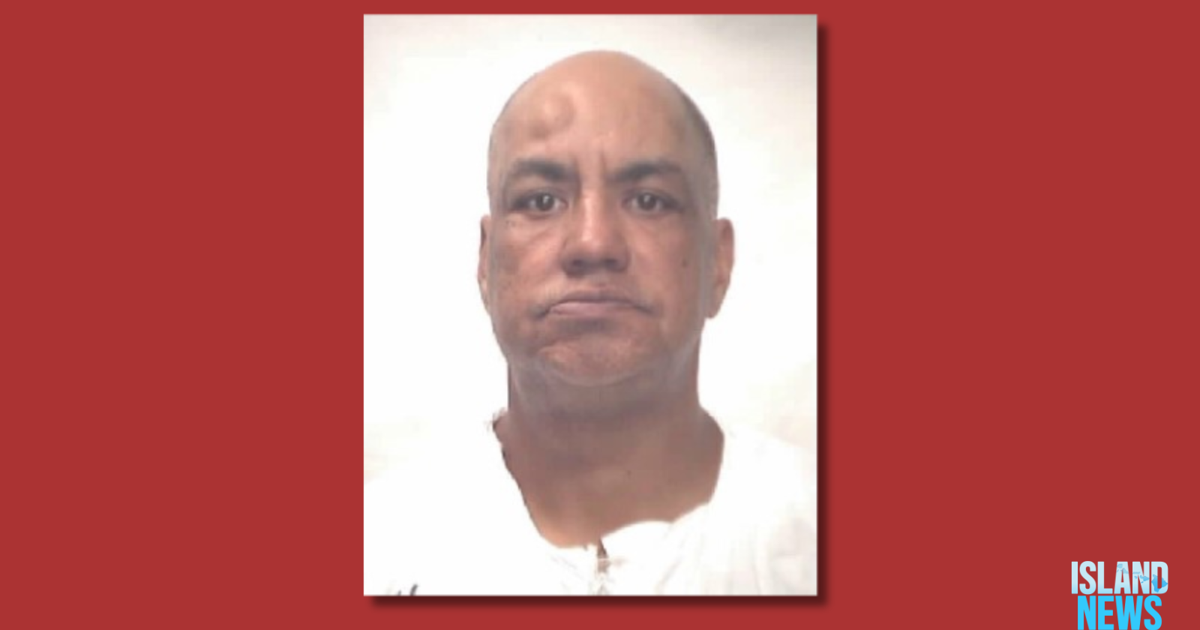
On Thursday, March 5, 2026, a troubling series of events unfolded in Honolulu, resulting in the arrest of 55-year-old John Nihipali Sr. He was implicated in two separate but connected stabbings—one in the McCully neighborhood and another in Kapolei. The first incident claimed the life of a 53-year-old woman, while the second left Nihipali’s estranged wife in critical condition.
Details of the Stabbings
Kapolei Stabbing Events
The first report filed with the Honolulu Police Department (HPD) came in at approximately 4:15 p.m. regarding a stabbing on Kealiiahonui Street in Kapolei. Upon arrival, officers found Nihipali outside a residence, brandishing a knife. Despite multiple commands to drop the weapon, he did not comply, prompting officers to deploy a stun gun, effectively incapacitating him.
Nihipali’s estranged wife was inside the residence at the time and had sustained a stab wound to her neck. A male resident who attempted to intervene was also attacked. In a desperate bid for help, the victim fled to a nearby home, where 911 was summoned. Emergency medical services rushed her to The Queen’s Medical Center, where she remains in critical condition.
McCully Stabbing Incident
A little over an hour later, HPD received a call about an unattended death at an apartment on Fern Street in McCully around 5:30 p.m. Upon arrival, officers discovered the deceased—identified as the same woman in the Kapolei incident—who had suffered multiple stab wounds and signs of defensive injuries.
Initial investigations indicated that Nihipali entered her apartment earlier that day and left around 2:45 p.m. Family members of the victim confirmed that he had visited her that morning.
Criminal Charges Filed Against John Nihipali Sr.
Following his arrest, Nihipali was charged with several serious crimes, including:
- First-degree attempted murder
- Second-degree murder
- Second-degree attempted murder
- First-degree burglary
- Second-degree escape
Currently, he is being held without bail, reflecting the severity of the situation.
Criminal Background of John Nihipali Sr.
A crucial element in understanding this case is Nihipali’s criminal history. He was a work furlough inmate at the Oahu Community Correctional Center (OCCC), released under a resocialization furlough program that allowed him to spend time outside the facility. He was previously serving a five-year term following a 20-year sentence for a prior crime related to domestic violence; he was convicted for slashing his wife’s throat in 2004. The court had mandated that he wear an ankle monitor during this furlough period.
Events Leading Up to the Stabbing Incidents
Surveillance footage is currently being reviewed by investigators as part of the ongoing inquiry into the connection between the two stabbings. Nihipali’s movements were tracked from his apartment in McCully to his estranged wife’s residence in Kapolei, where he arrived just before committing the second attack.
This tragic string of events raises questions about inmate furlough protocols and the effectiveness of monitoring systems, particularly for individuals with violent backgrounds. The case has sparked discussions within the community about public safety and the responsibilities associated with work furlough programs.
Continuing Investigation
As the investigation unfolds, HPD continues to gather evidence, interview witnesses, and assess surveillance footage to ensure a thorough understanding of the incidents. The sensitivity surrounding the case, given its connection with domestic violence and the resulting fatalities, underscores the broader issues of safety and rehabilitation within the justice system.
The community’s response to these stabbings has been one of shock and outrage amid growing concerns about crime and safety. As more details emerge, many await answers regarding how such a tragic series of events could unfold in their neighborhood.

Celebrity Dog Training | Celebrity Dog Trainers | Chip Diamond

Cute funniest Shih-Tzu compilation – Try not to laugh😂Funny animal compilation | Awww animals

Political Recap: Key California Capitol News You May Have Overlooked

Transfer Rumors: Robinson Prefers Liverpool Over Manchester United

CBS News Justice Department Correspondent Scott MacFarlane Departures from the Network

SIC – iGaming Conference, April 16 in Cyprus | Currency Updates | Financial and Business News

Small Business Owners Uncertain About Refunds Following Supreme Court’s Rejection of Trump’s Tariffs

Police Blotter: February 13 to March 4 – San Diego Union-Tribune

PHOTO: USMF “Nicolae Testemițanu” — National Leader in Articles Indexed in Web of Science and Scopus

Tigers Earn 3rd Seed in Class AAA State Tournament | News, Sports, Jobs

Tyler Jaggers: Coast Guard Rescue Swimmer Passes Away Days After Mission Incident; Fiancée Honors His Memory

Who Is Really Voting in These Polls? The Shocking Truth Behind America’s Approval Numbers

Blueprint for a “Tax-Free America” That Actually Works

Police Issue Warrant for Bar Patron Alleged to Have Assaulted Multiple Individuals

Winter Storm Provides Much-Needed Surge for Tug Hill Snowmobile Industry

Four Forecasts for 2026

It Took 35 Years for T. rex to Reach Full Maturity

Major Indices Experience Weekly Declines as Treasury Yields Reach Four-Month High

EXCLUSIVE: Will Smith’s Former Best Friend Bilaal Breaks Silence in Explosive Tasha K Interview — Lawsuit, Scientology Allegations, and Claims of an Attempt on His Life

2026 NFL Coaching Update: John Harbaugh Nearing Deal with Giants; Mike Tomlin Not Expected to Coach Next Season
Celebrity Dog Training | Celebrity Dog Trainers | Chip Diamond
Cute funniest Shih-Tzu compilation – Try not to laugh😂Funny animal compilation | Awww animals

Murphy the dog turned into a celebrity at the local market!

Maalik ki👱🏻♀️🤣 animal_s funny moments 😹😹😹#animals #animallovers #petlovers #petcare @Ajju089

Ep 48: Life on QUARANTINE, PART 2 — (Funny Dogs Staying Home)

Funniest Dog Videos Ever (Part 1)

The MacDonald Brothers – Celebrity Reflection performance

Funny Cats and Dogs Scared Of Halloween – Try Not To Laugh 😂 | Cool Pets

Favorite Celebrity

Ultimate Cute Rottweiler Compilation #1 | Best Of Funny Rottweiler Videos
-
 Entertaiment3 days ago
Tyler Jaggers: Coast Guard Rescue Swimmer Passes Away Days After Mission Incident; Fiancée Honors His Memory
-

 Comedy4 days ago
feeding carrot beans and radish to the hungry monkey
-

 Business3 days ago
Netflix Withdraws from Meghan Markle’s $64 Candle Venture
-

 World News2 days ago
Oil and Gas Prices Surge Amid Escalating Conflict in Iran
-

 Crime & Justice2 days ago
Over 30 Injured in Nightclub Bombing in Northern Peru | Crime News
-

 Crime & Justice4 days ago
Police Report: March 6, 2026 | Latest Updates
-

 Science2 days ago
Domino Unveils the Quickest and Safest Way to Scale Enterprise-Agent AI Systems
-

 Comedy2 days ago
61 Funny Dachshund Dogs Videos Instagram, Funny And Cute Dachshund Dog Try Not laugh Videos