
Technology
Today’s Updates on Small Business Technology and Innovation News


The Rise of Fashion Tech at Paris Fashion Week 2026
The fusion of technology and fashion has been gradually gaining momentum over recent years, but the recent launch of the Fashion AI Expo at Paris Fashion Week 2026 marks a transformative moment in this blossoming relationship. The spotlight is no longer solely on haute couture; instead, it now encompasses an innovative wave of technology startups that are reshaping how we understand and engage with fashion.
A Milestone for the Industry
The Fashion AI Expo is a significant milestone, indicating that technology is now not just a supporting actor but a leading star in the fashion narrative. As brands and designers become increasingly interested in data analytics and AI tools, this expo serves as a launchpad for startups presenting groundbreaking solutions. From predictive trend analysis to AI-driven design processes, technology is proving to be a game-changer. The presence of top investors and venture capitalists illustrates just how vital this tech is becoming for fashion’s future.
The Role of Venture Capital
Venture capital is stepping into the fashion tech arena with renewed vigor, sensing opportunities that lie in the intersection of creativity and innovation. Investors are recognizing that the fashion industry is ripe for disruption and that startups are developing tools that can optimize everything from supply chains to personalized consumer experiences. The infusion of capital is fueling the growth of companies that utilize machine learning to curate shopping experiences or utilize blockchain for transparent supply chains. The expectation is clear: fashion tech holds the potential to redefine industry standards.
Data: The New Fabric of Fashion
As fashion becomes more data-driven, the insights gleaned from analytics are becoming integral to decision-making. Brands are turning to data to grasp consumer preferences, which colors the design process to be more aligned with market demands. This shift not only enhances customer satisfaction but also optimizes inventory management, thus helping brands reduce waste. The new paradigm involves leveraging technology to create styles that resonate more deeply with consumers, ultimately leading to increased sales.
Innovation in Design Workflows
Tech startups are pioneering advancements in design workflows, incorporating AI tools that assist designers in the creative process. Imagine algorithms that can suggest color palettes, fabric types, or even silhouette adjustments based on trending patterns identified in real-time. These innovations enable designers to streamline their creative workflows, allowing for greater exploration and experimentation without straying too far from market viability. The result is a more agile design process that can adapt quickly to fast-changing consumer demands.
Consumer Shopping Interfaces
In the realm of retail, advanced consumer shopping interfaces are becoming increasingly sophisticated. The integration of AR and VR technologies is providing immersive shopping experiences that transcend traditional brick-and-mortar models. Shoppers can engage in virtual showrooms or utilize apps that allow them to visualize garments on themselves before purchasing. This move towards an experiential rather than transactional shopping approach marks a significant shift that is likely to influence consumer behavior profoundly.
Sustainability Through Technology
Sustainability is another area where fashion tech is making notable strides. Many startups are tackling the industry’s environmental challenges by offering solutions that promote eco-friendly practices. From sourcing sustainable materials to employing AI for waste reduction, technology is enabling fashion brands to create more sustainable operations. By addressing these critical issues, tech-driven solutions are not only appealing to ethically-conscious consumers but also aligning with global sustainability goals.
Future Directions
Looking ahead, the trajectory of fashion tech suggests a deepening integration within the fashion industry. As technology continues to evolve, we can anticipate the emergence of even more sophisticated tools that will facilitate creative expression while ensuring business efficiency. The excitement surrounding the Fashion AI Expo at Paris Fashion Week 2026 is indicative of a broader trend—where innovation meets style, and the future of fashion is redefined.
The convergence of technology and fashion is heralding a new era that promises to reshape how we view and engage with the industry. The advancements observed at events like the Fashion AI Expo are not merely trends; they signify a paradigm shift in how fashion operates in an increasingly digital world.
The Impact on Cultural Trends
The implications of this tech-infused fashion landscape extend beyond logistics and efficiency; they are cultivating new cultural trends as well. Social media integration, influencer marketing, and tech-savvy consumer behavior are transforming how brands communicate and connect with audiences. As fashion tech evolves, it will continue to bridge cultural gaps, bringing diverse styles and narratives to the forefront.
Collaboration Between Tech and Fashion
One of the most exciting dimensions of this evolution is the collaboration between traditional fashion houses and tech startups. Such partnerships are burgeoning, leading to dynamic projects that fuse innovative technology with timeless artistry. This cross-pollination not only elevates the brand experience but also positions companies to be more resilient in an ever-changing market climate.
By embracing these new relationships, established fashion brands can leverage the agility of startups while tech innovators can gain credibility and reach through association with iconic labels. This collaborative spirit may very well be the bedrock of fashion’s future.
The Paris Fashion Week 2026 will undoubtedly be remembered not just for its runway shows but for how it has redefined the narrative of fashion in a technology-driven era.

In a significant twist in the ongoing discourse around artificial intelligence (AI) and defense, a top Pentagon official has recently highlighted an escalating dispute between the U.S. government and Anthropic, an AI technology company. This friction primarily revolves around the use of Anthropic’s AI systems in fully autonomous weapons, a topic that has stirred considerable debate, particularly under the shadow of President Donald Trump’s proposed Golden Dome missile defense program. This ambitious initiative aims to place U.S. weaponry in space, reflecting the Pentagon’s pivot toward modern warfare strategies in an increasingly complex geopolitical landscape.
During a recent podcast, U.S. Defense Undersecretary Emil Michael, who serves as the Pentagon’s chief technology officer, expressed his frustrations regarding the ethical limitations Anthropic has placed on its AI chatbot, Claude. Michael noted that these restrictions serve as an “irrational obstacle” as the military strives to enhance the autonomy of various technological systems, such as armed drones and underwater vehicles, especially as it competes with surging rivals like China. “I need a reliable, steady partner that gives me something, that’ll work with me on autonomous, because someday it’ll be real,” he stated, emphasizing the urgency of building operational capabilities that are both robust and responsive.
This conflict escalated when the Pentagon officially classified Anthropic as a supply chain risk, effectively terminating its defense contracts. This move employed a rule designed to shield national security systems from potential foreign adversaries. In response, Anthropic has announced plans to file a lawsuit against this designation, arguing that it will significantly hinder their partnerships within the military-industrial complex.
Adding to the narrative, Trump himself has instructed federal agencies to cease the use of Anthropic’s Claude technology, providing a six-month transition period to phase out a tool deeply embedded in classified military operations, including those related to the Iran conflict.
At the heart of Anthropic’s position is a commitment to limiting its technology’s deployment in scenarios involving either mass surveillance of the American populace or the development of fully autonomous weaponry. Michael’s commentary on the discussion with Anthropic’s CEO, Dario Amodei, reveals a tug-of-war over the control of AI’s role in military engagements. In an engaging exchange during the “All-In” podcast—with Silicon Valley venture capitalists as co-hosts—he criticized Amodei, accusing him of harboring a “God-complex” while asserting that such discussions are integral to a broader military pivot toward AI integration.
Michael argued that evolving military strategies necessitated a more dynamic dialogue about autonomy in combat operations. For instance, he cited hypotheticals, like a scenario requiring a rapid U.S. response to a Chinese hypersonic missile, arguing that AI could handle such rapid threat assessments more effectively than human operators could act in real time. “An autonomous counterattack would be a low risk because it’s in space,” he explained, underscoring the potential for AI to enhance defensive capabilities under pressure.
Anthropic’s rebuttal to Michael’s claims emphasizes a commitment to clarity in military operations, stating that they have always maintained that military decisions should squarely rest with the Department of Defense, not private entities. Moreover, Michael’s tenure as the Pentagon’s Undersecretary began last May, and he quickly focused on assessing Anthropic’s contracts, some of which had been established during President Joe Biden’s administration. He voiced concerns about the overly restrictive terms Anthropic imposed on the use of its AI technology.
Michael remarked on the need for a rational alignment of terms with military necessities, arguing that exceptions for specific scenarios do not scale to future uncertainties in battlefield technology. “We need to move beyond just requesting exceptions,” he insisted, “I can’t predict for the next 20 years what all the things we might use AI for.” This stark realization has driven the Pentagon to require AI firms to allow for “all lawful use” of their technologies, a condition with which Anthropic has struggled to comply.
In contrast, competitors such as Google and OpenAI have agreed to the Pentagon’s demands, although some are yet to set up their infrastructure for military-grade applications. Additionally, Anthropic has steadfastly resisted allowing any level of mass surveillance over American citizens, which was another sticking point in negotiations, highlighting a critical tension between national security and civil liberties. Michael summarized the negotiations as “interminable,” reflecting the complexity of aligning technological ambitions with ethical considerations.
As Anthropic and the Pentagon find themselves at an impasse, the next chapter of this high-stakes narrative will likely unfold in court. This ongoing saga not only raises questions about the future of military AI but also serves as a microcosm of the broader implications of technology in warfare. The discussion surrounding AI’s autonomy, oversight, and ethical applications in defense settings remains at the forefront of public discourse, illuminating the challenges that lie ahead for both the military and the tech industry alike.
Technology
When Speed Becomes a Liability: Reevaluating Third-Party Risks in Federal Decision-Making

Navigating Third-Party Risk in Government Programs
The Growing Challenge of Third-Party Exposure
Third-party exposure continues to be one of the most significant vulnerabilities in government operations today. According to SecurityScorecard, a concerning 58% of breaches involving the top 100 U.S. federal contractors originated from third-party attack vectors. This statistic underscores a critical reality: the most pressing risks often lie beyond organizational borders.
Federal agencies and their contractors have poured resources into strengthening their internal systems. Cyber defenses are more robust, access controls have tightened, and monitoring capabilities have matured significantly. Yet, attackers have adapted; they no longer focus solely on the toughest targets. Instead, they exploit trusted relationships that remain outside direct oversight, leading to vulnerabilities that are often overlooked.
Understanding Where Risk Enters
Vulnerabilities often seep in through suppliers, partners, subcontractors, and affiliates, many of whom operate outside the formal security networks. These entities often maintain access to sensitive systems and data, which creates a complex risk landscape. As agencies are pressured to expedite acquisitions and partnerships, they face a growing challenge: making rapid decisions in organizations where technology and threats evolve at breakneck speed. In such a scenario, the urgency to act can transform into a vulnerability.
Consequently, the risk landscape has shifted from areas with established defenses to the partners that support operational work. Suppliers often don’t view themselves as part of government operations, even when their access points to sensitive information position them squarely in that domain.
The Pitfalls of Traditional Vetting Processes
Traditional vetting practices were designed for a slower-paced environment, wherein risk assessments occurred infrequently—often only during onboarding. However, this model has become outdated. Company dynamics change; leadership turns over, financial pressures mount, and cyber postures evolve. A supplier previously deemed low-risk can quickly become a significant threat.
Moreover, information about suppliers is often dispersed across multiple platforms—contracts, compliance records, cyber assessments, and legal reviews exist in separate systems governed by different teams. Consequently, organizations typically face delays in gathering the necessary data, and by the time a decision is made, the risk may be far more pronounced than anticipated.
Evolution of Threats
The nature of threats is also undergoing transformation. Artificial intelligence has emerged as a powerful tool for malicious actors, facilitating the bypassing of traditional trust-based checks. There have been notably alarming cases where AI-generated job seekers have infiltrated workplaces, presenting polished resumes and fabricated employment histories. These synthetic characters often slip past robust vetting processes and gain access to internal systems without raising any red flags.
The implications are serious; if a supplier unwittingly hires an individual with a false identity, that person not only gains entry to a private enterprise but also potentially accesses sensitive governmental data, networks, or operations through established connections. As such, the risk often materializes through standard operational processes, coming to light only after significant damage has been done.
The Role of Analytics and AI
To navigate this complex environment effectively, organizations can harness analytics and artificial intelligence. These tools provide the means to monitor extensive supplier ecosystems and identify shifts that might go unnoticed through conventional methods.
When utilized correctly, analytics can integrate various signals—an unexpected change in ownership, unusual credential activities, or variations in access patterns. Alone, these elements may seem innocuous; however, when examined together, they can reveal emerging risks that require immediate attention.
Analytics and AI enable leaders to focus their efforts on significant changes rather than attempting to review every detail continuously. By doing so, organizations can prioritize high-risk areas, ensuring that risk considerations align seamlessly with acquisition and partnership decisions.
Characteristics of Effective Third-Party Risk Management
Successful organizations typically embody a series of practical habits in managing third-party risks:
-
Clear Awareness of Relationships and Changes: Maintaining a comprehensive understanding of partnerships and any changes since the last review is crucial.
-
Ongoing Risk Assessment: Recognizing that risk is not a one-time evaluation; it continues to evolve throughout the relationship’s life is essential.
-
Separation of Information from Decisions: While analytics can surfacing relevant signals, human judgment remains vital in interpreting these findings and making informed decisions.
-
Integration of Risk Considerations in Decision-Making: Aligning risk assessments with acquisition and partnership actions ensures that decisions are made with a full understanding of potential vulnerabilities.
Organizations that successfully implement these practices often witness tangible benefits:
- Accelerated decision-making with increased confidence
- Earlier and more proactive risk discussions
- A readiness to disengage from problematic partnerships
- A reduction in unforeseen issues arising in the future
Conversely, organizations struggling with third-party risk management exhibit slower review processes and often make rushed decisions under pressure.
Implications of Overlooking Third-Party Risks
The stakes are extraordinarily high when third-party risks go unnoticed. Adversaries can glean valuable insights into how government operations are supported, identifying where access points exist. This intelligence can be exploited, leading to unauthorized access or leverage that threatens critical systems.
The repercussions are typically not dramatic failures but rather a series of decisions that initially seemed reasonable. By the time the cumulative risk is apparent, the impact can be profound and exceedingly difficult to rectify.
This challenge is not about knowing everything; it’s about understanding where vulnerabilities lie. Missions often falter in the gaps between organizations, systems, and trust. Leaders must confront the decision of whether to look into these seams and act proactively.
Todd Harbour is a managing member of Grist Mill Exchange and managing partner at Core4ce.
Technology
Nuwa Agricultural Technology Launches AI-Driven Livestock Robot from Times Square to Silicon Valley
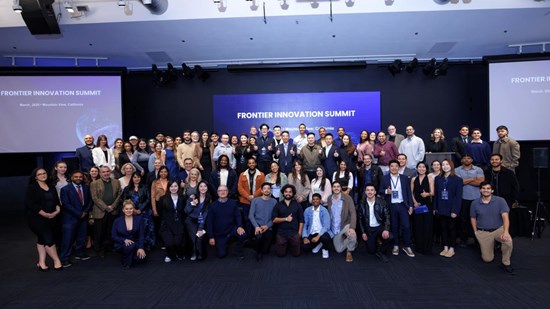
Revolutionizing Agriculture: Nuwa Agricultural Technology Launches AI-Driven Livestock Robot in Silicon Valley
In the heart of Silicon Valley, California, the tech world witnessed a groundbreaking innovation that promises to transform the agricultural landscape. On March 7, 2026, Nuwa Agricultural Technology, an emerging leader in agricultural technology (AgTech), unveiled its flagship product, the “Cleaning + AI Monitoring” livestock robot. This launch event gathered industry professionals, investors, and media representatives from both the tech and agriculture sectors, marking a significant milestone for Nuwa in the U.S. innovation ecosystem.
The Ambition of an Emerging Leader
Nuwa’s recent appearance on the Nasdaq Tower screen in Times Square signaled its ambitious plans to introduce next-generation agricultural technology to the global market. This event underscores the company’s commitment to reshaping traditional farming practices through the integration of innovative technology.
Addressing a Manual Sector
Livestock farming is often characterized by its low digitization levels, with essential tasks like barn cleaning still heavily reliant on manual labor. Nuwa’s approach targets these overlooked yet critical operations. By deploying its autonomous robotic system, the company not only automates the labor-intensive cleaning of barns but also collects valuable behavioral and environmental data through sophisticated multimodal sensors and AI vision algorithms.
A Data-Driven Insight Machine
As the robot maneuvers through the farm, it actively analyzes several parameters:
- Livestock movement and posture
- Feeding behavior and activity levels
- Environmental conditions inside barns
This dual function—cleaning while simultaneously gathering data—positions Nuwa’s robot as a pivotal tool for farms aiming to shift from experience-based management practices to data-driven operations.
More Than Automation: A Shift in Operational Intelligence
While automation often leads to reduced labor costs, Nuwa aims to elevate this to a new level by making cleaning and monitoring integral components of one cohesive system. This innovative platform allows farms to achieve key outcomes such as:
- Enhanced environmental hygiene
- Early disease detection
- Minimized operational risks
- Optimized feeding efficiency
According to Nuwa founder Andy Luo, the company’s focus is on system-level efficiency rather than isolated improvements. “Our goal is not just to automate tasks, but to build an intelligent operating system for livestock farms,” he explained, highlighting the platform’s potential to create a continuous feedback loop that enhances decision-making.
A Three-Layered Technological Architecture
During the launch event, Nuwa provided insights into its innovative three-layer technology architecture:
1. Hardware Layer
At the core of Nuwa’s technology are autonomous robots deployed directly within livestock facilities.
2. Software Platform
The company operates on a subscription-based model where analytics deliver health alerts and performance insights specific to each farm.
3. Data Layer
This continuously growing dataset is harvested from real-world farming environments. Here, Nuwa redefines traditional equipment sales by fostering long-term data service relationships, emphasizing that while the robots are vital, the true long-term value lies within the data ecosystem they create.
Building a “Data Flywheel” in Agriculture
In the complex world of agriculture, gathering high-quality, real-world data is challenging due to varying climates, farm scales, and production systems. Nuwa tackles this head-on by gradually deploying its solutions across diverse farming environments. This allows its AI models to enhance performance over time as more data is collected. More robots mean more data, which leads to improved algorithms—an ongoing cycle often referred to as a “data flywheel.”
This self-reinforcing mechanism has the potential to become a competitive advantage in the burgeoning field of AI-driven livestock farming.
A Vision Beyond Hardware
Unlike many AgTech firms that focus primarily on exporting hardware products, Nuwa seeks to deliver a complete digital infrastructure. The company’s strategy emphasizes providing a full-stack solution that can tackle widespread challenges, such as maintaining farm hygiene and monitoring livestock health.
Long-Term Goals
Founder Andy Luo articulated a visionary aspiration: “We want to build the foundational data infrastructure for the future of animal protein production.” By addressing universal challenges in livestock farming, Nuwa aims to lay down a digital foundation that can be scaled globally.
The AI Revolution in Agriculture
As artificial intelligence continues to make significant inroads in various sectors, agriculture stands out as a particularly crucial frontier. The challenges of food security, resource efficiency, and sustainable farming practices are driving a pressing need for smarter agricultural systems. Nuwa’s launch event in Silicon Valley reflects a larger trend towards the integration of AI, robotics, and real-world agricultural data into the next generation of intelligent farming systems.
What begins as a simple robot cleaning a barn may ultimately catalyze a profound change in how livestock farming operates around the globe.
Media Contact
For additional information, please reach out to:
Tina Hong
Nuwa Agricultural Technology (Suzhou) Co., Ltd.
Phone: +86 13295180918
Email: hongchunyan@dreame.tech
For the source version of this press release, visit: Newsfile.

Live Nation and U.S. Department of Justice Settle Antitrust Lawsuit

Murphy the dog turned into a celebrity at the local market!

Maalik ki👱🏻♀️🤣 animal_s funny moments 😹😹😹#animals #animallovers #petlovers #petcare @Ajju089

Maine Attorney General Appeals to Court Against Overturning Ranked Choice Voting Decision

Ep 48: Life on QUARANTINE, PART 2 — (Funny Dogs Staying Home)

Funniest Dog Videos Ever (Part 1)

An Historic California Political Club: Pioneering Social Influence

The MacDonald Brothers – Celebrity Reflection performance

Funny Cats and Dogs Scared Of Halloween – Try Not To Laugh 😂 | Cool Pets

Democrat Roy Cooper Must Break North Carolina’s Historical Patterns to Sustain Winning Streak in Senate Race

Tyler Jaggers: Coast Guard Rescue Swimmer Passes Away Days After Mission Incident; Fiancée Honors His Memory

Who Is Really Voting in These Polls? The Shocking Truth Behind America’s Approval Numbers

Blueprint for a “Tax-Free America” That Actually Works

Police Issue Warrant for Bar Patron Alleged to Have Assaulted Multiple Individuals

Winter Storm Provides Much-Needed Surge for Tug Hill Snowmobile Industry

Four Forecasts for 2026

It Took 35 Years for T. rex to Reach Full Maturity

Major Indices Experience Weekly Declines as Treasury Yields Reach Four-Month High

EXCLUSIVE: Will Smith’s Former Best Friend Bilaal Breaks Silence in Explosive Tasha K Interview — Lawsuit, Scientology Allegations, and Claims of an Attempt on His Life

2026 NFL Coaching Update: John Harbaugh Nearing Deal with Giants; Mike Tomlin Not Expected to Coach Next Season
Murphy the dog turned into a celebrity at the local market!
Maalik ki👱🏻♀️🤣 animal_s funny moments 😹😹😹#animals #animallovers #petlovers #petcare @Ajju089
Ep 48: Life on QUARANTINE, PART 2 — (Funny Dogs Staying Home)
Funniest Dog Videos Ever (Part 1)
The MacDonald Brothers – Celebrity Reflection performance
Funny Cats and Dogs Scared Of Halloween – Try Not To Laugh 😂 | Cool Pets

Favorite Celebrity

Ultimate Cute Rottweiler Compilation #1 | Best Of Funny Rottweiler Videos

Problem Of Celebrity Star Channel.. Publish Video Problem

Funny and Cute corgi puppies videos compilation 2021❤ Cutest corgis Ever! Part 2
-
 Entertaiment3 days ago
Tyler Jaggers: Coast Guard Rescue Swimmer Passes Away Days After Mission Incident; Fiancée Honors His Memory
-

 Comedy4 days ago
feeding carrot beans and radish to the hungry monkey
-

 Business3 days ago
Netflix Withdraws from Meghan Markle’s $64 Candle Venture
-

 Crime & Justice2 days ago
Over 30 Injured in Nightclub Bombing in Northern Peru | Crime News
-

 Crime & Justice4 days ago
Police Report: March 6, 2026 | Latest Updates
-

 World News2 days ago
Oil and Gas Prices Surge Amid Escalating Conflict in Iran
-

 Science2 days ago
Domino Unveils the Quickest and Safest Way to Scale Enterprise-Agent AI Systems
-

 Comedy2 days ago
61 Funny Dachshund Dogs Videos Instagram, Funny And Cute Dachshund Dog Try Not laugh Videos