
Politics
Trump News Brief: Republican Senator Says White House Adviser Stephen Miller “Should Go”

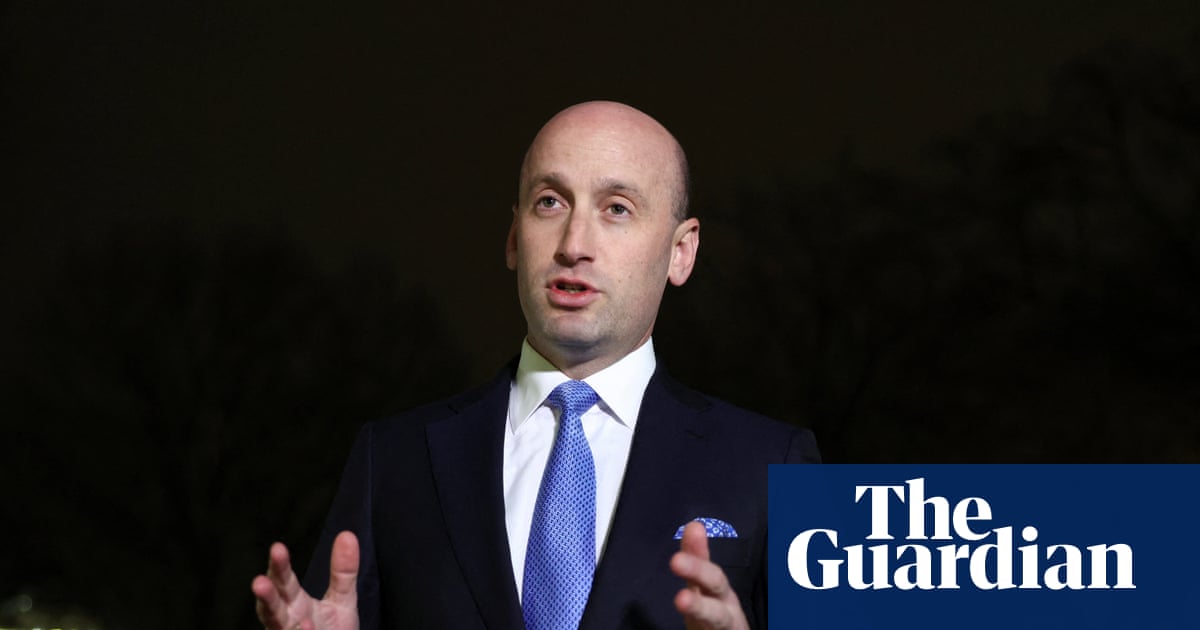
Republican Senator Thom Tillis Critiques Stephen Miller’s Role in the Trump Administration
On a recent episode of CNN’s State of the Union, Senator Thom Tillis of North Carolina went on record expressing strong disapproval of White House adviser Stephen Miller. Tillis’s comments come amid ongoing discussions surrounding the Trump administration’s immigration policies, with the senator contending that Miller’s influence has been a considerable “problem” for the administration.
Tillis Calls for Change
When host Jake Tapper directly asked if Miller should go, Tillis didn’t hesitate to affirm his position. “Oh, of course I do,” he stated, throwing support behind a necessary leadership change in the White House. He elaborated on his concerns, indicating that Miller’s focus tends to be more on spectacle than on the substantive issues at hand.
Influence over Cabinet Operations
One of the key points Tillis made was Miller’s “outsized influence” over cabinet operations. He suggested that qualified cabinet members might not be fulfilling their potential due to Miller’s overarching presence. “He has been a big problem in this administration from the beginning,” he emphasized. This statement reflects a growing tension within Republican ranks as some members begin to echo concerns long held by critics of Miller’s advisory role.
Support for Markwayne Mullin
Amidst his criticism of Miller, Tillis expressed support for Markwayne Mullin, a current nominee for secretary of the Department of Homeland Security (DHS). He expressed hope that Mullin would operate independently of Miller’s influence. However, it is notable that Mullin has previously echoed misleading statements regarding serious incidents involving federal agents, raising questions about the reliability of his potential leadership.
Concerns about Decision-Making
Tillis outlined several specific instances that illustrate his concerns about Miller’s judgment. He pointed to problematic decisions made under Miller’s guidance, such as the administration’s approach to Greenland—a move seen as hasty and poorly thought out. In interviews, Tillis stated, “It was Stephen Miller who said it was the position of the United States that we should go after Greenland.” This instance highlights a pattern of rapid decision-making lacking thorough contemplation, which has sometimes led to public embarrassment for the Trump administration.
Broader Implications for the GOP
Tillis’s remarks could signal a growing discontent among some Republicans with the internal dynamics of the Trump administration, especially concerning immigration policy—a topic that has spurred intense debate. By openly advocating for Miller’s ousting, Tillis is stepping into potentially contentious territory, as Miller has been a key architect of the administration’s hardline stance on immigration.
The National Dialogue
The senator’s comments also reflect a larger national dialogue about the future direction of the Republican Party. As the administration grapples with internal discord, the implications of Tillis’s statements may inform not only party unity but also the policy approaches shaping the 2020 election landscape.
By voicing his concerns, Thom Tillis is positioning himself as a senator willing to speak out against perceived dysfunction within the ranks, hoping for a shift towards what he considers a more effective governance approach.
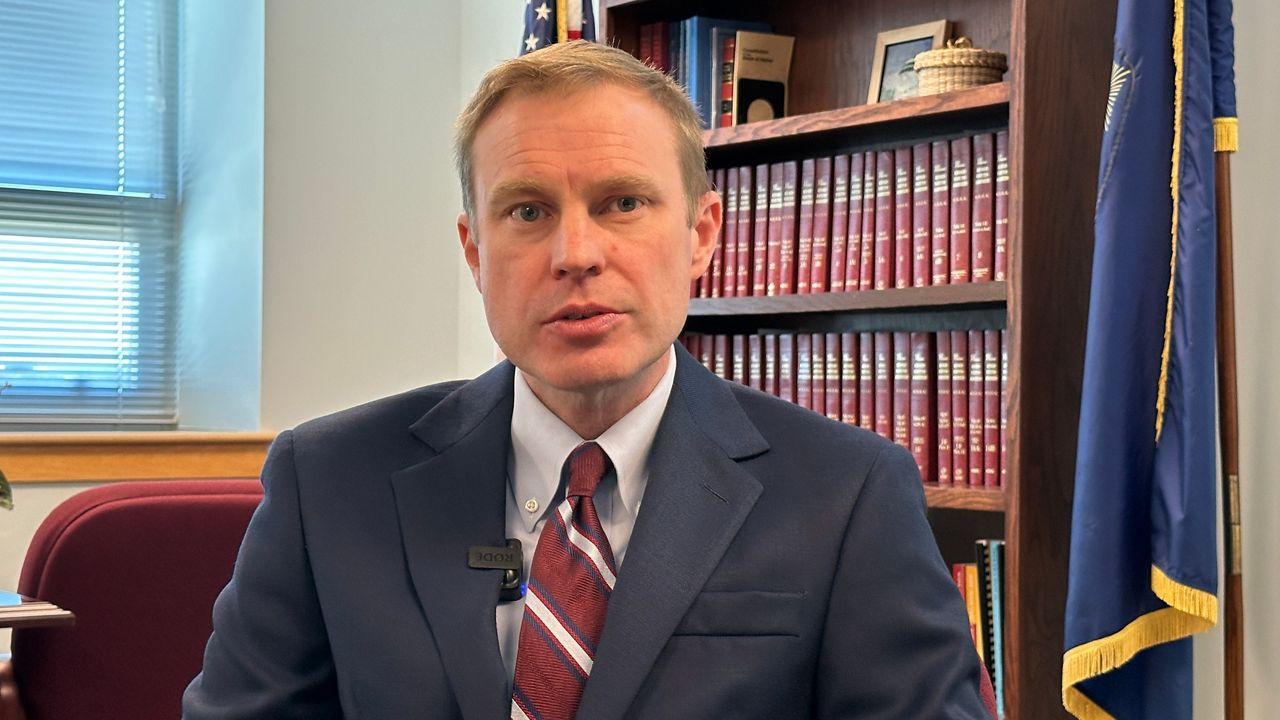
The Ongoing Battle Over Ranked Choice Voting in Maine
In the heart of Maine’s political landscape, a significant legal debate is taking shape around the concept of ranked choice voting (RCV). At the center of this issue are Maine’s Democratic Attorney General, Aaron Frey, and the Republican National Committee (RNC), both urging the state’s highest court to maintain a 2017 decision that deemed RCV unconstitutional in state-level general elections.
Background of the Legal Challenge
The roots of this legal dispute trace back to 2017 when the Maine Supreme Judicial Court ruled that RCV was inconsistent with the constitutional requirement that general election winners must be decided by a plurality of votes. Attorney General Frey maintained that nothing has altered since that ruling, reinforcing the court’s previous interpretation. He argues that the justices conclusively determined that adhering to a plurality system is vital for the integrity of elections.
A Shift in Perspective
Despite the Maine court’s ruling, the sudden emergence of a ruling from Alaska’s highest court has reignited discussions. This recent decision stated that ranked choice voting does comply with the requirements for candidates to secure a plurality of votes. This twist has prompted Maine lawmakers to revisit the issue, paving the way for a reconsideration petition to the Supreme Judicial Court.
The call for change is not merely academic; it reflects a real-world scenario where Maine voters have been operating under two different voting systems. Since 2018, they have had the option to rank candidates in federal elections while still adhering to the traditional plurality method for state offices.
Illustrative Case: The 2018 Election
One of the most striking illustrations of RCV’s impact came from the 2018 election cycle. U.S. Representative Bruce Poliquin, a Republican, initially garnered the most votes—46.3%—after the first round of counting. However, once two other candidates were eliminated and their votes redistributed based on ranked preferences, Democrat Jared Golden surpassed Poliquin, emerging with 50.6% of the final tally. This outcome highlighted the potential of ranked choice voting to yield different results, stirring debates about voter intent and election fairness.
Arguments from Opponents of Ranked Choice Voting
The RNC firmly stands against RCV, emphasizing that a plurality system offers a straightforward method for conducting elections. Their brief articulated that the process is “intuitive, verifiable, and produces a result that every voter can understand.” They contend that under the plurality system, no ballots are discarded or rendered ineffective, creating a sense of transparency.
Further supporting this stance, the Maine Republican Party has joined the RNC in its quest to uphold the 2017 ruling, emphasizing their commitment to ensuring that the legal framework guiding elections maintains consistency and respect for the established rule of law. Jim Deyermond, Chairman of the Maine Republican Party, encapsulated this perspective, asserting that the previous ruling by the court remains valid and must be honored.
Advocates for Ranked Choice Voting
In contrast, numerous advocacy organizations and legal experts advocate for RCV, arguing it aligns more closely with democratic principles and voter expression. FairVote, the Maine Women’s Lobby, and legal scholars, including Dmitry Bam from the University of Maine School of Law, are rallying behind the new legislative measure. Bam’s argument posits that a revised statute could redefine voting to encompass the fully tabulated preferences expressed through ranked choices, thus satisfying constitutional plurality requirements.
Bam insists that the proposed legislative adjustments will ensure that the winner is determined by the greatest number of validly counted votes, reinforcing the argument that RCV can coexist within Maine’s constitutional framework.
Impending Timelines and Political Stakes
With fall elections rapidly approaching, Maine lawmakers are pressing for expedited resolution from the court on how elections will be conducted. They expressed concern that failing to address the constitutional status of RCV could create chaos and unpredictability as races for governor and legislative offices loom on the horizon.
The Maine Supreme Judicial Court is expected to hear oral arguments on April 1 in Portland, with the legislative session scheduled to adjourn shortly thereafter on April 15. This timeline underscores the urgency of the matter, as clarity is essential for preparing for upcoming elections.
As the legal arguments unfold, the future of ranked choice voting in Maine remains uncertain, poised at the intersection of tradition and innovation in electoral policy.

The Rise of the Lincoln Media Foundation: A New Era in Political Influence
In the world of political discourse, few organizations have wielded as much influence in California as the Lincoln Club. Founded in the early 1960s, this conservative organization has transitioned from a local powerbroker to a national player, significantly expanding its reach and revenue through a newly formed affiliate, the Lincoln Media Foundation. This article unpacks the foundation’s evolving strategy and the implications it holds for the landscape of news and political influence in the United States.
The Lincoln Club: A Historical Overview
The Lincoln Club of Orange County began as a coalition of wealthy businessmen aiming to promote pro-business Republican values. According to historical accounts, its members included notable figures like Richard Nixon and John Wayne. The organization became a pivotal force in local and state politics during a time when Republicans had substantial clout in California. Over the decades, it has contributed considerable financial resources to various candidates and causes, shaping political outcomes from behind the scenes.
In its heyday, the club was often described as secretive, with a significant impact on the political machine of California. For example, it notably funded the anti-Hillary Clinton documentary that played a role in the landmark Citizens United Supreme Court case, which opened the floodgates for unlimited spending in elections.
The Lincoln Media Foundation: A Shift in Strategy
In recent years, the Lincoln Media Foundation has evolved from traditional political engagement to a 21st-century online influence model. According to IRS disclosures, the foundation’s revenue skyrocketed from approximately $400,000 in 2021 to nearly $4 million in 2024. This influx of funding is being directed towards the creation of a network of seemingly local news websites across the country, each aiming to disseminate conservative viewpoints under the guise of local news coverage.
Many of these websites bear names like The Angeleno or The Keystone Courier, designed to create a veneer of local legitimacy. However, critics argue that this approach is a deceptive tactic; these sites often lack transparency regarding their funding sources and editorial practices.
The Nature of ‘Pink Slime’ News
Scholars and media experts have raised concerns about these platforms, sometimes referred to as “pink slime” news. This informal term describes media outlets that prioritize political messages over journalistic integrity, often relying on press releases and unattributed content. Dr. Kevin DeLuca, a political science professor at Yale University, noted that while these sites may not actively spread falsehoods, they often fail to meet established journalistic standards, which diminishes public trust.
Critics like labor activist Jim Miller view the foundation’s strategy as a menacing example of stealth influence. He explains that when organizations lack confidence in their capacity to win an open debate, they resort to disguising their messaging, undermining democratic discourse.
Expanding Influence: Online Advertising and Targeted Messaging
The Lincoln Media Foundation utilizes targeted web advertisements to reach key demographics in battleground states. A promotional video from the organization frames its mission as a corrective force against “material omissions” and “alternative sets of facts” propagated by mainstream media. The foundation boasts of delivering its conservative message through 27 publications across seven states, aiming to engage millions via digital advertising.
Critics, however, have pointed out the irony in its claim of non-bias, spotlighting how the organization intertwines its conservative messaging with visuals designed to provoke outrage, such as germ-like images associated with “DEI” (Diversity, Equity, and Inclusion). This underscores the foundation’s complicated narrative: claiming to be a purveyor of unbiased information while employing manipulative tactics.
A Larger Context: The Network of Right-Wing Media
The Lincoln Media Foundation is part of a broader trend, with other organizations like Metric Media also launching similar initiatives to proliferate right-wing content across digital platforms. As the number of such websites grows, concerns mount over the use of artificial intelligence tools, which could further obscure the sources and motivations behind this kind of media production.
As DeLuca points out, distinguishing genuine local journalism from these orchestrated campaigns becomes increasingly complicated. The rise of AI could deepen the challenge, potentially enabling more sophisticated misinformation tactics that disguise the origins of the content.
The Implications for Public Discourse
With organizations like the Lincoln Media Foundation pouring millions into a strategy that blends local news media with political messaging, the landscape of public discourse is undergoing a significant transformation. The foundation’s well-funded operations highlight a crucial battle over narratives and information dissemination as the digital age continues to evolve.
The efficacy of this approach raises pressing questions about transparency, accountability, and the very foundation of democracy. As the lines blur between news and political propaganda, the implications for voter engagement and informed public debate are profound and far-reaching.
This article, originally published by CalMatters, explores the intricate dynamics of media influence, political strategy, and the challenges these pose to traditional standards of journalism and public trust. By examining the actions and implications of organizations like the Lincoln Media Foundation, we better understand the evolving relationship between media, politics, and society.
Politics
Democrat Roy Cooper Must Break North Carolina’s Historical Patterns to Sustain Winning Streak in Senate Race
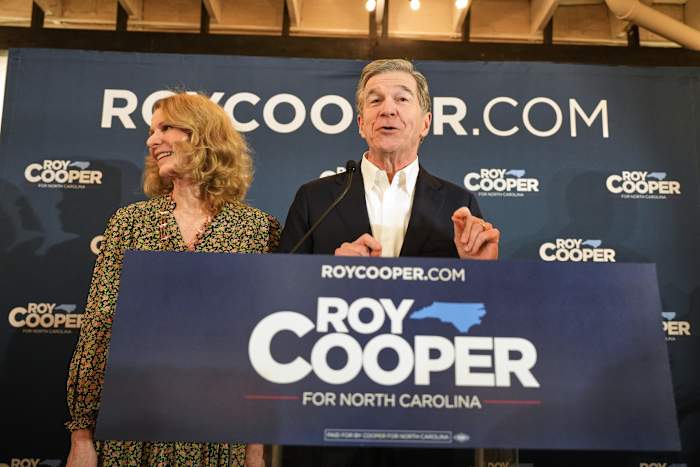
North Carolina’s Senate Race: A Clash of Titans
RALEIGH, N.C. – The political landscape in North Carolina illustrates a fascinating paradox: while the state has elected Democrats as governors without hesitation, sending them to the U.S. Senate remains a different story altogether. Former Governor Roy Cooper is leading a campaign that could potentially change the narrative, as he vies for a Senate seat that may reshape the balance of power in Washington.
A Competitive Landscape
Standing in Cooper’s path is Michael Whatley, a Republican candidate with President Donald Trump’s fervent backing. Whatley, who has established himself as a significant figure in party politics, previously served as the Republican National Committee chairman. Both candidates recently secured their party nominations, propelling them into one of the year’s marquee Senate races. The stakes are high; North Carolina holds a crucial role in the Democratic pursuit of four seats needed for Senate majority control.
The Political Narrative
Republicans continue to frame Cooper as “too far left” for North Carolina—a tactic that has proven effective in numerous past elections. This approach targets voters who supported Trump, continuously drawing lines between Cooper’s progressive policies and their conservative values. However, Cooper has built strong connections with voters over four decades of public service, including roles as a state lawmaker, attorney general, and governor.
In response to the Republican narrative, Cooper paints Whatley as a “tool of wealthy influencers in Washington,” asserting that he is committed to the people of North Carolina. He emphasizes his intention to be an independent senator who collaborates with all parties when beneficial.
Trump’s Influence
Whatley embraces his close alignment with Trump, declaring, “His leadership has changed our country,” and pledges to prioritize issues such as border security and economic strength. This steadfast loyalty may draw Republican support but also puts pressure on Whatley to broaden his appeal beyond Trump’s base, especially since he lacks name recognition as a first-time candidate.
The Challenge of Recognition
Historically, North Carolina has shown a pattern of splitting its votes, often electing Democrats to the governor’s mansion while leaning Republican in federal races. Apart from two exceptions since 1968, not once has a Democrat won a Senate seat in the state during election years won by Republicans. Whatley’s long-standing connections in both Raleigh and Washington may not suffice to bridge the gap inherent in his lower visibility among voters.
Former Governor Pat McCrory, who narrowly lost to Cooper in 2016, notes, “It’s one thing to be the party guy, and another to be on the ballot yourself.” This sentiment highlights the inherent challenge that Whatley faces in transitioning from political insider to candidate.
Cooper’s Stronghold
Cooper brings to the table a noteworthy track record. He has never lost a campaign for state office, but this time, he may face unprecedented levels of scrutiny from the Republican side, especially given the looser rules governing campaign spending. His tenure as governor, while a strength, could be scrutinized on issues ranging from public safety to health care, as Republicans aim to highlight perceived failures in his administration.
Republican Strategy
Republican operatives are eager to discredit Cooper through advertisements that target issues likely to resonate with voters, such as immigration and crime. For instance, they point to Cooper’s veto of bills aimed at increasing cooperation with immigration authorities. Whatley’s rhetoric echoes this argument: “Roy Cooper chose criminal illegal aliens over North Carolina communities,” a statement he made during his acceptance speech.
Moreover, the Republicans have focused on high-profile incidents, like the tragic murder of a Ukrainian refugee, to underscore their narrative that Cooper’s policies jeopardize public safety.
Health Care as a Turning Point
On the flip side, Cooper is determined to leverage health care as a central theme in his campaign. He gained recognition for persuading the Republican-controlled legislature to expand Medicaid, a move that he argues is vital amidst ongoing discussions about health care accessibility. With the Democrats’ refusal to continue pandemic-era subsidies for health insurance, this issue returns to the forefront of political discourse.
The Trump Factor
While Cooper tactically avoids harsh personal attacks on Trump, he consistently critiques policies that he believes disadvantage North Carolinians, thus connecting Whatley to those contentious decisions. This approach allows him to attract centrist voters, particularly Trump supporters who may still align with his values.
Conversely, Whatley appears tethered to Trump’s ideologies, which may alienate undecided voters searching for a candidate who embodies broader appeal. McCrory believes Whatley must keep the Trump connection alive to rally his core supporters while navigating the complicated terrain of North Carolina’s electorate.
Voter Perspectives
Voter sentiment reflects this struggle. Martha Goodson, a Democrat, expresses skepticism about Whatley’s commitment to the state, indicating a desire for representatives who demonstrate genuine investment in North Carolina. Meanwhile, Republican voters like Kevin Cattell seek strong representatives who align with Trump’s vision, underscoring a division that both parties must strategically navigate.
The electoral clash between Cooper and Whatley will not only dominate North Carolina’s political landscape but may also resonate beyond state lines, influencing the broader narrative for the upcoming national elections. As both candidates ramp up their campaigns, millions in spending are anticipated, setting the stage for a fierce political battle that illustrates the complexities of American democracy at the local level.

Tigers Earn 3rd Seed in Class AAA State Tournament | News, Sports, Jobs

Live Nation and U.S. Department of Justice Settle Antitrust Lawsuit

Murphy the dog turned into a celebrity at the local market!

Maalik ki👱🏻♀️🤣 animal_s funny moments 😹😹😹#animals #animallovers #petlovers #petcare @Ajju089

Maine Attorney General Appeals to Court Against Overturning Ranked Choice Voting Decision

Ep 48: Life on QUARANTINE, PART 2 — (Funny Dogs Staying Home)

Funniest Dog Videos Ever (Part 1)

An Historic California Political Club: Pioneering Social Influence

The MacDonald Brothers – Celebrity Reflection performance

Funny Cats and Dogs Scared Of Halloween – Try Not To Laugh 😂 | Cool Pets

Tyler Jaggers: Coast Guard Rescue Swimmer Passes Away Days After Mission Incident; Fiancée Honors His Memory

Who Is Really Voting in These Polls? The Shocking Truth Behind America’s Approval Numbers

Blueprint for a “Tax-Free America” That Actually Works

Police Issue Warrant for Bar Patron Alleged to Have Assaulted Multiple Individuals

Winter Storm Provides Much-Needed Surge for Tug Hill Snowmobile Industry

Four Forecasts for 2026

It Took 35 Years for T. rex to Reach Full Maturity

Major Indices Experience Weekly Declines as Treasury Yields Reach Four-Month High

EXCLUSIVE: Will Smith’s Former Best Friend Bilaal Breaks Silence in Explosive Tasha K Interview — Lawsuit, Scientology Allegations, and Claims of an Attempt on His Life

2026 NFL Coaching Update: John Harbaugh Nearing Deal with Giants; Mike Tomlin Not Expected to Coach Next Season
Murphy the dog turned into a celebrity at the local market!
Maalik ki👱🏻♀️🤣 animal_s funny moments 😹😹😹#animals #animallovers #petlovers #petcare @Ajju089
Ep 48: Life on QUARANTINE, PART 2 — (Funny Dogs Staying Home)
Funniest Dog Videos Ever (Part 1)
The MacDonald Brothers – Celebrity Reflection performance
Funny Cats and Dogs Scared Of Halloween – Try Not To Laugh 😂 | Cool Pets

Favorite Celebrity

Ultimate Cute Rottweiler Compilation #1 | Best Of Funny Rottweiler Videos

Problem Of Celebrity Star Channel.. Publish Video Problem

Funny and Cute corgi puppies videos compilation 2021❤ Cutest corgis Ever! Part 2
-
 Entertaiment3 days ago
Tyler Jaggers: Coast Guard Rescue Swimmer Passes Away Days After Mission Incident; Fiancée Honors His Memory
-

 Comedy4 days ago
feeding carrot beans and radish to the hungry monkey
-

 Business3 days ago
Netflix Withdraws from Meghan Markle’s $64 Candle Venture
-

 World News2 days ago
Oil and Gas Prices Surge Amid Escalating Conflict in Iran
-

 Crime & Justice2 days ago
Over 30 Injured in Nightclub Bombing in Northern Peru | Crime News
-

 Crime & Justice4 days ago
Police Report: March 6, 2026 | Latest Updates
-

 Science2 days ago
Domino Unveils the Quickest and Safest Way to Scale Enterprise-Agent AI Systems
-

 Comedy2 days ago
61 Funny Dachshund Dogs Videos Instagram, Funny And Cute Dachshund Dog Try Not laugh Videos