
Science
University of Southampton Becomes Part of UK’s £17 Billion Space Industry

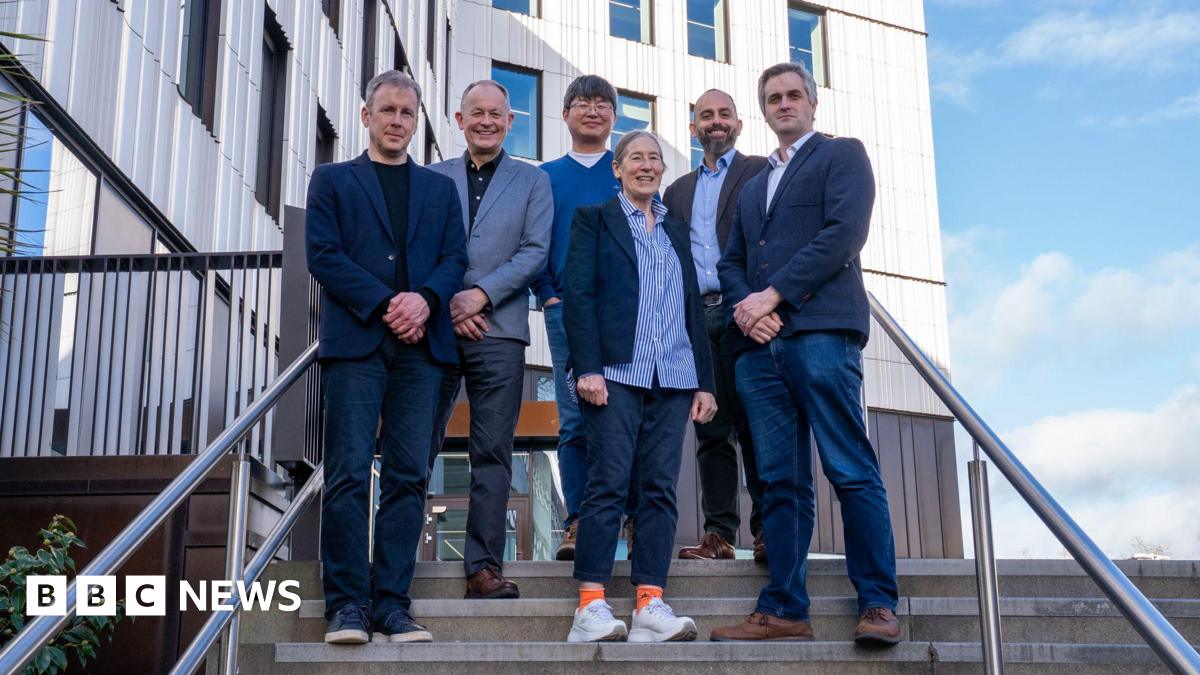
Southampton University and the Future of Space Science
A New Beginning in Space Research
Exciting developments are unfolding at the University of Southampton as it embarks on a pioneering journey in space research through a new institute. This initiative is deeply rooted in the university’s 65-year legacy, which has established it as a leader in education and research within the realms of space science, aeronautics, and astronautics. With a history that blends academic prowess with practical innovation, the university is poised to expand its influence even further in the burgeoning space sector.
Collaboration with Space South Central
One of the most significant partnerships fueling this initiative is the collaboration with Space South Central, the UK’s largest regional space cluster. This network connects the university with approximately 130 space-related businesses spread across Hampshire, Surrey, and the Isle of Wight. Such collaborations are crucial, as they facilitate the exchange of ideas and resources between academia and industry, enriching the educational experience while also addressing real-world challenges faced by the space sector.
Funding for Innovative Projects
Recently, the university secured a substantial boost in funding, receiving over a million pounds from the UK Space Agency’s national space innovation programme. This funding is a testament to the trust placed in the university’s vision and capabilities, allowing it to cultivate groundbreaking research. The university plans to channel these funds into developing two innovative projects: a plasma torch system to simulate the extreme thermal conditions spacecraft encounter during re-entry and a sustainable water-based propulsion system intended for satellite applications.
Addressing Industry Needs
In the words of Prof. Middleton, an advocate for the initiative, “the industry needs the expertise of a university like Southampton to train the next generation, create new jobs and companies, and ensure that space is sustainable in the long term.” This statement underscores the university’s commitment to not just scientific discovery, but also to shaping the future workforce in the aerospace sector.
The projects developed under this new institute will leverage Southampton’s strengths in various disciplines—electronics, fundamental science, astronautics, and artificial intelligence—enhancing the UK space industry in line with national strategies.
Vision for Economic Growth
Central to the establishment of this new institute is the shared vision between Prof. Middleton and UK space policy expert Prof. David Parker, a former chief executive of the UK Space Agency. Their aim is to usher in an era of sustainable local and national economic growth, ultimately positioning the University of Southampton as one of the top institutions in the UK for space education and novel scientific applications.
By focusing on the practical applications of space data here on Earth, this initiative not only seeks to advance space science but also aims to improve daily life through innovative technological solutions.
Enriching the Space Landscape
The multidimensional approach embraced by the University of Southampton is set to enrich the UK’s space landscape. By integrating advanced technologies and fostering academic-industry collaborations, the new institute aligns with larger national ambitions to enhance the UK’s competitive edge in the global space market.
In a world where the exploration and utilization of space are becoming increasingly vital, the efforts underway at the University of Southampton reflect a proactive and thoughtful response to the challenges and opportunities that lie ahead in the vast expanse beyond our planet.

Key points
- A multinational research team has completed a milestone scientific mission to Antarctica aboard CSIRO research vessel (RV) Investigator.
- Researchers collected data, specimens, and samples from the ocean surface to the seabed, aiming to better understand the impact of climate change on the Cook Glacier marine region, an area that has been little studied.
- During the voyage, RV Investigator surpassed a significant milestone, spending the equivalent of one full year at sea supporting Antarctic science and enhancing our understanding of this vital and fragile environment.
Navigating through colossal icebergs and treacherous waves, the CSIRO research vessel (RV) Investigator has been a persistent force in Antarctic science. Over the past 11 years, spanning across seven voyages, the vessel has now spent the equivalent of a year, or over 10% of its operational time, at sea, delivering essential research within Antarctic waters.
Let’s break the ice on the latest milestones from this Antarctic mission.
Investigating the Cook Glacier Marine Region
The recent voyage, referred to as the COOKIES voyage, set sail to explore the icy waters off the Cook Ice Shelf. This globally significant yet relatively unexamined region provides vital information on how Antarctica has responded to past warming, offering insights into future implications.
For 55 days, an international team of researchers, led by scientists from the University of Tasmania’s Institute for Marine and Antarctic Studies (IMAS), traveled over 6,500 nautical miles (12,000 kilometers) to unveil these hidden truths.
By examining the interactions between ice, ocean, and marine life in this area, scientists are piecing together a comprehensive understanding of how changes in Antarctica can send ripples across the globe.
Accessing a Million-Year Archive
Antarctica retains a layered record of global changes in its seabed sediments, with each layer acting as a chapter in a history book.
Voyage Chief Scientist, Dr. Linda Armbrecht from IMAS, delineated how researchers can analyze this natural record to reconstruct Antarctica’s responses to historical warming periods. These insights provide clues on potential future changes.
“Sediment cores, which can be envisioned as tubes of mud, are extracted from the seabed and serve as time capsules,” Dr. Armbrecht noted.
“The surface layers encapsulate the last few centuries, while deeper sediment cores dive back hundreds of thousands, even millions, of years. These strata hold fragments of ancient DNA, microfossils, rocks and chemical markers that reveal historical conditions of the ocean—ranging from temperatures and currents to transformations in the ice sheet and surrounding marine life.”
Working From the Bottom Up
Throughout the mission, CSIRO technicians diligently gathered high-resolution seabed mapping, known as bathymetry, while analyzing sediment layers beneath the surface using RV Investigator’s suite of multibeam echosounders. Currently, less than 30% of the global seabed is mapped to a modern standard, making every surveyed square kilometer crucial for expanding our understanding of ocean floor topology.
This mapping helped pinpoint optimal locations for sampling the seabed sediments. Employing the various coring systems aboard RV Investigator, the team tirelessly retrieved a diverse collection of sediment cores.
Adding to the voyage’s achievements, the team successfully extracted a record length of sediment core from RV Investigator’s giant piston corer—an impressive 20.5-meter tube.
In total, the voyage yielded more than 10,000 sediment samples earmarked for laboratory analysis involving ancient DNA (aDNA), microfossils, sediment geochemistry, and more.
Underway Sampling Delivers Vital Ocean Information
Understanding the transformations occurring in Antarctica requires a holistic study of the environment, encompassing not just the seabed or surface but every element in between.
The underway sampling systems on RV Investigator function continuously to gather vital data from the ocean, atmosphere, and seabed along the vessel’s course. Shortly after departing, the ship’s systems began collecting surface seawater samples, building a comprehensive profile of the water’s conditions as the vessel journeyed southward across the Southern Ocean.
“Every sample offered a glimpse of the biological residents at that moment—microscopic algae, drifting animals, and even trace organisms detectable only by their DNA,” remarked Dr. Armbrecht.
By the voyage’s conclusion, over 130 water samples had been collected for various analyses, including plankton, environmental DNA (eDNA), and microbial and diatom analysis, allowing the team to trace how life and chemistry vary across vast regions of open ocean.
To probe the layers beneath, researchers deployed the CTD (conductivity, temperature, and depth) instrument, which monitors the ocean’s biological, chemical, and physical characteristics from surface to seabed.
These measurements elucidated how warm and cold water layers congregate, mix, and move, and how those dynamics affect life-sustaining conditions. Water samples collected in the ring of bottles around the CTD allowed scientists to assess nutrient levels, crucial for marine ecosystems.
Dr. Armbrecht emphasized, “Even minor changes in the ocean’s temperature or nutrient levels can trigger significant alterations in ocean productivity and ecosystem functionality.”
“Apart from the CTD, we also deployed a trace metal rosette, a specialized device designed to collect water samples for trace metal analysis, which assists in comprehending the fundamental chemical and physical processes driving the ocean,” she added.
Trace metals, like iron, zinc, manganese, and copper, although present in minuscule amounts, are essential for life. These metals are limiting factors in phytoplankton growth, which constitutes the foundation of the ocean food web. Thus, trace metals are pivotal for ocean productivity.
The observations gathered from this voyage will enable scientists to understand where carbon and nutrients are absorbed and stored, the interplay of water masses, and how alterations at the surface impact the ocean’s depths—all critical aspects of the climate equation.
Cataloguing Antarctic Biodiversity and Discovering Unexpected Creatures
Researchers also focused on the ecological diversity of the Antarctic continental shelf.
Utilizing RV Investigator’s cameras and sleds, ecological surveys were conducted. The vessel’s Deep Towed Camera was deployed to explore seafloor ecosystems that remain rarely witnessed by human observers. Following this, benthic sled sampling operations were carried out to collect marine organisms for identification and study.
Onboard, researchers were surprised to find that some exquisite underwater life appeared quite unsettling out of water. One instance involved discovering creatures that seemed oddly beautiful underwater but invoked curiosity and unease when examined above.
The research team documented around 400 organisms during their sampling operations. Additionally, materials for DNA analysis were collected, and more than 10,000 still images were captured using the Deep Towed Camera, alongside hours of video footage for biodiversity studies.
“When integrated with ocean data, these biological surveys unveil more chapters about Antarctica’s ecology. Together, they offer insights into the resilience of its ecosystems,” explained Dr. Armbrecht.
The Importance of Numbers in Science
The data and samples retrieved during the voyage embody years of analytical work ahead. The fieldwork is merely the prologue; meticulous laboratory analyses will follow, undertaken by researchers and future scholars, aiming to generate insights that guide future management strategies and scholarly pursuits.
Andrew Martini, Program Director with the CSIRO Marine National Facility, noted that this represents a significant step in unlocking one of the planet’s most consequential and least understood environments.
“Despite years of research, Antarctica remains a realm filled with unanswered questions, and each voyage reveals vast areas left to explore,” remarked Mr. Martini.
“For the global scientific community, RV Investigator’s expeditions to Antarctica provide essential access to one of the most crucial climate laboratories on Earth. The knowledge gained ultimately benefits humanity by enhancing our understanding of changes influencing oceans, climate, and life on our planet.”
This research was supported by a grant of sea time on RV Investigator from the CSIRO Marine National Facility. The project is part of various collaborative Antarctic research programs and receives backing from the Australian Centre of Excellence in Antarctic Science (ACEAS) and Securing Antarctica’s Environmental Future (SAEF).
Science
Discovery of Ichthyotitan Severnensis: 11-Year-Old Girl Uncovers 202-Million-Year-Old Marine Reptile Fossil
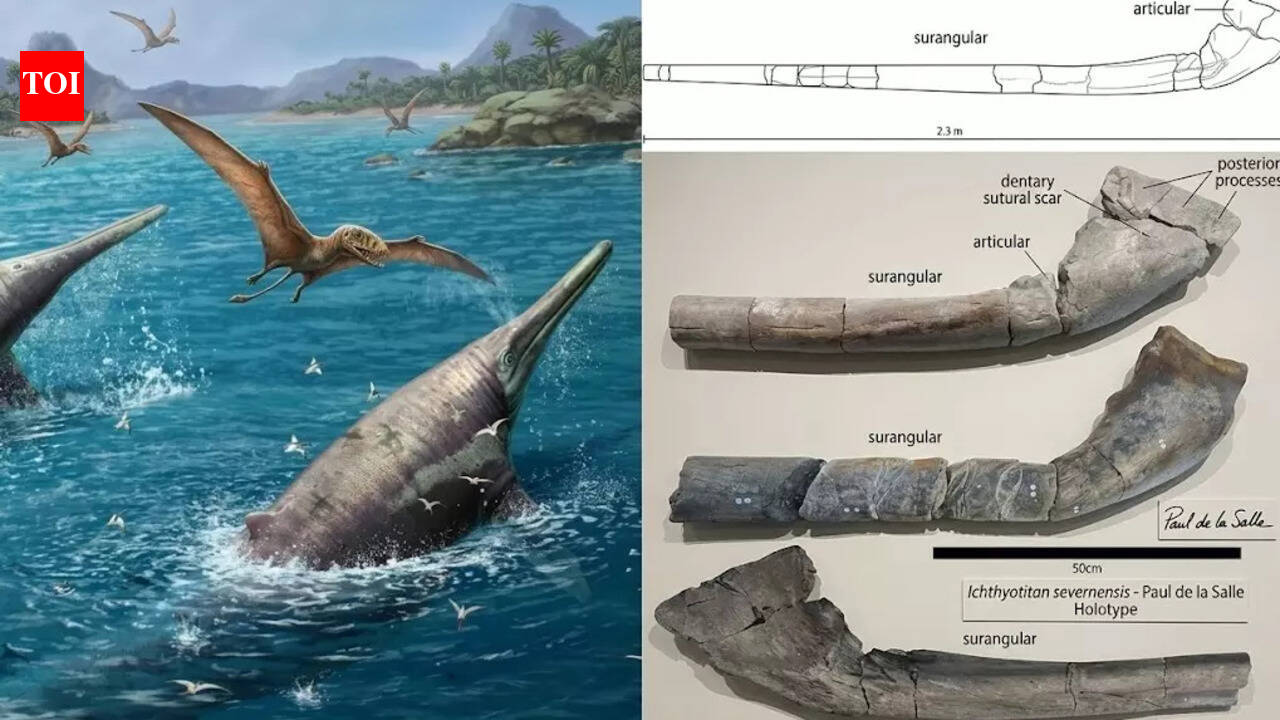
The Fascinating Discovery of Ichthyotitan severnensis
The Serendipitous Find
In May 2020, while the world grappled with lockdowns due to the pandemic, an 11-year-old girl named Ruby Reynolds was on a mission of exploration with her father, Justin. Their destination? The mudflats of Blue Anchor, Somerset, UK. Little did they know that they were about to make a groundbreaking discovery. Amid their search for fossils, Ruby spotted a massive fragment of bone, setting the stage for a revelation that would astonish the paleontological community.
The Discovery of Ichthyotitan severnensis
That fateful day began with casual exploration, but the discovery soon transformed into something extraordinary. Ruby noticed an unusually large piece of bone protruding from the sediment, while her father unearthed a smaller fragment nearby. Their finds caught the attention of paleontologists, who meticulously analyzed the specimens. The results were both thrilling and unexpected: the bones were part of a colossal jawbone from a prehistoric marine reptile, which was later named Ichthyotitan severnensis. This name translates to “giant fish-lizard of the Severn,” drawing inspiration from the nearby Severn Estuary and the creature’s immense dimensions.
A Giant of the Ancient Seas
Estimations suggest that Ichthyotitan severnensis could reach lengths of approximately 25 meters (around 82 feet), rivalling even the blue whale, currently hailed as the largest animal ever. The fossilized lower jawbone, measuring over two meters long, offers a glimpse into the scale of this ancient creature. Ichthyosaurs, to which this new species belongs, were marine reptiles that thrived during the age of dinosaurs. With their sleek bodies, long snouts, and flippers, they resembled a fusion of dolphins and sharks, adapting perfectly to life in ancient oceans.
Dating back to about 202 million years ago, during the Late Triassic period, Ichthyotitan severnensis patrolled the seas just before the dramatic Triassic-Jurassic extinction event. Insights gleaned from these fossils allow scientists to grasp a more nuanced understanding of prehistoric marine life.
The Puzzle Comes Together
The discovery of Ruby’s bone fragment held the key to a scientific mystery that had lingered for years. In 2016, a large ichthyosaur jaw fragment had been unearthed 10 kilometers away at Lilstock, but its identity remained enigmatic due to the fragmentary nature of the find. Ruby’s discovery provided missing links, enabling researchers to confirm both bones belonged to the same kind of gigantic ichthyosaur. This correlation allowed paleontologists to officially recognize Ichthyotitan severnensis as a new species.
The fossils were situated within the Westbury Mudstone Formation, a geological layer that marks the end of the Triassic period. Between 2020 and 2022, researchers returned multiple times to the site, excavating further fragments and gradually reconstructing an even larger section of the jawbone.
The Significance of Ichthyotitan
Why does Ichthyotitan severnensis matter? Primarily, it sheds light on the existence of giant ichthyosaurs at the tail end of the Triassic period. Prior to this find, scientists had assumed that such large marine reptiles had become extinct earlier. Additionally, this discovery offers a richer understanding of prehistoric ocean ecosystems and the evolutionary pathways that led to the emergence of enormous predators like today’s whales.
Moreover, the find underscores the crucial contributions of amateur fossil hunters and young enthusiasts who can make significant scientific breakthroughs. Ruby Reynolds didn’t just find a fossil; she became a co-author on the scientific paper detailing the species, showcasing how curiosity and exploration can lead to remarkable discoveries.
Educational Impact
This discovery is not only pivotal for paleontology but also serves as an educational tool. It emphasizes the importance of curiosity, exploration, and the role of young minds in scientific discovery. Ruby’s journey into the world of fossils can inspire a new generation of scientists and fossil hunters, proving that every day at the beach could lead to extraordinary findings.

The Shift in Peanut Allergy Prevention: An Engaging Exploration
Introduction to New Guidelines
In a remarkable turn of events, the science surrounding peanut allergies in infants has undergone a seismic shift over the past decade. Countries like Canada, and many others worldwide, now advocate introducing allergenic foods like peanuts within the first six months of a baby’s life. This stands in stark contrast to earlier guidelines that recommended total avoidance. Parents may be apprehensive about this change; however, medical experts argue that early and frequent exposure can serve as a protective measure against severe allergic reactions.
The Pivotal LEAP Trial
The transformation in approach can largely be credited to a groundbreaking clinical trial known as the Learning Early About Peanut Allergy (LEAP) study, led by Dr. Gideon Lack from King’s College London. This pivotal research examined infants between four to eleven months who were at high risk for peanut allergies. The results were nothing short of astonishing: rather than a predicted decrease of 40 to 50 percent in peanut allergies, the study recorded a staggering 81 percent reduction. The success led Dr. Lack and his team to mark the achievement with a celebratory toast—whiskey, no less.
The Impact of Early Intervention
The positive ramifications of this early introduction strategy have become more evident. Recent research from the U.S. indicates a 43 percent decline in peanut allergies among children under three, following revised feeding guidelines. The protective benefits of early exposure appear to last, with children displaying far fewer allergy cases in the years that follow.
Personal Motivation Behind Research
Dr. Lack’s keen interest in food allergies was ignited during his pediatric training, where a tragic incident involving a teenager who died from an anaphylactic reaction to peanuts profoundly affected him. This experience, combined with his subsequent research using mouse models—which revealed that introducing potential allergens at an early age could prevent allergies—fueled his determination to change how allergies are understood and treated.
Discrepancies in Allergy Rates
A notable anecdote involves Lack’s observations during a conference in Israel, comparing the low rates of peanut allergies in the country versus those in the UK and the USA. He posed a simple but revealing question to fellow physicians about recent experiences with peanut allergies among their patients. The vast discrepancy in responses highlighted different cultural practices surrounding food introduction, particularly concerning peanut products—years before the LEAP trial’s findings brought scientific validation to these observations.
Practical Recommendations for Parents
Considering the research, Dr. Lack now offers practical advice for parents eager to incorporate peanuts into their children’s diets. Here’s a simple step-by-step guide:
- Begin with safe foods like bananas, which are appealing and easy for infants to consume.
- Mix thinned peanut butter with the banana to create a palatable blend.
- Use your finger to transfer the mixture into the baby’s mouth, allowing the infant to suck on it for a comforting experience.
By following these steps, parents can seamlessly introduce peanuts to their child’s diet while also providing a soothing experience.
Managing Concerns Around Allergies
Parents often find themselves in tricky situations when older siblings are allergic to peanuts. Pediatric allergists like Dr. Douglas Mack recommend introducing peanuts to younger siblings when older, allergic siblings are not present—such as during school hours—to minimize anxiety for everyone involved.
Maintaining Good Practices
Experts emphasize that once peanuts or other allergenic foods are tolerated, they should remain a regular part of the diet. This continual exposure helps the immune system recognize and remember the allergen, thereby reducing the likelihood of future allergic reactions. Ideally, these foods should be consumed at least twice a week as a part of ongoing dietary habits.
Further Tips for Introducing Allergens
Pediatric allergist Dr. Moshe Ben-Shoshan suggests using nut milks, such as cashew, as a less concentrated source of allergens. This method also mitigates choking hazards. Regarding eggs, introducing them in baked forms, such as muffins mixed with applesauce, can be beneficial when starting to test for allergies.
Avoiding Eczema Complications
It’s crucial to note that parents should refrain from applying peanut butter to a baby’s skin, as this can exacerbate eczema and complicate the ability to assess potential allergies accurately. The foundational dietary choices made during an infant’s first year can significantly impact their long-term risk of anaphylaxis.
Closing Thoughts
Parents are encouraged not to let fear dictate their approach to introducing allergens like peanuts. The evidence strongly supports early and consistent exposure as a means to promote tolerance, thereby decreasing the prevalence of peanut allergies among children. This evolving perspective on food allergies represents a significant leap forward in pediatric health and well-being.

I Never Felt Out of Place in Kolkata: Jaya | Bengali Film Update

Veterinarian Dr. Wuellner’s safe holiday tips & dog grooming trends with celebrity groomer Jess Rona

Baby Chickens – Funny Chickens You Will Die Laughing – Funniest Animals Videos 2019

Actor from ‘Heated Rivalry’ Claims Show Is Not Political

Full Appearance – Poncho The Parrot

Funny French Bulldog Compilation 2022 | Cute Frenchies | Adorable Puppies and Dogs

Trump News Summary: Uncertainty Surrounds Call for Allied Protection of Strait of Hormuz Amid Allies’ Skepticism | Trump Administration

250227 まるでセレブ😂リーと舗装道路を歩くCelebrity Chihuahuas Walk on the paved road with Lee

Orange Cat Activities

Town Hall on Immigration with Mayor Karen Bass

Who Is Really Voting in These Polls? The Shocking Truth Behind America’s Approval Numbers

Tyler Jaggers: Coast Guard Rescue Swimmer Passes Away Days After Mission Incident; Fiancée Honors His Memory

Blueprint for a “Tax-Free America” That Actually Works

Police Issue Warrant for Bar Patron Alleged to Have Assaulted Multiple Individuals

Winter Storm Provides Much-Needed Surge for Tug Hill Snowmobile Industry

Four Forecasts for 2026

It Took 35 Years for T. rex to Reach Full Maturity

Major Indices Experience Weekly Declines as Treasury Yields Reach Four-Month High

feeding carrot beans and radish to the hungry monkey

EXCLUSIVE: Will Smith’s Former Best Friend Bilaal Breaks Silence in Explosive Tasha K Interview — Lawsuit, Scientology Allegations, and Claims of an Attempt on His Life
Veterinarian Dr. Wuellner’s safe holiday tips & dog grooming trends with celebrity groomer Jess Rona
Baby Chickens – Funny Chickens You Will Die Laughing – Funniest Animals Videos 2019
Full Appearance – Poncho The Parrot
Funny French Bulldog Compilation 2022 | Cute Frenchies | Adorable Puppies and Dogs
250227 まるでセレブ😂リーと舗装道路を歩くCelebrity Chihuahuas Walk on the paved road with Lee
Orange Cat Activities

Miranda Kerr: Mindfulness and Meditation for Stress Management | Celebrity Meditation Series
![Funny Chinchilla 🐭Funny and Cute Chinchilla (Full) [Funny Pets]](https://i0.wp.com/i.ytimg.com/vi/gCRe9YMMYbM/maxresdefault.jpg?resize=80%2C80&ssl=1 "Funny Chinchilla 🐭Funny and Cute Chinchilla (Full) [Funny Pets]")
Funny Chinchilla 🐭Funny and Cute Chinchilla (Full) [Funny Pets]

Tag Celebrity Crush

Prank Pets | Funny Pet Video Compilation 2017
-
 Entertaiment1 week ago
Tyler Jaggers: Coast Guard Rescue Swimmer Passes Away Days After Mission Incident; Fiancée Honors His Memory
-
 Comedy2 weeks ago
feeding carrot beans and radish to the hungry monkey
-

 World News1 week ago
Oil and Gas Prices Surge Amid Escalating Conflict in Iran
-

 US News6 days ago
Trump Assures Republicans: Iran Conflict Could Conclude ‘Fairly Soon’ | Donald Trump News
-

 Business1 week ago
Netflix Withdraws from Meghan Markle’s $64 Candle Venture
-

 Crime & Justice1 week ago
Over 30 Injured in Nightclub Bombing in Northern Peru | Crime News
-

 Business4 days ago
Major Multi-Country Oil Release Agreement Falls Short of Lowering Prices
-

 Business2 days ago
The Transition of ‘Somebody Feed Phil’ to YouTube
