
Business
Morning Briefing: Business Updates for March 13, 2026


Bellying Up to the Bar: Celebrating Local Bartenders
Every community has its unsung heroes—those who make our nights a little brighter and our drinks a little colder. This article shines a spotlight on these bar legends, beginning with Donna Cutright, a bartender whose journey through the food and beverage industry spans over four decades.
A Journey Through Bartending
Donna Cutright’s story is as engaging as the drinks she serves. Originally hailing from Homer, Illinois, her bartending journey began unexpectedly during her time in South Padre Island, Texas. “I soon got thrown into bartending when my owner/coworker took a road trip mid-shift,” she recalls, laughing about that chaotic night. With around 80 thirsty patrons and no prior bartending experience, Cutright had to “wing it” on the spot.
A New Chapter in Illinois
In 2013, Donna made the pivotal decision to return to Illinois, following her daughter’s move to the state with the Navy. However, this transition wasn’t without its challenges. “Coming back to Illinois was an eye-opener,” she shared. The landscape had changed, and she found it tough to secure work in an industry that often favors youth over experience. Despite these hurdles, her resilience shone through.
An Impressive Line-up of Venues
Over the years, Cutright has worked at several well-known establishments, including the Danville Country Club, Ogden’s Pink House, and The Sidney Saloon, where she currently pours drinks. Each venue has its own unique vibe and clientele, but they all reflect her dedication to the craft. “I love the friendly atmosphere,” she said about The Sidney Saloon, which also offers entertainment like karaoke, music bingo, and trivia nights. The establishment is known for its warm welcome, ensuring that “you may come in as a stranger, but you’re gonna leave as a friend,” Cutright emphasizes.
Crafting Cocktails
When it comes to cocktails, Cutright has a knack for creating memorable drinks. One of her favorites is the Long Island Iced Tea—so much so that at least one coworker refers to it as “Donna Tea.” Another popular choice she serves is the old-fashioned, a timeless classic. Yet, when it comes to her personal choices, Cutright prefers something simple, typically opting for Michelob Ultra or a Tito’s and soda. This mix of complexity in her bartending skills and simplicity in her personal tastes highlights her unique personality.
A Life Beyond the Bar
While Cutright is passionate about her work, her life outside the bar is equally fulfilling. Family takes center stage. “I’m very family-oriented,” she shared, and when she’s not mixing drinks, you’ll likely find her at the gym with her daughter or enjoying quality time with her grandchildren, Audrey and Owen. These personal touches reveal a woman who balances her professional dedication with a rich family life.
Connecting with the Community
Cutright’s journey is more than just a story of mixing drinks; it’s about building connections and celebrating community. Her experiences share a common thread with many local bartenders who serve as confidants, friends, and community pillars.
If you have a favorite bartender whose story you’d like to share, consider reaching out to local publications spotlighting these community treasures. After all, every drink served comes with a side of story—and those stories are what truly bring us together.

The Rise of Misinformation in the Restaurant Industry
In today’s digital age, misinformation has become a significant concern for many businesses, particularly restaurants. A notable recent example involves Chipotle, where a viral post on X (formerly Twitter) fabricated claims regarding CEO Scott Boatwright. The post alleged that Chipotle planned to raise prices targeting higher-income customers, sparking outrage and drawing attention from major news outlets. The reality, however, was starkly different; Boatwright’s comments from a public earnings call had been misrepresented, illustrating how quickly false narratives can snowball online.
The Impact of Social Media on Misinformation
Social media platforms have transformed the speed at which information—true or false—spreads. According to a Pew Research Center report, over half of Americans now acquire some of their news from social media channels like Facebook and TikTok. With this shift, the lines between fact and fiction often blur, as personalized feeds create echo chambers that amplify misleading narratives.
Restaurants find themselves particularly vulnerable to these dynamics. Chipotle’s social listening team, tasked with monitoring the company’s online reputation, reacted swiftly to misinformation—an escalating necessity in an environment where falsehoods can become mainstream news within hours. “In this case, it was clearly blatantly wrong,” stated Laurie Schalow, Chipotle’s Chief Corporate Affairs Officer, highlighting the urgent need for businesses to respond to inaccuracies.
The Role of Artificial Intelligence
Adding another layer of complexity is the rise of artificial intelligence in creating and disseminating misinformation. AI tools can easily produce hyper-realistic content that can mislead consumers, making it increasingly challenging for brands to combat false narratives. Elizabeth Jarvis-Shean, DoorDash’s Chief Corporate Affairs Officer, noted, “AI has become a real accelerant,” accelerating the spread and creation of misinformation at an unprecedented pace.
Real-World Examples of Misinformation
The restaurant sector has seen numerous incidents of false claims that have prompted swift public relations actions:
- Cracker Barrel faced scrutiny over misleading narratives regarding its employee meal policy.
- BJ’s Restaurants was rumored to be filing for bankruptcy, which turned out to be untrue.
- A TikTok post claimed Texas Roadhouse was secretly surveilling customers with hidden cameras—an assertion the chain quickly debunked.
Doster, Chief Communications Officer for Texas Roadhouse, emphasized the volatility of this environment, stating that at times, “it seems like somebody makes an accusation, and it skips the traditional route of filtering by a news organization.”
Challenges for Traditional Media
As misinformation proliferates, traditional media outlets face challenges of their own. Many news organizations struggle to maintain traffic due to changing audience behaviors, as fewer consumers visit news websites. The ensuing pressure to produce sensational content often leads to stories being published without thorough fact-checking, further exacerbating the problem for brands attempting to manage their reputations.
“Now you have to fight every single negative or inaccurate narrative that’s out there,” warned Liz DiTrapano, partner at ICR, emphasizing the urgency for brands to be proactive in addressing misinformation.
Strategies for Combatting Misinformation
Brands are increasingly empowered by technology to monitor and respond to misinformation effectively. Social media monitoring tools enable companies to gauge sentiment about their brands, allowing them to respond before false narratives gain traction. During crises, rapid and clear communication becomes vital; swift rebuttals, such as those from DoorDash and Chipotle in reaction to viral accusations, can help quell consumer doubts.
Engaging with reputable media outlets also plays a critical role in establishing trust and mitigating the risks associated with misinformation. Building relationships with journalists can facilitate the accurate portrayal of a brand, ensuring that the narrative remains truthful.
The Importance of Reputation Management
Despite the challenges posed by misinformation, restaurants can still control aspects of their brand experience. Cultivating goodwill within communities and ensuring positive customer experiences are pivotal. A historical example includes Jeni’s Splendid Ice Cream, which responded proactively to contamination fears, resulting in a strong rebound in customer trust when the company clarified the situation.
In times of heightened uncertainty, a solid reputation becomes a buffer against misinformation. If consumers view a brand favorably, they are more likely to lend the benefit of the doubt in the face of false claims. Conversely, a damaged reputation can amplify the impact of negative rhetoric.
A New Era of Communication
As the misinformation landscape continues to evolve, restaurants and brands alike must adapt to maintain their integrity and trustworthiness. The challenges posed by viral falsehoods demand comprehensive strategies, leveraging both technology and genuine engagement with consumers. The industry is learning quickly that in an age where misinformation can go viral, remaining vigilant and proactive is crucial to protecting brand reputation amidst the chaos.
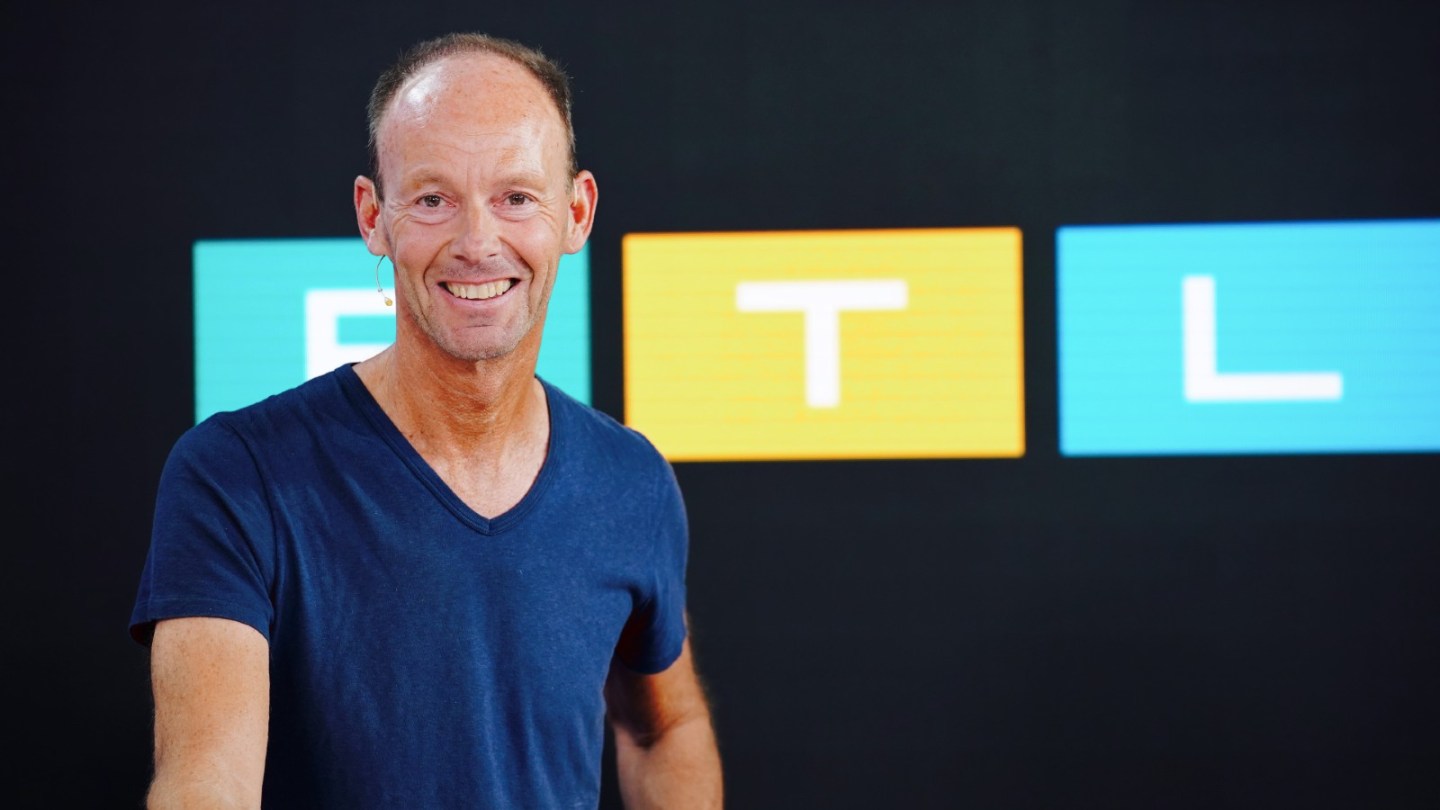
RTL Group’s Financial Progress and Strategic Shifts in 2025
RTL Group, a key player in the European media landscape, reported €6.0 billion ($6.55 billion) in revenue for 2025. This reflects a strategic pivot towards subscription and digital businesses as the group repositions itself in response to declining traditional TV advertising revenues. With a strong focus on expanding its streaming operations, RTL has initiated a series of significant deals to enhance its content delivery and tap into the growing digital market.
The Financial Landscape
The Luxembourg-based RTL Group, owned by the German media conglomerate Bertelsmann, faced challenges in 2025, with a revenue decline of 3.8% from €6.254 billion ($6.81 billion) in 2024. The decrease was largely attributed to a reduction in traditional TV advertising, a trend many media companies are grappling with as audiences shift to on-demand content. Nevertheless, the company’s adjusted EBITA remained stable at €661 million ($720 million), aligning with internal forecasts and demonstrating resilience amidst shifting consumer behaviors.
Streaming: The Key Growth Driver
Amidst these challenges, streaming emerged as a beacon of growth for RTL Group. The company’s streaming subscriber base surged by 19% year-on-year, reaching 8.1 million, while revenues from streaming increased by 26% to €509 million ($555 million). Notably, losses in the streaming division narrowed to €47 million ($51 million), signaling a trend towards eventual profitability, which the CEO, Thomas Rabe, expects to achieve later this year.
Strategic Acquisitions: The Sky Deutschland Deal
A strategic milestone for RTL in 2025 was its agreement to acquire Sky Deutschland from Comcast for €150 million ($164 million), with additional potential earn-outs linked to RTL’s performance. This merger aims to amalgamate RTL’s existing streaming platform with Sky’s extensive pay-TV operations, creating a formidable player in the streaming market with an anticipated 12 million paying subscribers across Germany, Austria, and Switzerland. Regulatory approvals are pending, with the transaction expected to close in the first half of 2026.
Portfolio Streamlining and Profit Generation
Further shaping its corporate structure, RTL Group completed the sale of RTL Nederland to Belgian media company DPG Media. This transaction nearly doubled the group’s overall profit to €1.028 billion ($1.12 billion), a significant increase from €555 million ($605 million) the previous year. The deal includes a partnership arrangement with DPG Media for technology services and advertising sales through RTL’s AdAlliance unit, as well as first-look programming rights from RTL Nederland.
Partnerships for Growth
In addition to mergers and acquisitions, RTL has actively sought partnerships to bolster its digital offerings. One notable collaboration occurred in January when RTL Deutschland launched a bundled subscription that paired its RTL+ service with HBO Max. This initiative coincided with HBO Max’s entry into the German market, presenting subscribers with a diverse array of local and international programming at a competitive price point.
Furthermore, RTL’s AdAlliance division has sealed an agreement with Warner Bros. Discovery to manage advertising sales for HBO Max in Germany. This partnership allows advertisers to utilize RTL’s established sales infrastructure, enhancing access to audiences across both platforms.
Advertising Revenue Trends
Despite the positive developments in streaming, RTL Group’s traditional revenue streams faced decreasing pressure. Total advertising revenue dropped to €3.03 billion ($3.30 billion), with TV advertising declining by 7% to €2.19 billion ($2.39 billion). Conversely, the group witnessed a notable 27.7% growth in digital advertising revenue, which reached €517 million ($564 million), demonstrating a shift in consumption patterns.
Future Expectations
Looking ahead to 2026, RTL Group anticipates an increase in adjusted EBITA to around €725 million ($791 million), buoyed by improved streaming profitability and synergies from the Sky Deutschland acquisition. Over the long haul, the company remains steadfast in its goal to achieve €1 billion ($1.09 billion) in adjusted EBITA, reflecting its ongoing commitment to transitioning from traditional linear broadcasting towards a predominantly streaming and digital advertising model.
In summary, RTL Group’s journey in 2025 illustrates the complexities and opportunities inherent in the evolving media landscape, characterized by strategic acquisitions, partnerships, and a focused shift towards digital growth.

### Global Oil Crisis: IEA’s Unprecedented Decision
On Wednesday, the International Energy Agency (IEA) announced a landmark decision: member countries unanimously agreed to release 400 million barrels of oil from their reserves. This move aims to combat soaring oil prices, an issue exacerbated by the ongoing conflict in Iran. Such a substantial release marks the largest coordinated effort by IEA member nations to address emerging energy crises, reflecting the urgency of the situation.
### Market Reactions and Price Fluctuations
Following the IEA’s announcement, U.S. crude oil prices initially dipped, influenced by the prospect of new supply entering the market. However, this relief was short-lived. Prices quickly rebounded, surpassing $88 per barrel by midday. This volatility points to underlying anxieties about the ongoing conflict and its implications for global oil supply. Despite President Donald Trump’s optimistic comments suggesting a swift end to hostilities, market reactions tell a different story, revealing a deep-seated worry about a prolonged crisis.
### The Strategic Release Timeline
While the announcement heralded a collective commitment to releasing oil reserves, the IEA did not specify when this unprecedented action would take effect. According to their statement, further details about how these collective measures will be implemented will be forthcoming. The uncertainty surrounding the timing of this release adds another layer of complexity to an already volatile market.
### Impact of Geopolitical Tensions
Since the conflict escalated on February 28, shipping through the Strait of Hormuz—a critical chokepoint for global oil transport—has been severely disrupted. The strait sees the flow of over 20 million barrels of oil daily, essential for meeting global demand that exceeds 100 million barrels. Reports from maritime monitoring agencies indicated attacks on at least three ships in the region, compounding fears among insurers and shipping companies, who are now hesitant to operate in these perilous waters.
### Rising Prices and Economic Impact
The geopolitical tensions have resulted in a spike in energy prices. U.S. crude oil prices have surged more than 30% since the conflict began, while retail gas prices have increased by over 50 cents, averaging around $3.57 per gallon. Other energy commodities, including natural gas and jet fuel, have also experienced significant price jumps. As energy costs continue to rise, the strain on consumers and businesses is palpable.
### IEA Member Nations and Their Reserves
The IEA is comprised of 32 member countries, including major economies like the United States, United Kingdom, Japan, and Germany. Collectively, these nations hold emergency stockpiles exceeding 1.2 billion barrels. The U.S. itself boasts over 415 million barrels stored in its Strategic Petroleum Reserve, with additional reserves available from countries across Europe and Asia.
### Mobilization Challenges
While the decision to release reserves is significant, mobilizing these stocks for market delivery may take time. Historical data indicates that when a presidential order is issued to tap into the U.S. strategic reserve, deliveries often commence after approximately 13 days. Moreover, additional shipping times before oil reaches consumers can further delay any potential relief at the pump. Analysts from JPMorgan Chase have pointed out that the current geopolitical landscape complicates the effectiveness of such measures.
### The Strait of Hormuz: A Crucial Consideration
The efficacy of the IEA’s release hinges critically on ensuring safe passage through the Strait of Hormuz. As it stands, much oil remains physically blocked from reaching global markets. Analysts have stressed that policy measures alone will have limited impact unless a secure transport route is established. Historical trends show that emergency responses typically peak at around 1.4 million barrels per day, a figure that, while potentially helpful, may not substantially alleviate the estimated daily shortfall of 16 million barrels underway.
### Historical Context of Emergency Releases
The IEA’s proactive measures are not without precedent; there have been notable emergency releases before. For instance, in response to Russia’s invasion of Ukraine in 2022, an estimated 180 million barrels were released. These historical examples serve as critical markers for understanding the potential implications of the current situation and the limits of these emergency measures.

Celebrity Constellation Cruise Vlog Day 3 Afternoon: Cozumel Run, Evening Onboard

99% Lose this TRY NOT TO LAUGH Challenge – Funny Kittens Video

Could the US Military Turn Against Trump? – Podcast | US News

Iran’s Conflict with Israel and the United States

Morning Briefing: Business Updates for March 13, 2026

Lusa – Business News – Portugal: Stock Market Declines on Thursday Morning

Iran Intensifies Attacks on Gulf Infrastructure and Transport Networks | US News

Tracy Police Achieve Lower Crime Rates and Faster Response Times Through Modern Technology

Enterprise IT and Communications Technology News | Pipeline Magazine

Enhanced Capsule Technique Revolutionizes Single-Cell Analysis

Who Is Really Voting in These Polls? The Shocking Truth Behind America’s Approval Numbers

Tyler Jaggers: Coast Guard Rescue Swimmer Passes Away Days After Mission Incident; Fiancée Honors His Memory

Blueprint for a “Tax-Free America” That Actually Works

Police Issue Warrant for Bar Patron Alleged to Have Assaulted Multiple Individuals

Winter Storm Provides Much-Needed Surge for Tug Hill Snowmobile Industry

Four Forecasts for 2026

It Took 35 Years for T. rex to Reach Full Maturity

Major Indices Experience Weekly Declines as Treasury Yields Reach Four-Month High

EXCLUSIVE: Will Smith’s Former Best Friend Bilaal Breaks Silence in Explosive Tasha K Interview — Lawsuit, Scientology Allegations, and Claims of an Attempt on His Life

2026 NFL Coaching Update: John Harbaugh Nearing Deal with Giants; Mike Tomlin Not Expected to Coach Next Season
Celebrity Constellation Cruise Vlog Day 3 Afternoon: Cozumel Run, Evening Onboard
99% Lose this TRY NOT TO LAUGH Challenge – Funny Kittens Video

celebrity pets con andrea estevez

😍 Cute and Funny 😜 Moments with Hedgehogs 🦔 Compilation 🥰 Милые и Смешные 😃 Моменты с Ежами 🦔

Decoration Day, How To Be A Celebrity, Paper Moon, And Where To Get A Drink Of Water

Adulting Dogs | Funny Dog Video Compilation 2017

Reacting To My South Park Episode!

15 minutes of funny cat behavior / No music, just lovely cats sounds

Amy McCones Celebrity Cruise Line Audition Reel

Boston Terrier — Funny And Adorable Videos And Tik Toks Compilation
-
 Entertaiment7 days ago
Tyler Jaggers: Coast Guard Rescue Swimmer Passes Away Days After Mission Incident; Fiancée Honors His Memory
-

 Comedy1 week ago
feeding carrot beans and radish to the hungry monkey
-

 World News6 days ago
Oil and Gas Prices Surge Amid Escalating Conflict in Iran
-

 Crime & Justice6 days ago
Over 30 Injured in Nightclub Bombing in Northern Peru | Crime News
-

 Business7 days ago
Netflix Withdraws from Meghan Markle’s $64 Candle Venture
-

 US News3 days ago
Trump Assures Republicans: Iran Conflict Could Conclude ‘Fairly Soon’ | Donald Trump News
-

 Science6 days ago
Domino Unveils the Quickest and Safest Way to Scale Enterprise-Agent AI Systems
-

 Crime & Justice2 days ago
Video Captures SJPD Probe into Possible Hate Crime Following Attack on Two Jewish Men at Santana Row in San Jose