
Politics
Trump’s Voting Bill Initiative Challenges Relations with GOP Lawmakers: Insights from the Politics Desk


The Politics Desk: Current Tensions in the GOP and Messaging Challenges Ahead
Welcome to your behind-the-scenes look at the intricate web of politics unfolding in Washington, echoing through the halls of Congress and reverberating throughout the nation. If you’ve been following the ever-evolving landscape of American politics, today offers a particularly insightful glimpse into the ongoing tensions within the Republican Party, as well as the challenges faced by the Trump administration regarding its messaging on complex international issues.
SAVE America Act: A Divisive Proposal
The SAVE America Act has emerged as a focal point of contention between President Donald Trump and Senate Majority Leader John Thune. Thune is navigating the tricky balancing act of catering to Trump’s agenda while addressing the realities of the Senate’s dynamics. The recent declaration from Thune indicates that this legislation will soon be brought to the floor for a robust debate.
“Next week I will be bringing the SAVE America Act to the floor, and we’ll be having a full and robust debate,” Thune stated. He emphasized the aim to hold Democrats accountable for their positions on various contentious issues.
The legislative dance begins with the Senate engaging in days of extended discussions around the bill—with hopes of forcing Democrats to publicly defend their stances. However, the road ahead is fraught with difficulties; while the initial debate might include amendments suggested by Republicans, the ultimate goal of cutting off debate requires a daunting 60 votes—something many in the party view as unattainable.
Senator Thom Tillis voiced skepticism about the act, categorizing the chances of it reaching Trump’s desk as “0%.” Despite personal support for the legislation, he emphasized that the party’s focus should shift toward bills that more directly address voters’ urgent concerns, particularly rising living costs as the midterm elections loom closer.
“This is frustrating, but it’s also a regular occurrence,” remarked one House Republican who chose to remain anonymous, expressing the common sentiment that congressional priorities need to embrace economic relief measures that resonate with constituents.
Mixed Messages on Iran: A Communication Breakdown
In a related vein, President Trump’s administration is grappling with how to communicate its objectives amid the ongoing fallout from the escalating Iran conflict. Just a few weeks in, the administration is facing backlash for delivering contradictory messages regarding its military aims and the implications for American households already strained by rising gas prices.
Trump alternated between declaring “we won” and cautioning against an early withdrawal without clarifying the ultimate aims of U.S. involvement. Such mixed messaging is disorienting for supporters and skeptics alike, creating an atmosphere of uncertainty around how the administration intends to navigate the geopolitical complexities of the Middle East.
Polling data suggests widespread disapproval of Trump’s handling of the situation, with a staggering 54% of voters expressing dissatisfaction. The public’s confusion mirrors internal party struggles, as some Republicans urge the President to clarify military objectives.
Presidents historically invest considerable effort in explaining military actions to create public support ahead of conflicts. Analyzing the success of past administrations reveals that clear messaging can create a reservoir of public trust, a stark contrast to Trump’s current standing. While his base remains steadfast, independent voters showcase a significant degree of skepticism—revealing a fragmented party and a precarious path ahead.
The Broader Political Context
Recent polls indicate that while MAGA loyalists remain unwavering, broader public sentiment appears decidedly unsteady. The administration stands at a crossroads, facing a dual challenge: addressing immediate foreign policy crises while simultaneously meeting constituents’ urgent economic concerns back home.
A palpable urgency surrounds the issues at the forefront of political discussions, as the upcoming midterm elections promise to be particularly consequential. Congressional Republicans are under pressure to prioritize legislation that can directly benefit voters’ lives, emphasizing affordability and economic relief over contentious partisan battles.
As the political narrative unfolds, the strategies employed by both Trump and the Republican leadership will be critical in shaping the electoral outcomes, providing a fascinating lens through which to interpret the evolving dynamics of American politics.
For those interested in continued insights from the heart of the action, sign up for the newsletter, which delivers the latest analysis directly to your inbox.
Federal Judge Quashes DOJ Subpoenas Against the Federal Reserve
A federal judge delivered a significant ruling affecting the Federal Reserve and its leadership when he quashed subpoenas issued by the Justice Department. This decision has drawn considerable attention and criticism, particularly as it unfolds amid an already contentious political climate in Washington.
The Background of the Investigation
The Justice Department had initiated an investigation into testimony from Federal Reserve Chair Jerome Powell regarding a staggering $2.5 billion building renovation project. The inquiry took form shortly after Powell’s appearance before the Senate Banking Committee last June, where he was questioned about potential cost overruns and the nature of the renovations being undertaken. Estimates indicated that costs had ballooned by approximately $600 million from an earlier projection of $1.9 billion.
During his testimony, Powell indicated that the renovation lacked certain luxurious features, such as “rooftop gardens” and “VIP elevators.” However, officials from the Trump administration alleged that previous plans had included these high-end amenities, suggesting that Powell might have misrepresented facts regarding the project.
The Judge’s Ruling
Judge James Boasberg, the presiding authority on this case, emphasized that the government had provided “essentially zero evidence” to substantiate any criminal implications against Powell. He described the justifications for the subpoenas as “thin and unsubstantiated,” positing that their real aim was to exert pressure on Powell to either lower interest rates—which President Trump had repeatedly demanded—or resign in favor of a more compliant successor.
What stands out in Boasberg’s ruling is his blunt assessment of the subpoenas as potentially a tool for harassment rather than a legitimate investigative measure. He stated, “The Court is thus left with no credible reason to think that the Government is investigating suspicious facts as opposed to targeting a disfavored official.” This characterization leads to serious questions about the nature of the investigation and its alignment with norms of judicial propriety.
Reactions from Key Stakeholders
U.S. Attorney Jeanine Pirro, who spearheaded the subpoenas, expressed her discontent with the ruling, labeling the judge an “activist” and claiming that he had stifled the grand jury’s investigative powers. She announced her intention to appeal the decision, arguing that it undermines the legal authority necessary to investigate alleged misconduct within federal institutions.
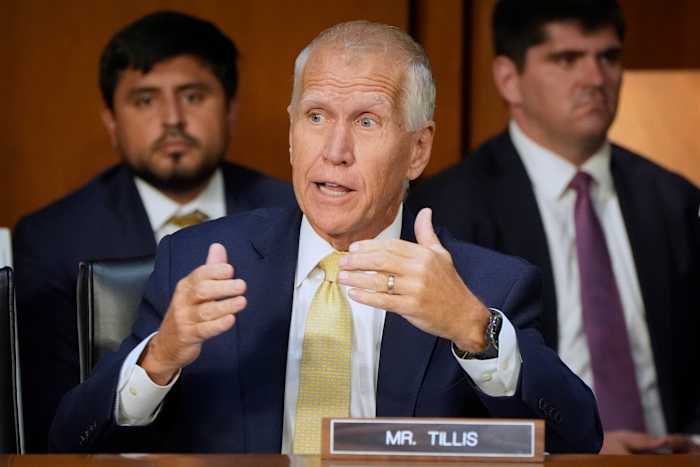
Powell’s tenure as chair of the Federal Reserve is further complicated by the ongoing nominating process for his possible successor, Kevin Warsh. The investigation’s cloud has delayed Senate consideration of Warsh’s nomination, as certain senators, including North Carolina Republican Thom Tillis, may obstruct the process until the matter is resolved.
The Broader Context of Fed Independence
This development is part of a more extensive narrative surrounding the Trump administration’s attempts to exert influence over the Federal Reserve. Traditionally viewed as independent from political pressures, the Fed has found itself embroiled in a political storm, facing scrutiny not just for its policy decisions but also for the investigations targeting its officials.
In a particularly controversial episode, Trump’s administration sought to dismiss Lisa Cook from the Fed’s governing board after unfounded allegations of mortgage fraud. The Supreme Court intervened, effectively blocking her removal.
The Implications of Continued Investigation
The lingering investigation into Powell has far-reaching implications. It could result in significant delays not only for Warsh’s confirmation but also for any other appointments to the Fed’s leadership. Currently, Powell may continue to serve even past his term’s end on May 15 if no new chair is confirmed.
Senator Tillis has made it clear that he intends to block any Federal Reserve nominees until the investigation concludes, asserting that the pursuit against Powell lacks legal foundation and serves only to create unnecessary contention.
Closing Thoughts on Judicial Independence
Boasberg’s ruling points to an essential debate about judicial independence and the role of the courts in checking executive power. His offer to allow the government to submit evidence privately underscores the complexities involved in balancing transparency with the need for secrecy in sensitive investigations.
While this legal back-and-forth continues, scrutiny surrounding the Federal Reserve and its leaders persists, raising fundamental questions about transparency, accountability, and the proper boundaries of government inquiry.

The Rise of Aaron Flint: A New Voice in Montana Politics
A Morning Routine with a Politician
In the bustling town of Jam, the sun barely peeking over the horizon, Aaron Flint indulges in his morning ritual. A conservative firebrand with a penchant for Americano-style coffee—complete with a splash of whole milk and some sugar-free vanilla—Flint embodies the disciplined lifestyle of a man who rises at 3 a.m. A former Army combat veteran, he spent years hosting the conservative radio show “Montana Talks,” navigating the political landscape one conversation at a time.
Transitioning from Radio to Politics
After nearly seven years behind the microphone, Flint recently stepped away from his radio show. Just two weeks later, he decided to channel his passion for politics into a candidacy for the 1st Congressional District, following the unexpected retirement of Rep. Ryan Zinke. In that moment, it was a transition from questioning and listening to being on the other side of the mic, answering the questions about what his vision for Montana and America entails.
Endorsements and Expectations
With endorsements from significant political figures, including Zinke and former President Donald Trump, Flint is ready to take on the political establishment. “What do you say when you get the endorsement of the President of the United States?” he mused, reflecting on his journey from an everyday kid in Montana to a serious candidate for congressional office.
Preparing for a Crowded Primary
As Flint gears up for the Republican primary scheduled for June 2, he navigates a competitive field, including challengers like Ray Curtis, Secretary of State Christi Jacobsen, and Albert Olszewski. Prioritizing a hands-on approach, Flint championed his ground game, visiting nine Montana counties to connect with constituents. Each stop is important as he builds his presence in a race where understanding local concerns is paramount.
The Political Landscape and Challenges Ahead
The political climate in Montana is charged, especially following Sen. Steve Daines’ surprising announcement that he won’t seek re-election. Flint expressed his astonishment: “The Daines news was a total shocker to me.” With many eyes turning towards the race, he understands that this seat could play a pivotal role in maintaining Republican control over the U.S. House.
Addressing Key Issues
Flint emphasizes that his congressional race is not just about Montana but holds implications for the entire nation. “It’s America’s 250th birthday. Voters are going to determine whether or not this country remains a free republic for another 250 years,” he stated passionately. His rhetoric carries weight as the midterm elections draw close; the stakes have never been higher.
Economic Concerns and Inflation
With a keen eye on economic issues, Flint articulates concerns over federal spending and its impact on inflation. He criticized the current administration’s budget policies, drawing attention to the consequences of unchecked government expenditures. “The fear is if the other side takes over control of Congress, they are going to waste everyone’s time with Trump’s impeachment on day one,” he argued, advocating for fiscal responsibility.
Public Lands and Employment Opportunities
Flint also has a strong commitment to Montana’s natural resources and workforce development. Encouraging careers in trades and related education, he aims to bolster local industries such as forestry and mining. “There are places where we’re ready to mine,” he remarked, highlighting projects in counties like Libby, where a copper mine is currently under exploration.
Standing Up to Foreign Influence
Flint’s stance extends beyond state borders, addressing international affairs with a clear voice. He believes in an end to prolonged military engagements, especially in the Middle East. Drawing from his experiences as an Iraq and Afghanistan veteran, he expressed a desire for focused leadership regarding U.S. military involvement abroad.
Diplomatic Strategies in the Middle East
Flint sees a potential pathway to peace through decisive actions, alluding to recent events involving Iranian leadership. “I think he’s trying to end this war with Iran and bring it to a quick halt,” he commented on Trump’s strategy, suggesting that while military presence is a concern, the objective should be to prevent destabilization of vital regions without getting trapped in endless conflicts.
Citizen Connection and Future Goals
Through his candidacy, Flint seeks to position himself as a relatable figure who understands the challenges Montana faces. “Where have these Democrat congressional candidates been?” he quipped about local issues concerning the mining industry, underscoring his commitment to representing the interests of constituents.
As Flint embarks on this new chapter of his life, his stories, experiences, and values shine through as he works to establish himself as a prominent voice in Montana’s political landscape. His journey from radio host to congressional candidate is just the beginning of what he hopes will be a meaningful contribution to his state and the nation.
New York Republicans Call for Revisiting Climate Action Council
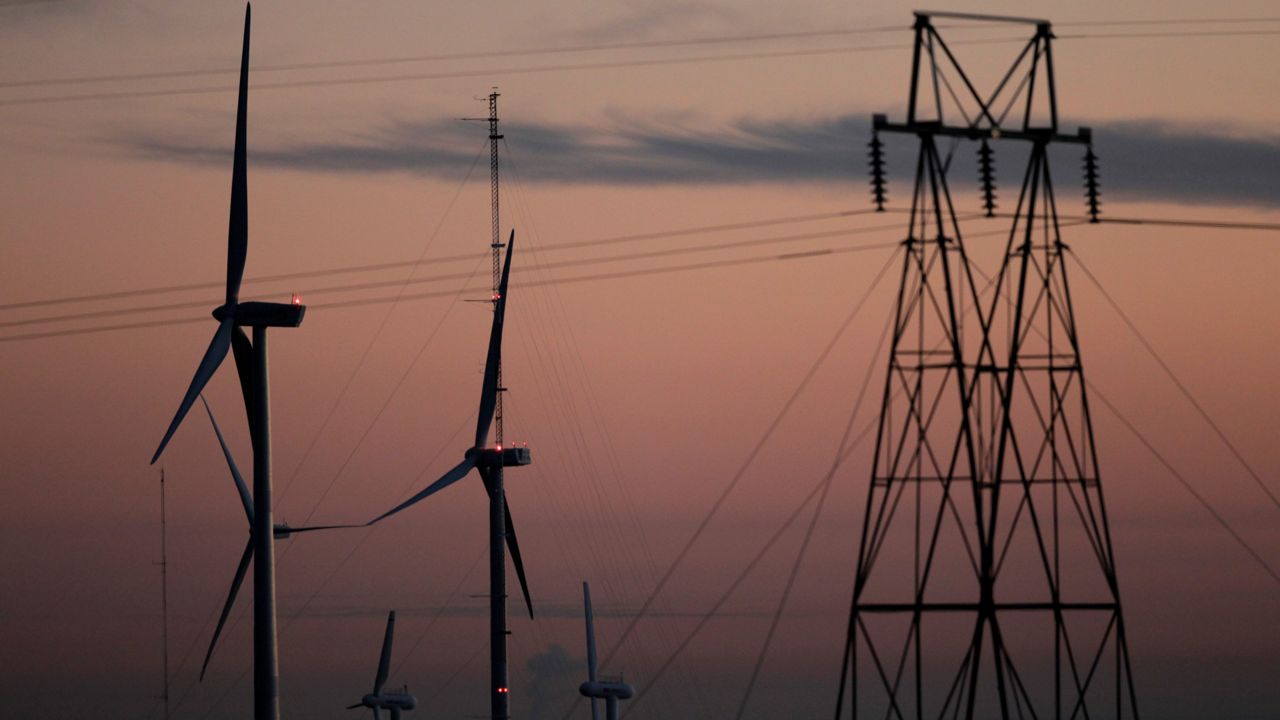
In a compelling move, three Republican state senators from New York have reached out to Governor Kathy Hochul, urging her to reconvene the Climate Action Council to reconsider the existing protocols of the Climate Leadership and Community Protection Act (CLCPA). This initiative highlights the growing concern over rising utility costs and the public’s economic burdens under the current climate regulations.
The Push for Review
On Thursday, a letter surfaced from state Senator Mario Mattera, who serves as the ranking member of the Senate Energy and Telecommunications Committee, accompanied by fellow Republican committee members Tom O’Mara and Mark Walczyk. The senators emphasize the need for a report from the Climate Action Council that would review the CLCPA within a 30-day timeframe. This report is intended to outline actionable policies that could be sent to the state Legislature before the session concludes in June.
Implications of the CLCPA
The CLCPA mandates ambitious targets: reducing greenhouse gas emissions to 40% of 1990 levels by 2030 and achieving an 85% reduction by 2050. While these goals are laudable from an environmental standpoint, the Republican senators argue that the economic implications have become increasingly dire. They cite a staggering fact: since the CLCPA’s implementation, electricity prices in New York have surged by over 50%. This dramatic increase, they argue, is not coincidental but rather a direct consequence of the mandates imposed on utility companies.
Reports of Human Impact
According to the letter, the soaring utility costs have forced residents into a difficult position where they are often forced to choose between essential needs—such as heating and cooling their homes—and other basic expenses. Senator Mattera and his colleagues express that state policies, while perhaps well-intentioned, are driving up energy bills to unsustainable levels. Their call to the Climate Action Council to reconvene reflects a pressing plea for economic realism in climate policy.
The Role of the Climate Action Council
The Climate Action Council is a 22-member advisory panel constituted by appointments from the governor and both houses of the Senate and Assembly. Its role is crucial in shaping the policies that govern the state’s climate initiatives. With the council’s input, the hope is to strike a balance between environmental objectives and the financial realities faced by New Yorkers.
Political Tensions Surrounding the CLCPA
As the budget talks heat up in Albany, the CLCPA has emerged as a flashpoint. Governor Hochul has signaled her openness to amending the law, hinting at possible shifts in the deadlines for meeting specific goals and even re-evaluating how success is measured. This perspective draws on a memo from the New York State Energy Research and Development Authority (NYSERDA), which cautions that failing to adapt the law could result in even higher utility costs.
Democratic Opposition
However, the initiative to amend the CLCPA hasn’t gone unchallenged. State Senator Liz Krueger, chair of the Senate Finance Committee, recently led a coalition of 29 of the 41 Democratic state senators in sending a letter that “categorically” rejects any rollbacks of climate laws. They argue that the NYSERDA memo lacks accuracy and substance, illustrating the sharp divide within state leadership regarding the issue.
Legislative Alternatives
Meanwhile, the Assembly’s one-house budget proposal reflects a commitment to address the utility crisis, proposing measures like the Protecting Our Wallets Energy Rebates, or POWER checks, to alleviate some of the financial burdens on constituents. This dynamic reveals how different factions within the New York government are grappling with the multifaceted challenges of climate policy and economic reality.
The GOP Vision for Energy Policy
Within their letter, the Republican senators articulate a vision for a more inclusive energy policy that integrates a variety of energy sources, including nuclear energy and renewable natural gas. They stress the necessity of maintaining peaker plants—critical for grid reliability—while also advocating for increased generation capacity to drive down energy prices. Their argument centers on the belief that an “all-of-the-above” approach is essential for both climate goals and the economic wellbeing of New Yorkers.
Conclusion
The ongoing dialogue around the CLCPA highlights the intricate balancing act between ambitious climate goals and economic feasibility. As the dynamics shift in Albany, the outcome of these discussions will have wide-reaching implications for New Yorkers in the years to come. The urgent call for a review by Republican senators is emblematic of a broader conflict in the state legislature over how best to navigate the path toward a sustainable future while safeguarding the financial health of its residents.

Dubai: When the Expat Dream Becomes a Nightmare

At Last, Some Positive News for Tesla Investors — But Is It Really?

Where to Find Safety in Today’s Stock Market?

Trump Issues Warning to Iran Regarding Oil Infrastructure Following US Airstrikes on Military Sites in the Region

Kennewick Police Detain Five Suspects After Weapons Incident Near Columbia Center Mall | News

CBSE Class 12 Home Science Exam Review and Answer Key 2026

Significant Snowstorm Set to Hit the Area This Weekend | News, Sports, Jobs

Davina McCall’s Awkward Mix-Up with Claudia Winkleman

DAILY DYLAN VLOG (Episode 18) INSPIRED BY CASEY NEISTAT A YOUTUBE CELEBRITY WHO JOGS EVERY DAY!

14 Funny Bunny Videos || Awesome Bunnies Compilation

Who Is Really Voting in These Polls? The Shocking Truth Behind America’s Approval Numbers

Tyler Jaggers: Coast Guard Rescue Swimmer Passes Away Days After Mission Incident; Fiancée Honors His Memory

Blueprint for a “Tax-Free America” That Actually Works

Police Issue Warrant for Bar Patron Alleged to Have Assaulted Multiple Individuals

Winter Storm Provides Much-Needed Surge for Tug Hill Snowmobile Industry

Four Forecasts for 2026

It Took 35 Years for T. rex to Reach Full Maturity

Major Indices Experience Weekly Declines as Treasury Yields Reach Four-Month High

EXCLUSIVE: Will Smith’s Former Best Friend Bilaal Breaks Silence in Explosive Tasha K Interview — Lawsuit, Scientology Allegations, and Claims of an Attempt on His Life

2026 NFL Coaching Update: John Harbaugh Nearing Deal with Giants; Mike Tomlin Not Expected to Coach Next Season
DAILY DYLAN VLOG (Episode 18) INSPIRED BY CASEY NEISTAT A YOUTUBE CELEBRITY WHO JOGS EVERY DAY!
14 Funny Bunny Videos || Awesome Bunnies Compilation

RSPCA nsw – Guardian Angel Celebrity Campaign

😍 Cutest German Shorthaired Pointer😂 Funny and Cute German Pointers Puppies and Dogs Videos

The MacDonald Brothers – Celebrity Reflection cruise

Camels Are Crazy | Funny Camel Video Compilation #Camels #animallover #funnyanimalvideos

दादा आमचा CELEBRITY SONG STATUS EDITING ALIGHT MOTION #premphotography

Funniest Animals – Best Of The 2021 Funny Animal Videos #41

Best Vine Video Compilation by Crusoe Celebrity Dachshund 2014

FUNNY GOOSE Videos And CUTE GEESE
-
 Entertaiment1 week ago
Tyler Jaggers: Coast Guard Rescue Swimmer Passes Away Days After Mission Incident; Fiancée Honors His Memory
-

 Comedy1 week ago
feeding carrot beans and radish to the hungry monkey
-

 World News7 days ago
Oil and Gas Prices Surge Amid Escalating Conflict in Iran
-

 US News4 days ago
Trump Assures Republicans: Iran Conflict Could Conclude ‘Fairly Soon’ | Donald Trump News
-

 Crime & Justice7 days ago
Over 30 Injured in Nightclub Bombing in Northern Peru | Crime News
-

 Business1 week ago
Netflix Withdraws from Meghan Markle’s $64 Candle Venture
-

 Business3 days ago
Major Multi-Country Oil Release Agreement Falls Short of Lowering Prices
-

 Science7 days ago
Domino Unveils the Quickest and Safest Way to Scale Enterprise-Agent AI Systems