
Science
CBSE Class 12 Home Science Exam Review and Answer Key 2026


CBSE Class 12 Home Science Exam Analysis 2026
As the academic year progresses, students preparing for the Class 12 CBSE (Central Board of Secondary Education) exams are keen to understand what to expect from the Home Science paper. The 2026 examination is structured to assess students comprehensively across various topics within the subject.
Exam Structure
The CBSE Class 12 Home Science exam is thoughtfully divided into three sections:
-
Section A: This section contains multiple-choice questions that test students’ knowledge and comprehension of fundamental concepts. These questions are designed to gauge quick recall and application of theories.
-
Section B: Comprising 2-mark and 4-mark questions, this section demands a deeper understanding of topics. Here, students are required to provide more detailed answers, analyze information, and demonstrate their grasp of specific subject matter.
-
Section C: The most comprehensive section, Section C, includes questions worth 4 and 5 marks. This part of the exam encourages students to elaborate on their understanding, apply concepts to real-world situations, and showcase critical thinking skills.
In total, there are 32 questions, and all are compulsory, pushing students to have a well-rounded knowledge of the syllabus. According to feedback from students who participated in the exam, the question paper was viewed as moderate in difficulty, suggesting a balanced mix of simple to complex problems.
Answer Key Availability
After the examination, students are eager to assess their performance, and the CBSE Class 12 Home Science answer key for 2026 becomes a crucial tool in this self-evaluation. However, students should note that the official answer key will not be available immediately post-exam. Instead, provisional answer keys can typically be found through private coaching institutes and various third-party educational websites.
It’s important for students to approach these unofficial answer keys with caution. While they can serve as guidance to calculate a rough score, students should remember that the results derived from these keys are unofficial. The final evaluation and grading will rely on the official scoring parameters set by the CBSE, which may differ from those indicated in unofficial keys.
Timeline of CBSE 12th Board Exams 2026
The CBSE has set a defined schedule for the Class 12 board exams in 2026, slated to occur from February 17 to April 10. This timeline provides students with a window of preparation; it’s essential for them to plan their study schedule effectively during this period. Adequate time management will allow students to cover the syllabus thoroughly and engage in ample revision before the exam.
Effective Preparation Strategies
Given the structure of the Home Science exam and the nature of its questions, students are encouraged to adopt effective study strategies. Practicing previous years’ question papers, participating in mock tests, and collaborating in study groups can enhance understanding and retention of crucial information.
Students should also focus on time management during the exam, particularly in multi-section formats where balancing time across different types of questions is critical. Developing a strategy for which sections to address first can empower students to maximize their performance effectively.
The Importance of Understanding the Syllabus
For success in the CBSE Class 12 Home Science exam, a robust understanding of the syllabus is essential. Students are encouraged to familiarize themselves with each topic’s weightage and importance, as this can influence not only their preparation but also their approach to the exam.
Conclusion
The CBSE Class 12 Home Science exam in 2026 presents both challenges and opportunities for students. By understanding the exam structure, knowing the timeline, and utilizing available resources effectively, students can navigate their preparation journey with confidence and clarity.
Science
Transformation of Agricultural and Industrial Waste into Advanced Porous Carbon for Soil and Water Conservation
Transforming Waste into Valuable Resources: The Promise of Morph-Genetic Porous Carbon
Agricultural and industrial waste presents a formidable challenge in today’s world, exacerbated by rapid urbanization and industrialization. As waste production escalates, its management becomes increasingly critical. In an exciting development, researchers are unveiling a groundbreaking solution: morph-genetic porous carbon. This innovative material is not only a potential game-changer for waste management but also a crucial ally in enhancing soil and water conservation.
What is Morph-Genetic Porous Carbon?
The term “morph-genetic porous carbon” refers to a specialized type of activated biochar, designed for advanced applications in environmental sustainability. Unlike traditional biochar, which has its own benefits, morph-genetic porous carbon boasts enhanced structural properties, resulting in superior performance for environmental applications.
Background of the Study
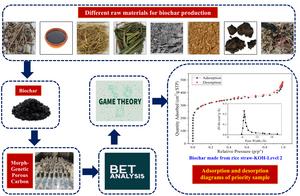
Published in the journal Biochar, a recent study tackles the dual challenge of rising waste production and land degradation, both of which threaten food security and water resources globally. Researchers utilized various waste sources, including agricultural residues and industrial by-products, transforming them into high-performance porous carbon via a two-step process involving pyrolysis and activation.
The Production Process
The researchers experimented with eight different waste streams:
- Rice straw
- Vineyard pruning residues
- Palm pruning residues
- Sawdust
- Vinasse (a by-product from sugarcane processing)
- Poultry slaughterhouse waste
- Paper mill waste
- Tissue paper manufacturing waste
These materials underwent pyrolysis under low oxygen conditions, before being activated at elevated temperatures to form highly porous carbon.
Analyzing Performance
Through rigorous testing, the research team produced 64 porous carbon samples, employing Brunauer Emmett Teller surface analysis to investigate their physical properties. The findings revealed marked performance variations based on the original waste source and the specific activation process used.
Game Theory in Material Selection
To streamline the selection of the most effective porous carbon materials, researchers harnessed a decision-making framework derived from game theory, specifically the Condorcet algorithm. This approach facilitates pairwise comparisons across multiple criteria, focusing on twelve important physical parameters such as surface area and pore volume.
“As researchers, our aim is to transcend conventional trial-and-error methods,” the authors stated. “By integrating materials science with decision-making strategies, we can better prioritize the most suitable porous carbon materials for soil and water conservation initiatives.”
Top Performers Identified
The study highlighted five highly effective materials sourced from agricultural waste: rice straw, sawdust, palm pruning residues, vineyard pruning residues, and tissue paper factory waste. Their exceptional surface areas and porous structures enhance their ability to store water and nutrients, thus benefiting soil quality.
Environmental Implications
Higher surface area and pore volume in these materials offer increased capacity for water and nutrient retention in soil, crucial for improving agricultural productivity. This transformation can significantly aid in addressing soil degradation and water scarcity—challenges that many regions currently face.
Moreover, recycling agricultural and industrial residues into advanced porous carbon products not only addresses waste management issues but also promotes sustainable practices in agriculture and environmental conservation.
Future Directions
The study suggests that the proposed framework could inform the future development of biochar-based materials. By marrying advanced material characterization techniques with strategic decision-making tools, researchers and engineers can innovate more efficient solutions for a wide array of environmental challenges, ranging from soil restoration to pollution control.
The innovative approach to valorizing waste reveals a pathway not only to environmental sustainability but also to economic opportunity, presenting a blueprint for resource efficiency in an increasingly resource-constrained world.
Journal Reference
The findings of this research are documented in the article titled, “Introducing priority morph-genetic porous carbon for potential applications in soil and water conservation through game theory,” published in Biochar.
Publication Date: March 2, 2026
DOI: 10.1007/s42773-025-00505-8
About Biochar
Biochar is the first journal exclusively dedicated to biochar research, covering aspects such as agronomy, environmental science, and materials science. It serves as a vital resource for researchers aspiring to contribute to this rapidly evolving field, fostering a collaborative environment for sharing innovative advancements.
Stay updated on the latest developments in biochar and related research by following the journal on Facebook, X, and Bluesky.
This structured approach highlights the importance of innovative solutions in tackling pressing environmental challenges and underscores the potential role of morph-genetic porous carbon in a sustainable future.
A Breakthrough in Cell Analysis: Innovative Capsule Technology
In a groundbreaking study published in the journal Science, researchers led by Visiting Professor Linas Mazutis at Umeå University have unveiled a revolutionary method for analyzing individual cells. This innovation addresses a long-standing challenge in cellular research: the previous limitation of analyzing each cell only once. The inability to monitor the changes and reactions of individual cells under various experimental conditions has hindered advancements in understanding diseases.
Addressing the Unique Nature of Cells
“All cells are different, and understanding those differences is key to understanding disease,” states Mazutis. This statement underscores the critical importance of colorfully elucidating the unique characteristics of individual cells. Each cell in an organism may respond differently to environmental factors, genetic modifications, and treatments, making comprehensive analysis crucial for breakthroughs in medical science.
The Mechanics of Capsule Technology
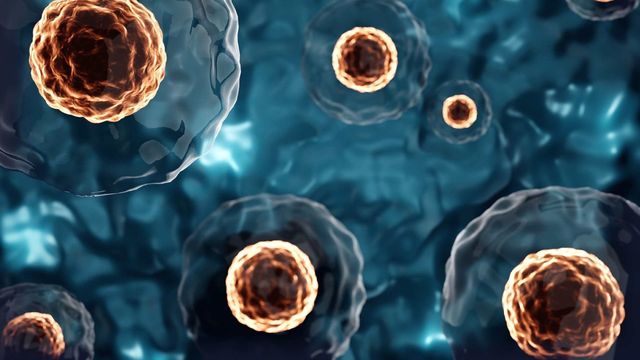
The researchers’ new method employs what they call semi-permeable capsule technology. At the heart of this innovation are microscopic capsules, each housing a single cell. These capsules consist of a liquid core, carefully enclosed by a thin, porous membrane. A key aspect of this design is its selective permeability: while small molecules such as enzymes and chemical reagents can navigate through the membrane, larger molecules, including DNA and RNA, remain locked within.
This ability to retain genetic material while allowing the passage of smaller molecules represents a significant leap forward. The technology facilitates the simultaneous analysis of hundreds of thousands of individual cells using standard laboratory equipment. Moreover, cells can be treated and analyzed multiple times without the risk of contamination or loss—overcoming significant challenges faced with earlier droplet-based techniques.
Integrating Speed and Flexibility
Mazutis emphasizes that this novel approach merges the rapid processing capabilities of microfluidics—technology designed to work with minute liquid volumes—with the adaptability of traditional lab methods. This integration allows researchers to execute complex molecular biology workflows step-by-step while ensuring each cell’s genetic material remains isolated. Such a strategy enhances the precision of the analyses, paving the way for deeper insights into biological processes.
Identifying the Rare and Fragile
Another striking advantage of this technology is its ability to preserve cell viability over extended periods. Researchers can keep cells alive within the capsules, allowing for prolonged investigations, or they can break them down for genetic analysis. The introduction of an innovative RNA sequencing approach is particularly noteworthy; it streamlines the identification of fragile or rare cell types that often elude detection using conventional methods.
The implications are significant. By improving the ability to pinpoint these elusive cells, scientists can delve deeper into the cellular dynamics that contribute to various diseases, ultimately enhancing our understanding of their mechanisms.
A Simple and Scalable Solution
Mazutis and his team assert that this new technology is not only straightforward to implement but also scalable, making it an attractive option for widespread use in both biological and medical research contexts. In the long run, this method holds tremendous promise for unraveling the complexities of disease at the cellular level, which may lead to more precise and personalized treatment options.
For instance, researchers can utilize this technology to investigate how individual cancer cells within a single tumor respond differently to therapeutic drugs. It might also facilitate the identification of rare immune cells that drive disease—cells that are frequently overlooked by existing methodologies.
Armed with this new semi-permeable capsule technology, researchers are now equipped to take significant strides in cellular analysis and disease comprehension, fostering advancements that could reshape the landscapes of diagnostics and treatment in the medical field.
Reference
Baronas D, Norvaisis S, Zvirblyte J, et al. High-throughput single-cell omics using semipermeable capsules. Science. 2026;391(6790):1138-1145. doi: 10.1126/science.ady7227.
Science
Groundbreaking Analysis Uncovers Structural Variant Landscape Fueling Pediatric Cancer Development

Unraveling the Genetic Mysteries of Childhood Cancer: A Landmark Study
Introduction
A groundbreaking study published in Cancer Cell today has unveiled the first and largest dataset of genomic structural variations specifically tailored to childhood cancers. Conducted by researchers at St. Jude Children’s Research Hospital and the National Cancer Institute, this research compiles data from multiple childhood cancer genomic initiatives, shining a new light on the mutations that drive these diseases.
Understanding Genomic Structural Variants
Genomic structural variants (SVs) are akin to “cut-and-paste” errors in our DNA. They occur when segments of the genome break and are incorrectly rejoined, leading to various diseases, including cancer. Historically, the landscape of these variants in pediatric cancers remained largely unexplored. This new pan-cancer analysis seeks to bridge this knowledge gap by evaluating how these structural changes manifest across different types of pediatric malignancies.
Insights Into Pediatric Cancer Mutations
The study’s corresponding author, Dr. Jinghui Zhang, revealed an intriguing finding: although it was previously assumed that the mutation burden in pediatric cancer was lower than in adults, structural variants in pediatric blood cancers are present at notably higher levels. This discrepancy arises because children generally have not had the time to accumulate the small genetic alterations, known as point mutations, that occur over time due to environmental factors and aging.
Methodology: A Comprehensive Analysis
The research team meticulously curated structural variants from whole genome sequencing data encompassing 1,616 patients diagnosed with 16 major types of pediatric cancer. They then compared this pediatric dataset to 2,203 adult cancer genomes sourced from the Pan-Cancer Analysis of Whole Genomes (PCAWG) consortium. This comparative approach allowed them to hone in on the specific mutational processes unique to childhood cancers.
Key Findings: DNA Rearrangement and RAG-Mediated Recombination
One of the most notable revelations from the study is the role of RAG-mediated recombination—a natural DNA rearrangement process that helps immune cells recognize potential threats. The data indicates that this process is aberrantly activated in nearly all subtypes of acute lymphoblastic leukemias (ALL), which is the most common childhood cancer. The study deepens our understanding of potential leukemic drivers, emphasizing the significance of structural variants in these pediatric cancers.
Investigating Mutational Signatures
To identify the mechanisms behind the structural variants, the researchers explored mutational signatures across various cancer types. They discovered that the SV7 signature is particularly dominant in both B-cell ALL (B-ALL) and T-cell ALL (T-ALL), correlating with elevated RAG1/2 expression. This suggests that RAG-mediated recombination could serve as a causative factor for the SV7 signature in pediatric ALL, hinting at broader implications for adult lymphoid cancers as well.
A Rich Resource for Future Research
Dr. Zhang noted that the comprehensive nature of this dataset could potentially unlock new research avenues by identifying therapeutic targets related to structural variations. The meticulously curated data promises an invaluable resource for scientists seeking to delve deeper into the mechanisms underpinning pediatric cancers.
Accessibility of the Data
The dataset is available through the St. Jude Cloud GenomePaint portal, inviting researchers to mine the data for insights that could further enhance our understanding of pediatric oncology.
Acknowledging Contributions
The study was a collaborative effort, with contributions from various authors at St. Jude and the National Cancer Institute. It was supported by significant funding from agencies like the National Institutes of Health and the American Lebanese Syrian Associated Charities (ALSAC).
St. Jude Children’s Research Hospital: Leading the Way in Pediatric Care
St. Jude Children’s Research Hospital stands at the forefront of pediatric medicine. As the sole National Cancer Institute-designated Comprehensive Cancer Center dedicated to children, St. Jude has facilitated remarkable advancements in treatment, significantly increasing survival rates for childhood cancers over the past 60 years. By fostering collaboration and innovation, St. Jude aims to provide optimal care and resources for children battling these devastating diseases.
For additional information, visit St. Jude’s website or follow them on social media for the latest updates on their research endeavors.

Celebrity Cephalopods: Octopus & Squid In Pop Culture – Let’s Talk Wild Podcast EP 66 – Awareness

Scary Skeleton Vs Dogs : Funny Halloween Prank

WADA Considers Excluding Trump and US Officials from LA Olympics and Potentially World Cup Due to Unpaid Dues

Dubai: When the Expat Dream Becomes a Nightmare

At Last, Some Positive News for Tesla Investors — But Is It Really?

Where to Find Safety in Today’s Stock Market?

Trump Issues Warning to Iran Regarding Oil Infrastructure Following US Airstrikes on Military Sites in the Region

Kennewick Police Detain Five Suspects After Weapons Incident Near Columbia Center Mall | News

CBSE Class 12 Home Science Exam Review and Answer Key 2026

Significant Snowstorm Set to Hit the Area This Weekend | News, Sports, Jobs

Who Is Really Voting in These Polls? The Shocking Truth Behind America’s Approval Numbers

Tyler Jaggers: Coast Guard Rescue Swimmer Passes Away Days After Mission Incident; Fiancée Honors His Memory

Blueprint for a “Tax-Free America” That Actually Works

Police Issue Warrant for Bar Patron Alleged to Have Assaulted Multiple Individuals

Winter Storm Provides Much-Needed Surge for Tug Hill Snowmobile Industry

Four Forecasts for 2026

It Took 35 Years for T. rex to Reach Full Maturity

Major Indices Experience Weekly Declines as Treasury Yields Reach Four-Month High

EXCLUSIVE: Will Smith’s Former Best Friend Bilaal Breaks Silence in Explosive Tasha K Interview — Lawsuit, Scientology Allegations, and Claims of an Attempt on His Life

2026 NFL Coaching Update: John Harbaugh Nearing Deal with Giants; Mike Tomlin Not Expected to Coach Next Season
Celebrity Cephalopods: Octopus & Squid In Pop Culture – Let’s Talk Wild Podcast EP 66 – Awareness
Scary Skeleton Vs Dogs : Funny Halloween Prank

DAILY DYLAN VLOG (Episode 18) INSPIRED BY CASEY NEISTAT A YOUTUBE CELEBRITY WHO JOGS EVERY DAY!

14 Funny Bunny Videos || Awesome Bunnies Compilation

RSPCA nsw – Guardian Angel Celebrity Campaign

😍 Cutest German Shorthaired Pointer😂 Funny and Cute German Pointers Puppies and Dogs Videos

The MacDonald Brothers – Celebrity Reflection cruise

Camels Are Crazy | Funny Camel Video Compilation #Camels #animallover #funnyanimalvideos

दादा आमचा CELEBRITY SONG STATUS EDITING ALIGHT MOTION #premphotography

Funniest Animals – Best Of The 2021 Funny Animal Videos #41
-
 Entertaiment1 week ago
Tyler Jaggers: Coast Guard Rescue Swimmer Passes Away Days After Mission Incident; Fiancée Honors His Memory
-

 Comedy1 week ago
feeding carrot beans and radish to the hungry monkey
-

 World News7 days ago
Oil and Gas Prices Surge Amid Escalating Conflict in Iran
-

 US News4 days ago
Trump Assures Republicans: Iran Conflict Could Conclude ‘Fairly Soon’ | Donald Trump News
-

 Crime & Justice7 days ago
Over 30 Injured in Nightclub Bombing in Northern Peru | Crime News
-

 Business1 week ago
Netflix Withdraws from Meghan Markle’s $64 Candle Venture
-

 Business3 days ago
Major Multi-Country Oil Release Agreement Falls Short of Lowering Prices
-

 Science7 days ago
Domino Unveils the Quickest and Safest Way to Scale Enterprise-Agent AI Systems