
World News
Dubai: When the Expat Dream Becomes a Nightmare


The Mirage of Dubai: A Glitzy Illusion with Cracks in the Facade
The Allure of Dubai
Dubai, often billed as a desert paradise, has long attracted those seeking a glamorous escape from their everyday lives. Ever since it emerged as a global hub for luxury, business, and leisure, the allure of Dubai has woven itself into the fabric of Western aspiration. Colin Robertson captures this sentiment eloquently when he notes in The Sun that while he enjoys a “sunshine break,” he harbors no desire to visit this so-called “soulless sandpit.” For many, the city represents not just a vacation destination, but a lifestyle choice—a stark contrast to the rainy, crime-ridden landscapes of home.
Influencers and a Glamorous Image
One aspect driving Dubai’s image is its population of expats and social media influencers. They paint a picture of a life filled with extravagant brunches, luxurious cars, and endless sunshine—juxtaposed against the struggles of those left behind in their home countries. In doing so, they often overlook the hard-working immigrant laborers who keep the city’s economy ticking. This glossy narrative comes with a caveat, as the influencers often forget to share the underlying realities of living in a place dependent on transient workers and a pretty facade.
Dreams Turned Sour
However, the appeal of Dubai has begun to falter, particularly in light of geopolitical tensions. Recent news of Iranian drone strikes targeting the UAE raises pressing questions about the stability of this once-sacrosanct refuge. As instability looms, the glamorous lifestyle begins to dissipate, revealing a more precarious existence for those who once flaunted their lives in a seemingly utopian setting. As the atmosphere shifts, the calls for evacuation from Dubai have an almost bitter twist: the very individuals who benefited from tax-free living may find themselves relying on the very taxes of their home countries for their safe passage.
A Shattering Reputation
The UAE has carefully constructed its image as a safe haven, designed to attract wealthy expats and exiled business elites fleeing higher taxes and regulatory scrutiny back home. This carefully curated persona, likened to a “real-life Truman Show,” is in danger of being undermined by the unpredictability of war. Gaby Hinsliff notes in The Guardian that the very fabric of Dubai’s appeal—security and stability—may soon unravel. The looming threat of conflict brings into question whether the glitz and glamour can mask the very real dangers posed by regional warfare.
The Threats of Dependence
The reliance of Gulf states on air conditioning and desalinated water compounds the precariousness of this oasis. A successful strike on power stations or vital water resources could have catastrophic consequences—not just for the lifestyle of expats but for the survival of millions. Although many strikes have been intercepted, whispers of vulnerability underpin the façade of safety that Dubai projects. The geopolitical chess game being played in the region adds layers of complexity that contenders for the dream life in Dubai may be unaware of.
Adaptation and Resilience
Despite the unease, not all hope is lost for Dubai. Many wealthy residents choose to stay put, valuing the lifestyle and tax advantages that the city offers. Some migrants, when faced with uncertainty, may even seek to return in hopes of retaining their lucrative residency status. Simeon Kerr in Financial Times highlights that while Dubai’s allure may be dimmed, it remains a dynamic crossroads where East meets West—a testament to its resilience in the face of looming threats.
The Irony of Tax-Free Living
The expat’s dream of tax-free living shines with irony as those who fled home for a life of luxury are now facing harsh realities. As they navigate the treacherous waters of insecurity, the fantasy they sold themselves—and the world—begins to crack. The glamorous images that once defined their lives now seem like distant memories, echoing the vulnerabilities that lie beneath the surface.
Conclusion
The juxtaposition of Dubai’s radiant surface against the growing shadows of insecurity illustrates the ever-evolving narrative of this expansive city. What was once a dream destination may soon revert to a more complex reality—a reminder of the perils that come with chasing an illusion drenched in sunlight.

Transfer Buzz: Barcelona’s Interest in Pedro Neto and More
As the football world gears up for the summer transfer window, exciting rumors are swirling around some of the league’s biggest clubs. Barcelona, in particular, appears keen to bolster its squad with potential new signings, including Chelsea winger Pedro Neto. This article delves into the latest transfer news, focusing on key players, their contract situations, and the broader implications for their clubs.
Barcelona Eye Pedro Neto
Reports suggest that Barcelona is closely monitoring Chelsea’s Pedro Neto as they contemplate a strategic move to enhance their attacking options. The Blaugrana are targeting a striker, a centre-back, and a winger this summer, reflecting a broader effort to strengthen their team.
Neto, at 26, has shown promise and could be an attractive option for Barcelona, especially if a transfer clause in his contract facilitates a move. While Lamine Yamal and Raphinha are currently solidifying their positions as starters, Barcelona’s interest in Neto indicates a proactive approach to squad development for the upcoming season.
Ousmane Dembélé’s Future
Another significant player catching attention is Ousmane Dembélé, the reigning Ballon d’Or winner. Currently at Paris Saint-Germain (PSG), Dembélé’s future raises eyebrows, especially after his agent met with Manchester City’s sporting director, Hugo Viana. While his contract extends until 2028, reports indicate that negotiations for an extension with PSG are stalled, prompting speculation about a potential transfer to Manchester City.
The situation is complex, with PSG likely reluctant to let go of a player critical to their success, especially after he played a pivotal role in their UEFA Champions League triumph last season.
The Battle for Julián Álvarez
In a somewhat related vein, Atlético Madrid is reportedly blocking attempts from Barcelona to sign striker Julián Álvarez. However, they might consider offers exceeding €100 million, especially from Premier League clubs like Arsenal and Chelsea. This stance creates a challenging landscape for Barcelona, which seems to be resigned to the idea that a deal for Álvarez is increasingly unlikely unless he explicitly expresses interest in joining them.
Interest in RB Leipzig’s Assan Ouédraogo
Manchester United and Chelsea have emerged as frontrunners to sign young RB Leipzig midfielder Assan Ouédraogo. Aside from these, other clubs—including Arsenal and Liverpool—are also in the mix, indicating fierce competition. With Leipzig’s reported asking price between €80 and €100 million, Ouédraogo’s future remains uncertain, particularly as he aims to focus on helping his club reach the Champions League.
Contract News: Reece James Secures His Future
In a notable development, Reece James has signed a new contract with Chelsea, promising to stay at Stamford Bridge until 2032. Having risen through the club’s ranks and becoming captain, this extension signifies Chelsea’s confidence in James as a cornerstone of their future strategy.
Atlético Madrid’s Plans for Players
Backtracking to Atlético Madrid, the club seems open to letting go of key players if substantial offers come in. This could provide an opportunity for other teams seeking high-caliber talent.
Other Buzz Around the Transfer Market
Multiple clubs are also in pursuit of talent from around Europe. For instance, Tottenham, Arsenal, and Chelsea are keeping an eye on Paris Saint-Germain’s Lee Kang-In, while Juventus has expressed interest in acquiring Emiliano Martínez, who appears set to leave Aston Villa.
Real Madrid continues to monitor Liverpool’s Ibrahima Konaté, as his situation remains tenuous. Additionally, the likes of Bayern Munich and AC Milan appear to be strengthening their defenses ahead of the summer window, with specific interest in renowned center-backs.
As these clubs prepare for the transfer window, fans and analysts alike will be watching closely. The unfolding situation promises a thrilling summer, with many transfers and potential surprises on the horizon. Stay tuned for updates on these moves and more as the football landscape shifts.
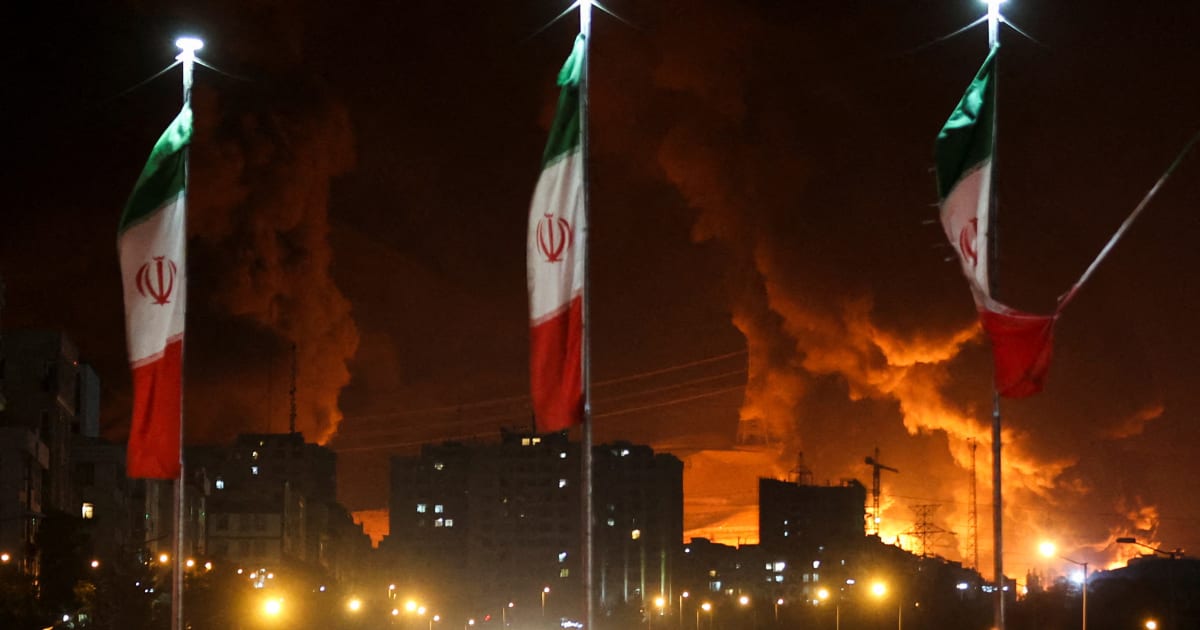
On February 28, an intense military confrontation erupted as the United States and Israel launched a coordinated attack on Iran following weeks of escalating tensions. This unprecedented strike aimed at Iranian military installations and targeted the upper echelons of the Islamic Republic’s leadership, resulting in the death of Supreme Leader Ayatollah Ali Khamenei. In the wake of Khamenei’s death, Iran’s Assembly of Experts appointed his son, Mojtaba Khamenei, as his successor, hoping to maintain continuity in leadership amidst the chaos. Iran’s response was swift and severe, orchestrating attacks on U.S. military installations and civilian infrastructure in neighboring Gulf states. Meanwhile, Israel reinforced its airstrike operations in Lebanon after Hezbollah began launching rockets into Israeli territory in solidarity with Iran. The potential impact of this conflict is staggering, with over 1,800 casualties reported, including eight U.S. service members and a tragic attack that killed at least 175 students in an Iranian school during a purported U.S. strike.
This escalation quickly morphed into a regional war with broad implications for global stability. The ongoing hostilities raised urgent concerns about the disruption of critical supply chains and humanitarian aid. In particular, Iran effectively restricted navigation through the Strait of Hormuz, a vital passage for the transportation of oil, leading to a global energy shock. The International Energy Agency responded by releasing 400 million barrels from its strategic reserves, signaling the severity of the crisis.

A Brief History of Iran’s Nuclear Program
Iran has pursued its nuclear ambitions since at least 1957. Motivated by a mixture of national security concerns and aspirations for regional influence, Iran accelerated its efforts to develop nuclear capabilities in the late 1980s, especially following its war with Iraq. The country sought partnerships with Russia and China to bolster its research capacity throughout the 1990s. The turning point came in the summer of 2002 when the National Council of Resistance of Iran, a coalition of dissident groups, revealed the existence of clandestine nuclear sites, which had been hidden from the International Atomic Energy Agency (IAEA).
In 2003, international diplomacy ramped up in an effort to curtail Iran’s nuclear program. Although Iran initially agreed to negotiate, serious violations occurred when it failed to maintain transparency with the IAEA. The fallout included a formal rebuke in 2004 and subsequent referendums to the UN Security Council, paving the way for sanctions designed to halt its uranium enrichment program. By the late 2000s, these sanctions had severely crippled Iran’s economy, leading to widespread social unrest.
In 2015, a significant diplomatic breakthrough occurred with the Joint Comprehensive Plan of Action (JCPOA), which mandated Iran to drastically reduce its enriched uranium stockpile and allowed for IAEA inspections of its nuclear facilities. This agreement temporarily alleviated some economic pressures, providing Iran with nearly $100 billion in sanctions relief. However, the JCPOA did not address Iran’s ballistic missile program, nor its regional military activities, which continued unabated, fueling tensions in the Middle East.
Iran’s Regional Proxies
Despite the constraints placed on its nuclear ambitions, Iran’s influence in the region has expanded significantly through proxy groups. The Islamic Revolutionary Guard Corps (IRGC) plays a pivotal role in financing and training militant groups, thus exacerbating sectarian divides in various conflicts across the Middle East. Notably, Iran has extended military support to Hezbollah in Lebanon and Hamas in Gaza, among others. This support has emboldened these groups, culminating in violent confrontations with Israel and direct military assaults.
The U.S. government continues to label Iran as the leading state sponsor of terrorism, funneling an estimated $1 billion annually to militant organizations. The IRGC’s network extends across the region, fielding between 140,000 and 185,000 allied fighters in various countries, further heightening the complexity of U.S.-Iranian relations.
Trump’s First-Term Clash With Iran
The Trump administration’s approach to Iran was marked by a decisive shift in U.S. foreign policy, as it withdrew from the JCPOA in May 2018. This withdrawal stemmed from concerns that the agreement did not adequately address Iran’s missile development or its aggressive regional behavior. Trump’s administration subsequently reimposed stringent sanctions, launching a “maximum pressure” campaign that led to Iran’s worst economic downturn in decades and intensified internal political struggles.
The re-imposition of sanctions prompted Iran to begin violating JCPOA limits on its nuclear activities, significantly raising tensions in the Middle East. Anti-American sentiment surged as Iran retaliated against perceived U.S. provocations, such as the U.S. killing of top IRGC commander Qasem Soleimani in January 2020. This incident brought Iran to the brink of war with the U.S., but it did not result in an immediate full-scale conflict.
The Conflict Between Israel and Iran
The fall of 2023 marked a significant escalation in regional hostilities when conflict broke out between Israel and the Iran-backed group Hamas. In response to Israeli actions in Gaza, Iranian proxies ramped up strikes against U.S. and Israeli targets in Iraq and Syria. The volatile situation prompted the U.S. to conduct airstrikes on Iranian-associated facilities, indicative of a broader commitment to counter Iran’s aggressive posture.
By April 2024, direct military confrontations became more frequent, culminating in strikes that left Iranian military leaders dead and escalated retaliatory actions. Iran’s military responses signified a marked shift in the conflict from proxy warfare to direct confrontations, including missile and drone attacks on Israeli territory.
As Israel targeted key Iranian military installations, including leadership figures, Iran showed no signs of de-escalating the conflict. In a major turn of events, President Trump reinstated his administration’s maximum pressure campaign while also opening dialogue on Iran’s nuclear program—a first since the U.S. exited the JCPOA. This complicated landscape offers no easy paths to resolution, as both Iran and Israel remain committed to mutually disruptive agendas.
Following Trump’s renewed focus on Iran, a cascade of events occurred, including Israel launching an unprecedented strike against Iranian nuclear facilities in mid-2025. This policy shift not only solidified the U.S.-Israel alliance but also set a new precedent for military intervention against a nation’s nuclear capabilities.
Throughout these turbulent developments, examination of the multifaceted interactions among the U.S., Israel, and Iran remains critical to understanding the evolving geopolitical landscape and its far-reaching implications.
World News
Trump advises against Iranian soccer team attending the World Cup due to safety concerns.

Trump’s Position on the Iranian Soccer Team and the World Cup
In a surprising statement, President Donald Trump expressed reservations about the participation of the Iranian soccer team in this year’s World Cup, which the United States is co-hosting alongside Canada and Mexico. Citing safety concerns amid ongoing tensions between the two nations, Trump’s comments have sparked widespread debate.
Context of the President’s Statement
On Thursday, Trump stated that it might not be “appropriate” for the Iranian team to participate, suggesting that their safety could be at risk. This statement comes during a particularly fraught period, with ongoing military conflicts in the region that involve the U.S. and Israel conducting strikes against Iranian targets. Trump’s comments can be read as reflecting a broader concern about the implications of hosting athletes on such geopolitical ground.
Contradictions in Messaging
Interestingly, Trump’s remarks seem to diverge from his previous assurances to FIFA President Gianni Infantino just days earlier. According to Infantino, Trump had affirmed that the Iranian players and coaches would indeed be welcome to attend the tournament. A White House official later confirmed this sentiment regarding participation, pointing to an inconsistency in the administration’s stance.
The Iranian Side of the Story
Iranian officials have clearly articulated their stance as well, stating that participation in the World Cup is “not possible” given the current situation. The potential dangers the Iranian team may face abroad are genuine concerns for both the athletes and the Iranian government. The White House has yet to clarify what safety issues Trump was alluding to, particularly concerning potential threats against the team while they are in the U.S.
World Cup Details and Travel Logistics
As one of the 48 teams participating in the World Cup, Iran is slated to compete in matches in various U.S. cities, including Inglewood, California, and Seattle. The Iranian soccer federation has even organized a pre-tournament training camp in Tucson, Arizona. Despite a travel ban imposed by the Trump administration, athletes and coaches from targeted countries like Iran are granted exemptions, which theoretically allows them to enter the U.S. for the World Cup.
The Broader Implications for Iranian Athletes
For Iranian soccer players, the stakes of playing in a global tournament are especially high. Many athletes harbor fears about the duality of public adoration abroad juxtaposed against potential dangers waiting for their families back home. Historically, Iranian athletes have expressed dissent against the regime, with notable examples stemming from the 2022 men’s World Cup, where players chose not to sing the national anthem in solidarity with protests against government actions following the death of Mahsa Amini.
FIFA’s Safety Assessment
Despite Trump’s concerns, FIFA’s evaluation deemed the safety and security plans proposed by the U.S., Canada, and Mexico as “low risk.” FIFA’s history of collaboration with the three countries highlights their capabilities to manage high-profile events securely. This assessment stands in contrast to the apprehensions voiced by Trump and certain Iranian officials.
High-Profile Defections
The context surrounding sports in Iran is fraught with political undertones, leading to tragic stories of defection among athletes. Kimia Alizadeh became Iran’s first female Olympic medalist, but later criticized the mandatory hijab, ultimately competing under a refugee status at the Tokyo Olympics. Similarly, Saeid Mollaei took refuge in Germany after defying orders from his team regarding competition against an Israeli opponent.
An Evolving Narrative
As the World Cup approaches, the narrative surrounding the Iranian team remains fluid. Questions about whether they will participate, the implications of their presence abroad, and the U.S. government’s stance continue to stir debate among fans and political analysts alike. The intersection of sports and politics in this instance highlights the larger geopolitical tensions at play.

Scary Skeleton Vs Dogs : Funny Halloween Prank

WADA Considers Excluding Trump and US Officials from LA Olympics and Potentially World Cup Due to Unpaid Dues

Dubai: When the Expat Dream Becomes a Nightmare

At Last, Some Positive News for Tesla Investors — But Is It Really?

Where to Find Safety in Today’s Stock Market?

Trump Issues Warning to Iran Regarding Oil Infrastructure Following US Airstrikes on Military Sites in the Region

Kennewick Police Detain Five Suspects After Weapons Incident Near Columbia Center Mall | News

CBSE Class 12 Home Science Exam Review and Answer Key 2026

Significant Snowstorm Set to Hit the Area This Weekend | News, Sports, Jobs

Davina McCall’s Awkward Mix-Up with Claudia Winkleman

Who Is Really Voting in These Polls? The Shocking Truth Behind America’s Approval Numbers

Tyler Jaggers: Coast Guard Rescue Swimmer Passes Away Days After Mission Incident; Fiancée Honors His Memory

Blueprint for a “Tax-Free America” That Actually Works

Police Issue Warrant for Bar Patron Alleged to Have Assaulted Multiple Individuals

Winter Storm Provides Much-Needed Surge for Tug Hill Snowmobile Industry

Four Forecasts for 2026

It Took 35 Years for T. rex to Reach Full Maturity

Major Indices Experience Weekly Declines as Treasury Yields Reach Four-Month High

EXCLUSIVE: Will Smith’s Former Best Friend Bilaal Breaks Silence in Explosive Tasha K Interview — Lawsuit, Scientology Allegations, and Claims of an Attempt on His Life

2026 NFL Coaching Update: John Harbaugh Nearing Deal with Giants; Mike Tomlin Not Expected to Coach Next Season
Scary Skeleton Vs Dogs : Funny Halloween Prank

DAILY DYLAN VLOG (Episode 18) INSPIRED BY CASEY NEISTAT A YOUTUBE CELEBRITY WHO JOGS EVERY DAY!

14 Funny Bunny Videos || Awesome Bunnies Compilation

RSPCA nsw – Guardian Angel Celebrity Campaign

😍 Cutest German Shorthaired Pointer😂 Funny and Cute German Pointers Puppies and Dogs Videos

The MacDonald Brothers – Celebrity Reflection cruise

Camels Are Crazy | Funny Camel Video Compilation #Camels #animallover #funnyanimalvideos

दादा आमचा CELEBRITY SONG STATUS EDITING ALIGHT MOTION #premphotography

Funniest Animals – Best Of The 2021 Funny Animal Videos #41

Best Vine Video Compilation by Crusoe Celebrity Dachshund 2014
-
 Entertaiment1 week ago
Tyler Jaggers: Coast Guard Rescue Swimmer Passes Away Days After Mission Incident; Fiancée Honors His Memory
-

 Comedy1 week ago
feeding carrot beans and radish to the hungry monkey
-

 World News7 days ago
Oil and Gas Prices Surge Amid Escalating Conflict in Iran
-

 US News4 days ago
Trump Assures Republicans: Iran Conflict Could Conclude ‘Fairly Soon’ | Donald Trump News
-

 Crime & Justice7 days ago
Over 30 Injured in Nightclub Bombing in Northern Peru | Crime News
-

 Business1 week ago
Netflix Withdraws from Meghan Markle’s $64 Candle Venture
-

 Business3 days ago
Major Multi-Country Oil Release Agreement Falls Short of Lowering Prices
-

 Science7 days ago
Domino Unveils the Quickest and Safest Way to Scale Enterprise-Agent AI Systems