
Science
How Medical Advice on Peanut Allergies Changed in Just One Generation

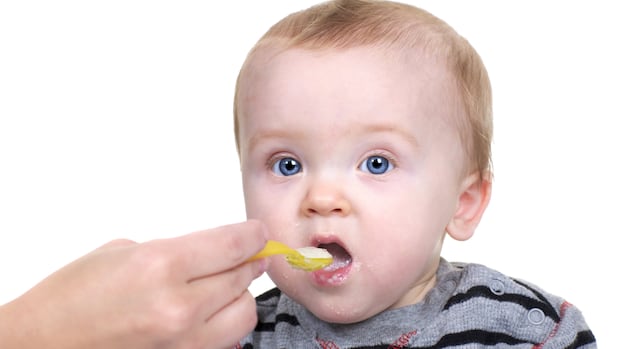
The Shift in Peanut Allergy Prevention: An Engaging Exploration
Introduction to New Guidelines
In a remarkable turn of events, the science surrounding peanut allergies in infants has undergone a seismic shift over the past decade. Countries like Canada, and many others worldwide, now advocate introducing allergenic foods like peanuts within the first six months of a baby’s life. This stands in stark contrast to earlier guidelines that recommended total avoidance. Parents may be apprehensive about this change; however, medical experts argue that early and frequent exposure can serve as a protective measure against severe allergic reactions.
The Pivotal LEAP Trial
The transformation in approach can largely be credited to a groundbreaking clinical trial known as the Learning Early About Peanut Allergy (LEAP) study, led by Dr. Gideon Lack from King’s College London. This pivotal research examined infants between four to eleven months who were at high risk for peanut allergies. The results were nothing short of astonishing: rather than a predicted decrease of 40 to 50 percent in peanut allergies, the study recorded a staggering 81 percent reduction. The success led Dr. Lack and his team to mark the achievement with a celebratory toast—whiskey, no less.
The Impact of Early Intervention
The positive ramifications of this early introduction strategy have become more evident. Recent research from the U.S. indicates a 43 percent decline in peanut allergies among children under three, following revised feeding guidelines. The protective benefits of early exposure appear to last, with children displaying far fewer allergy cases in the years that follow.
Personal Motivation Behind Research
Dr. Lack’s keen interest in food allergies was ignited during his pediatric training, where a tragic incident involving a teenager who died from an anaphylactic reaction to peanuts profoundly affected him. This experience, combined with his subsequent research using mouse models—which revealed that introducing potential allergens at an early age could prevent allergies—fueled his determination to change how allergies are understood and treated.
Discrepancies in Allergy Rates
A notable anecdote involves Lack’s observations during a conference in Israel, comparing the low rates of peanut allergies in the country versus those in the UK and the USA. He posed a simple but revealing question to fellow physicians about recent experiences with peanut allergies among their patients. The vast discrepancy in responses highlighted different cultural practices surrounding food introduction, particularly concerning peanut products—years before the LEAP trial’s findings brought scientific validation to these observations.
Practical Recommendations for Parents
Considering the research, Dr. Lack now offers practical advice for parents eager to incorporate peanuts into their children’s diets. Here’s a simple step-by-step guide:
- Begin with safe foods like bananas, which are appealing and easy for infants to consume.
- Mix thinned peanut butter with the banana to create a palatable blend.
- Use your finger to transfer the mixture into the baby’s mouth, allowing the infant to suck on it for a comforting experience.
By following these steps, parents can seamlessly introduce peanuts to their child’s diet while also providing a soothing experience.
Managing Concerns Around Allergies
Parents often find themselves in tricky situations when older siblings are allergic to peanuts. Pediatric allergists like Dr. Douglas Mack recommend introducing peanuts to younger siblings when older, allergic siblings are not present—such as during school hours—to minimize anxiety for everyone involved.
Maintaining Good Practices
Experts emphasize that once peanuts or other allergenic foods are tolerated, they should remain a regular part of the diet. This continual exposure helps the immune system recognize and remember the allergen, thereby reducing the likelihood of future allergic reactions. Ideally, these foods should be consumed at least twice a week as a part of ongoing dietary habits.
Further Tips for Introducing Allergens
Pediatric allergist Dr. Moshe Ben-Shoshan suggests using nut milks, such as cashew, as a less concentrated source of allergens. This method also mitigates choking hazards. Regarding eggs, introducing them in baked forms, such as muffins mixed with applesauce, can be beneficial when starting to test for allergies.
Avoiding Eczema Complications
It’s crucial to note that parents should refrain from applying peanut butter to a baby’s skin, as this can exacerbate eczema and complicate the ability to assess potential allergies accurately. The foundational dietary choices made during an infant’s first year can significantly impact their long-term risk of anaphylaxis.
Closing Thoughts
Parents are encouraged not to let fear dictate their approach to introducing allergens like peanuts. The evidence strongly supports early and consistent exposure as a means to promote tolerance, thereby decreasing the prevalence of peanut allergies among children. This evolving perspective on food allergies represents a significant leap forward in pediatric health and well-being.
Science
Discovery of Ichthyotitan Severnensis: 11-Year-Old Girl Uncovers 202-Million-Year-Old Marine Reptile Fossil
The Fascinating Discovery of Ichthyotitan severnensis
The Serendipitous Find
In May 2020, while the world grappled with lockdowns due to the pandemic, an 11-year-old girl named Ruby Reynolds was on a mission of exploration with her father, Justin. Their destination? The mudflats of Blue Anchor, Somerset, UK. Little did they know that they were about to make a groundbreaking discovery. Amid their search for fossils, Ruby spotted a massive fragment of bone, setting the stage for a revelation that would astonish the paleontological community.
The Discovery of Ichthyotitan severnensis
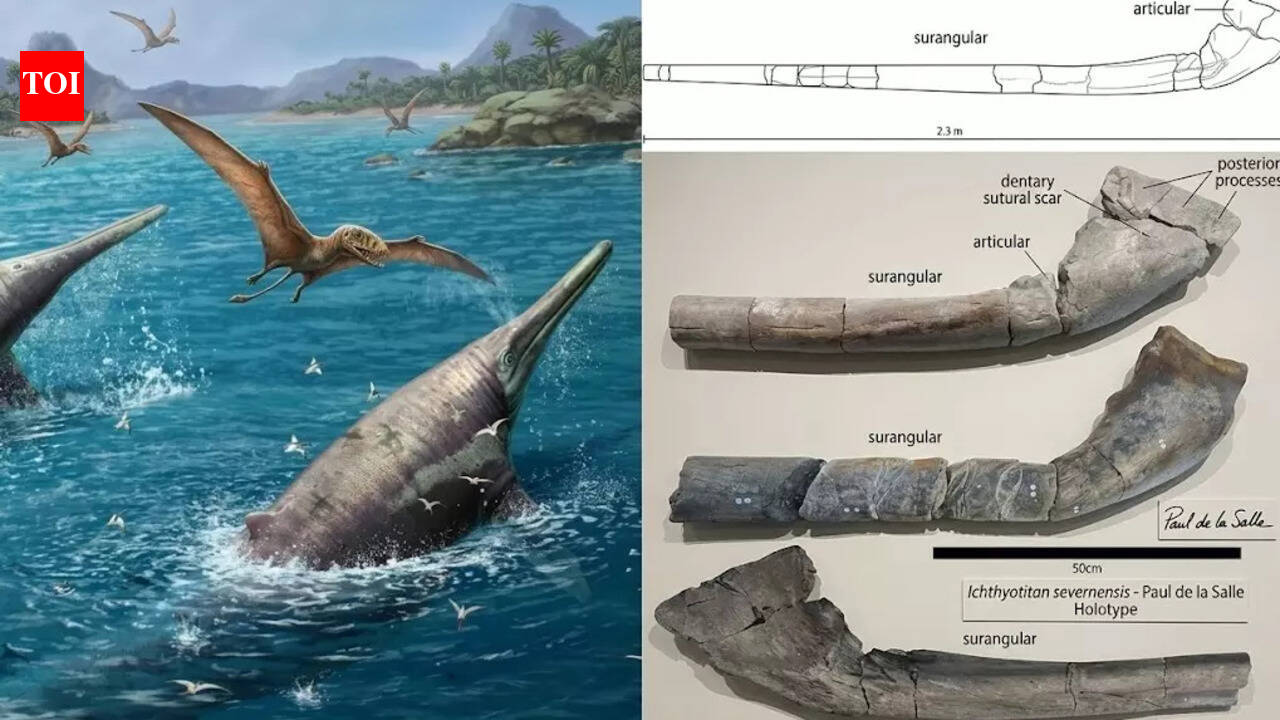
That fateful day began with casual exploration, but the discovery soon transformed into something extraordinary. Ruby noticed an unusually large piece of bone protruding from the sediment, while her father unearthed a smaller fragment nearby. Their finds caught the attention of paleontologists, who meticulously analyzed the specimens. The results were both thrilling and unexpected: the bones were part of a colossal jawbone from a prehistoric marine reptile, which was later named Ichthyotitan severnensis. This name translates to “giant fish-lizard of the Severn,” drawing inspiration from the nearby Severn Estuary and the creature’s immense dimensions.
A Giant of the Ancient Seas
Estimations suggest that Ichthyotitan severnensis could reach lengths of approximately 25 meters (around 82 feet), rivalling even the blue whale, currently hailed as the largest animal ever. The fossilized lower jawbone, measuring over two meters long, offers a glimpse into the scale of this ancient creature. Ichthyosaurs, to which this new species belongs, were marine reptiles that thrived during the age of dinosaurs. With their sleek bodies, long snouts, and flippers, they resembled a fusion of dolphins and sharks, adapting perfectly to life in ancient oceans.
Dating back to about 202 million years ago, during the Late Triassic period, Ichthyotitan severnensis patrolled the seas just before the dramatic Triassic-Jurassic extinction event. Insights gleaned from these fossils allow scientists to grasp a more nuanced understanding of prehistoric marine life.
The Puzzle Comes Together
The discovery of Ruby’s bone fragment held the key to a scientific mystery that had lingered for years. In 2016, a large ichthyosaur jaw fragment had been unearthed 10 kilometers away at Lilstock, but its identity remained enigmatic due to the fragmentary nature of the find. Ruby’s discovery provided missing links, enabling researchers to confirm both bones belonged to the same kind of gigantic ichthyosaur. This correlation allowed paleontologists to officially recognize Ichthyotitan severnensis as a new species.
The fossils were situated within the Westbury Mudstone Formation, a geological layer that marks the end of the Triassic period. Between 2020 and 2022, researchers returned multiple times to the site, excavating further fragments and gradually reconstructing an even larger section of the jawbone.
The Significance of Ichthyotitan
Why does Ichthyotitan severnensis matter? Primarily, it sheds light on the existence of giant ichthyosaurs at the tail end of the Triassic period. Prior to this find, scientists had assumed that such large marine reptiles had become extinct earlier. Additionally, this discovery offers a richer understanding of prehistoric ocean ecosystems and the evolutionary pathways that led to the emergence of enormous predators like today’s whales.
Moreover, the find underscores the crucial contributions of amateur fossil hunters and young enthusiasts who can make significant scientific breakthroughs. Ruby Reynolds didn’t just find a fossil; she became a co-author on the scientific paper detailing the species, showcasing how curiosity and exploration can lead to remarkable discoveries.
Educational Impact
This discovery is not only pivotal for paleontology but also serves as an educational tool. It emphasizes the importance of curiosity, exploration, and the role of young minds in scientific discovery. Ruby’s journey into the world of fossils can inspire a new generation of scientists and fossil hunters, proving that every day at the beach could lead to extraordinary findings.

CBSE Class 12 Home Science Exam Analysis 2026
As the academic year progresses, students preparing for the Class 12 CBSE (Central Board of Secondary Education) exams are keen to understand what to expect from the Home Science paper. The 2026 examination is structured to assess students comprehensively across various topics within the subject.
Exam Structure
The CBSE Class 12 Home Science exam is thoughtfully divided into three sections:
-
Section A: This section contains multiple-choice questions that test students’ knowledge and comprehension of fundamental concepts. These questions are designed to gauge quick recall and application of theories.
-
Section B: Comprising 2-mark and 4-mark questions, this section demands a deeper understanding of topics. Here, students are required to provide more detailed answers, analyze information, and demonstrate their grasp of specific subject matter.
-
Section C: The most comprehensive section, Section C, includes questions worth 4 and 5 marks. This part of the exam encourages students to elaborate on their understanding, apply concepts to real-world situations, and showcase critical thinking skills.
In total, there are 32 questions, and all are compulsory, pushing students to have a well-rounded knowledge of the syllabus. According to feedback from students who participated in the exam, the question paper was viewed as moderate in difficulty, suggesting a balanced mix of simple to complex problems.
Answer Key Availability
After the examination, students are eager to assess their performance, and the CBSE Class 12 Home Science answer key for 2026 becomes a crucial tool in this self-evaluation. However, students should note that the official answer key will not be available immediately post-exam. Instead, provisional answer keys can typically be found through private coaching institutes and various third-party educational websites.
It’s important for students to approach these unofficial answer keys with caution. While they can serve as guidance to calculate a rough score, students should remember that the results derived from these keys are unofficial. The final evaluation and grading will rely on the official scoring parameters set by the CBSE, which may differ from those indicated in unofficial keys.
Timeline of CBSE 12th Board Exams 2026
The CBSE has set a defined schedule for the Class 12 board exams in 2026, slated to occur from February 17 to April 10. This timeline provides students with a window of preparation; it’s essential for them to plan their study schedule effectively during this period. Adequate time management will allow students to cover the syllabus thoroughly and engage in ample revision before the exam.
Effective Preparation Strategies
Given the structure of the Home Science exam and the nature of its questions, students are encouraged to adopt effective study strategies. Practicing previous years’ question papers, participating in mock tests, and collaborating in study groups can enhance understanding and retention of crucial information.
Students should also focus on time management during the exam, particularly in multi-section formats where balancing time across different types of questions is critical. Developing a strategy for which sections to address first can empower students to maximize their performance effectively.
The Importance of Understanding the Syllabus
For success in the CBSE Class 12 Home Science exam, a robust understanding of the syllabus is essential. Students are encouraged to familiarize themselves with each topic’s weightage and importance, as this can influence not only their preparation but also their approach to the exam.
Conclusion
The CBSE Class 12 Home Science exam in 2026 presents both challenges and opportunities for students. By understanding the exam structure, knowing the timeline, and utilizing available resources effectively, students can navigate their preparation journey with confidence and clarity.
Science
Transformation of Agricultural and Industrial Waste into Advanced Porous Carbon for Soil and Water Conservation
Transforming Waste into Valuable Resources: The Promise of Morph-Genetic Porous Carbon
Agricultural and industrial waste presents a formidable challenge in today’s world, exacerbated by rapid urbanization and industrialization. As waste production escalates, its management becomes increasingly critical. In an exciting development, researchers are unveiling a groundbreaking solution: morph-genetic porous carbon. This innovative material is not only a potential game-changer for waste management but also a crucial ally in enhancing soil and water conservation.
What is Morph-Genetic Porous Carbon?
The term “morph-genetic porous carbon” refers to a specialized type of activated biochar, designed for advanced applications in environmental sustainability. Unlike traditional biochar, which has its own benefits, morph-genetic porous carbon boasts enhanced structural properties, resulting in superior performance for environmental applications.
Background of the Study
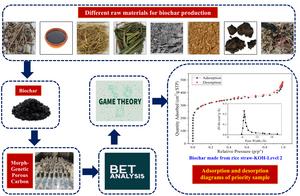
Published in the journal Biochar, a recent study tackles the dual challenge of rising waste production and land degradation, both of which threaten food security and water resources globally. Researchers utilized various waste sources, including agricultural residues and industrial by-products, transforming them into high-performance porous carbon via a two-step process involving pyrolysis and activation.
The Production Process
The researchers experimented with eight different waste streams:
- Rice straw
- Vineyard pruning residues
- Palm pruning residues
- Sawdust
- Vinasse (a by-product from sugarcane processing)
- Poultry slaughterhouse waste
- Paper mill waste
- Tissue paper manufacturing waste
These materials underwent pyrolysis under low oxygen conditions, before being activated at elevated temperatures to form highly porous carbon.
Analyzing Performance
Through rigorous testing, the research team produced 64 porous carbon samples, employing Brunauer Emmett Teller surface analysis to investigate their physical properties. The findings revealed marked performance variations based on the original waste source and the specific activation process used.
Game Theory in Material Selection
To streamline the selection of the most effective porous carbon materials, researchers harnessed a decision-making framework derived from game theory, specifically the Condorcet algorithm. This approach facilitates pairwise comparisons across multiple criteria, focusing on twelve important physical parameters such as surface area and pore volume.
“As researchers, our aim is to transcend conventional trial-and-error methods,” the authors stated. “By integrating materials science with decision-making strategies, we can better prioritize the most suitable porous carbon materials for soil and water conservation initiatives.”
Top Performers Identified
The study highlighted five highly effective materials sourced from agricultural waste: rice straw, sawdust, palm pruning residues, vineyard pruning residues, and tissue paper factory waste. Their exceptional surface areas and porous structures enhance their ability to store water and nutrients, thus benefiting soil quality.
Environmental Implications
Higher surface area and pore volume in these materials offer increased capacity for water and nutrient retention in soil, crucial for improving agricultural productivity. This transformation can significantly aid in addressing soil degradation and water scarcity—challenges that many regions currently face.
Moreover, recycling agricultural and industrial residues into advanced porous carbon products not only addresses waste management issues but also promotes sustainable practices in agriculture and environmental conservation.
Future Directions
The study suggests that the proposed framework could inform the future development of biochar-based materials. By marrying advanced material characterization techniques with strategic decision-making tools, researchers and engineers can innovate more efficient solutions for a wide array of environmental challenges, ranging from soil restoration to pollution control.
The innovative approach to valorizing waste reveals a pathway not only to environmental sustainability but also to economic opportunity, presenting a blueprint for resource efficiency in an increasingly resource-constrained world.
Journal Reference
The findings of this research are documented in the article titled, “Introducing priority morph-genetic porous carbon for potential applications in soil and water conservation through game theory,” published in Biochar.
Publication Date: March 2, 2026
DOI: 10.1007/s42773-025-00505-8
About Biochar
Biochar is the first journal exclusively dedicated to biochar research, covering aspects such as agronomy, environmental science, and materials science. It serves as a vital resource for researchers aspiring to contribute to this rapidly evolving field, fostering a collaborative environment for sharing innovative advancements.
Stay updated on the latest developments in biochar and related research by following the journal on Facebook, X, and Bluesky.
This structured approach highlights the importance of innovative solutions in tackling pressing environmental challenges and underscores the potential role of morph-genetic porous carbon in a sustainable future.

Is the Global Community Overlooking Gaza? | Updates on the Israel-Palestine Conflict

A Setback for Caribbean Democracy: Stabroek News and Newsday Cease Operations Amid Social Media Transition

Trump News Overview: President Claims Iran’s Kharg Island is ‘Demolished’ and Threatens Additional Strikes ‘Just for Fun’ | Trump Administration

Death Investigation Initiated Following Barricade and Arrest in Hermosa Beach – Daily Breeze

Discovery of Ichthyotitan Severnensis: 11-Year-Old Girl Uncovers 202-Million-Year-Old Marine Reptile Fossil

Thornton Family Celebrates as ‘Baby’ Kaylah Delivers a State Title Moment

Maya Hawke from ‘Stranger Things’ Hints at Mystery Summer Plans: “I Wish I Could Share, But I Can’t” | English Movie News

21:20 Celebrity Infinity goes out of sight Em still on WA cam

Dogs vs GIANT Evil Nun Prank! Funny Dogs Maymo, Potpie & Indie

Millions in Vietnam Set to Cast Votes for New Legislature in General Election :: WRAL.com

Who Is Really Voting in These Polls? The Shocking Truth Behind America’s Approval Numbers

Tyler Jaggers: Coast Guard Rescue Swimmer Passes Away Days After Mission Incident; Fiancée Honors His Memory

Blueprint for a “Tax-Free America” That Actually Works

Police Issue Warrant for Bar Patron Alleged to Have Assaulted Multiple Individuals

Winter Storm Provides Much-Needed Surge for Tug Hill Snowmobile Industry

Four Forecasts for 2026

It Took 35 Years for T. rex to Reach Full Maturity

Major Indices Experience Weekly Declines as Treasury Yields Reach Four-Month High

EXCLUSIVE: Will Smith’s Former Best Friend Bilaal Breaks Silence in Explosive Tasha K Interview — Lawsuit, Scientology Allegations, and Claims of an Attempt on His Life

feeding carrot beans and radish to the hungry monkey
21:20 Celebrity Infinity goes out of sight Em still on WA cam
Dogs vs GIANT Evil Nun Prank! Funny Dogs Maymo, Potpie & Indie

UFC Star Lyoto “The Dragon” Machida! 4 Day Transformation! Celebrity Dog Trainer Nick White

Goose chasing people – funny geese attack compilation

20 CRORES DOG’S BIRTHDAY CELEBRATION CADABOMS HAYDER | WORLD’S MOST EXPENSIVE CELEBRITY DOG

Sneaky Cats| Funny Cat Video Compilation 2020

Largest Lizard on Earth | The Komodo Dragon | Deadly 60 | Indonesia | Series 3 | BBC

Funny Shiba Inu Compilation 2021 – Best Funny Shiba Inu Videos

Celebrity Cane Corso

Cute and Funny Cat Videos to Keep You Smiling! 🐱
-
 Entertaiment1 week ago
Tyler Jaggers: Coast Guard Rescue Swimmer Passes Away Days After Mission Incident; Fiancée Honors His Memory
-
 Comedy1 week ago
feeding carrot beans and radish to the hungry monkey
-

 World News1 week ago
Oil and Gas Prices Surge Amid Escalating Conflict in Iran
-

 US News5 days ago
Trump Assures Republicans: Iran Conflict Could Conclude ‘Fairly Soon’ | Donald Trump News
-

 Business1 week ago
Netflix Withdraws from Meghan Markle’s $64 Candle Venture
-

 Crime & Justice1 week ago
Over 30 Injured in Nightclub Bombing in Northern Peru | Crime News
-

 Business4 days ago
Major Multi-Country Oil Release Agreement Falls Short of Lowering Prices
-

 Technology4 days ago
ARBOR Technology Drives Industrial Transformation with Robust Edge AI at Japan IT Week 2026