
Politics
How Conflicting Messages on Iran Could Leave Trump Politically Unsteady

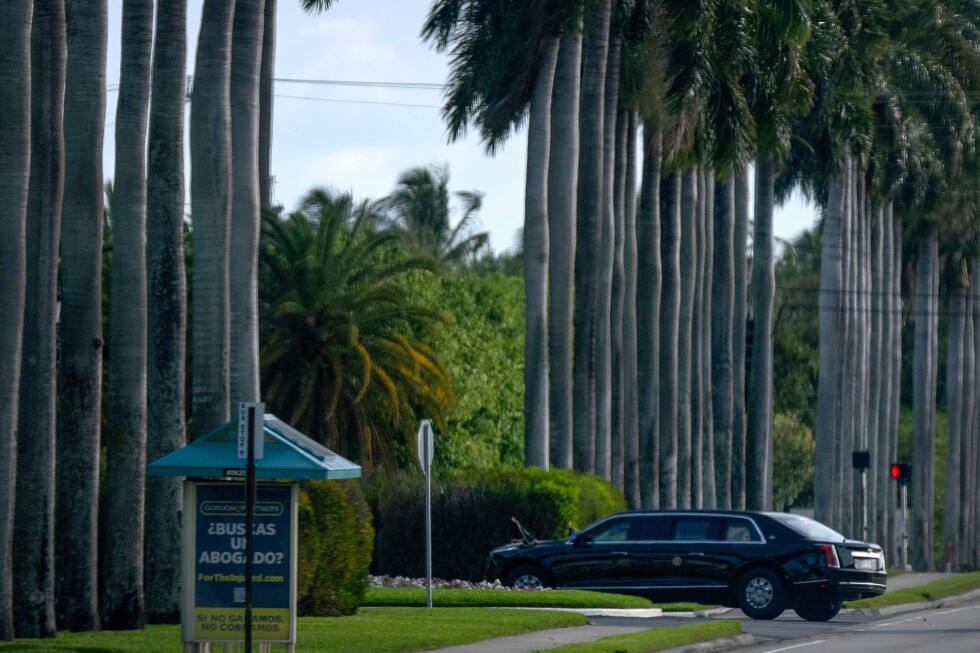
Turbulent Times: The U.S.-Israel Strikes on Iran and Their Fallout
WEST PALM BEACH, Fla. (AP) — In the two weeks since the U.S. and Israel launched strikes on Iran, President Donald Trump finds himself increasingly on the defensive, grappling with political turmoil that threatens to undermine his position.
Agitated Leadership Amidst Conflict
Trump’s response to the conflict has been marked by heightened agitation, particularly regarding media coverage. He appears unable to effectively communicate the rationale behind the strikes or articulate a viable plan for resolution. This communication gap is critical as the American public remains deeply concerned about casualties in the conflict, the impact on oil prices, and the instability affecting financial markets. Even some of his strongest supporters are beginning to question his strategies, reflecting a potential erosion of his base during such a pivotal time.
Implications for Global Allies and Ongoing Conflicts
Amidst the chaos of the Tehran conflict, the situation in Moscow is evolving as well. Trump’s easing of sanctions on some Russian oil shipments has inadvertently provided a boost to the Kremlin. This change in policy, coupled with climbing oil prices, undermines years of sanctions aimed at constraining President Vladimir Putin’s military actions in Ukraine.
The Democratic party, still reeling from Trump’s 2024 electoral victory, sees this as an opportunity to unite against his Iran policies. As the midterm elections approach, Democrats are vocalizing their concerns over Trump’s failure to stabilize the economy and the rising costs of living that many attribute to his administration’s decisions.
Tensions at Home and Abroad
The juxtaposition of Trump’s political struggles and the ongoing conflict has far-reaching implications. Trump spent recent days golfing at his Florida properties while facing increasing criticism for his management of the war, notably after experiencing the somber dignified transfer of U.S. soldiers killed in action. As casualties rise, so too does public pressure on the president to provide clarity and direction.
With Trump increasingly vocal about perceived media bias—stating that the press wants the U.S. to lose the war—he also hinted at seeking assistance from international allies to secure oil transportation routes through the vital Strait of Hormuz. Historically a key channel for global oil shipments, its stability is critical for international economic balance, and Iran’s threats to disrupt traffic raise alarms for nations reliant on oil imports.
International Reactions and the Fragile Balance
While Trump has called for collaboration among international partners like China, the UK, and Japan to ensure safe passage through the Strait, reactions from these countries have been cautious. South Korea announced plans for thorough coordination of its military response, while Japan is closely monitoring developments. In contrast, Britain’s defense ministry has engaged in discussions with allies on various options to secure shipping lanes.
This evolving international dynamic complicates Trump’s earlier promises of enhanced U.S. naval protection for oil tankers—a commitment that has not yet materialized. As questions loom over the administration’s efficacy and preparedness, Trump’s claims of victory and swift resolution during a recent Kentucky rally seem increasingly out of touch with reality.
Economic Woes and Political Ramifications
The economic ramifications of the ongoing conflict are impossible to overlook. The U.S. Treasury Department’s recent decision to implement a 30-day waiver on Russian sanctions aims to ease shipping delays caused by the war but has drawn criticism. Analysts highlight that benefiting the Russian economy through eased restrictions runs counter to broader geopolitical goals, and ally nations are voicing their concerns regarding this policy shift.
As midterm elections intensify, surplus energy costs remain a pressing topic. Trump’s optimistic assertions that energy prices will plummet following the war’s conclusion clash with the painful reality many Americans are facing, as rising costs are felt across the board, from fuel to groceries.
The political landscape continues to shift within Trump’s own party, as divisions emerge among MAGA supporters. Figures like Tucker Carlson and Megyn Kelly are voicing their discontent regarding Trump’s war stance, leaving Trump to bolster his claim that he remains the transformative leader of the MAGA movement.
A Key Moment for Political Strategy
Democrats sense an opportunity for gains reminiscent of the “blue wave” in the 2018 elections, driven by dissatisfaction over rising costs and Trump’s war policies. As campaign strategies unfold, party leaders emphasize the importance of linking Trump’s promises to lower costs and the reality of increasing prices, leveraging this theme to capture voter sentiment.
In this climate of political uncertainty, both Trump’s administration and the broader political landscape await the consequences of his decisions, keeping an eye on the implications for the upcoming elections and the future balance of power in Washington.

A Turning Tide in Wisconsin’s Supreme Court Races
Three years ago, a significant milestone occurred when liberals seized a majority on the Wisconsin Supreme Court for the first time in 15 years. This victory marked a turning point in one of America’s most contentious battleground states, laying the groundwork for further political and judicial shifts.
Upcoming Election: Key Players and Stakes
Looking ahead to next month, the stakes continue to rise. The April 7 election will feature a contest between Chris Taylor, a Democratic-backed candidate, and Maria Lazar, a Republican-backed challenger. The seat is open due to the retirement of conservative Justice Rebecca Bradley, making this election particularly crucial for both sides. Unlike last year’s historic Wisconsin Supreme Court race, which attracted a national spotlight and record-breaking funding, this election has flown under the radar. Nevertheless, the outcome could solidify liberal dominance in the court.
The Importance of Funding
Taylor enters the race with significant advantages in fundraising and advertising. Her financial clout is a stark contrast to Lazar’s campaign. In 2025, Taylor raised an astounding ten times more than Lazar, and she’s outspent her opponent dramatically on advertising. Specifically, Taylor’s campaign has invested $2.3 million in ads compared to Lazar’s mere $157,000. The support for Taylor goes further, with allied groups spending an additional $1.3 million to propel her campaign, while Lazar’s backers have contributed less than $12,000.
Issue-Based Campaigning
Taylor’s campaign mirrors the recent successful strategies of liberal candidates by amplifying hot-button issues such as abortion and voting rights. As an appeals court judge and former Democratic state legislator, she has positioned herself as a defender of rights, resonating with voters who are increasingly concerned about these topics.
On the other hand, Lazar, who has experience in the administration of Republican Governor Scott Walker, has made it clear that she stands firmly against abortion rights. Her campaign largely focuses on contrasting her judicial history with Taylor’s politically active background, presenting herself as the more experienced judicial candidate.
The Evolving Political Landscape
Wisconsin’s Supreme Court races have undergone a dramatic transformation over recent years. Formerly seen as “nobody knows, and nobody cares” affairs, these elections are now viewed through the lens of broader political issues, much like gubernatorial contests. According to Brandon Scholz, a strategist in Wisconsin, Democrats have adapted to the new reality, mastering the art of fundraising and changing the narrative around judicial elections.
Democrats have effectively captured critical dimensions of messaging, issues, and money, leaving conservatives at a disadvantage. The Republican party appears to be struggling to adjust, with some insiders indicating that significant changes may be necessary if they wish to regain their foothold.
A History of Recent Electoral Success
The success of liberal candidates has been part of a larger pattern in Wisconsin. Over the past several years, Democratic candidates have triumphed in 18 of the last 23 statewide races, highlighting an upward trajectory. Taylor’s possible victory in the upcoming election would mean that liberals have claimed four consecutive wins in Supreme Court races, further entrenching their influence in the state’s judiciary.
Challenges for the Opposition
For Lazar, the current political landscape poses unseen challenges. The lack of a majority on the line may lead to diminished enthusiasm and fundraising among Republican voters. This situation has only been exacerbated by the late exit of Justice Bradley. Her decision to retire prompted Lazar to enter the race five months behind Taylor, all while facing a more energized Democratic fundraising apparatus.
Internal Struggles and Future Implications
These electoral losses have caused tension among Republican circles, igniting discussions about leadership within the state party. Criticism has surfaced against Republican Party Chairman Brian Schimming, with calls for increased engagement in crucial races like Lazar’s. These internal squabbles might reflect a deeper instability within the party as it grapples with recent electoral failures.
Voter Sentiment and Uncertainty
Despite the visible advantages displayed by Taylor’s campaign, uncertainty remains among Wisconsin voters. A recent poll indicates that 62% of likely voters are still undecided about the upcoming race, a factor that raises the possibility of surprises as Election Day approaches. Both candidates need to capture the attention of the undecided voter base, a task that could pivot the election in unexpected directions.
Forward-Looking Strategies
As the Democratic Party gears up for the governor’s race later this year, the stakes are elevated. The outcome of the Supreme Court election may serve as a crucial stepping stone for Democratic momentum. With multiple candidates already vying to succeed Governor Tony Evers, a robust showing in the Supreme Court may inspire further enthusiasm among potential voters.
The Road Ahead
In the constantly evolving political landscape of Wisconsin, the April 7 election promises to be more than just a contest for a judicial seat; it’s a pivotal chapter in the ongoing saga of state politics. Both Taylor and Lazar must navigate complex voter sentiment while leveraging their unique strengths to sway public opinion. As this race unfolds, all eyes will be on Wisconsin to see how its political narrative continues to evolve.
Politics
French Voters Go to the Polls in Early Municipal Election Ahead of 2027 Presidential Vote :: WRAL.com

France’s Municipal Elections: A Critical Prelude to the Presidential Race
On Sunday, voters across France will head to the polls for the first round of municipal elections. This event is not just a local affair; it serves as a crucial litmus test for political parties as they gear up for the presidential election scheduled for next year. With President Emmanuel Macron facing the end of his second and final term in 2027, the stakes are undeniably high.
The Significance of Local Elections
Municipal elections in France, taking place in towns and cities from the smallest villages to major urban centers, often focus on grassroots concerns. However, the implications extend much further. Political analysts are keeping a close watch on these elections for early indicators of party performance and public sentiment ahead of the 2027 presidential race. As parties rally their electoral machinery, they aim to gauge voter satisfaction and glean insights that could shape their strategies moving forward.
Attention on Key Urban Areas
Particular focus is on major cities like Paris and Marseille, where the dynamics can significantly influence national political trends. In Paris, incumbent Socialist Mayor Anne Hidalgo has opted not to seek re-election after two terms. Since her election in 2014, she has navigated the city through various challenges, including the aftermath of extremist attacks in 2015 and preparing for the momentum of the upcoming Paris Olympics in 2024. Her departure opens the door for new leadership, raising questions about the future political landscape of the French capital.
The Marseille Showdown
Meanwhile, Marseille, France’s second-largest city, is witnessing a tightly contested race. Current Mayor Benoît Payan, representing the left, faces a formidable challenge from Franck Allisio, a candidate from the far-right National Rally party. The outcome in Marseille could signify broader shifts in voter preferences, particularly given the National Rally’s controversial history and its rising influence in local politics.
The Far-Right’s Rising Tide
The performance of the National Rally, led by Marine Le Pen, is under intense scrutiny in this election cycle. Despite facing legal challenges that may hinder her own presidential ambitions—she has been convicted of embezzlement, leading to a five-year ban from public office—Le Pen’s party continues to gain traction among the electorate. Analysts are eager to see if the National Rally can capitalize on its local performances to build momentum heading into 2027.
Legal Hurdles for Marine Le Pen
Marine Le Pen’s future in French politics is uncertain as she awaits a pivotal ruling from an appeals court regarding her legal status. The verdict is scheduled for July 7 and could have implications not just for her but for the political landscape as a whole. Should the ruling go against her, it might derail her aspirations to challenge for the presidency, altering the course of the National Rally at a critical juncture.
A Massive Electoral Undertaking
In total, more than 904,000 candidates are vying for municipal posts across approximately 35,000 localities in France. The massive scale of this electoral undertaking showcases the breadth of democratic engagement in the country. For areas where outcomes remain unclear, a second round of voting will seal the final decisions, further heightening the anticipation surrounding these elections.
This electoral cycle represents more than simple governance; it serves as a microcosm of broader societal sentiments, political alignments, and the path toward France’s next presidential election. As voters cast their ballots, the implications will extend far beyond the local level, setting the stage for the political battles to come.
Vietnam’s National Assembly Election: A Step Towards Political Continuity and Economic Growth
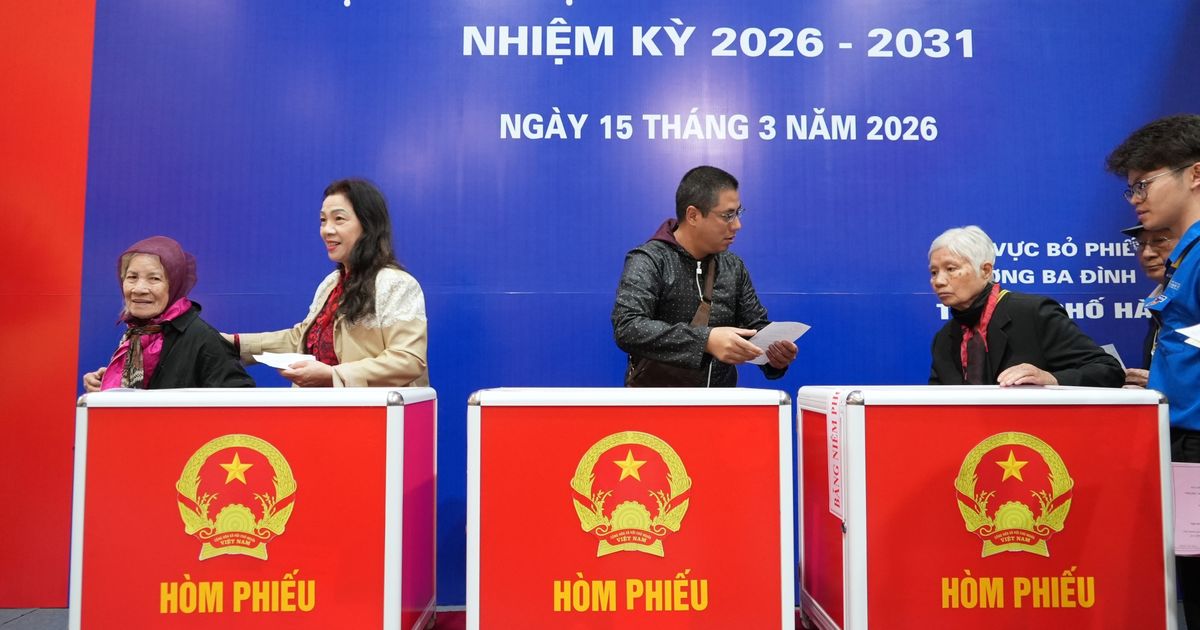
On a significant Sunday in Hanoi, Vietnam, nearly 79 million voters took to the polls to select their representatives for the National Assembly. This year’s election follows a pivotal moment in Vietnamese politics—when the ruling Communist Party reelected To Lam as the country’s leader just two months prior. The stakes were high as citizens chose from 864 candidates vying for 500 seats in a body primarily tasked with affirming the party’s directives.
The Structure and Function of Vietnam’s National Assembly
The Vietnamese National Assembly serves as a crucial institution in the political landscape, though it operates under the tight grasp of the Communist Party. All candidates for representative positions are pre-approved by the party, ensuring that the assembly does not diverge from the established political line. This vetting process underscores the controlled nature of political activity in Vietnam, as the party argues that a centralized leadership fosters long-term stability and growth.
The Political Climate and Its Implications
The elections unfolded shortly after the Communist Party’s national congress held every five years, which establishes leadership teams and policy priorities. At this recent congress, Lam’s reelection as general secretary solidified his influence at the helm of the nation. He emphasized the significance of the elections as a celebration of democracy, where citizens are not just voting but actively participating in shaping their country’s future.
“In this election, we have the people’s support,” Lam stated after casting his ballot, presenting the event as a momentous occasion for national unity and development.
Economic Aspirations Amid Challenges
Vietnam’s economy has made impressive strides in recent years, characterized by rapid expansion powered by robust manufacturing exports and foreign investment. As the country becomes a more attractive hub for global production, it finds itself well-positioned as a viable alternative to China for many multinational corporations. This shift has garnered significant interest from major players in the electronics and textiles sectors.
Looking ahead, Vietnam has set ambitious growth targets, aiming for a 10% or more annual increase over the next five years. A notable transformation in economic strategy sees the private sector taking center stage, yielding a push towards higher-value industries and the adoption of modern technologies.
Navigating Uncertainty in Global Trade
However, this climb toward economic prosperity does not come without hurdles. Vietnam’s export-driven economy is currently contending with various global challenges, including escalating trade tensions and tariffs that emerged during previous U.S. administrations. Policymakers in Vietnam are keenly aware of these external pressures and are recalibrating strategies to mitigate risks associated with an unpredictable international landscape.
Voter Engagement and Participation
Vietnamese elections typically witness remarkably high voter turnout, often exceeding 90%. This robust participation is facilitated through a range of polling stations established across cities, rural communities, and even remote areas of the country. By making voting accessible to all segments of the population, the government encourages civic engagement and emphasizes the importance of each vote.
As articulated by retired official Doan Thi Bich, many voters feel empowered by the electoral process: “I believe I will be able to choose candidates with morals, dedication, and competence to serve the country, bringing development and prosperity to our people.”
Looking Forward: Key Approvals and Implementation
The newly elected National Assembly is poised to convene its first meeting in April, where members will formalize key government appointments and initiate the implementation of the policy roadmap established at the party congress. This meeting marks not just an administrative transition but a crucial step in advancing the government’s agenda aimed at fostering sustained economic growth and political stability.
Through these elections and the subsequent assembly meetings, Vietnam continues to navigate its unique political landscape, balancing the imperatives of a controlled political environment with the pressing demands of its rapidly evolving economy.

Trump Seeks International Support for Reopening the Strait of Hormuz, But Challenges Loom Ahead

Brevard’s Annual Meeting Honors Local Businesses | News

Trump: US Might Target Iran’s Kharg Island Again ‘Just for Fun’ | US-Israel Tensions Over Iran

Man Arrested for Murder in Airport Heights Shooting

High Demand for Ukraine’s Anti-Drone Technology Amid Iranian Aggressions Against Neighbors

A Landmark Journey for Antarctic Research

MATCH PREVIEW: Arsenal vs Bayer Leverkusen – Team News, Lineups, and Predictions

Will Tucker Carlson Face Arrest? Controversial CIA Referral Ignites Debate: ‘They Monitored My Messages’

Miranda Kerr: Mindfulness and Meditation for Stress Management | Celebrity Meditation Series
![Funny Chinchilla 🐭Funny and Cute Chinchilla (Full) [Funny Pets]](https://i0.wp.com/i.ytimg.com/vi/gCRe9YMMYbM/maxresdefault.jpg?resize=80%2C80&ssl=1 "Funny Chinchilla 🐭Funny and Cute Chinchilla (Full) [Funny Pets]")
Funny Chinchilla 🐭Funny and Cute Chinchilla (Full) [Funny Pets]

Who Is Really Voting in These Polls? The Shocking Truth Behind America’s Approval Numbers

Tyler Jaggers: Coast Guard Rescue Swimmer Passes Away Days After Mission Incident; Fiancée Honors His Memory

Blueprint for a “Tax-Free America” That Actually Works

Police Issue Warrant for Bar Patron Alleged to Have Assaulted Multiple Individuals

Winter Storm Provides Much-Needed Surge for Tug Hill Snowmobile Industry

Four Forecasts for 2026

It Took 35 Years for T. rex to Reach Full Maturity

Major Indices Experience Weekly Declines as Treasury Yields Reach Four-Month High

feeding carrot beans and radish to the hungry monkey

EXCLUSIVE: Will Smith’s Former Best Friend Bilaal Breaks Silence in Explosive Tasha K Interview — Lawsuit, Scientology Allegations, and Claims of an Attempt on His Life
Miranda Kerr: Mindfulness and Meditation for Stress Management | Celebrity Meditation Series
Funny Chinchilla 🐭Funny and Cute Chinchilla (Full) [Funny Pets]

Tag Celebrity Crush

Prank Pets | Funny Pet Video Compilation 2017

12:13am 2m15s Statendam and Celebrity Century 12:33am 7m10s returning to Vancouver

Funny Parrots Going Crazy – Funniest Parrots Compilation 2020

21:20 Celebrity Infinity goes out of sight Em still on WA cam

Dogs vs GIANT Evil Nun Prank! Funny Dogs Maymo, Potpie & Indie

UFC Star Lyoto “The Dragon” Machida! 4 Day Transformation! Celebrity Dog Trainer Nick White

Goose chasing people – funny geese attack compilation
-
 Entertaiment1 week ago
Tyler Jaggers: Coast Guard Rescue Swimmer Passes Away Days After Mission Incident; Fiancée Honors His Memory
-
 Comedy1 week ago
feeding carrot beans and radish to the hungry monkey
-

 World News1 week ago
Oil and Gas Prices Surge Amid Escalating Conflict in Iran
-

 US News6 days ago
Trump Assures Republicans: Iran Conflict Could Conclude ‘Fairly Soon’ | Donald Trump News
-

 Business1 week ago
Netflix Withdraws from Meghan Markle’s $64 Candle Venture
-

 Crime & Justice1 week ago
Over 30 Injured in Nightclub Bombing in Northern Peru | Crime News
-

 Business4 days ago
Major Multi-Country Oil Release Agreement Falls Short of Lowering Prices
-

 Technology5 days ago
ARBOR Technology Drives Industrial Transformation with Robust Edge AI at Japan IT Week 2026
