
Business
Business Insights with New Orleans Deputy Mayor Jenny Mains | Business News

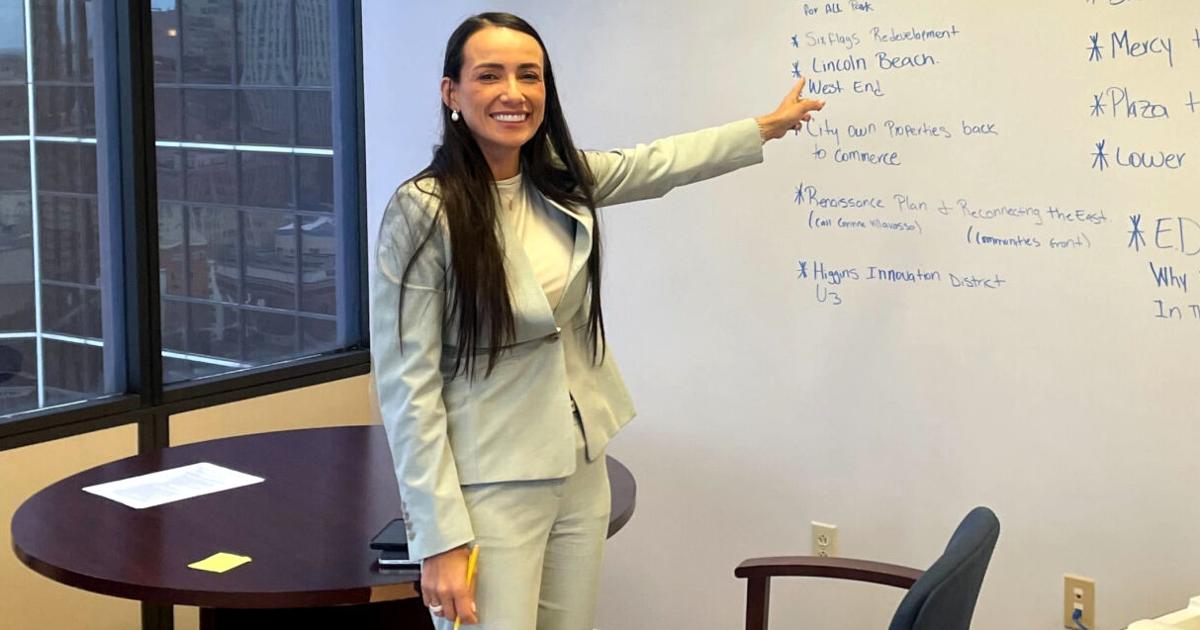
The Journey of Jenny Mains: From Medicine to Economic Development
Jenny Mains’ ascent to the role of New Orleans’ deputy mayor for economic development is a compelling narrative marked by resilience and a deep commitment to her community. Her journey, filled with personal and professional challenges, showcases how diverse experiences can converge to create a path of impactful leadership.
Early Life and Education
Raised by her Honduran grandparents, Mains moved to Jefferson Parish during her sixth grade. Her early upbringing was characterized by hardship, having lived independently since the age of 15. Despite the obstacles, she excelled academically, earning scholarships that made her the first member of her family to both graduate high school and attend college. This early determination drove her to fulfill a childhood dream of becoming a family practice physician.
Medical Mission Abroad
After completing her medical training, Mains embarked on a transformative journey by working in community clinics across Central America, specifically in Honduras, El Salvador, and Guatemala. This experience ignited her passion for creating job opportunities, as she witnessed firsthand how economic constraints forced many to leave their home countries. It was a pivotal moment that shaped her vision for sustainable economic development.
Transition into Business
Nearly a decade ago, Mains made a significant career pivot by joining CRC Global Solutions, a Kenner-based logistics firm founded by her husband. In her role, she played an instrumental part in overseeing the company’s international expansion and doubling its workforce. Additionally, she was at the helm of CRC We Care, We Share, the firm’s nonprofit initiative that has been vital in distributing food to communities in need both domestically and internationally.
Stepping into Public Office
When approached by Mayor Helena Moreno about serving in City Hall, Mains was initially uncertain. She hadn’t applied for the position and felt a mix of disbelief and fear. However, the alignment of values between her and Mayor Moreno became a pivotal factor in her acceptance. Understanding the importance of integrity and vision in leadership, Mains took the leap into public service, confident she could contribute positively to her city.
A Message of Hope
In reflecting on her decision to accept this role, Mains acknowledged how her faith played a crucial role in guiding her choice. “I felt God was telling me why I should,” she expressed, highlighting her desire to challenge stereotypes and be a voice for the Hispanic community. The courage she drew from her background strengthened her resolve to engage in spaces where her presence was less typical, ultimately influencing community growth.
Leveraging New Orleans’ Unique Advantages
As deputy mayor, Mains quickly recognized the unique advantages that New Orleans possesses, such as its strong cultural entrepreneurship and strategic geographic location. She emphasized the importance of the city’s transportation networks, including one of the best airports, a vital port, and rail systems, all of which are essential for economic expansion.
Targeting Growth Industries
Mains is particularly optimistic about the logistics sector, especially with upcoming developments in St. Bernard’s new port. She is keenly focused on ensuring that New Orleans is not overlooked in future infrastructure projects. “My No. 1 priority is to ensure our community isn’t bypassed in strategic developments,” she stated, emphasizing the need for an inclusive economic ecosystem that fosters career growth and sustainability.
Creating Jobs and Career Opportunities
Mains aims to build a robust job market, noting that the city relies heavily on its tourism industry but also has immense potential in other sectors. She believes that by prioritizing the establishment of distribution centers in New Orleans East, a significant economic boom is possible, leading to the creation of high-paying jobs and sustainable careers.
Building Trust with the Community
For residents skeptical about the ability of politicians to effect change, Mains conveyed a message of openness: “Give us a chance.” She referred to the biblical idea that results speak for themselves, expressing her commitment to ensure that the administration demonstrates its dedication to the community.
Defining Success
In her new role, Mains measures success not merely by immediate results but by the long-term revitalization of places that have been dormant for years, particularly those affected by Hurricane Katrina. Her vision includes reopening projects that will lead to job creation and economic stability, ensuring that tangible benefits are felt throughout the community.
Through her multifaceted journey from medicine to economic development, Jenny Mains exemplifies how personal experiences, professional growth, and unwavering commitment to community can converge to foster effective leadership in public service.
The Heart of Brevard: Community Support and Financial Success
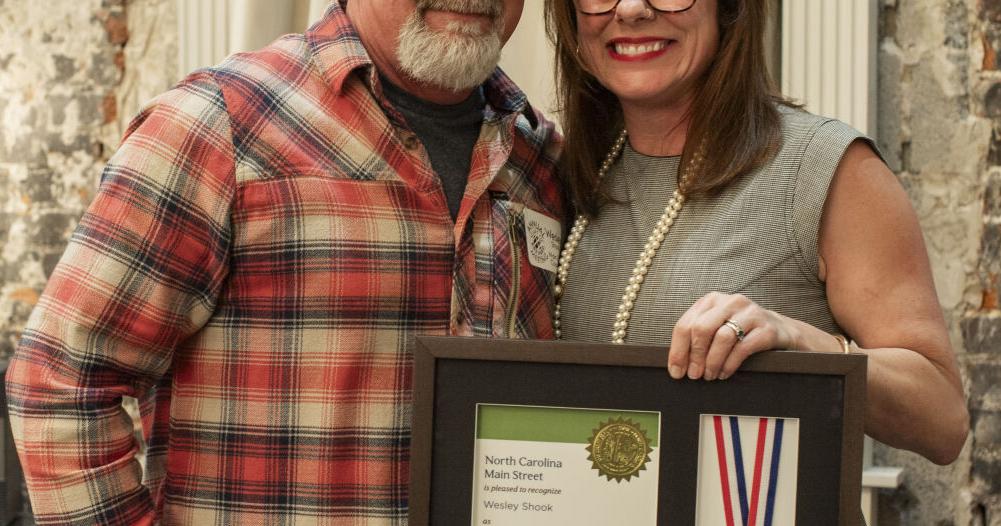
The annual meeting of Heart of Brevard recently showcased the vibrant pulse of the downtown community, reflecting a significant financial success and a robust sense of community support. This event brought together over 100 valued stakeholders, including business and property owners, sponsors, volunteers, and community leaders, all gathered under one roof at the Trust Center to celebrate collective achievements.
Celebrating Achievements
The atmosphere was electric as attendees enjoyed a catered meal while engaging in heartfelt discussions about the impact of Heart of Brevard (HoB). The evening was not just about networking; it was also a platform to highlight awards given to individuals and organizations that have notably contributed to the community. Recognizing community heroes fosters a sense of pride and encourages continued engagement and investment in the downtown area.
Community Engagement
At the heart of Brevard’s financial success lies a thriving community engaged in partnership. The collaboration between local businesses, municipal entities, and residents is crucial. Whether it’s through local events, initiatives, or simply word-of-mouth marketing, the collective effort enhances visibility and draws visitors to the area. HoB’s strategic planning and community events have led to a stronger sense of belonging among residents.
Economic Growth
The statistics speak volumes. The financial success reported during the meeting reflects growing consumer confidence and increased spending within the downtown district. Local businesses have experienced a boost in revenue, thanks in part to the efforts of Heart of Brevard in promoting shopping local and investing in community development projects. As more businesses thrive, this signals a bright future for the local economy and creates jobs for the community.
Sustainability Initiatives
In addition to financial growth, HoB has also emphasized sustainability. The organization is dedicated to promoting eco-friendly practices among local businesses. Initiatives aimed at reducing waste, conserving energy, and encouraging the use of public transportation are essential to the community’s long-term vision. By investing in sustainability, Brevard not only secures its economic future but also enhances the quality of life for its residents.
The Role of Volunteers
The success of any community organization often hinges on the dedication of its volunteers. Heart of Brevard is no exception. Volunteers play a vital role in organizing events, supporting local infrastructure, and amplifying community voices. Their contributions—both in time and passion—demonstrate a remarkable commitment to the Betterment of Brevard. Recognition of their hard work during the annual meeting serves to inspire others to join in these efforts.
Future Prospects
Looking ahead, Heart of Brevard has ambitious goals. With plans to expand community programs and improve downtown aesthetics, there is a clear vision to enhance the livability and attractiveness of the area. By working closely with urban planners, businesses, and residents, HoB aims to create an inviting atmosphere for visitors while ensuring that local culture and history remain central to development initiatives.
Conclusion
The annual meeting of Heart of Brevard was not merely a celebration but a poignant reminder of the power of community engagement and cooperation. The continued financial success fueled by local support paints a promising picture for Brevard’s future. By investing in local businesses, prioritizing sustainability, and engaging volunteers, Brevard is setting a benchmark for community development and resilience.
Business
A Setback for Caribbean Democracy: Stabroek News and Newsday Cease Operations Amid Social Media Transition

The Closure of Iconic Caribbean Newspapers: A Shift in the Media Landscape
From Print to Digital: A Changing Tide
In an ever-evolving media landscape, readers like Carlon Augustus from Trinidad and Tobago exemplify the shift away from traditional print media towards social media for news consumption. Augustus, now 32, fondly recalls his grandparents purchasing daily newspapers. However, he now seeks real-time updates and breaking news on platforms such as Twitter and Facebook. This transition underscores a broader trend—a growing reliance on the immediacy of social media over the delayed gratification of printed editions.
Farewell to Tradition: Stabroek News and Newsday
The unfortunate closures of Stabroek News in Guyana and Newsday in Trinidad and Tobago highlight the fragility of legacy print media in the Caribbean. Stabroek News, a prominent fixture in Guyanese journalism since 1986, printed its final edition earlier this year. Established during a politically turbulent time, it became an essential voice for citizens seeking independent journalism. With its closure, the region not only loses a newspaper but also a critical platform for free speech.
Newsday, which ceased operations in January, was particularly noted for its efforts to reach underserved communities throughout Trinidad and Tobago. Judy Raymond, the former editor-in-chief of Newsday, emphasized the profound loss this represents for both the nation and its democracy. The independent voices that these newspapers provided are now muted, leaving a significant gap in credible media coverage.
A Legacy of Influence
Stabroek News was celebrated for its commitment to quality journalism, attracting contributions from esteemed writers like Martin Carter and Ian McDonald. Its commitment to covering pivotal political events, such as Guyana’s 1992 elections, established it as a standard-bearer for journalistic integrity in the region. The newspaper’s letters page became a notable space for public discourse, bringing together diverse voices from different walks of life to discuss issues affecting society.
Similarly, Newsday emerged in 1993 with a mission to cover news relevant to blue-collar workers and those in less developed areas, particularly Tobago. Its reputation grew as it offered stories that resonated with everyday people, often exposing them to issues neglected by rival newspapers. This service significantly enhanced the paper’s presence in local legislative discussions.
The Impact of Digital Disruption
The Caribbean newspaper industry, like many around the world, experienced a seismic shift as digital platforms gained prominence. Once viewed as prestigious, print newspapers began to lose their status and readership. As technology giants like Google captured advertising revenue, traditional media struggled to keep pace.
Wesley Gibbings, from the Media Institute of the Caribbean, highlights the long-foreseen danger signs indicating this transition. With advertising revenues plummeting, many legacy newspapers found the need to adapt and innovate more pressing than ever. Unfortunately, for newspapers like Newsday and Stabroek News, the adaptation efforts came too late.
Financial Struggles and Mismanaged Transitions
The challenges leading to the closure of these newspapers were multifaceted. Recent statements from the managing director of Daily News Limited, which published Newsday, illustrated a “perfect storm” of factors contributing to its demise. A staggering 75% drop in print advertising over the last decade created insurmountable financial obstacles.
Despite attempts to broaden revenue streams, the immediate reality was harsh. Stabroek News faced an overwhelming $90 million in debts and a significant drop in advertising, particularly from government sources. However, its owners clarified that the decline in readership was a key factor leading to its closure, further emphasizing the changing habits of news consumers.
A Community Torn
The emotional impact of these closures is palpable among readers accustomed to receiving their news through trusted print sources. Many lament the loss of tangible newspapers that have been staples in their lives. For readers like Early Ward, a retired beverage company manager from Guyana, the decline of print media has led to a sense of sadness, as he reflects on decades spent holding physical copies of newspapers.
The potential disappearance of independent voices amplifies concerns among the public, particularly in contexts rife with issues such as corruption. Readers express worry that the remaining publications—some state-owned or closely tied to political parties—may lack the impartiality essential for a functioning democracy.
A Call for Credibility
As both Stabroek News and Newsday close their doors, the remaining media outlets face heightened scrutiny. With around 80% of the public expressing trust in independent media, the vacuum left by these significant closures calls for renewed discussions on credibility and representation within the media landscape.
While there are alternatives for getting news today, the closure of these institutions signals a warning. In a world dominated by social media influencers and headline-chasing platforms, the need for comprehensive, analytical, and credible journalism is more crucial than ever. The legacies of Stabroek News and Newsday serve as reminders of the vital role independent media plays in fostering an informed, engaged, and democratic society.
Business
Fort Smith Metro News Update: Seeking Volunteers for Steel Horse Rally, Peak ‘Career Launch’ Event

Welcome to this lively roundup of news from the Fort Smith metro area! Significant events are happening now, integrating community engagement and fostering educational opportunities. Let’s dive into three key happenings that are shaping our local landscape.
Steel Horse Volunteers
The Steel Horse Rally is poised to return to downtown Fort Smith on May 1 and 2, honoring all who serve. This vibrant motorcycle rally, which has grown significantly since its inception in 2015, draws over 200,000 riders and visitors each year, making it a vital event in our community calendar. Event organizers will hold a volunteer meeting on March 21 at 10 a.m. at the Courtyard by Marriott, inviting anyone aged 18 and older to support the event.
As the lifeblood of the rally, volunteers are encouraged to check in at the hotel’s front desk upon arrival, bringing a valid ID. Those interested can find more details about the volunteer process through a dedicated link here. With a mission focused on benefiting local charities, the Steel Horse Rally Inc. aims to support military veterans, law enforcement, and first responders, fostering community spirit and charity.
Peak Career Launch
On March 10, a significant event took place at the Peak Innovation Center, connecting graduating seniors from around the Fort Smith metro with more than 50 local employers during the River Valley Career Launch event. This initiative, a collaborative effort among local schools and the Fort Smith Regional Chamber of Commerce, aims to bridge the gap between high school and the professional world.
Approximately 700 students from 15 regional schools attended the expo, where many had the opportunity for on-site interviews with prospective employers. Tim Allen, the president and CEO of the Fort Smith Chamber, emphasizes the importance of exposing students to the diverse career paths available in the region. “Students represent our future workforce,” he stated, highlighting the critical nature of these connections in nurturing local talent.
This Career Launch marks the second in a series of three events designed to facilitate student-employer interactions. The first event, Industry Days, occurred in February, while the final event, Launch to Success, is set for May 4, recognizing seniors who secured jobs and the employers who hired them.
Logic Training
On a different note, Arkansas Tech University-Ozark Campus recently celebrated the completion of an Advanced Programmable Logic Controller (PLC) training course by eight students. This hands-on training, spearheaded by instructor Cody Harkness, allowed students to earn industry-recognized certifications through the Smart Automation Certification Alliance (SACA).
Among the certifications achieved were Programmable Controller Systems 1, Troubleshooting, Electric Motor Control Systems 1, Electrical Systems 1, and Pneumatic Systems 1. These eight participants, comprising employees from prominent regional companies like ABB and Butterball, are now better equipped to contribute to advanced manufacturing facilities.
Ryan Mikles, vice chancellor for business innovation and economic development at ATU-Ozark, emphasized the significance of these credentials in today’s evolving job market: “These certifications represent valuable, industry-recognized credentials that validate the skills needed in today’s automated manufacturing facilities.” For those interested in furthering their skills, more information about workforce training programs at ATU-Ozark is available here.
Leadership Mixer
Lastly, the Leadership Fort Smith Alumni Association is hosting a mixer on April 2 from 2 to 4 p.m. at the Fort Smith Regional Chamber of Commerce. This event will offer Leadership Fort Smith graduates an excellent opportunity to reconnect and expand their professional networks.
Managed by the chamber, Leadership Fort Smith is a comprehensive 10-month program designed to immerse participants in the regional landscape, focusing on its strengths and challenges. With only 25 individuals selected annually, the program fosters deep community engagement among emerging leaders.
If you’re interested in attending the mixer, you can find the registration link here.

Trump News Summary: Hegseth Criticizes Media for War Coverage While Trump Decries Iran Leaders as ‘Scumbags’ | Trump Administration

Transfer Rumors: Real Madrid Targets Bayern’s Olise

Business Insights with New Orleans Deputy Mayor Jenny Mains | Business News

VAgency Receives 2026 Global Recognition Award for Outstanding Strategic Executive Support and Business Growth

Iran Conflict: Day 17 of US-Israel Attacks – Latest Updates on the Situation

Los Angeles County Police Warn of “Bank Jugging” Crime Targeting ATM Users

CPH:DOX Interview: Exploring Technology and Power in ‘The Sandbox’ Documentary

Assess Challenge Level and Student Reviews

I Never Felt Out of Place in Kolkata: Jaya | Bengali Film Update

Veterinarian Dr. Wuellner’s safe holiday tips & dog grooming trends with celebrity groomer Jess Rona

Who Is Really Voting in These Polls? The Shocking Truth Behind America’s Approval Numbers

Tyler Jaggers: Coast Guard Rescue Swimmer Passes Away Days After Mission Incident; Fiancée Honors His Memory

Blueprint for a “Tax-Free America” That Actually Works

Police Issue Warrant for Bar Patron Alleged to Have Assaulted Multiple Individuals

Winter Storm Provides Much-Needed Surge for Tug Hill Snowmobile Industry

Four Forecasts for 2026

It Took 35 Years for T. rex to Reach Full Maturity

Major Indices Experience Weekly Declines as Treasury Yields Reach Four-Month High

feeding carrot beans and radish to the hungry monkey

EXCLUSIVE: Will Smith’s Former Best Friend Bilaal Breaks Silence in Explosive Tasha K Interview — Lawsuit, Scientology Allegations, and Claims of an Attempt on His Life
Veterinarian Dr. Wuellner’s safe holiday tips & dog grooming trends with celebrity groomer Jess Rona

Baby Chickens – Funny Chickens You Will Die Laughing – Funniest Animals Videos 2019

Full Appearance – Poncho The Parrot

Funny French Bulldog Compilation 2022 | Cute Frenchies | Adorable Puppies and Dogs

250227 まるでセレブ😂リーと舗装道路を歩くCelebrity Chihuahuas Walk on the paved road with Lee

Orange Cat Activities

Miranda Kerr: Mindfulness and Meditation for Stress Management | Celebrity Meditation Series
![Funny Chinchilla 🐭Funny and Cute Chinchilla (Full) [Funny Pets]](https://i0.wp.com/i.ytimg.com/vi/gCRe9YMMYbM/maxresdefault.jpg?resize=80%2C80&ssl=1 "Funny Chinchilla 🐭Funny and Cute Chinchilla (Full) [Funny Pets]")
Funny Chinchilla 🐭Funny and Cute Chinchilla (Full) [Funny Pets]

Tag Celebrity Crush

Prank Pets | Funny Pet Video Compilation 2017
-
 Entertaiment1 week ago
Tyler Jaggers: Coast Guard Rescue Swimmer Passes Away Days After Mission Incident; Fiancée Honors His Memory
-
 Comedy2 weeks ago
feeding carrot beans and radish to the hungry monkey
-

 World News1 week ago
Oil and Gas Prices Surge Amid Escalating Conflict in Iran
-

 US News6 days ago
Trump Assures Republicans: Iran Conflict Could Conclude ‘Fairly Soon’ | Donald Trump News
-

 Business1 week ago
Netflix Withdraws from Meghan Markle’s $64 Candle Venture
-

 Crime & Justice1 week ago
Over 30 Injured in Nightclub Bombing in Northern Peru | Crime News
-

 Business5 days ago
Major Multi-Country Oil Release Agreement Falls Short of Lowering Prices
-

 Business3 days ago
The Transition of ‘Somebody Feed Phil’ to YouTube
