
Politics
Trump News Summary: Hegseth Criticizes Media for War Coverage While Trump Decries Iran Leaders as ‘Scumbags’ | Trump Administration


Pentagon Press Conference: Hegseth Critiques Media Coverage of Iran Conflict
Background Context
In a recent press conference at the Pentagon, Pete Hegseth took a bold stance against media representations of the ongoing conflict in Iran. With the U.S. and Israeli air campaign reportedly targeting over 15,000 sites in the nation—effectively crippling its air force, navy, and missile defense capabilities—Hegseth’s comments reflect the administration’s push for a favorable narrative regarding military achievements.
Media Critique
Hegseth articulated his frustrations with journalists, accusing them of minimizing the successes of the military campaign. As he posed the provocative question, “What should the banner [on TV] read?” he suggested, “How about ‘Iran increasingly desperate’?” This reflects a broader frustration among certain sectors of the government regarding media portrayals that might not align with their views on military successes and failures.
Statements from U.S. Defense Secretary
The U.S. Defense Secretary made similar claims during the conference, heralding the campaign as a significant triumph within the first two weeks of military action. His assertions emphasized the effectiveness of the strikes, portraying it as a strategic win for the U.S.-led coalition. The narrative aims to boost public perception of the military operation, hoping to cultivate a more favorable view of U.S. actions overseas.
Trump’s Contribution to the Dialogue
Warning to Iran
Former President Donald Trump added fuel to the fire with his harsh rhetoric, labeling Iranian leaders as “deranged scumbags.” During his statements, he warned that Iran would face severe repercussions in the coming days, signaling a potential escalation in military action. This incendiary language contributes to a narrative that frames the ongoing conflict in a light that emphasizes the need for continued aggression.
Public Sentiment and Reactions
Trump’s remarks and the administration’s overall messaging resonate with certain segments of American society that prioritize national security and a hardline approach to perceived threats. However, there remains a divide in public opinion regarding the effectiveness and morality of such a military strategy, bringing forth a myriad of responses from various advocacy groups and political commentators.
Broader Implications of Military Action
Escalation in the Middle East
The remarks and actions reflect an increasingly complex situation in the Middle East, with violence spiraling not just in Iran but potentially affecting neighboring countries. As conflict continues, the humanitarian implications cannot be overlooked. Civilian casualties and displacement become inevitable when military ambitions clash with on-the-ground realities, leading to urgent calls from international organizations for diplomatic solutions and humanitarian aid.
Potential for Change in Foreign Policy
As the military campaign unfolds, analysis of Hegseth’s comments and Trump’s rhetoric indicates shifting dynamics in U.S. foreign policy. The emphasis on strong military action may signal a departure from previous administrations that favored diplomatic discussions, moving instead toward a confrontational posture. The effectiveness of this strategy remains a matter of debate among experts and political analysts alike.
Additional News Highlights
ICE Agency Revelations
In a parallel story, the U.S. Immigration and Customs Enforcement (ICE) agency has come under scrutiny for using a custom app to identify targets for arrests, as well as for enforcing daily quotas during operations. This revelation highlights ongoing tensions regarding immigration policy and enforcement practices, drawing attention to the complexities of law enforcement.
Unlawful Detention Cases
Cases involving unlawful detentions, where judges have ordered the release of individuals after holding them for extended periods without due process, have also surfaced. This reality raises questions about the legal frameworks governing immigration and civil rights in America, furthering the discourse around justice and governmental accountability.
Polling on Tariffs and Economic Sentiment
Polling data has revealed that seven in ten Americans believe that Trump’s tariffs have resulted in higher prices. This perception poses a significant challenge for Republicans heading into upcoming elections, indicating potential shifts in voter sentiment that could affect their political strategy moving forward.
Support for TSA amidst Government Shutdown
Meanwhile, U.S. airports seeking donations to support unpaid TSA staff amid a government shutdown highlights the real-world impacts of political decisions. Airport security personnel are missing paychecks, instigating a wave of public sympathy and calls for action as the situation unfolds.
Recap of the Day’s News
This overview encapsulates pressing issues, political rhetoric, and the consequences of military action in Iran and beyond. As developments continue to unfold, scrutiny of both government actions and media narratives will remain crucial in shaping public perception and future policy decisions.


The 2026 Oscars: Highlights and Key Moments
Introduction to the Oscars
The Oscars, formally known as the Academy Awards, celebrate the pinnacle of cinematic excellence annually. The 2026 Oscars were no exception, filled with glitz, glamour, and unforgettable moments that captivated audiences around the globe. This year’s event was particularly notable not just for the films honored, but for the discussions and themes that emerged during the ceremony.
A Night of Triumph: Jessie Buckley’s Emotional Win
One of the most poignant moments of the night came when Jessie Buckley accepted the Best Actress award. Overwhelmed with emotion, she expressed gratitude for her craft and the support of her family, showcasing the human side of Hollywood’s elite. Her tears resonated with many, reminding attendees and viewers alike of the hard work and dedication that goes into creating art.
Fran Drescher’s Bold Statements
Actress Fran Drescher stirred conversations outside the auditorium with her candid remarks over prevailing industry topics. Addressing the controversial comments made by fellow actor Timothée Chalamet, Drescher emphasized the need for openness and dialogue in an increasingly polarized industry. Her comments ignited discussions about the role of celebrities in shaping socio-political narratives, casting a spotlight on the evolving responsibilities of actors and creators.
An Actor’s Reflections on Political Themes
Robbie G.K., an actor from the acclaimed series “Heated Rivalry,” weighed in on the ongoing discourse regarding the intersection of politics and art. At Elton John’s Oscar party, he stated that while the show has political undertones, its essence lies in exploring human nature. This perspective encourages audiences to appreciate the nuance in storytelling, further blurring the lines between entertainment and discourse.
Highlights from the Ceremony
Throughout the evening, highlights were displayed not just in awards, but also in stunning performances and heartfelt speeches. A medley honoring film legends from past decades captivated the audience. Viewers were transported through time, celebrating contributions to cinema and preserving the legacies of those who paved the way for today’s artists.
The Impact of the Season’s Best Films
As nominees for Best Picture lined up for the coveted award, each film represented a distinct narrative that touched on contemporary issues. From powerful stories of resilience to innovative cinematic techniques, this year’s films invited viewers to reflect on both personal experiences and broader societal themes.
Inclusivity and Recognition
The 2026 Oscars further demonstrated a commitment to inclusivity, honoring films from diverse genres and cultures. As the industry grapples with criticisms of representation, this ceremony showcased the importance of showcasing talent from varied backgrounds, ensuring that storytelling encompasses a multitude of perspectives.
Standing Against the Tide: Patricia Arquette’s Support for the Trans Community
Another compelling moment came from actress Patricia Arquette, who used her platform to voice solidarity with the trans community. Her remarks highlighted the continued fight for equality and rights, serving as a call to action for audience members and other industry figures. This resonated deeply as the audience applauded, reflecting a growing commitment within Hollywood to champion marginalized voices.
The Visuals of the Night
Beyond the discussions, the visuals of the night were nothing short of spectacular. Red carpet appearances dazzled as the stars showcased bold fashion choices, each outfit telling its own story of personal style and artistic expression. The eclectic mix of designs mirrored the variety showcased in the nominated films, emphasizing the artistry present in both fashion and cinema.
Behind the Scenes: The Preparation
While the televised ceremony captured the spotlight, the work leading up to the Oscars is often overlooked. From logistics and rehearsals to ensuring the safety and comfort of attendees, the intricate planning behind the scenes played a crucial role in executing a flawless event. It’s a testament to the dedication of countless individuals who contribute to the magic of the Oscars.
Final Thoughts on the Event
The 2026 Oscars served as a microcosm of contemporary cinema, blending celebration with critical conversations. As audiences reflect on the achievements and discussions, it becomes clear that the event wasn’t just about rewarding excellence in film but also about honoring the societal narratives intertwined with the art form. Each acceptance speech, performance, and interaction contributed to a broader tapestry that celebrates not just individual achievements, but the collective journey of cinematic storytelling.
Politics
Trump News Summary: Uncertainty Surrounds Call for Allied Protection of Strait of Hormuz Amid Allies’ Skepticism | Trump Administration
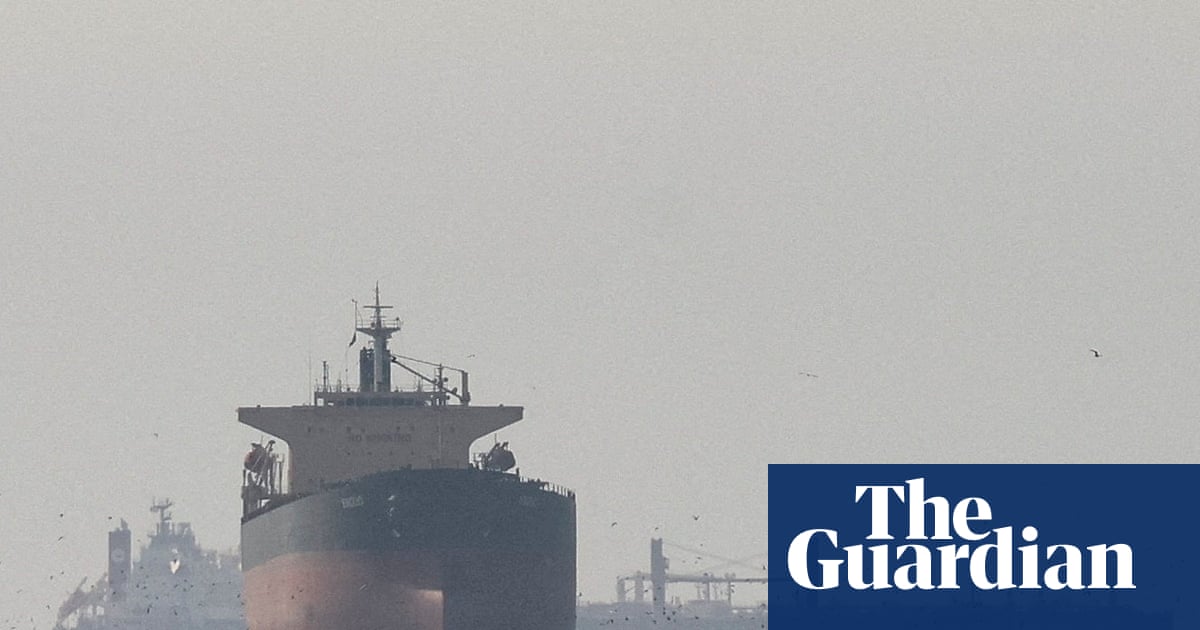
Trump’s Call for Allied Deployment to the Strait of Hormuz Meets Muted Response
Donald Trump’s recent appeal for international allies to deploy naval ships to the Strait of Hormuz has sparked a cautious dialogue but generated little in the way of concrete commitments. The Strait of Hormuz is a critical chokepoint for global oil supplies, and the ongoing tensions with Iran have led to violent blockades affecting commercial shipping.
In a post on his Truth Social platform, Trump urged nations including the UK, China, France, Japan, and South Korea to take action. “Many countries,” he claimed, would be willing to send ships “to keep the strait open and safe.” However, major allies have not responded with enthusiasm. Countries such as the UK, Japan, China, and South Korea have indicated that they are still weighing their options without making any binding commitments.
Skepticism from Allied Nations
The lack of urgency from allied nations is underscored by recent statements from leaders in Germany and the UK. German Foreign Minister Johann Wadephul publicly expressed skepticism regarding a proposed scheme aimed at shielding commercial vessels from potential Houthi attacks emanating from Yemen, stating that it “was not effective.” This hesitance reflects an underlying wariness about getting entangled in the complexities of regional conflicts.
Trump’s Warning on NATO and Global Stability
In a candid interview with the Financial Times, Trump issued a stark warning regarding NATO’s future if his allies do not take decisive action. He remarked that the alliance could face a “very bad” future if the Strait of Hormuz remains unprotected. “It’s only appropriate that people who are the beneficiaries of the strait help to make sure that nothing bad happens there,” he stressed, underlining the shared responsibility of nations with vested interests in maintaining maritime security.
Broader Context of U.S.-Iran Relations
Trump’s call comes at a time of escalating hostilities in the region. Iran has recently launched missile and drone attacks against Gulf countries and Israel, prompting retaliatory strikes from both Israeli and U.S. forces. While Trump believes that Iran may be open to negotiating a ceasefire, he indicated he is not prepared to pursue such a deal—emphasizing instead a continued military presence and pressure on Tehran to ensure favorable terms.
Domestic Political Reactions
The debate over the U.S.’s role in international conflicts has also ignited discussions at home. Democratic Senator Cory Booker criticized both parties in Congress for relinquishing their war powers to Trump, characterizing their actions as “feckless.” He argued that this could embolden the president to engage in military actions against nations like Cuba or North Korea without congressional approval.
Hesitations Over Military Action
As discussions continue, the hesitations from key U.S. allies raise questions about coordinated military responses and strategies to secure vital shipping routes. The Strait of Hormuz remains one of the world’s busiest shipping routes, with a significant percentage of global oil passing through it. The international community’s reluctance to commit to military deployments speaks volumes about the complexities of geopolitical interests in the region.
What’s Next?
While the situation remains fluid, the muted response to Trump’s call for allied ships may compel a reevaluation of strategies for addressing security in the Strait of Hormuz. With potential implications for global oil markets and diplomatic relations, the unfolding events will be closely watched as the stakes continue to rise.
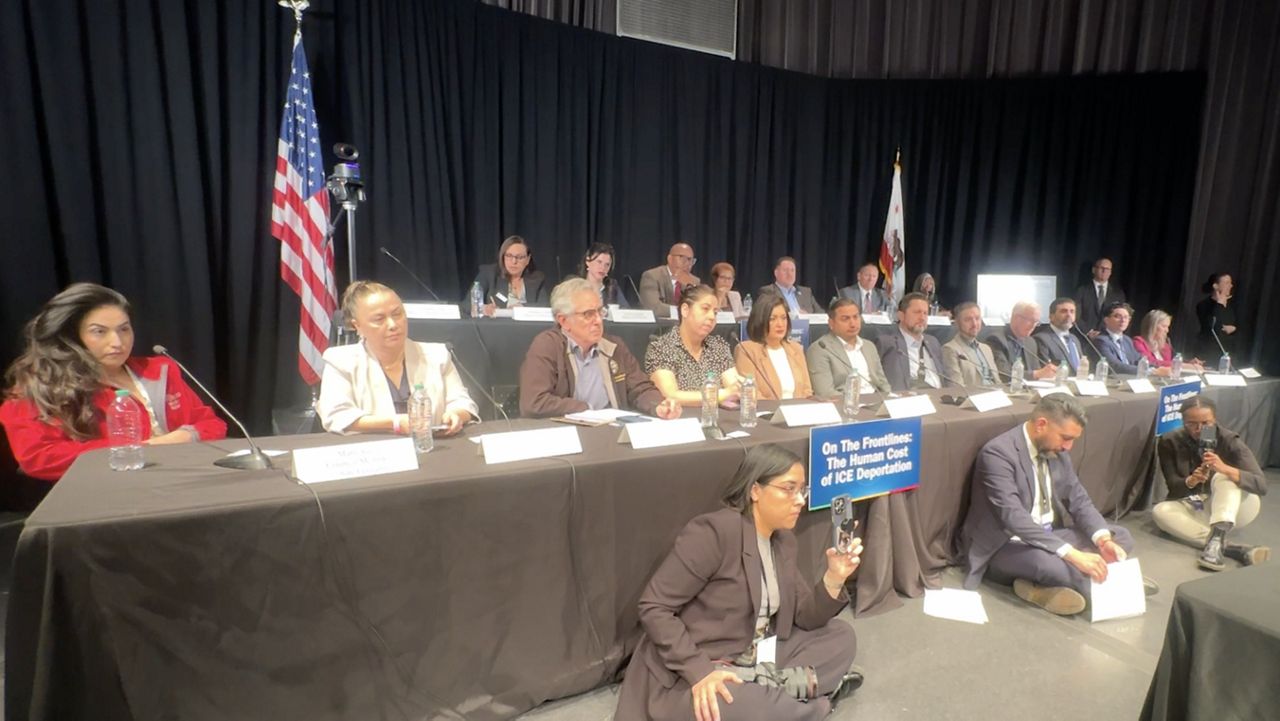
Regional Mayors Unite to Address ICE Operations: A Community Response
In a significant gathering that highlighted the urgent need for collective action, regional mayors from across the area, led by Los Angeles Mayor Karen Bass, convened on Friday to tackle community concerns revolving around the operations of Immigration and Customs Enforcement (ICE). The town hall served as a forum for citizens to voice their feelings and fears regarding mass deportations, which have profound human costs affecting families and communities alike.
The Heart of the Matter: Human Costs of Mass Deportations
The focus of the town hall was clear: to shed light on the multifaceted human costs associated with mass deportations. Stories shared by community members revealed the traumatic impact on families torn apart by these actions. Many in attendance recounted experiences of loved ones being detained and the lingering anxiety that comes with knowing their family members could be targeted. It was evident that underlying these policies are individuals with hopes, dreams, and lives interwoven into the fabric of their communities.
Mayoral Leadership and Local Government Action
Mayor Karen Bass emphasized the role of local governments in responding to these challenges. “We must stand firm against unjust practices that threaten our community’s safety and unity,” she stated passionately. The mayors discussed potential measures that could be taken to mitigate the impact of ICE operations. Some proposed creating sanctuary policies that would protect residents from deportation, while others explored ways to support immigrants through legal aid and community resources.
Voices from the Ground: Immigrant Rights Organizations
The town hall also featured a lineup of speakers from various immigrant rights organizations, each offering insights into the current landscape of immigration enforcement. These advocates shared not only stories of resilience but also actionable strategies for effecting change. They emphasized the importance of community solidarity in opposing ICE operations and highlighted existing programs that provide support and resources to those affected by deportations.
Personal Narratives: Experiences with ICE
Adding a deeply personal layer to the proceedings, several attendees spoke about their direct encounters with ICE. These testimonies painted a vivid picture of the fear and uncertainty that many families face daily. One speaker recounted being questioned while running errands, an experience that disrupted their sense of safety and mobility. Others shared how such interactions have left lasting emotional scars, affecting not only their ability to trust local authorities but also their everyday lives.
Community Mobilization: A Collective Journey Forward
The collective energy in the room suggested a burgeoning movement, fueled by a shared desire for justice and compassion. Conversations revolved around fostering community engagement—not just to raise awareness about these pressing issues but also to develop actionable plans for making their neighborhoods safer for immigrants. Attendees were encouraged to mobilize, whether through advocacy or community organizing, with a view toward influencing policy on a local and national scale.
Resources and Next Steps
As the meeting wrapped up, attendees were equipped with a wealth of resources, including contacts for legal aid organizations and community support groups that could assist immigrants facing deportation. Those interested in further involvement were invited to participate in upcoming workshops and rallies aimed at advocating for immigrant rights.
In Closing: A Call to Action
While the evening was filled with challenging conversations, there was a hopeful undertone—a recognition that collective action can lead to meaningful change. The mayors, alongside community members and activists, forged a path forward to stand against unjust practices while underscoring the importance of empathy and solidarity in their fight for justice.

Ep 44: Daphne Hosts a CRAZY TEA PART (Things Get Messy!)

Funny Animals Farting Reactions Compilations (NEW TREND) #1 2020

Trump News Summary: Hegseth Criticizes Media for War Coverage While Trump Decries Iran Leaders as ‘Scumbags’ | Trump Administration

Transfer Rumors: Real Madrid Targets Bayern’s Olise

Business Insights with New Orleans Deputy Mayor Jenny Mains | Business News

VAgency Receives 2026 Global Recognition Award for Outstanding Strategic Executive Support and Business Growth

Iran Conflict: Day 17 of US-Israel Attacks – Latest Updates on the Situation

Los Angeles County Police Warn of “Bank Jugging” Crime Targeting ATM Users

CPH:DOX Interview: Exploring Technology and Power in ‘The Sandbox’ Documentary

Assess Challenge Level and Student Reviews

Who Is Really Voting in These Polls? The Shocking Truth Behind America’s Approval Numbers

Tyler Jaggers: Coast Guard Rescue Swimmer Passes Away Days After Mission Incident; Fiancée Honors His Memory

Blueprint for a “Tax-Free America” That Actually Works

Police Issue Warrant for Bar Patron Alleged to Have Assaulted Multiple Individuals

Winter Storm Provides Much-Needed Surge for Tug Hill Snowmobile Industry

Four Forecasts for 2026

It Took 35 Years for T. rex to Reach Full Maturity

Major Indices Experience Weekly Declines as Treasury Yields Reach Four-Month High

feeding carrot beans and radish to the hungry monkey

EXCLUSIVE: Will Smith’s Former Best Friend Bilaal Breaks Silence in Explosive Tasha K Interview — Lawsuit, Scientology Allegations, and Claims of an Attempt on His Life
Ep 44: Daphne Hosts a CRAZY TEA PART (Things Get Messy!)
Funny Animals Farting Reactions Compilations (NEW TREND) #1 2020

Veterinarian Dr. Wuellner’s safe holiday tips & dog grooming trends with celebrity groomer Jess Rona

Baby Chickens – Funny Chickens You Will Die Laughing – Funniest Animals Videos 2019

Full Appearance – Poncho The Parrot

Funny French Bulldog Compilation 2022 | Cute Frenchies | Adorable Puppies and Dogs

250227 まるでセレブ😂リーと舗装道路を歩くCelebrity Chihuahuas Walk on the paved road with Lee

Orange Cat Activities

Miranda Kerr: Mindfulness and Meditation for Stress Management | Celebrity Meditation Series
![Funny Chinchilla 🐭Funny and Cute Chinchilla (Full) [Funny Pets]](https://i0.wp.com/i.ytimg.com/vi/gCRe9YMMYbM/maxresdefault.jpg?resize=80%2C80&ssl=1 "Funny Chinchilla 🐭Funny and Cute Chinchilla (Full) [Funny Pets]")
Funny Chinchilla 🐭Funny and Cute Chinchilla (Full) [Funny Pets]
-
 Entertaiment1 week ago
Tyler Jaggers: Coast Guard Rescue Swimmer Passes Away Days After Mission Incident; Fiancée Honors His Memory
-
 Comedy2 weeks ago
feeding carrot beans and radish to the hungry monkey
-

 World News1 week ago
Oil and Gas Prices Surge Amid Escalating Conflict in Iran
-

 US News6 days ago
Trump Assures Republicans: Iran Conflict Could Conclude ‘Fairly Soon’ | Donald Trump News
-

 Business1 week ago
Netflix Withdraws from Meghan Markle’s $64 Candle Venture
-

 Crime & Justice1 week ago
Over 30 Injured in Nightclub Bombing in Northern Peru | Crime News
-

 Business5 days ago
Major Multi-Country Oil Release Agreement Falls Short of Lowering Prices
-

 Business3 days ago
The Transition of ‘Somebody Feed Phil’ to YouTube
