
US News
Minneapolis Woman Fatally Shot by ICE Officer

A Tragic Incident: The Minneapolis ICE Shooting
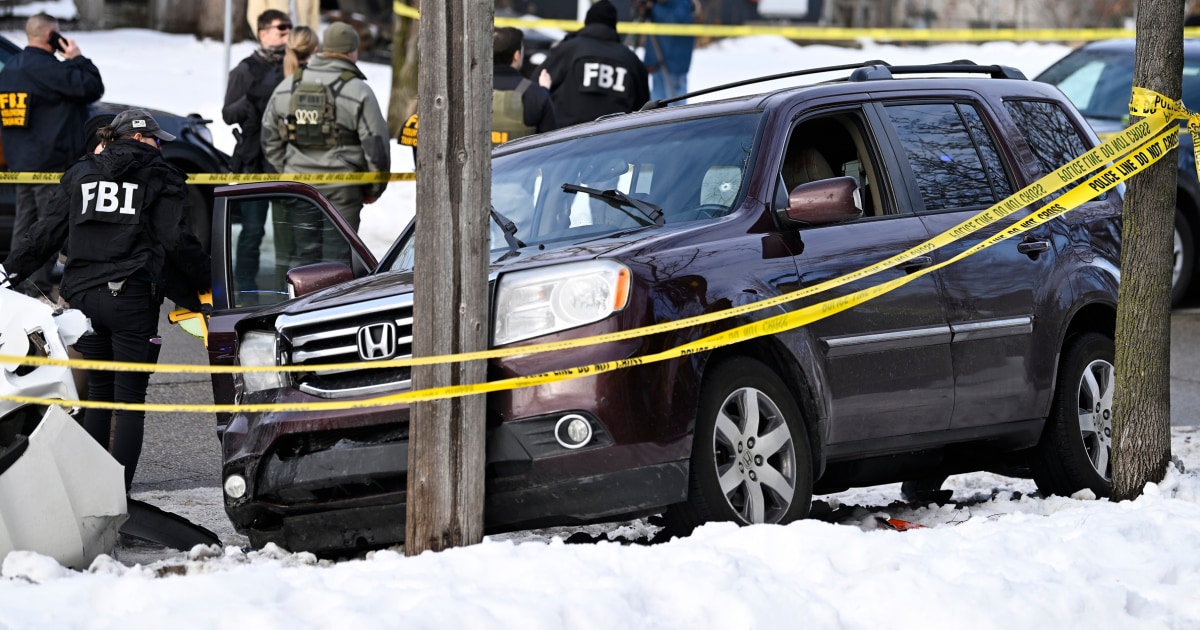
On a Wednesday morning that began like any other in Minneapolis, a tragic and alarming event unfolded, casting a shadow over the local community and igniting a heated national debate about immigration enforcement. An Immigration and Customs Enforcement (ICE) agent shot and killed 37-year-old Renee Nicole Good, a mother and U.S. citizen, during an immigration-related operation where she appeared to be an innocent bystander rather than a target.
The Context of the Incident
This shooting took place amid a nationwide push for more aggressive immigration enforcement, initiated under the previous administration. Minneapolis was particularly affected, with ICE operations ramping up significantly since December, leading to over 1,400 arrests—an alarming increase compared to the roughly 300 made earlier in the month. As tension built, Minneapolis residents found themselves caught in a complex situation rife with conflicting narratives and rising fears.
Conflicting Narratives
Witnesses and officials have provided differing accounts of what transpired that day. Department of Homeland Security (DHS) spokesperson Tricia McLaughlin claimed that Good “weaponized her vehicle,” alleging she attempted to run over law enforcement. However, Minneapolis Mayor Jacob Frey vehemently rejected this narrative, describing it as an attempt to justify an unjustifiable act. “Having seen the video… I want to tell everybody directly that is b—s—,” Frey stated during a news conference.
Witness testimonies further complicate the matter. Many described Good as fleeing the scene out of panic rather than aggression. Aidan Perzana, who saw the event unfold, noted, “There was plenty of space between the officers at that point for the vehicle to make it through,” adding that it appeared Good was trying to escape rather than harm anyone.
The Reaction from Authorities
In the aftermath of the shooting, officials expressed varying views on the appropriateness of ICE’s actions. Minneapolis Police Chief Brian O’Hara raised concerns about the tactics employed by the agents, emphasizing that shooting into a vehicle of someone who does not appear armed is a deeply troubling decision. This sentiment resonated throughout the community, igniting anger among residents who gathered to protest shortly after the incident.
The Protests
Local citizens took to the streets, vocalizing their opposition to federal enforcement tactics. Many saw the shooting as a symbol of a broader issue—the aggressive measures taken by ICE agents that can escalate into violence and tragedy. Video footage appeared on social media, showing crowd reactions as individuals began chanting and throwing snowballs toward the federal agents. Law enforcement responded with pepper spray and tear gas, further exacerbating tensions in the neighborhood.
Official Statements and Responses
Following the incident, DHS Secretary Kristi Noem labeled the situation as “domestic terrorism,” a characterization that drew immediate scrutiny. She claimed that the ICE agent involved had previously suffered violence while on duty, attempting to provide context for the use of lethal force. However, many locals and law enforcement experts questioned the justification of such a response.
Community Sentiment
The sentiments expressed by community members paint a vivid picture of a neighborhood grappling with fear and confusion. Witness Emily Heller described the chaotic scene as she observed agents confront Good. “They went up to her car and started trying to open her door… And as she was trying to move forward, one of the ICE agents stepped in front of her vehicle and reached across the hood and fired his weapon,” she recounted.
Residents like the Perzanas expressed their shock and dismay. They love their neighborhood and view it as a vibrant community filled with art and friendly gatherings. To them, the incident turned a normal day into a point of deep concern about safety, law enforcement conduct, and the broader implications of aggressive immigration policies.
Immigration Enforcement in the Spotlight
As local officials and community leaders grapple with the implications of this shooting, the national conversation around immigration enforcement continues to evolve. President Trump’s administration had prioritized a hardline stance on immigration, bolstering ICE’s presence in cities across the country. Minneapolis has become a focal point for these tactics, with the city preparing itself for ongoing confrontations between law enforcement and residents unhappy with the approach.
Conclusion
As Minneapolis navigates the aftermath of this tragic incident, the questions surrounding the use of lethal force during immigration operations remain urgent and unresolved. The community’s response highlights not only local concerns regarding safety and justice but also a growing national discourse on immigration policies and the human cost of enforcement tactics. The shooting of Renee Nicole Good serves as a sobering reminder of the complexities involved in the intersecting realms of law enforcement, immigration policy, and community safety.
US News
Live Updates: Death Toll from Iran Protests, Iranian Threats to the U.S., Execution of Erfan Soltani Postponed
The New Era of Misinformation: AI-Generated Videos Amid Iran’s Protests
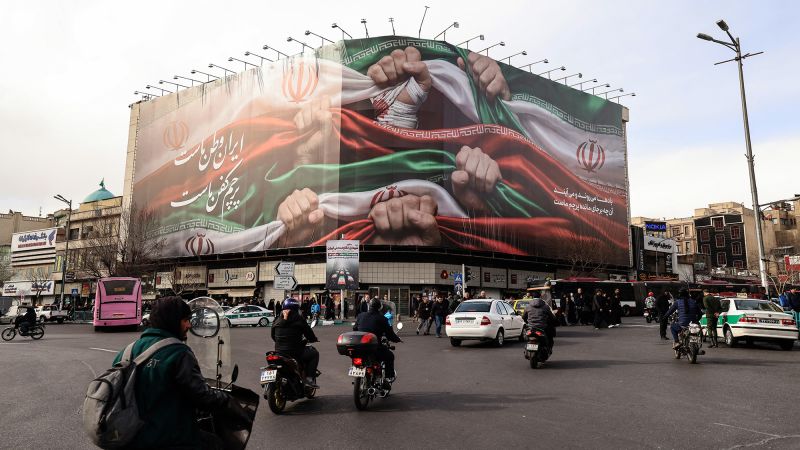
In recent times, the use of artificial intelligence (AI) to generate videos has raised significant concerns regarding the authenticity of information shared online. A disinformation watchdog group in the U.S. has reported that several videos purporting to show protests in Iran have been fabricated using AI, particularly in light of the recent internet blackout in the country. This development not only complicates the verification process for such footage but also poses serious questions about the nature of truth in the digital age.
AI and Misinformation
NewsGuard, the organization that uncovered this disinformation, highlights that it identified at least seven AI-generated videos shared by both pro- and anti-government accounts. These videos, framing the ongoing unrest in Iran, have attracted considerable attention, with some clips garnering as many as 3.5 million views. The ease with which AI can replicate realistic video footage complicates efforts to discern what is real and what is artificially created.
Under Scrutiny: Specific Instances
One particularly notable video showed women protesters smashing a vehicle claimed to belong to the Basij, a volunteer paramilitary group in Iran famed for its role in suppressing demonstrations. This clip received an impressive 719,600 views and 5,700 likes in just a day. However, an analysis using Hive, a detection tool, revealed a 100 percent likelihood that the footage was indeed generated by AI. The video displayed unmistakable signs of manipulation, such as distorted glass shards and misspelled words, raising alarms about its credibility.
The Phenomenon of AI-Generated Content
Another striking example involved videos shared by conservative, anti-regime accounts in the U.S., claiming to show Iranian protesters altering street signs to symbolically rename them after former President Donald Trump. This clip alone managed to achieve 91,000 views and 7,100 likes within 24 hours. Still, NewsGuard’s analysis confirmed with 100 percent certainty that it, too, was created by AI. Such instances not only highlight the power of AI to craft convincing narratives but also point to the potential for widespread misinformation.
The Human Cost of Unrest
As the situation in Iran has escalated, the human toll has been staggering. According to the U.S.-based Human Rights Activists News Agency (HRANA), at least 2,400 demonstrators have lost their lives since protests began in December. The ongoing internet blackout compounds the tragedy, making it exceedingly difficult to confirm accurate death tolls and raising the chilling possibility that the actual number of casualties may be far higher.
The Internet Blackout and Its Implications
The internet monitoring group NetBlocks has confirmed that Iran has been largely cut off from the internet for over a week, following the government-imposed nationwide shutdown. This blackout severely restricts the flow of information and hampers the dissemination of images, videos, and eyewitness accounts. In such an environment, the reliance on trusted sources diminishes, making the population more susceptible to fabricated content.
Communication in a Blackout
Despite the significant communication hurdles posed by the blackout, some news outlets like CNN have managed to connect with individuals on the ground during fleeting moments when landline or mobile calls are possible. These brief communications offer invaluable insights into the actual circumstances faced by those in Iran, illuminating a stark contrast to the potentially misleading narratives generated by AI.
Navigating the New Landscape of Information
The current situation underscores the urgent need for critical media literacy and discerning consumption of information. As AI technology continues to advance, distinguishing between real and fake visual content becomes increasingly challenging. For audiences worldwide, awareness and vigilance have never been more crucial in navigating this complex landscape marked by rapid technological development and political upheaval.
In a time when trust in media and information sources is paramount, understanding the implications of AI-generated content in the context of ongoing crises like those in Iran is essential for informed discourse.
US News
Federal Officer Shoots Man Who Allegedly Fled Traffic Stop and Assaulted Officer, According to DHS
Incident Overview
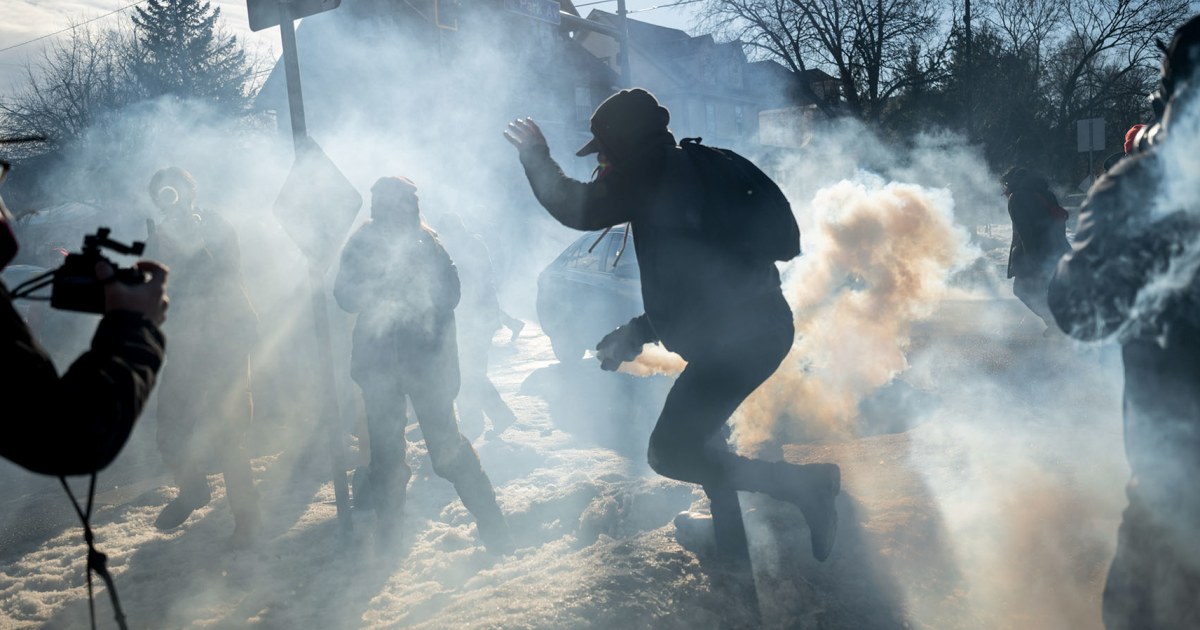
A serious altercation occurred in Minneapolis involving a federal officer and a Venezuelan man, culminating in the officer firing his weapon. According to a statement from the Department of Homeland Security, the encounter was characterized as an “ambush.” This incident unfolded on a seemingly ordinary evening, raising critical questions about safety, law enforcement practices, and the complexities of immigration.
The Initial Encounter
The altercation began around 6:50 p.m. when the officer was conducting a targeted traffic stop. The situation rapidly escalated when the man involved attempted to flee the scene in a vehicle. Unfortunately, in the chaos, he crashed into a parked car before abandoning the vehicle and running away. This decision to flee set the stage for an unexpected confrontation.
Pursuit and Assault
As the officer pursued the man, it was revealed that the individual was in the country illegally—adding another layer of complexity to the scenario. During the pursuit, the man allegedly assaulted the officer, increasing tensions dramatically. The altercation further intensified when two onlookers emerged from a nearby apartment, joining in the fray.
Unexpected Support and Escalation
The two individuals who intervened were armed with makeshift weapons—a snow shovel and a broom handle. Their involvement contributed to an already chaotic scene, as they joined the man in attacking the officer. The arrival of these individuals turned the situation from a pursuit into a full-blown ambush, leaving the officer in a dire predicament.
Defensive Action
Feeling threatened and fearing for his life due to the overwhelming assault from multiple attackers, the officer resorted to using his firearm in self-defense. The Department of Homeland Security stated that, during the struggle, the officer fired shots in a defensive manner, resulting in the Venezuelan man being shot in the leg. This event underscores the alarming realities that law enforcement officers face during high-pressure encounters.
Barricade and Arrest
Following the chaotic confrontation, the three men involved reportedly barricaded themselves inside the apartment. Law enforcement authorities responded swiftly and effectively, managing to apprehend all parties without further incident. The quick response ensured control of the situation and protected the surrounding community from potential escalation.
Medical Response
In the aftermath, both the officer and the man who was shot were transported to a local hospital for treatment. The urgency of this medical intervention highlights the physical dangers present in such confrontations and raises ongoing questions about the safety of officers in the line of duty. Critical details about their conditions and further information regarding the incident remain pending.
Community Impact
This incident serves as a stark reminder of the tensions surrounding law enforcement and community safety, particularly within complex immigration narratives. Each confrontation not only affects those directly involved but also resonates throughout the community, prompting discussions around law enforcement practices, public safety, and the multifaceted nature of immigration enforcement.
The unfolding consequences of the incident will likely spark dialogues about police protocols, community relations, and the broader implications of immigration within urban settings, reflecting emerging societal tensions that require careful consideration and response.
U.S. Special Envoy Steve Witkoff Announces Second Phase of Gaza Peace Plan
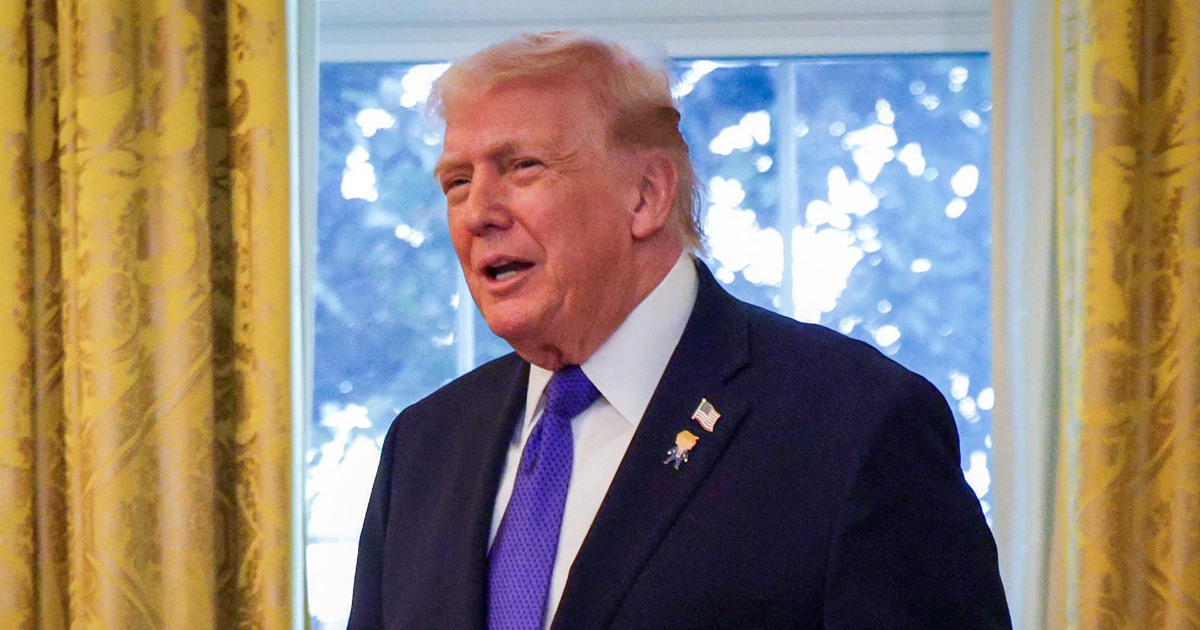
In a significant move today, U.S. special envoy Steve Witkoff revealed that the second phase of Trump’s 20-point Gaza peace plan is set to commence. This phase aims to transition from a fragile ceasefire to a structured process of demilitarization, technocratic governance, and reconstruction in Gaza.
Transitioning Governance: The National Committee for the Administration of Gaza
Witkoff emphasized that this phase will establish a transitional technocratic Palestinian administration, known as the National Committee for the Administration of Gaza (NCAG). This governing body is essential for facilitating the demilitarization and reconstruction of the region. The plan includes the critical disarmament of unauthorized personnel, yet the envoy refrained from divulging specific members of the governing committee or elaborating on the disarmament process.
Expectations from Hamas
A crucial aspect of the peace plan involves expectations set for Hamas. Witkoff stated that the group is expected to fully comply with its obligations, including the immediate return of the final deceased hostage. He warned that failure to meet these conditions would result in serious consequences, indicating a strong U.S. stance on accountability.
Mediators and Leadership
In a separate statement, Qatari, Egyptian, and Turkish mediators have confirmed that Dr. Ali Abdel Hamid Shaath will lead the Palestinian Technocratic Committee to Administer the Gaza Strip. Shaath is a notable figure, having previously served as a deputy minister for the Palestinian Authority. His leadership is anticipated to bring a level of expertise and experience crucial for navigating the complicated landscape of Gaza’s governance.
Humanitarian Context
The first phase of the peace plan primarily focused on achieving a ceasefire, coupled with an influx of essential humanitarian aid into Gaza. This included efforts for the return of all living and deceased hostages taken during the deadly Hamas attack on Israel on October 7, 2023. Although progress has been made, the ongoing humanitarian crisis remains alarming.
Currently, hundreds of thousands of Palestinians find themselves in crowded and unsanitary tent camps, exposed to harsh conditions amidst the rubble of their destroyed homes. Reports indicate that more than 400 individuals have lost their lives, with over 1,100 wounded since the ceasefire began, reflecting the dire circumstances still faced by many.
Gratitude to Mediating Nations
In his announcement, Witkoff expressed deep gratitude to Egypt, Turkey, and Qatar for their crucial roles in facilitating the ongoing mediation efforts. Their involvement has been instrumental in achieving the progress seen thus far in peace negotiations.
Witkoff’s comments indicate a carefully calibrated approach to the challenges facing Gaza, highlighting the delicate balance between ensuring security and addressing immediate humanitarian needs. As this next phase unfolds, the international community will keenly observe the developments that follow the announcement of the NCAG and the implications for peace in the region.

Wisconsin Democrats Unveil Series of Election Bills Before Midterms | Politics

A Jet in the Woods: The Aircraft That Never Crashed and the Questions No One Has Answered

ICE No. 2 Exits Position to Enter Run for Ohio’s Battleground House District

Willamette MBA Rises to 97th Place in U.S. News Rankings

Performance of Major US Stock Indexes on Thursday, January 15, 2026

Dow, S&P 500, and Nasdaq Hold Steady as Wall Street Concludes a Turbulent Week

Live Updates: Death Toll from Iran Protests, Iranian Threats to the U.S., Execution of Erfan Soltani Postponed

Ensuring Safety in Every Neighborhood: CMPD Reports Decline in Violent Crime

Strengthening MIT’s Ties with Japan | MIT News

It Took 35 Years for T. rex to Reach Full Maturity

EXCLUSIVE: Will Smith’s Former Best Friend Bilaal Breaks Silence in Explosive Tasha K Interview — Lawsuit, Scientology Allegations, and Claims of an Attempt on His Life

Four Forecasts for 2026

Carbon Industries Group Signs Major Carbon Credit Agreements with Senegalese Government | Currency News | Financial and Business Insights

2026 NFL Coaching Update: John Harbaugh Nearing Deal with Giants; Mike Tomlin Not Expected to Coach Next Season

Top Picks from CES 2026: Editors Select the Best Products and Technologies

Elon Musk’s Return to Politics: Why Not Explore a New Hobby Instead? | Arwa Mahdawi

Blueprint for a “Tax-Free America” That Actually Works

Who Is Really Voting in These Polls? The Shocking Truth Behind America’s Approval Numbers

Wall Street Sees Modest Gains in Unsteady Start to 2026 | News, Sports, Jobs

Nvidia’s Groq Acquisition Highlights How the AI Chip Leader Leverages Its Robust Balance Sheet to Maintain Dominance

The Most dramatic cats moments ever! 😂🤣 Funny Cat Videos 2025

Jennette McCurdy shares the stories behind memoir “I’m Glad My Mom Died”

Splash Dogs Take Over The Pool…And We Love It! | Dodo Kids | 1 Hour Of Animal Videos

The Funniest Animal Videos Compilation 😹🐶 Crazy Funny Dogs That Will Make You Laugh Nonstop 🤣

#54 Funniest Cats And Dogs videos 🐶🐱 #funny #animals #cuteanimals

Hilarious Animal Videos to Make You Laugh | Funny Dog & Cat Videos

Super Crazy Pets | FUNNIEST Animals You Have Ever Seen

Funniest Farm Animals

Funny Animal Videos 2023 – Comedy Voiceover! #12😹🐶🤣

Best Of The Funny Animal Videos 😹🐶 Funniest Cat & Dog Moments Ever Recorded 🤣
-
 Entertaiment2 weeks ago
EXCLUSIVE: Will Smith’s Former Best Friend Bilaal Breaks Silence in Explosive Tasha K Interview — Lawsuit, Scientology Allegations, and Claims of an Attempt on His Life
-
 Finance2 weeks ago
Four Forecasts for 2026
-
 Finance1 week ago
Carbon Industries Group Signs Major Carbon Credit Agreements with Senegalese Government | Currency News | Financial and Business Insights
-
 Sports9 hours ago
2026 NFL Coaching Update: John Harbaugh Nearing Deal with Giants; Mike Tomlin Not Expected to Coach Next Season
-
 Technology3 days ago
Top Picks from CES 2026: Editors Select the Best Products and Technologies
-
 Politics1 week ago
Elon Musk’s Return to Politics: Why Not Explore a New Hobby Instead? | Arwa Mahdawi
-
 Opinion16 hours ago
Blueprint for a “Tax-Free America” That Actually Works
-
 Opinion16 hours ago
Who Is Really Voting in These Polls? The Shocking Truth Behind America’s Approval Numbers