
Politics
Petro: Colombia Collaborating with the US Amidst Threats and Insults | Politics News


Gustavo Petro’s Call for Dialogue and Stability in Venezuela
In a recent interview with Al Jazeera, Colombian President Gustavo Petro made headlines with his passionate advocacy for “shared government through dialogue” in Venezuela. This comes amid heightened tensions and a backdrop of political instability following the U.S. military’s controversial actions in the region.
Open Lines of Communication with the U.S.
Petro underscored the significance of maintaining communication with the United States, even amidst fiery rhetoric from former President Donald Trump, who has recently threatened military action against Colombia. During the interview, Petro expressed a desire for collaboration, particularly in combating narcotics trafficking, as a way to stabilize the region. “I have been careful – despite the insults and threats – to maintain cooperation on drug trafficking between Colombia and the United States,” he stated, indicating his pragmatic approach to an often fraught relationship.
Tensions Between Trump and Petro
The recent escalation in U.S.-Colombia relations can be traced back to Trump’s alarming remarks following the military abduction of Venezuelan President Nicolás Maduro. Trump called Petro a “sick man” and accused him of involvement in cocaine production, claims that raised eyebrows for their lack of evidence. Notably, Trump suggested that if it were up to him, military action against Colombia would be justified, creating a precarious atmosphere for Petro’s government.
In response to these threats, Petro has positioned himself as a staunch defender of Colombian sovereignty, asserting that he would “take up arms” if necessary. This declaration underscores both his resolve and the serious concerns he faces regarding U.S. intervention.
A Call for Peaceful Dialogue in Venezuela
As tensions rise, Petro has echoed a sentiment that the political chaos in Venezuela could spiral into violence if decisive action isn’t taken. In his interview, he cautioned that a deteriorating situation post-Maduro could lead to disastrous consequences, not only for Venezuela but for the entire region. “What I have proposed is a shared government through dialogue among all the political forces in Venezuela and a series of steps towards elections,” he explained, outlining a vision that prioritizes communication and collaborative governance.
Petro has interacted with Venezuela’s interim President Delcy Rodriguez, expressing concerns that she too faces significant pressures and accusations that complicate her governance. This shared experience of navigating political treachery serves as a basis for Petro’s push for dialogue among Venezuela’s fragmented political landscape.
The Humanitarian Aspect
At the heart of Petro’s discourse is a deep concern for the humanitarian implications of political instability. He recognizes that cycles of violence and socio-political turmoil often exacerbate the suffering of civilians. The idea of “shared government through dialogue” is, therefore, not just a political strategy; it reflects a commitment to prioritize peace and stability for people who have endured longstanding hardships.
By advocating this approach, Petro aims to foster an environment conducive to electoral processes that could restore democracy and help rebuild trust among Venezuelans. He emphasizes that a multi-faceted dialogue among varying political factions is essential for sustainable governance.
Broader Implications in Latin America
Petro’s remarks resonate with a larger vision for Latin America, where historical tensions have often led to conflict rather than collaboration. His suggestion of dialogue and shared governance raises the stakes for not only Colombia and Venezuela but for the entire region, inviting other nations to consider similar paths toward reconciliation and unity.
Closing Thoughts
In a landscape marked by divisive politics and threats of aggression, Gustavo Petro’s appeal for dialogue in Venezuela shines a light on the importance of diplomacy. He illustrates that despite the difficulties ushered in by U.S.-Colombia tensions, a commitment to open dialogue and cooperative governance can pave the way for a more stable and peaceful future.
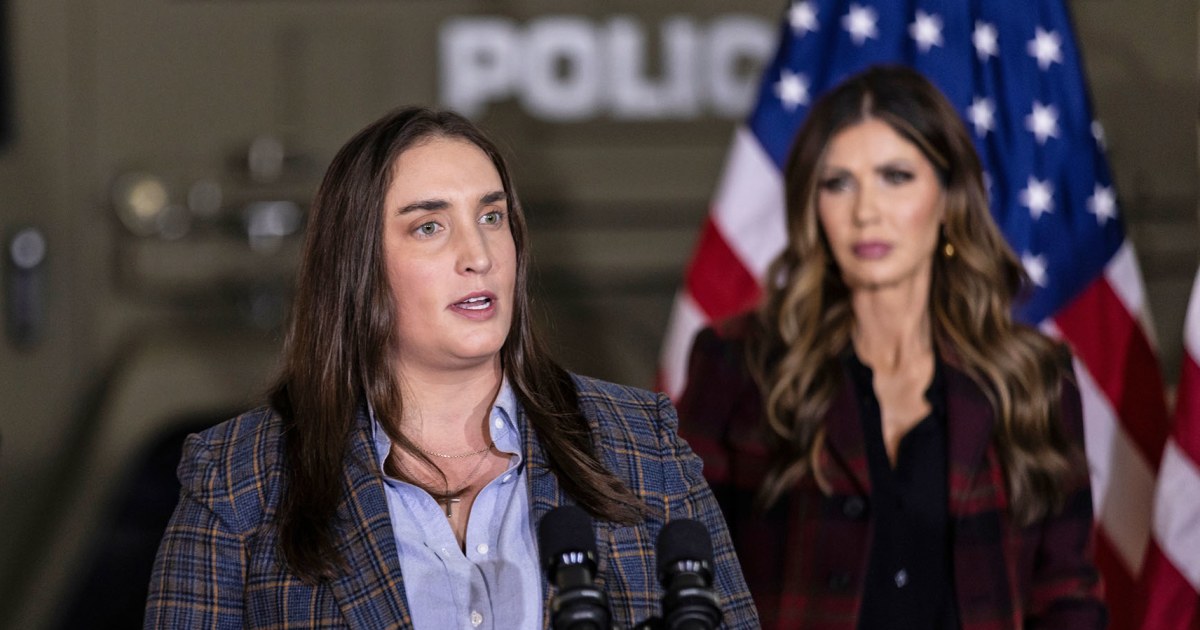
Madison Sheahan Resigns from ICE to Run for Congress in Ohio
On Thursday, Madison Sheahan, the Deputy Director of Immigrations and Customs Enforcement (ICE), made headlines with her announcement to resign from her post and launch a Congressional campaign in Ohio. This move places her squarely into a highly competitive Republican primary race for a seat in the state that has grown more favorable to GOP candidates due to recent redistricting efforts.
Campaign Launch and Positioning
In a video announcing her candidacy, Sheahan was quick to leverage her ICE experience while launching a pointed attack on her opponent, Democratic Representative Marcy Kaptur. She asserted, “In less than one year at ICE, I’ve stopped more illegal immigration than Marcy Kaptur has in her 43 years in Washington.” This statement underscores her strategy of framing herself as a proactive, reform-minded candidate ready to challenge the status quo in Congress.
Sheahan’s remarks not only highlight her accomplishments but also aim to resonate with constituents who prioritize immigration issues. “Ohio neighborhoods are safer, thanks to President Trump and ICE,” she stated, adding a personal touch by invoking her family background in farming, emphasizing a down-to-earth perspective on accountability and success.
The Competitive Landscape
Sheahan’s entry into the race adds to a growing field of Republican candidates vying for a chance to unseat Kaptur, who has represented the district since 1983. As of now, the GOP primary field boasts more than half a dozen candidates, including state Rep. Josh Williams and Derek Merrin, a former state lawmaker who previously ran against Kaptur. The primary is slated for May 5, making it a critical moment for all contenders.
While Republican candidates engage in what is anticipated to be a “messy primary,” Kaptur’s campaign is focused on addressing local issues. A spokesperson for her campaign noted, “Congresswoman Kaptur is focused on delivering real results for her constituents,” mentioning her efforts to lower living costs, safeguard access to healthcare, and attract significant investments into Northwest Ohio.
The Political Context
The timing of Sheahan’s campaign coincides with a crucial election year for House Republicans, who are bracing for races in districts that have shifted dramatically due to redistricting. Recently, the Ohio legislature redrew the boundaries of the 9th District to create a more GOP-friendly electorate. Historical voting patterns have shown that under the new district lines, Trump would have secured a win in Kaptur’s district by a margin of 11 percentage points, a substantial shift from the previous 7-point advantage.
However, even with these favorable changes, the race is still forecasted as a “Toss Up” by the nonpartisan Cook Political Report. Kaptur narrowly defeated Merrin in the 2024 general election, illustrating the district’s competitive nature and reflecting broader trends in which Democrats can still prevail in battleground areas.
Trump’s Influence on the Race
Former President Trump’s involvement in this election cycle is also noteworthy. Previous endorsements have played a vital role in swaying GOP primary outcomes, as evidenced by his support for Merrin in the last cycle. However, Trump has yet to express any formal backing for candidates in this particular primary, leaving the field open for contenders like Sheahan to foster their campaigns independently, while positioning themselves as aligned with Trump’s immigration policies and agenda.
Sheahan’s Credentials and Messaging
Sheahan’s campaign messaging heavily emphasizes her work under the Trump administration, particularly her involvement in efforts to bolster ICE operations. In her launch video and resignation letter, she detailed her commitment to addressing immigration challenges. “When the call came to help President Trump clean up the dangerous immigration mess, as Deputy Director of ICE, I answered the call,” she stated, signaling to voters her dedication to law and order.
By focusing on her operational experience and family values, Sheahan seeks to cultivate a relatable and authoritative image. Her journey from a federal agency to a potential seat in Congress encapsulates a broader narrative of candidates leveraging their professional backgrounds as qualifications for public office.
The Road Ahead
As the primary election draws nearer, Sheahan’s campaign will likely intensify, emphasizing her immigration record and contrast with Kaptur’s long tenure in Washington. In a district that remains closely watched, the unfolding dynamics will be crucial not only for the candidates involved but also for the Republican Party’s overarching strategy as it aims to retain and potentially expand its influence in the House of Representatives.

The Fragile Hope of Political Prisoner Releases in Venezuela
CARACAS, Venezuela — The announcement that Venezuela would release an “important number” of political prisoners stirred a fragile joy among families and advocates. However, this optimism quickly morphed into anguish as the realities of the situation unfolded. Despite the government’s promises, only a fraction of the estimated 800 political prisoners were freed, leaving many families, like that of María Constanza Cipriani, in a state of limbo and anxiety.
A Personal Toll
María Constanza Cipriani waits anxiously for news of her husband, Perkins Rocha, detained for nearly 19 months. A lawyer representing opposition leader and Nobel Peace Prize recipient María Corina Machado, Rocha was arrested following the controversial 2024 elections. He spent a harrowing year incommunicado at El Helicoide prison, infamous for its brutal conditions. Though recent phone calls from Rocha reveal him to be “serene” and “calm,” the lack of transparency regarding prisoner releases leaves Cipriani feeling victimized all over again.
“Where does this process even stand?” she questions, relying on dubious social media reports for information. This uncertainty encapsulates the emotional toll that families endure amid the opaque actions of the Venezuelan government.
Government’s Opaque Process
Acting Venezuelan President Delcy Rodríguez assured the public that the release process is ongoing, suggesting developments in a “new political moment.” Yet, the lack of detailed communication raises eyebrows. Reports fluctuated wildly with Rodríguez stating that “166 prisoners” had been freed, only for her brother, Jorge Rodríguez, to later declare that over 400 had been released. Human rights organizations, such as Foro Penal, contest these claims, citing only 79 verifiable releases.
Adding to the chaos, the State Department confirmed the release of several Americans and other foreigners detained in Venezuela. Diego Casanova of the Committee for the Freedom of Political Prisoners revealed that anxious families have been gathered outside prisons waiting for confirmations. The rumor mill continues to churn, but many are left without answers.
The Reality for Released Prisoners
For many former political prisoners, freedom is not as straightforward as it seems. Released individuals are often still seen through the lens of the government’s narrative, accused of “breaking the law” rather than being recognized as victims of political repression. Court mandates require them to check in periodically, perpetuating a cycle of control even after their physical release.
Casanova expresses concern: “If only partial releases occur, it means the repressive policy continues.” He emphasizes the need for the full and immediate release of all political detainees to ensure genuine reform.
Crackdown on Civilian Responses
The Venezuelan government remains vigilant against any perceived dissent. Recent instances highlight this: in Anzoátegui state, a group of minors was arrested for allegedly celebrating the U.S. operation to capture Nicolás Maduro. Following parental pressure and community support, the minors were released, but two 18-year-olds remain in custody, underscoring the government’s ongoing suppression of political expression.
International Diplomacy and Internal Tensions
While the interim government seeks to navigate its precarious position, contacts between U.S. leadership and Venezuela are ongoing. President Donald Trump recently referred to his discussions with Rodríguez as “positive,” marking a pivotal moment in U.S.-Venezuelan relations. However, there remain underlying tensions, particularly regarding the viability of Maduro’s opponents. Machado, recently in the U.S., urged for a clear stance against the continued detention of political prisoners, urging for genuine democratic transitions.
Their collective voice underscores a profound truth: “Venezuela cannot be truly free as long as anyone faces persecution for their political beliefs.” This sentiment resonates in a country where the threat of repression looms large.
Tragic Losses and Ongoing Struggles
Amid the turmoil, the death of Edilson Torres underscores the tragic consequences of the regime’s policies. Torres, held incommunicado for criticizing the government, died of a heart attack while awaiting what many had hoped would be his release. His death marks yet another casualty in a long line of tragedies linked to the Venezuelan government’s disregard for human rights.
As the political landscape shifts and the fates of countless prisoners hang in the balance, the resilience of families and the fight for justice remain at the forefront of Venezuela’s tumultuous journey.

Nathan Fletcher Returns to Politics as a Lobbyist
Nathan Fletcher, a familiar name in San Diego’s political landscape, has recently resurfaced, but this time in a new capacity: as a lobbyist. Known as the former chair of the San Diego County Board of Supervisors, Fletcher is now advocating for psychedelic-assisted therapy for veterans, representing the organization Veterans Exploring Treatment Solutions (VETS).
A Controversial Exit from Public Office
Fletcher’s departure from public office in 2023 was anything but conventional. Following the filing of a sexual misconduct lawsuit by Grecia Figueroa, a former employee of the Metropolitan Transit System, he stepped down. While Fletcher confirmed a consensual affair with Figueroa, he has vehemently denied any misconduct. This tumultuous chapter in his career marked a sudden exit from the political sphere, compounded by his decision to withdraw from a state Senate run.
Legal Battles and Public Silence
The lawsuit against Fletcher dominated headlines and unfolded over more than two years. During this time, he largely receded from public view, only to emerge after a San Diego County Superior Court judge dismissed the case last summer. At a subsequent press conference, Fletcher revealed his “no intention of returning to public office,” yet it was revealed he had registered as a statehouse lobbyist just a week post-dismissal.
Lobbying for Psychedelic Therapy
Fletcher’s lobbying firm, Arrow Advisors, is working closely with VETS, a nonprofit dedicated to expanding access to psychedelic-assisted therapies, specifically for veterans grappling with post-traumatic stress disorder (PTSD) and other mental health challenges. As a Marine Corps veteran himself, Fletcher’s personal experiences with PTSD have informed his advocacy. He has openly discussed the benefits he received from psychedelic treatments, including a therapeutic retreat in Mexico, which he described as “truly transformative.”
VETS’ Honorable Mission
VETS, co-founded by Amber Capone and her husband Marcus, champions the cause of psychedelic research for veterans. Capone has expressed gratitude for Fletcher’s contributions, highlighting his vital role in passing California’s AB 1103. This legislation aims to boost research into psychedelic treatments. In a public statement, she said, “We’re honored to have Nathan on our team as we continue fighting for the policies and research that can help end veteran suicide.”
A New Chapter in Sacramento
Political commentators suggest that Fletcher’s military background adds significant credibility to his lobbying efforts. Chris Micheli, a veteran lobbyist in Sacramento, noted that having a former service member advocating for mental health initiatives resonates powerfully within the legislative framework. “Sometimes the messenger is just as important as the message,” Micheli remarked, emphasizing the trust and authenticity Fletcher brings to the table.
The Ripple Effects of His Departure
Fletcher’s exit from the Board of Supervisors created a ripple effect, leading to a series of special elections that reshaped local politics. His anticipated rise to the state Senate seat, traditionally held by Toni Atkins, was disrupted, allowing other candidates like Dr. Akilah Weber to make their mark in the race.
Financial and Legal Complexities
Navigating the legal fallout from the lawsuit proved financially burdensome for Fletcher, who reportedly spent over $870,000 in unspent campaign funds to finance his legal defense. This raised eyebrows and even prompted an investigation by the California Fair Political Practices Commission regarding the use of campaign contributions for legal fees.
Life After Politics
Since stepping back from the public eye, Fletcher has adopted a quieter lifestyle. In a recent press conference, he described spending time working on ranches and reconnecting with nature, indicating a shift from his previous high-profile political life. His current living arrangements include a family ranch in Arkansas and a mountain cabin in Big Bear, California, reflecting a desire for tranquility after a turbulent few years.
A Financial Overview
In terms of financial agreements, VETS has compensated Fletcher’s lobbying firm $1,400 for services rendered from July to September of last year. This marks a new phase for Fletcher as he endeavors to combine his personal experiences and professional expertise into advocacy efforts aimed at improving the lives of veterans.
Nathan Fletcher’s journey from a prominent political figure to a passionate advocate for veterans underscores a complex narrative of personal challenges and professional reinvention, as he strives to make a meaningful impact in an area that aligns closely with his own experiences.

A Jet in the Woods: The Aircraft That Never Crashed and the Questions No One Has Answered

ICE No. 2 Exits Position to Enter Run for Ohio’s Battleground House District

Willamette MBA Rises to 97th Place in U.S. News Rankings

Performance of Major US Stock Indexes on Thursday, January 15, 2026

Dow, S&P 500, and Nasdaq Hold Steady as Wall Street Concludes a Turbulent Week

Live Updates: Death Toll from Iran Protests, Iranian Threats to the U.S., Execution of Erfan Soltani Postponed

Ensuring Safety in Every Neighborhood: CMPD Reports Decline in Violent Crime

Strengthening MIT’s Ties with Japan | MIT News

It Took 35 Years for T. rex to Reach Full Maturity

2026 NFL Coaching Update: John Harbaugh Nearing Deal with Giants; Mike Tomlin Not Expected to Coach Next Season

EXCLUSIVE: Will Smith’s Former Best Friend Bilaal Breaks Silence in Explosive Tasha K Interview — Lawsuit, Scientology Allegations, and Claims of an Attempt on His Life

Four Forecasts for 2026

Carbon Industries Group Signs Major Carbon Credit Agreements with Senegalese Government | Currency News | Financial and Business Insights
2026 NFL Coaching Update: John Harbaugh Nearing Deal with Giants; Mike Tomlin Not Expected to Coach Next Season

Elon Musk’s Return to Politics: Why Not Explore a New Hobby Instead? | Arwa Mahdawi

Top Picks from CES 2026: Editors Select the Best Products and Technologies

Blueprint for a “Tax-Free America” That Actually Works

Who Is Really Voting in These Polls? The Shocking Truth Behind America’s Approval Numbers

Wall Street Sees Modest Gains in Unsteady Start to 2026 | News, Sports, Jobs

Best Of The Funny Animal Videos 😹🐶 Funniest Cat & Dog Moments Ever Recorded 🤣

The Most dramatic cats moments ever! 😂🤣 Funny Cat Videos 2025

Jennette McCurdy shares the stories behind memoir “I’m Glad My Mom Died”

Splash Dogs Take Over The Pool…And We Love It! | Dodo Kids | 1 Hour Of Animal Videos

The Funniest Animal Videos Compilation 😹🐶 Crazy Funny Dogs That Will Make You Laugh Nonstop 🤣

#54 Funniest Cats And Dogs videos 🐶🐱 #funny #animals #cuteanimals

Hilarious Animal Videos to Make You Laugh | Funny Dog & Cat Videos

Super Crazy Pets | FUNNIEST Animals You Have Ever Seen

Funniest Farm Animals

Funny Animal Videos 2023 – Comedy Voiceover! #12😹🐶🤣
Best Of The Funny Animal Videos 😹🐶 Funniest Cat & Dog Moments Ever Recorded 🤣
-
 Entertaiment2 weeks ago
EXCLUSIVE: Will Smith’s Former Best Friend Bilaal Breaks Silence in Explosive Tasha K Interview — Lawsuit, Scientology Allegations, and Claims of an Attempt on His Life
-
 Finance2 weeks ago
Four Forecasts for 2026
-
 Finance1 week ago
Carbon Industries Group Signs Major Carbon Credit Agreements with Senegalese Government | Currency News | Financial and Business Insights
-
 Sports4 hours ago
2026 NFL Coaching Update: John Harbaugh Nearing Deal with Giants; Mike Tomlin Not Expected to Coach Next Season
-
 Politics1 week ago
Elon Musk’s Return to Politics: Why Not Explore a New Hobby Instead? | Arwa Mahdawi
-
 Technology3 days ago
Top Picks from CES 2026: Editors Select the Best Products and Technologies
-
 Opinion11 hours ago
Blueprint for a “Tax-Free America” That Actually Works
-
 Opinion11 hours ago
Who Is Really Voting in These Polls? The Shocking Truth Behind America’s Approval Numbers