
Politics
Nicaragua Releases Dozens of Prisoners in Response to Pressure from Trump Administration | Prison News

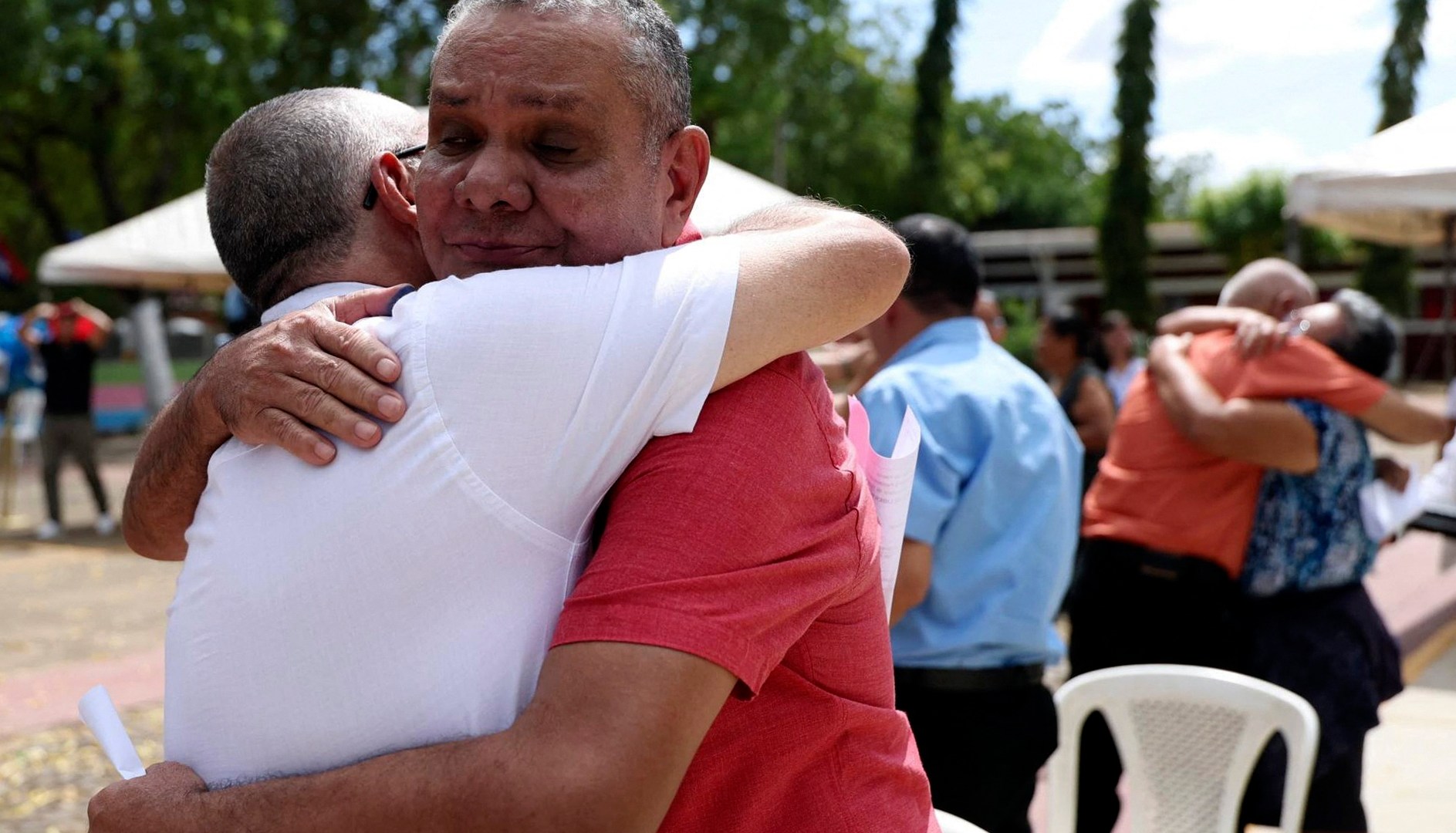
Nicaragua’s Prisoner Release Amid US Political Maneuvering
Opposition groups in Nicaragua have expressed skepticism over the government’s recent decision to release a number of prisoners, framing it as a calculated response to international pressure, particularly from the United States. The backdrop of this development includes escalating tensions following the abduction of Venezuela’s President Nicolas Maduro by US military forces, an action that has reverberated throughout Latin America.
Political Pressure and Human Rights Concerns
On January 10, 2026, the Nicaraguan government, led by President Daniel Ortega, announced the release of “dozens” of individuals from the national penitentiary system, framing the gesture as a way to commemorate the 19th anniversary of Ortega’s reign. However, specifics surrounding the number of individuals freed and whether they were political prisoners remain murky. This ambiguity raises questions about the government’s sincerity in addressing human rights abuses, especially given the U.S.’s ongoing scrutiny of Nicaragua’s record on human rights and its years-long campaign against dissent.
The United States, under what many have described as a strategy aimed at exerting its influence across Latin America, has publicly criticized Nicaragua for its treatment of opposition leaders and activists. Accelerated demands for reform and accountability from the U.S. come amid a growing chorus of voices throughout the region advocating for democratic principles.
The Influence of U.S. Actions in Venezuela
The situation took a dramatic turn earlier this month when U.S. forces conducted a military operation that resulted in the abduction of Venezuelan President Nicolas Maduro. Now facing charges of narcoterrorism and drug trafficking, allegations Maduro vehemently denies, his removal has created a ripple effect through Latin America. The U.S. has called attention to this upheaval as an opportunity for political change across neighboring regimes.
Following Maduro’s removal, the U.S. Embassy in Nicaragua commended the release of opposition figures in Venezuela, urging the Ortega government to follow suit by releasing its own political prisoners. Their statement underscored a stark reality: over 60 individuals remain unjustly detained in Nicaragua, including various societal leaders, from religious figures to activists.
Reactions from Opposition Groups
The release was met with cautious optimism from the opposition coalition “Liberales Nicaragua.” They asserted that the recent prisoner releases were not merely a benevolent gesture but rather the result of intense political pressure from the U.S. They described the actions by Ortega’s government as “political chess moves” linked to the evolving situation in Venezuela.
Notable figures freed include former mayor Oscar Gadea and evangelical pastor Rudy Palacios, who had been detained for voicing criticism against the government. Palacios’ support for demonstrators during the 2018 protests against Ortega’s regime reinforces the notion that many of those incarcerated had been targeted for their political beliefs.
The Broader Context of Political Repression
Nicaragua has faced significant international condemnation for its aggressive crackdown on dissent, particularly following nationwide protests in 2018. These protests, ignited by widespread dissatisfaction with Ortega’s leadership, turned deadly, resulting in over 350 fatalities and countless detentions. The reality of political repression casts a long shadow over any claims of reform or goodwill from the Ortega administration.
As discussions continue regarding the role of international diplomacy in human rights advocacy, the Nicaraguan government’s prisoner release serves as a critical example of the complex interplay between domestic politics, international pressure, and the persistent struggle for human rights in Latin America.
The Fragile Hope of Political Prisoner Releases in Venezuela
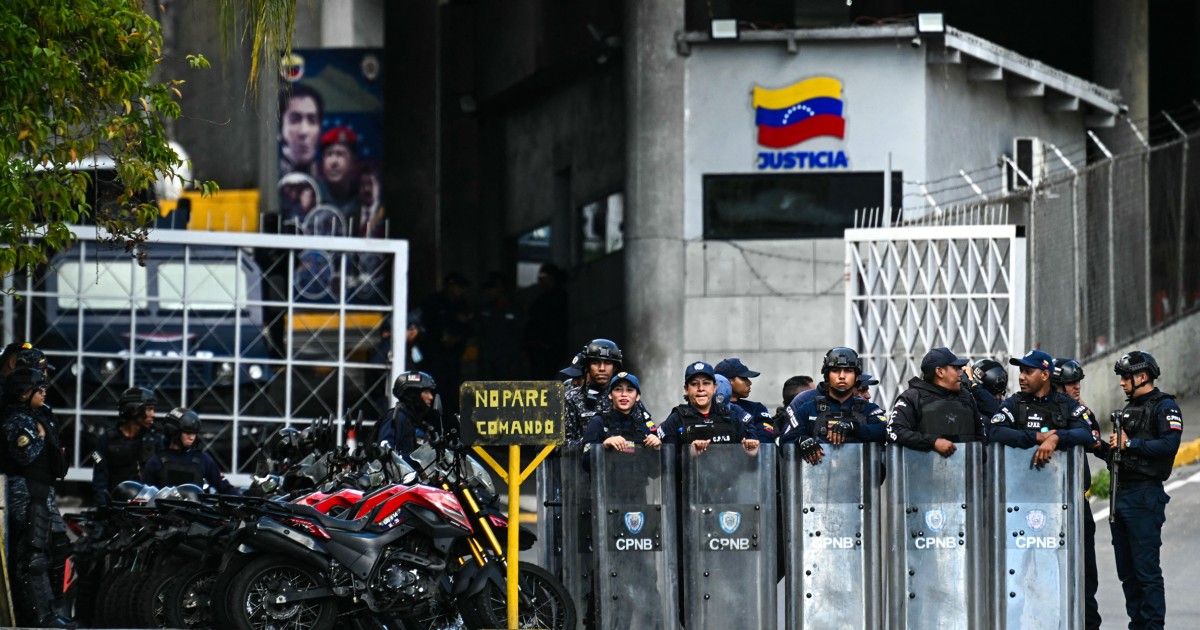
CARACAS, Venezuela — The announcement that Venezuela would release an “important number” of political prisoners stirred a fragile joy among families and advocates. However, this optimism quickly morphed into anguish as the realities of the situation unfolded. Despite the government’s promises, only a fraction of the estimated 800 political prisoners were freed, leaving many families, like that of María Constanza Cipriani, in a state of limbo and anxiety.
A Personal Toll
María Constanza Cipriani waits anxiously for news of her husband, Perkins Rocha, detained for nearly 19 months. A lawyer representing opposition leader and Nobel Peace Prize recipient María Corina Machado, Rocha was arrested following the controversial 2024 elections. He spent a harrowing year incommunicado at El Helicoide prison, infamous for its brutal conditions. Though recent phone calls from Rocha reveal him to be “serene” and “calm,” the lack of transparency regarding prisoner releases leaves Cipriani feeling victimized all over again.
“Where does this process even stand?” she questions, relying on dubious social media reports for information. This uncertainty encapsulates the emotional toll that families endure amid the opaque actions of the Venezuelan government.
Government’s Opaque Process
Acting Venezuelan President Delcy Rodríguez assured the public that the release process is ongoing, suggesting developments in a “new political moment.” Yet, the lack of detailed communication raises eyebrows. Reports fluctuated wildly with Rodríguez stating that “166 prisoners” had been freed, only for her brother, Jorge Rodríguez, to later declare that over 400 had been released. Human rights organizations, such as Foro Penal, contest these claims, citing only 79 verifiable releases.
Adding to the chaos, the State Department confirmed the release of several Americans and other foreigners detained in Venezuela. Diego Casanova of the Committee for the Freedom of Political Prisoners revealed that anxious families have been gathered outside prisons waiting for confirmations. The rumor mill continues to churn, but many are left without answers.
The Reality for Released Prisoners
For many former political prisoners, freedom is not as straightforward as it seems. Released individuals are often still seen through the lens of the government’s narrative, accused of “breaking the law” rather than being recognized as victims of political repression. Court mandates require them to check in periodically, perpetuating a cycle of control even after their physical release.
Casanova expresses concern: “If only partial releases occur, it means the repressive policy continues.” He emphasizes the need for the full and immediate release of all political detainees to ensure genuine reform.
Crackdown on Civilian Responses
The Venezuelan government remains vigilant against any perceived dissent. Recent instances highlight this: in Anzoátegui state, a group of minors was arrested for allegedly celebrating the U.S. operation to capture Nicolás Maduro. Following parental pressure and community support, the minors were released, but two 18-year-olds remain in custody, underscoring the government’s ongoing suppression of political expression.
International Diplomacy and Internal Tensions
While the interim government seeks to navigate its precarious position, contacts between U.S. leadership and Venezuela are ongoing. President Donald Trump recently referred to his discussions with Rodríguez as “positive,” marking a pivotal moment in U.S.-Venezuelan relations. However, there remain underlying tensions, particularly regarding the viability of Maduro’s opponents. Machado, recently in the U.S., urged for a clear stance against the continued detention of political prisoners, urging for genuine democratic transitions.
Their collective voice underscores a profound truth: “Venezuela cannot be truly free as long as anyone faces persecution for their political beliefs.” This sentiment resonates in a country where the threat of repression looms large.
Tragic Losses and Ongoing Struggles
Amid the turmoil, the death of Edilson Torres underscores the tragic consequences of the regime’s policies. Torres, held incommunicado for criticizing the government, died of a heart attack while awaiting what many had hoped would be his release. His death marks yet another casualty in a long line of tragedies linked to the Venezuelan government’s disregard for human rights.
As the political landscape shifts and the fates of countless prisoners hang in the balance, the resilience of families and the fight for justice remain at the forefront of Venezuela’s tumultuous journey.

Nathan Fletcher Returns to Politics as a Lobbyist
Nathan Fletcher, a familiar name in San Diego’s political landscape, has recently resurfaced, but this time in a new capacity: as a lobbyist. Known as the former chair of the San Diego County Board of Supervisors, Fletcher is now advocating for psychedelic-assisted therapy for veterans, representing the organization Veterans Exploring Treatment Solutions (VETS).
A Controversial Exit from Public Office
Fletcher’s departure from public office in 2023 was anything but conventional. Following the filing of a sexual misconduct lawsuit by Grecia Figueroa, a former employee of the Metropolitan Transit System, he stepped down. While Fletcher confirmed a consensual affair with Figueroa, he has vehemently denied any misconduct. This tumultuous chapter in his career marked a sudden exit from the political sphere, compounded by his decision to withdraw from a state Senate run.
Legal Battles and Public Silence
The lawsuit against Fletcher dominated headlines and unfolded over more than two years. During this time, he largely receded from public view, only to emerge after a San Diego County Superior Court judge dismissed the case last summer. At a subsequent press conference, Fletcher revealed his “no intention of returning to public office,” yet it was revealed he had registered as a statehouse lobbyist just a week post-dismissal.
Lobbying for Psychedelic Therapy
Fletcher’s lobbying firm, Arrow Advisors, is working closely with VETS, a nonprofit dedicated to expanding access to psychedelic-assisted therapies, specifically for veterans grappling with post-traumatic stress disorder (PTSD) and other mental health challenges. As a Marine Corps veteran himself, Fletcher’s personal experiences with PTSD have informed his advocacy. He has openly discussed the benefits he received from psychedelic treatments, including a therapeutic retreat in Mexico, which he described as “truly transformative.”
VETS’ Honorable Mission
VETS, co-founded by Amber Capone and her husband Marcus, champions the cause of psychedelic research for veterans. Capone has expressed gratitude for Fletcher’s contributions, highlighting his vital role in passing California’s AB 1103. This legislation aims to boost research into psychedelic treatments. In a public statement, she said, “We’re honored to have Nathan on our team as we continue fighting for the policies and research that can help end veteran suicide.”
A New Chapter in Sacramento
Political commentators suggest that Fletcher’s military background adds significant credibility to his lobbying efforts. Chris Micheli, a veteran lobbyist in Sacramento, noted that having a former service member advocating for mental health initiatives resonates powerfully within the legislative framework. “Sometimes the messenger is just as important as the message,” Micheli remarked, emphasizing the trust and authenticity Fletcher brings to the table.
The Ripple Effects of His Departure
Fletcher’s exit from the Board of Supervisors created a ripple effect, leading to a series of special elections that reshaped local politics. His anticipated rise to the state Senate seat, traditionally held by Toni Atkins, was disrupted, allowing other candidates like Dr. Akilah Weber to make their mark in the race.
Financial and Legal Complexities
Navigating the legal fallout from the lawsuit proved financially burdensome for Fletcher, who reportedly spent over $870,000 in unspent campaign funds to finance his legal defense. This raised eyebrows and even prompted an investigation by the California Fair Political Practices Commission regarding the use of campaign contributions for legal fees.
Life After Politics
Since stepping back from the public eye, Fletcher has adopted a quieter lifestyle. In a recent press conference, he described spending time working on ranches and reconnecting with nature, indicating a shift from his previous high-profile political life. His current living arrangements include a family ranch in Arkansas and a mountain cabin in Big Bear, California, reflecting a desire for tranquility after a turbulent few years.
A Financial Overview
In terms of financial agreements, VETS has compensated Fletcher’s lobbying firm $1,400 for services rendered from July to September of last year. This marks a new phase for Fletcher as he endeavors to combine his personal experiences and professional expertise into advocacy efforts aimed at improving the lives of veterans.
Nathan Fletcher’s journey from a prominent political figure to a passionate advocate for veterans underscores a complex narrative of personal challenges and professional reinvention, as he strives to make a meaningful impact in an area that aligns closely with his own experiences.
Politics
Trump to Meet Venezuelan Opposition Leader and Nobel Laureate Maria Corina Machado – Live Updates on US Politics | US News
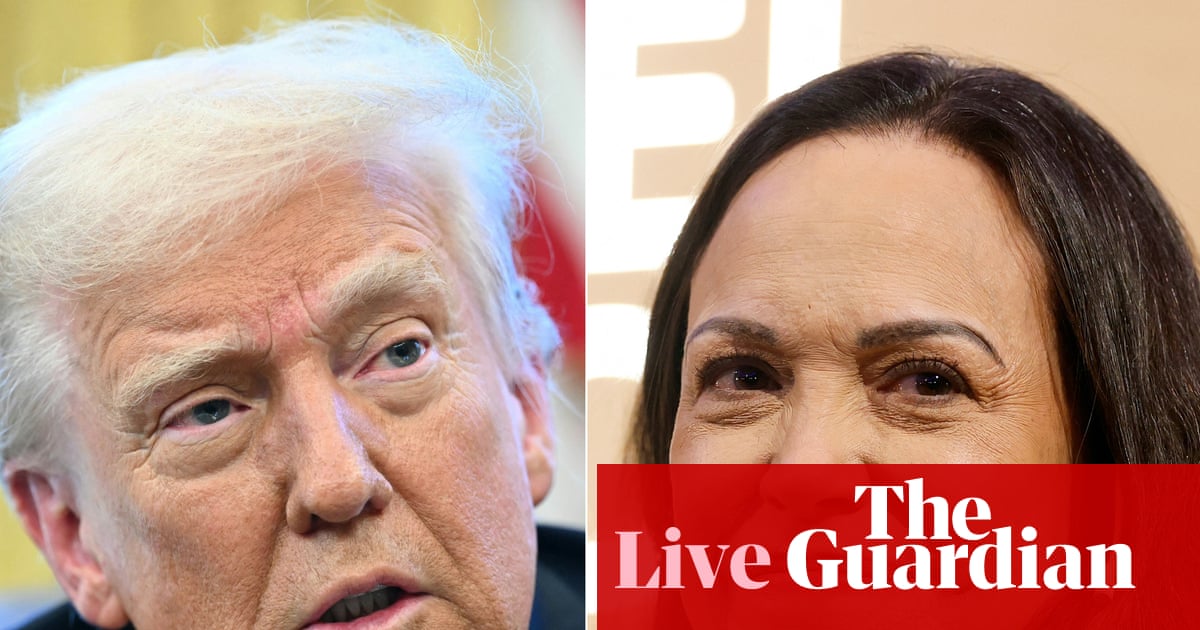
Trump Set to Meet Venezuelan Opposition Leader at the White House Today
Introduction: A New Chapter in U.S.-Venezuela Relations
Today marks a significant occasion in U.S. foreign policy, as President Donald Trump prepares to meet María Corina Machado, a key figure in the Venezuelan opposition, at the White House. This meeting is taking place against a backdrop of political upheaval in Venezuela, following the recent capture of former president Nicolás Maduro by U.S. military forces.
María Corina Machado: Who Is She?
María Corina Machado is not just a political leader but a celebrated figure in the struggle for democracy in Venezuela. With her party widely regarded as the legitimate winner of the 2024 elections—an outcome dismissed by Maduro’s administration—Machado’s political credibility is a source of contention. Though Trump has previously questioned her ability to lead Venezuela, referring to her as a “nice woman,” today’s meeting could reshape her role on the international stage.
The Context: Seizure of Maduro
Just two weeks ago, U.S. forces executed a bold operation to arrest Maduro and his wife, bringing them to trial in New York on charges related to drug trafficking. This audacious raid not only sparked debate within political circles but also highlighted shifting allegiances and potential new power dynamics within Venezuela. Trump’s decision to engage with Machado, despite previous ambivalence, underscores the complicated, yet pivotal, nature of current U.S.-Venezuela relations.
Trump’s Approach to Venezuelan Politics
Interestingly, Trump has exhibited an openness to collaborating with the current acting president, Delcy Rodríguez, who was Maduro’s vice president. This represents a nuanced strategy, as Rodríguez has signaled her intent to ease some tensions, including the release of prisoners detained under Maduro’s controversial regime. Recently, several Americans were freed, hinting at a complex negotiation landscape where engagement with multiple parties is paramount.
Recent Developments in U.S. Politics
In conjunction with this meeting, significant legislative actions have unfolded. The U.S. Senate recently voted against a war powers resolution aimed at limiting Trump’s military actions in Venezuela without prior Congressional approval. This marks a considerable shift, as even some Republican Senators, who initially supported the resolution, reversed their positions. Their decision, influenced by assurances from the Trump administration, raises questions about the legislative checks on presidential power, particularly concerning foreign military interventions.
Legal Ramifications of the Venezuelan Intervention
The legality of the military operation to apprehend Maduro has also come under scrutiny. While the Trump administration claims legitimacy for this action, critiques arise around potential violations of international law and the Congressional authority required to initiate military action. This environment of legal uncertainty adds another layer of complexity to U.S.-Venezuela relations and Trump’s broader foreign policy agenda.
Implications of Immigrant Visa Processing Suspension
Additionally, the Trump administration has announced a suspension of immigrant visa processing for individuals from 75 countries, representing a significant tightening of U.S. immigration policies. This measure is positioned as a strategy to curb immigration deemed a “public charge,” further complicating America’s stance on immigration amid ongoing international crises, including the Venezuelan situation.
Wider Geopolitical Context: Greenland and Iran
As the meeting with Machado progresses, Trump has reiterated his stance regarding Greenland, calling it “unacceptable” for any country other than the U.S. to control the territory. This echoes a broader strategy that encompasses various geopolitical interests, including military and economic considerations involving Iran and other nations.
Conclusion: The Significance of Today’s Meeting
As both Trump and Machado engage in discussions, the ramifications of their meeting could have lasting effects on not only Venezuelan politics but also U.S. foreign policy as it navigates the intricacies of democratic governance and international human rights. Whether today will lead to a change in leadership dynamics in Venezuela remains to be seen, but the world is undoubtedly watching closely.
What’s Next? Future Developments
Following this significant meeting, attention will inevitably turn to how U.S. policy will evolve, particularly as it relates to engagement with interim Venezuelan leadership and the implications for broader Latin American relations. In the coming hours, updates from the administration will likely shed light on the outcomes of today’s pivotal discussions.

Live Updates: Death Toll from Iran Protests, Iranian Threats to the U.S., Execution of Erfan Soltani Postponed

Ensuring Safety in Every Neighborhood: CMPD Reports Decline in Violent Crime

Strengthening MIT’s Ties with Japan | MIT News

It Took 35 Years for T. rex to Reach Full Maturity

2026 NFL Coaching Update: John Harbaugh Nearing Deal with Giants; Mike Tomlin Not Expected to Coach Next Season

The Story of Gurugram’s Woman Snake Rescuer

Venezuela’s Pledge to Release Political Prisoners Leaves Families in Waiting

The Most dramatic cats moments ever! 😂🤣 Funny Cat Videos 2025

Jennette McCurdy shares the stories behind memoir “I’m Glad My Mom Died”

Riding Back into Politics: Nathan Fletcher Takes on Role as Statehouse Lobbyist

EXCLUSIVE: Will Smith’s Former Best Friend Bilaal Breaks Silence in Explosive Tasha K Interview — Lawsuit, Scientology Allegations, and Claims of an Attempt on His Life

Four Forecasts for 2026

Carbon Industries Group Signs Major Carbon Credit Agreements with Senegalese Government | Currency News | Financial and Business Insights

Top Picks from CES 2026: Editors Select the Best Products and Technologies

Elon Musk’s Return to Politics: Why Not Explore a New Hobby Instead? | Arwa Mahdawi

Wall Street Sees Modest Gains in Unsteady Start to 2026 | News, Sports, Jobs

Best Of The Funny Animal Videos 😹🐶 Funniest Cat & Dog Moments Ever Recorded 🤣

Trump Issues Order Pausing Offshore Wind Projects for a Minimum of 90 Days

Nvidia’s Groq Acquisition Highlights How the AI Chip Leader Leverages Its Robust Balance Sheet to Maintain Dominance

Who Is Really Voting in These Polls? The Shocking Truth Behind America’s Approval Numbers
The Most dramatic cats moments ever! 😂🤣 Funny Cat Videos 2025
Jennette McCurdy shares the stories behind memoir “I’m Glad My Mom Died”

Splash Dogs Take Over The Pool…And We Love It! | Dodo Kids | 1 Hour Of Animal Videos

The Funniest Animal Videos Compilation 😹🐶 Crazy Funny Dogs That Will Make You Laugh Nonstop 🤣

#54 Funniest Cats And Dogs videos 🐶🐱 #funny #animals #cuteanimals

Hilarious Animal Videos to Make You Laugh | Funny Dog & Cat Videos

Super Crazy Pets | FUNNIEST Animals You Have Ever Seen

Funniest Farm Animals

Funny Animal Videos 2023 – Comedy Voiceover! #12😹🐶🤣
Best Of The Funny Animal Videos 😹🐶 Funniest Cat & Dog Moments Ever Recorded 🤣
-
 Entertaiment2 weeks ago
EXCLUSIVE: Will Smith’s Former Best Friend Bilaal Breaks Silence in Explosive Tasha K Interview — Lawsuit, Scientology Allegations, and Claims of an Attempt on His Life
-
 Finance2 weeks ago
Four Forecasts for 2026
-
 Finance1 week ago
Carbon Industries Group Signs Major Carbon Credit Agreements with Senegalese Government | Currency News | Financial and Business Insights
-
 Technology3 days ago
Top Picks from CES 2026: Editors Select the Best Products and Technologies
-
 Politics1 week ago
Elon Musk’s Return to Politics: Why Not Explore a New Hobby Instead? | Arwa Mahdawi
-
 Business2 weeks ago
Wall Street Sees Modest Gains in Unsteady Start to 2026 | News, Sports, Jobs
-
 Funny animals2 weeks ago
Best Of The Funny Animal Videos 😹🐶 Funniest Cat & Dog Moments Ever Recorded 🤣
-
 Opinion7 hours ago
Who Is Really Voting in These Polls? The Shocking Truth Behind America’s Approval Numbers