
Politics
Japan’s New PM Takaichi Considers Parliament Dissolution for Early Elections: Report

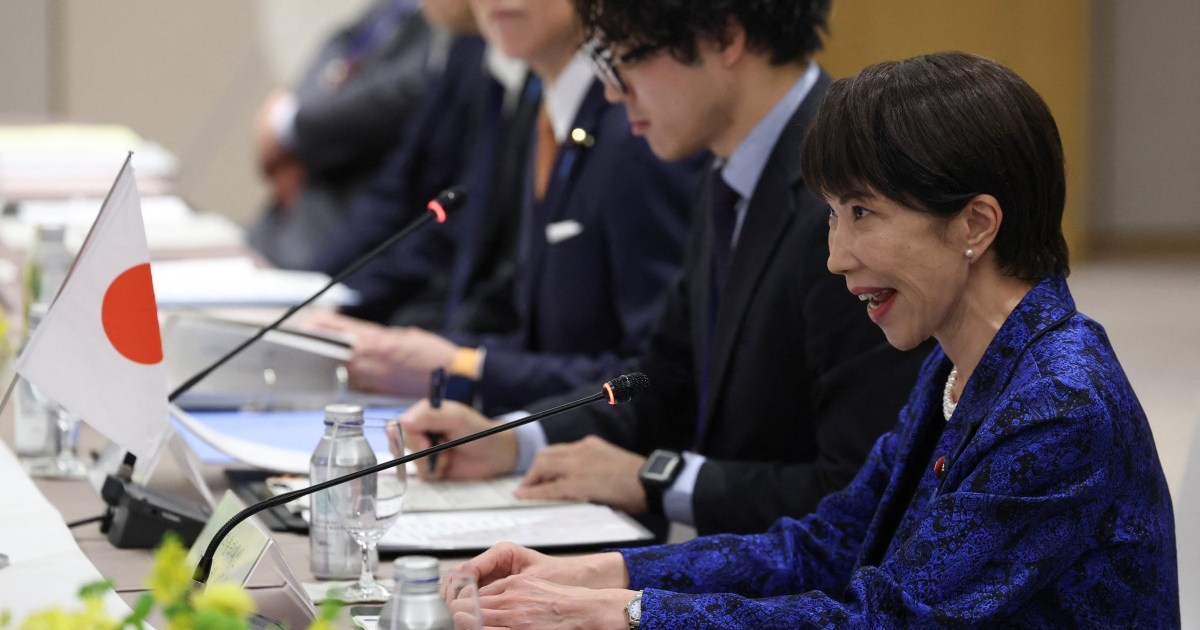
Japan’s First Female Prime Minister: A Bid for Majority Power
Background and Context
In a bold political move, Japanese Prime Minister Sanae Takaichi is making headlines as she prepares to dissolve the lower house of Japan’s parliament. This decision comes less than three months into her tenure as the country’s first female prime minister, reflecting both her ambition and the significant challenges that lie ahead. Takaichi, a member of the ruling Liberal Democratic Party (LDP), aims to secure a more substantial parliamentary majority, enabling her to drive forward her political and fiscal agenda.
Political Intentions and Timeline
According to reports from Kyodo news agency, Takaichi is expected to announce the dissolution of the lower chamber when the Diet convenes for its regular session on January 23. The timing is strategic; with the LDP’s approval ratings solid and the political landscape shifting rapidly, the prime minister hopes to leverage her current popularity into a favorable outcome for her party. Speculation suggests that an early election could take place on February 8 or 15.
Aiming for a Stronger Majority
A significant motivation behind Takaichi’s desire for an increased majority is the need to implement her vision of more aggressive fiscal policies and enhanced intelligence capabilities. The LDP, traditionally a dominant force in Japanese politics, is looking to regain control after losing its majority in the previous elections under Takaichi’s predecessor.
With strong poll numbers, the timing may seem ripe for a snap election, and Takaichi’s approach signals her readiness to consolidate power, which could facilitate a smoother pathway for her proposed policies.
Potential Opposition Strategies
However, Takaichi’s ambitious plans are not without their challengers. Leaders of the opposition parties, including the Constitutional Democratic Party of Japan and Komeito, are exploring ways to unite against the ruling coalition should a snap election occur. The political dynamics could shift significantly, creating a more competitive atmosphere as these opposition parties rally to counter the LDP’s advantages.
Economic Implications of Election Timing
Critics such as Tamaki Yuichiro, head of the Democratic Party for the People, have raised concerns regarding the timing of the proposed dissolution. They argue that calling an election before the budget for the next fiscal year is finalized might jeopardize economic stability, placing Takaichi’s government under scrutiny. The opposition’s perspective highlights the risk of derailing crucial economic discussions for political gain.
Diplomatic Engagements Amid Political Maneuvering
In addition to her domestic political ambitions, Takaichi is navigating complex international relationships, particularly with South Korea. On January 13, she hosted South Korean President Lee Jae Myung to strengthen the security and economic ties between the two nations. This meeting underscores her commitment to addressing geopolitical issues even as she prepares for potential elections.
Market Reactions and Speculation
The prospect of snap elections has stirred enthusiasm in the financial markets, as evidenced by a surge in Tokyo shares, which rose more than 3%. Investors are keenly aware that a decisive victory for Takaichi could provide the stability needed to move forward on key economic initiatives, including bolstering defense spending and managing diplomatic tensions with China.
Diplomatic Challenges Ahead
Takaichi’s leadership is further complicated by ongoing tensions with China, particularly regarding statements made about potential military interventions in Taiwan. Following her previous comments, Beijing has taken a hardline stance, which includes trade restrictions that could significantly impact Japan’s economy. Takaichi’s diplomatic posture remains crucial as she seeks to balance both domestic priorities and international relations.
Historical Context and Party Dynamics
The backdrop of Takaichi’s rise is steeped in the recent political history of Japan. The LDP’s loss of majority under Shigeru Ishiba, her predecessor, marked a significant shift in the political landscape. Ishiba’s resignation created the opportunity for Takaichi to claim the prime ministership, making her current tenure not only impactful but also historically significant for women in leadership positions within Japan.
Drawing from this rich tapestry of political history and contemporary challenges, Takaichi’s tenure promises to be one of both high stakes and transformative potential as she attempts to reshape the future of Japan through policy reform and increased parliamentary power.

Top 50 Most Popular News Websites Worldwide: Monthly Rankings

Just Two Blocks from the White House

Trump Imposes Tariffs as Iranians Reach Out for First Time Post-Crackdown

Gov. Gordon Urges Lawmakers to Preserve Funding for Wyoming Business Council | News

Three Reasons Why One Investing Legend Believes the Stock Market’s AI Boom Will Face Challenges in 2026

Breaking News: Iran Protests Continue, Trump’s Tariffs Increase Pressure, Tehran Declares ‘Ready for War’

Police Investigate Three Murders Linked to Philadelphia’s 448 Towing and Recovery Company

ICF Wins $300 Million in New Contracts Across Europe

A Mysterious Ground Shift Resurfaces in Yellowstone, with Advanced Technology Aiding Monitoring Efforts

Northwest Sports Update: Seahawks Game Time, Kraken Comeback, Meridian Boys Edge Nooksack Valley, and More

EXCLUSIVE: Will Smith’s Former Best Friend Bilaal Breaks Silence in Explosive Tasha K Interview — Lawsuit, Scientology Allegations, and Claims of an Attempt on His Life

Four Forecasts for 2026

Carbon Industries Group Signs Major Carbon Credit Agreements with Senegalese Government | Currency News | Financial and Business Insights

Elon Musk’s Return to Politics: Why Not Explore a New Hobby Instead? | Arwa Mahdawi

Wall Street Sees Modest Gains in Unsteady Start to 2026 | News, Sports, Jobs

Nvidia’s Groq Acquisition Highlights How the AI Chip Leader Leverages Its Robust Balance Sheet to Maintain Dominance

Trump Issues Order Pausing Offshore Wind Projects for a Minimum of 90 Days

Top 2026 NFL Draft Targets for the Chiefs: Kenyon Sadiq and Jeremiyah Love Lead the Way for Patrick Mahomes and Andy Reid

Best Of The Funny Animal Videos 😹🐶 Funniest Cat & Dog Moments Ever Recorded 🤣

China’s Chief Diplomat Condemns U.S. Arms Sale to Taiwan

Splash Dogs Take Over The Pool…And We Love It! | Dodo Kids | 1 Hour Of Animal Videos

The Funniest Animal Videos Compilation 😹🐶 Crazy Funny Dogs That Will Make You Laugh Nonstop 🤣

#54 Funniest Cats And Dogs videos 🐶🐱 #funny #animals #cuteanimals

Hilarious Animal Videos to Make You Laugh | Funny Dog & Cat Videos

Super Crazy Pets | FUNNIEST Animals You Have Ever Seen

Funniest Farm Animals

Funny Animal Videos 2023 – Comedy Voiceover! #12😹🐶🤣
Best Of The Funny Animal Videos 😹🐶 Funniest Cat & Dog Moments Ever Recorded 🤣

You Laugh You Lose 😅 Best Funny Cats and Dogs Videos 😹🐶

FUNNIEST Pet Fails! 🤣 😂 | Best Compilation 2023
-
 Entertaiment1 week ago
EXCLUSIVE: Will Smith’s Former Best Friend Bilaal Breaks Silence in Explosive Tasha K Interview — Lawsuit, Scientology Allegations, and Claims of an Attempt on His Life
-
 Finance1 week ago
Four Forecasts for 2026
-
 Finance1 week ago
Carbon Industries Group Signs Major Carbon Credit Agreements with Senegalese Government | Currency News | Financial and Business Insights
-
 Politics1 week ago
Elon Musk’s Return to Politics: Why Not Explore a New Hobby Instead? | Arwa Mahdawi
-
 Business2 weeks ago
Wall Street Sees Modest Gains in Unsteady Start to 2026 | News, Sports, Jobs
-
 Technology2 weeks ago
Nvidia’s Groq Acquisition Highlights How the AI Chip Leader Leverages Its Robust Balance Sheet to Maintain Dominance
-
 US News3 weeks ago
Trump Issues Order Pausing Offshore Wind Projects for a Minimum of 90 Days
-
 Funny animals2 weeks ago
Best Of The Funny Animal Videos 😹🐶 Funniest Cat & Dog Moments Ever Recorded 🤣