
Finance
Dow, S&P 500, and Nasdaq Hold Steady as Wall Street Concludes a Turbulent Week

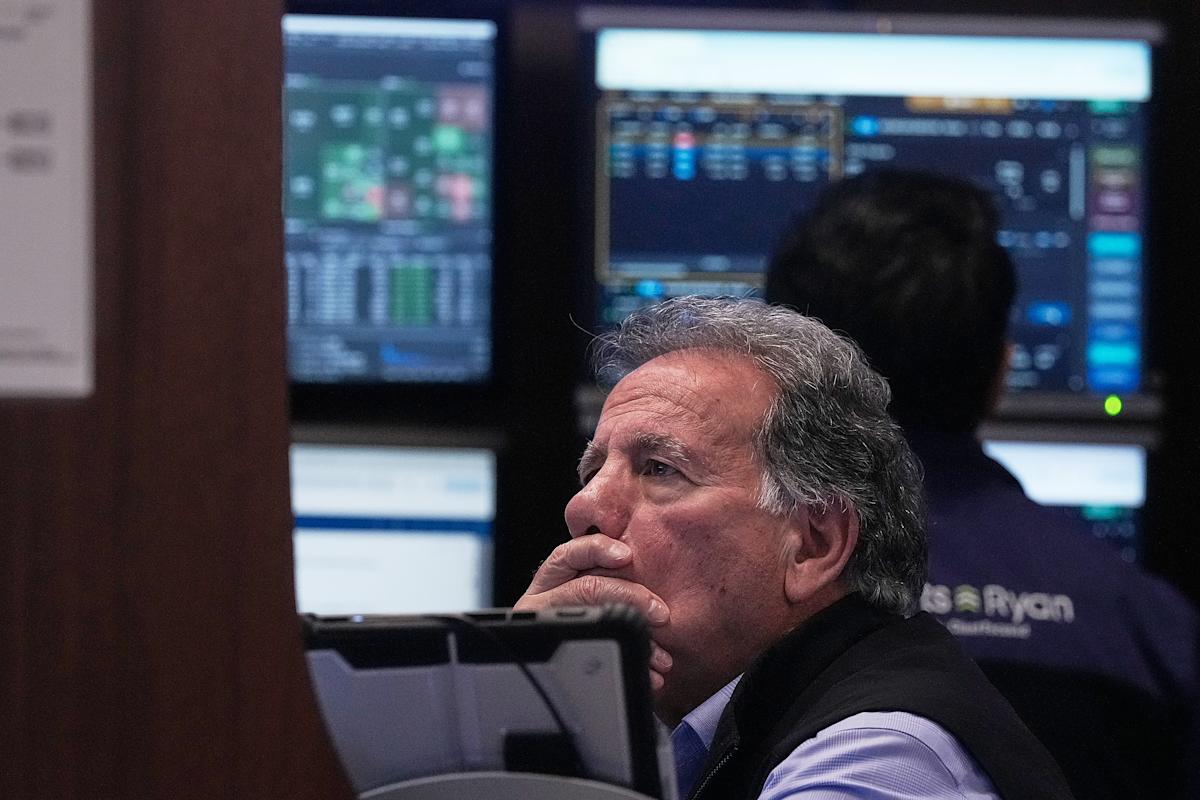
US Stock Futures Little Changed as Wall Street Eyes Financial Gains
As the trading world winds down for the week, US stock futures have shown minimal fluctuations late Thursday. Investors are keenly observing the market as Wall Street attempts to build on recent gains propelled by the strength in financial and technology sectors. The major indices are still in the running for a strong weekly performance, signaling cautious optimism.
Futures Movements in Major Indices
Contracts associated with the Dow Jones Industrial Average, S&P 500, and Nasdaq 100 are hovering just above neutral territory. This slight upward movement reflects a steady market sentiment. Following days of upward momentum, the market is positioned delicately as traders await further insights and developments from various sectors.
A Reversal of Fortune for Stocks
Earlier in the week, stock prices rebounded, shaking off a two-day slump. Much of this recovery can be attributed to the semiconductor sector, which has garnered renewed interest following a strong quarterly report from Taiwan Semiconductor Manufacturing Company (TSMC). This news has reignited investor enthusiasm, particularly towards initiatives linked to artificial intelligence and technology development.
Key Players in the Semiconductor Sector
Stocks in the semiconductor space saw significant movement on the news of TSMC’s performance, with shares surging over 4%. Notably, Nvidia and AMD also witnessed rebounds, a reflection of the widespread optimism surrounding AI-related initiatives. Investors are particularly encouraged by a recent trade agreement between the US and Taiwan, committing $250 billion toward expanding US manufacturing capabilities, further bolstering the tech industry.
Banking Sector Gains Amid Positive Earnings
Turning to the financial sector, major banks showcased a robust performance with upbeat earnings reports. Goldman Sachs reported a rise of over 4%, and Morgan Stanley jumped nearly 6% after surpassing quarterly expectations. The positive tone in banking stocks is lending to a favorable atmosphere as investors look toward earnings reports from smaller institutions like PNC and Regions Financial, scheduled for release soon.
Political Landscape and Market Sentiment
As the markets navigate through a busy week, they are also digesting a plethora of political dynamics, including tensions involving Iran and Greenland. Of particular interest is the ongoing legal conflict between the Trump administration and Federal Reserve Chair Jerome Powell. This situation raises questions about the independence of the Fed, a topic that has garnered attention amid ongoing inflationary pressures.
Federal Reserve’s Stance on Rates
In the midst of these discussions, Federal Reserve members have expressed their support for maintaining current interest rates. This consistency is viewed as a strategy to combat inflation effectively. Economic forecasts from the CME FedWatch tool indicate a 95% likelihood that rates will remain unchanged this month, with the first cut expected in June, reflecting the prevailing economic conditions.
Market Outlook Amidst Volatility
Despite the rally observed on Thursday, major indices are on track to conclude the week on a lower note. The S&P 500 is down approximately 0.3%, while the Nasdaq Composite has faced a decline of about 0.6%. The Dow is also marginally lower, indicating that the market is grappling with its first real bout of volatility in the new year. As we head into the final stretch of the week, investor sentiment remains a crucial aspect to monitor closely.
Stay tuned for further updates as the markets continue to evolve through this dynamic landscape.
Finance
Unclaimed £2,000 Government Savings Account: 758,000 Britons Missing Out | Money Blog | Money News

This Week’s Savings Update: Key Insights and Market Movements
For savers looking to maximize their returns, this week brings a mixed bag of news. Anna Bowes, a savings expert from The Private Office, provides valuable insights into the recent shifts in the savings landscape.
Fixed-Rate Bonds: A Bright Spot
Amidst a largely disappointing market, the fixed-rate bond sector shines brightly. Marcus by Goldman Sachs has introduced a new market-leading bond offering a compelling 4.55% AER for a term of 12 months. Bowes notes, “It’s likely to be snapped up pretty fast. You can open the account online, and the minimum deposit is just £1.” This accessibility makes it appealing for a wide range of savers.
Shawbrook Bank has also emerged as a contender, now offering 4.27% AER, placing it just behind Marcus. In contrast, the previous market leader, Union Bank of India UK, has reduced its offering from 4.33% to 4.23%, reflecting the ongoing adjustments in the market.
Market Trends and Predictions
Bowes explains, “This is what we would expect to see when the markets anticipate further base rate cuts.” The competitive nature exhibited by Marcus and Shawbrook demonstrates how market dynamics can shift offerings significantly, creating better opportunities for savers. There’s hope for continued competitive offerings in the coming months.
Easy Access Accounts: Stability Amidst Change
The easy access savings account market remains relatively stable following a base rate cut late last year. Chase retains its position at the top, offering 4.50% AER. This rate includes a “boost” of 2.25% for the first 12 months, after which the rate will adjust.
Bowes emphasizes the importance of shopping around for the best rates, especially for those paying tax on savings. “Even though rates have fallen slightly, if you can secure an account with an interest rate of 4% or more, your savings can still keep pace with inflation, particularly for basic rate taxpayers.”
Rising Stars in Easy Access ISAs
The competition among digital money apps heats up in the easy access ISA space. This week, Plum has overtaken Moneybox to secure the top position, now paying a enticing 4.32% AER. This shift illustrates the dynamic nature of ISA offerings, with apps continuously vying to capture consumers’ attention.
Fixed-Rate ISAs: Positive Momentum
After what many viewed as a lackluster week with several top-paying one-year fixed-rate ISAs being withdrawn, the market is now seeing a rebound. Investec and Tandem had previously been neck-and-neck with their 4.12% products, but Shawbrook has ascended to the lead with a 4.14% offering for a one-year ISA.
This recent activity suggests that market participants are responding to the competitive landscape, providing more favorable options for savers looking to lock in their rates.
Navigating the Savings Landscape
As savers continue to navigate this intricate market, the importance of staying informed cannot be understated. The variety of offerings across fixed-rate bonds, easy access accounts, and ISAs presents a wealth of opportunities. Regularly reviewing market trends and available rates will ensure that savers can make the most of their financial decisions.
Stay tuned for further updates as the market continues to evolve and shape savers’ experiences!
Finance
Stock Indexes Decline Amid Surge of Bank Earnings and Economic Reports; Gold and Silver Reach New Record Highs
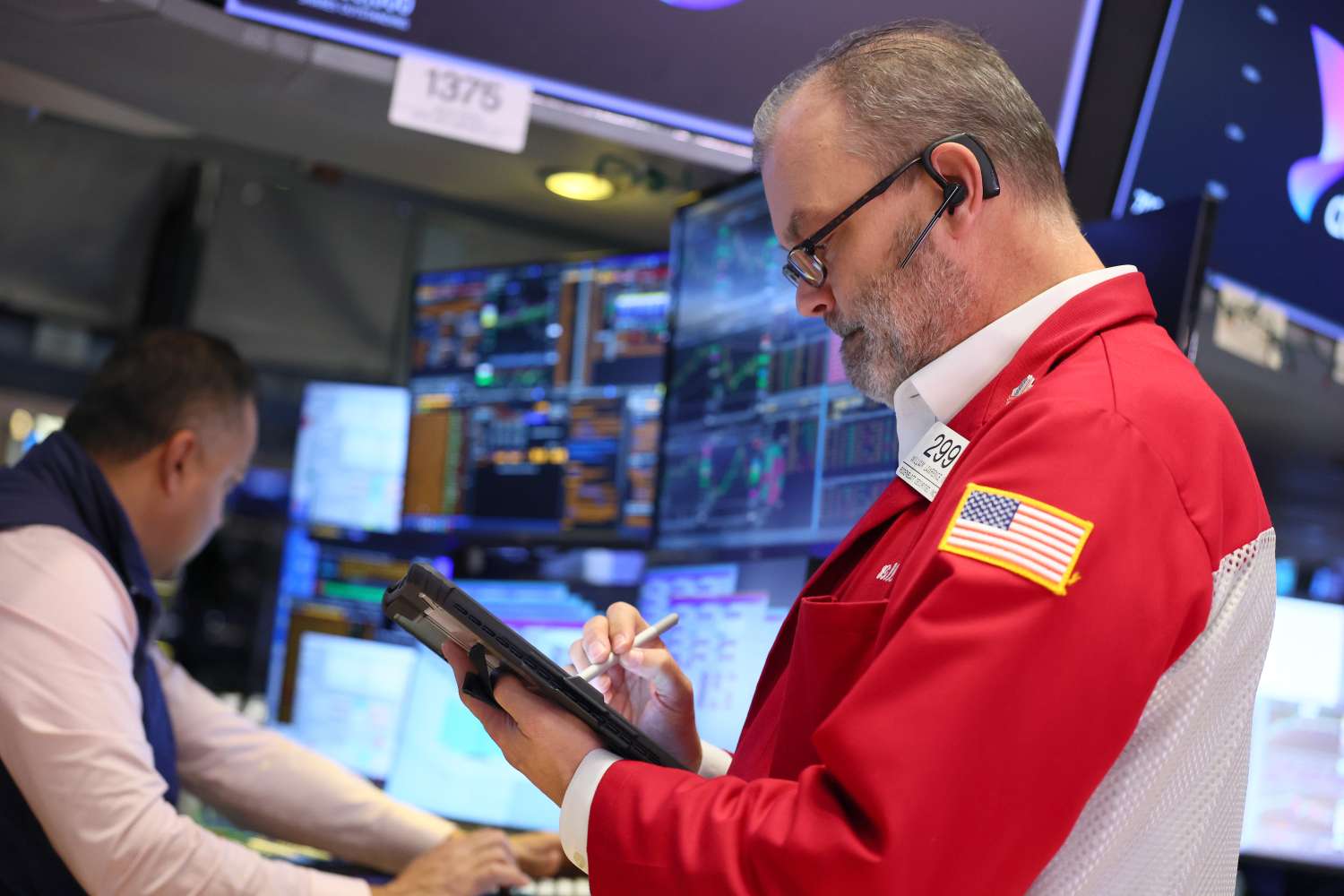
Financial Landscape on January 14, 2026: Key Highlights and Insights
President Trump’s Credit Card Rate Cap Proposal Faces Backlash
In the realm of finance, President Donald Trump’s recent proposal to cap credit card interest rates at a mere 10% has stirred quite the controversy. During this week’s conference calls, bank executives expressed strong dissent against the initiative, emphasizing potential ramifications for consumer credit access. Bank leaders fear that this cap could not only reduce the availability of credit for consumers but also dampen overall economic growth.
The credit card segment remains significantly profitable for banks; according to a study from the Federal Reserve Bank of New York, profits in this sector are four times higher than the industry average. Currently, U.S. credit cards carry an average annual interest rate of about 21%, contributing to a staggering $1.23 trillion in outstanding consumer credit. As banks navigate these turbulent waters, they are keenly aware of the proposal’s implications not just for consumers but for their own profitability as well.
Bitcoin’s Resurgence: The Crypto Comeback Continues
In another captivating twist within the financial markets, Bitcoin has made a remarkable comeback, recently breaching the $97,000 mark. This surge follows last week’s inflation report, which showed that inflation rates remained stable at the close of the previous year. The ascent in Bitcoin’s price—over 4% in just 24 hours—has sparked optimism among investors, particularly as crypto-linked stocks like Coinbase and MicroStrategy also witnessed gains.
The consensus among digital asset experts is that this momentum might persist, potentially driven by a favorable regulatory environment surrounding cryptocurrencies. Experts are also taking note of the psychological significance of Bitcoin moving above critical support levels, suggesting that there is potential for further upward movement in coming days.
Bank of America and Others Report Earnings Amid Rising Concerns
The outlook for major banks remains precarious as they report earnings amid swirling economic uncertainties. On January 14, stocks for Bank of America, Citigroup, and Wells Fargo experienced notable drops—around 5%—following their quarterly earnings reports. Despite mixed results where some earnings exceeded analyst expectations, negative sentiments surrounding the banking sector’s future still loomed large.
Bank of America’s CEO, Brian Moynihan, struck a cautious tone, citing ongoing risks while expressing a belief in continued economic growth. This juxtaposition of optimistic growth forecasts within a framework of uncertainty underlines a complex picture for investors.
Retail Sales Report Indicates Strong Consumer Spending
The latest retail sales report offers a glimmer of hope in an otherwise turbulent financial landscape. The Census Bureau’s data indicated that retail sales reached $735.9 billion in November, a 0.6% increase from the previous month. This uptick surpasses economists’ expectations and signals a resilient consumer base heading into the critical holiday shopping season.
Brett Kenwell, a U.S. investment analyst at eToro, remarked that this data suggests ongoing consumer resilience, raising hopes for robust spending as the year-end approaches. The report highlighted improved sales in various sectors, including sporting goods and restaurants, offering a glimpse of optimism for retailers.
Credit Card Stocks Face Pressure Despite Buy Recommendations
Amid Trump’s critiques of the credit card industry, analysts are suggesting that now may be a strategic time for long-term investors to accumulate stocks from major players like Visa, Mastercard, and American Express. Despite the recent decline in their shares—down 7% and 5% respectively—William Blair analysts maintain that these companies are likely to adapt and prevail over potential challenges, marking them as worthy of consideration for long-term investment.
Saks Global Enterprises Positioned for Restructuring
In a significant move in the retail sector, Saks Global Enterprises, home to iconic brands like Saks Fifth Avenue, sought Chapter 11 bankruptcy protection. This restructuring comes as the luxury segment faces challenges, with significant losses reported. The company aims to focus resources on long-term potential areas, though little detail has emerged about its future strategy.
Antitrust Investigations Affecting Travel Stocks
In international news, U.S.-listed shares of Trip.com faced a dramatic plunge—down nearly 17%—following an antitrust investigation by Chinese authorities. As scrutiny on large tech companies increases, Trip.com has stated it will cooperate fully with the investigation, although the prospect of potential monopolistic behavior casts a shadow over its stock performance.
Tesla’s Shift to Subscription Model for Full Self-Driving System
In transportation news, Tesla CEO Elon Musk announced that the company will transition to offering its Full Self-Driving (FSD) system solely through a monthly subscription model, effective February 14. This decision saw a slight dip in Tesla’s stock shares, as investors react to the changing landscape of how major tech companies monetize their innovations.
Key Takeaways
This snapshot of today’s financial landscape illustrates a mixed bag of optimism and caution. From the contentious credit card interest rate cap proposal to the resurgence of cryptocurrencies, each development presents unique opportunities and challenges for investors navigating this complex environment. Whether through earnings reports or changes in retail dynamics, the unfolding economic narrative will undoubtedly influence market behavior in the coming weeks.
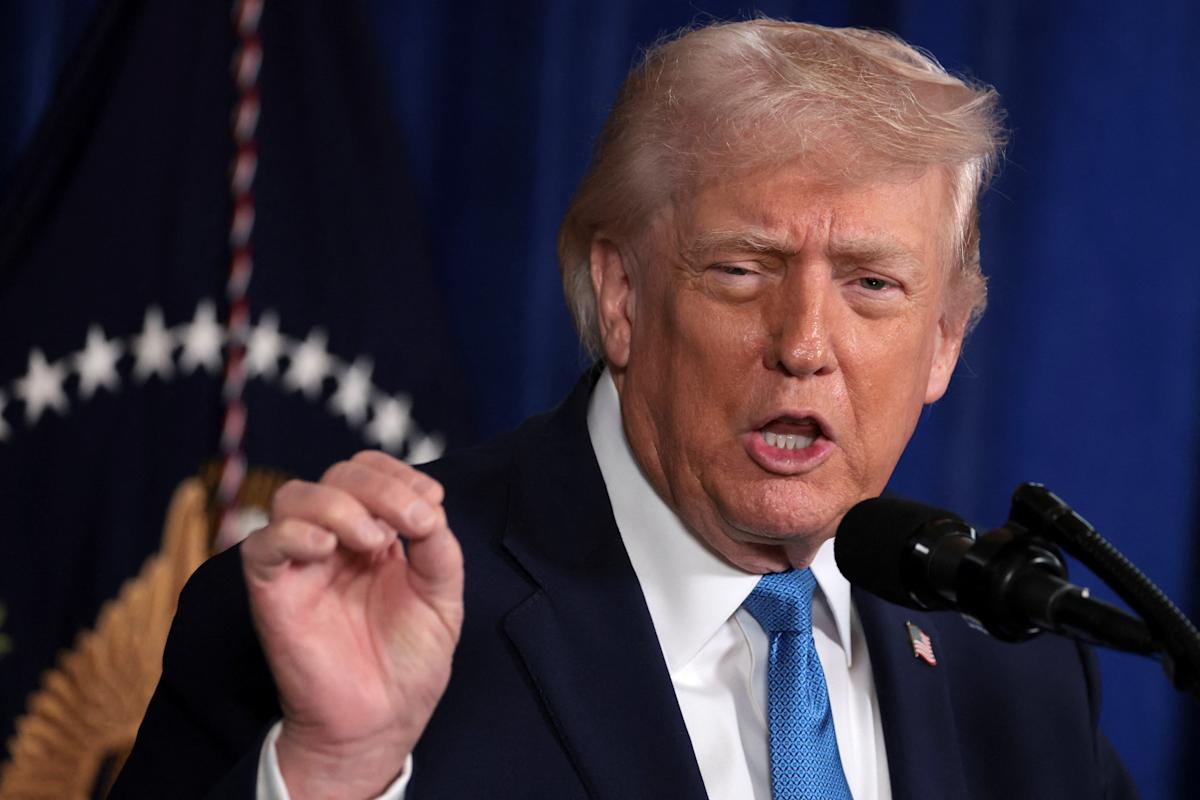
President Trump’s Tariffs: A Landmark Test of Presidential Power
As the U.S. Supreme Court prepares to rule on the legality of President Trump’s sweeping tariffs, stakeholders across various sectors are bracing for significant implications. The upcoming decision represents not just a pivotal moment in trade policy but a critical examination of presidential powers in the context of international economic relations.
Supreme Court’s Upcoming Ruling
The anticipation surrounding the Supreme Court’s decision has been palpable, with their initial opportunity to weigh in occurring last week. The Court indicated that their next opinions will be announced on Wednesday, January 14. Legal experts and industry leaders are closely monitoring the situation, as this ruling could redefine the balance of power between the Executive Branch and the Judiciary regarding trade policy.
The Stakes for Businesses
Businesses like Costco are among those actively preparing for the ramifications of the Court’s decision. They have initiated lawsuits against the U.S. government, seeking refunds on import duties if the Court finds Trump’s tariffs unlawful. The ability to reclaim these costs could significantly impact their bottom lines, especially if tariffs are ruled unconstitutional.
Legal and Political Context
The arguments presented to the Supreme Court in early November were contentious, featuring questions from both conservative and liberal justices regarding the President’s justification for the tariffs. Trump invoked a 1977 law intended for national emergencies, arguing that the tariffs are necessary for national security. This approach has drawn skepticism from various quarters, heightening the stakes for his administration.
Presidential Concerns
President Trump has not held back in expressing his fears about the potential outcome. He has indicated that losing the ability to impose tariffs would be devastating for U.S. interests. Warning of “a terrible blow” to the nation, Trump’s outspoken impatience has characterized his approach to this high-stakes legal battle. Just recently, he took to social media to declare, “If the Supreme Court rules against the United States of America on this National Security bonanza, WE’RE SCREWED!”
Government Officials Weigh In
U.S. Treasury Secretary Scott Bessent recently addressed the possibility of refunds should the Court side against Trump’s authority to impose tariffs. In an interview, he suggested that the Treasury has sufficient funds to cover any required refunds, but he expressed skepticism that businesses would pass that relief back to consumers. He labeled such refunds as a “corporate boondoggle,” indicating potential corporate reluctance to return funds to consumers even if the government mandates it.
Trade Dynamics and Market Impacts
The broader trade landscape remains complex, especially in the context of U.S.-China relations. Despite the tariffs, China’s trade surplus has remarkably ballooned, hitting a record of $1.2 trillion in 2025. The Chinese government has pointed fingers at the U.S. for exacerbating global trade imbalances, escalating the tension between the two economic giants.
Tariff Revenue and Business Strategy
A recent Treasury report revealed a drop in U.S. tariff revenue by nearly $3 billion from November to December, signaling shifting dynamics in revenue generation from tariffs. As businesses adapt to these changes, many are strategizing on how to navigate potential refund scenarios while simultaneously managing supply chain and pricing pressures.
Broader International Implications
While the U.S. grapples with its own uncertainties, the geopolitical landscape is equally dynamic. In recent weeks, reports emerged that China’s exports of rare earth materials have surged, reflecting Beijing’s response to U.S. tariffs. Furthermore, as China’s trade relationships evolve, the implications for U.S. companies that rely heavily on these imports are considerable.
The Complexity of Tariff Regulations
The intricate web of tariffs has grown increasingly convoluted, affecting not just pricing but also employment forecasts. Companies face an uphill battle navigating the complexities of the latest Harmonized Tariff Schedule, which has expanded to over 4,500 pages in the latest edition—an extraordinary increase that enhances the challenges of import compliance.
Preparing for All Outcomes
As the Supreme Court’s ruling date approaches, the atmosphere is charged with uncertainty. Businesses, policymakers, and legal analysts find themselves entangled in a waiting game filled with high stakes and potential overhaul of the trade landscape. The anticipation of the ruling is a daunting exercise in preparedness, as the fallout could reverberate through markets, employment statistics, and international relations for years to come.

A Jet in the Woods: The Aircraft That Never Crashed and the Questions No One Has Answered

ICE No. 2 Exits Position to Enter Run for Ohio’s Battleground House District

Willamette MBA Rises to 97th Place in U.S. News Rankings

Performance of Major US Stock Indexes on Thursday, January 15, 2026

Dow, S&P 500, and Nasdaq Hold Steady as Wall Street Concludes a Turbulent Week

Live Updates: Death Toll from Iran Protests, Iranian Threats to the U.S., Execution of Erfan Soltani Postponed

Ensuring Safety in Every Neighborhood: CMPD Reports Decline in Violent Crime

Strengthening MIT’s Ties with Japan | MIT News

It Took 35 Years for T. rex to Reach Full Maturity

2026 NFL Coaching Update: John Harbaugh Nearing Deal with Giants; Mike Tomlin Not Expected to Coach Next Season

EXCLUSIVE: Will Smith’s Former Best Friend Bilaal Breaks Silence in Explosive Tasha K Interview — Lawsuit, Scientology Allegations, and Claims of an Attempt on His Life

Four Forecasts for 2026

Carbon Industries Group Signs Major Carbon Credit Agreements with Senegalese Government | Currency News | Financial and Business Insights

Elon Musk’s Return to Politics: Why Not Explore a New Hobby Instead? | Arwa Mahdawi

Top Picks from CES 2026: Editors Select the Best Products and Technologies
2026 NFL Coaching Update: John Harbaugh Nearing Deal with Giants; Mike Tomlin Not Expected to Coach Next Season

Blueprint for a “Tax-Free America” That Actually Works

Who Is Really Voting in These Polls? The Shocking Truth Behind America’s Approval Numbers

Wall Street Sees Modest Gains in Unsteady Start to 2026 | News, Sports, Jobs

Nvidia’s Groq Acquisition Highlights How the AI Chip Leader Leverages Its Robust Balance Sheet to Maintain Dominance

The Most dramatic cats moments ever! 😂🤣 Funny Cat Videos 2025

Jennette McCurdy shares the stories behind memoir “I’m Glad My Mom Died”

Splash Dogs Take Over The Pool…And We Love It! | Dodo Kids | 1 Hour Of Animal Videos

The Funniest Animal Videos Compilation 😹🐶 Crazy Funny Dogs That Will Make You Laugh Nonstop 🤣

#54 Funniest Cats And Dogs videos 🐶🐱 #funny #animals #cuteanimals

Hilarious Animal Videos to Make You Laugh | Funny Dog & Cat Videos

Super Crazy Pets | FUNNIEST Animals You Have Ever Seen

Funniest Farm Animals

Funny Animal Videos 2023 – Comedy Voiceover! #12😹🐶🤣

Best Of The Funny Animal Videos 😹🐶 Funniest Cat & Dog Moments Ever Recorded 🤣
-
 Entertaiment2 weeks ago
EXCLUSIVE: Will Smith’s Former Best Friend Bilaal Breaks Silence in Explosive Tasha K Interview — Lawsuit, Scientology Allegations, and Claims of an Attempt on His Life
-
 Finance2 weeks ago
Four Forecasts for 2026
-
 Finance1 week ago
Carbon Industries Group Signs Major Carbon Credit Agreements with Senegalese Government | Currency News | Financial and Business Insights
-
 Politics1 week ago
Elon Musk’s Return to Politics: Why Not Explore a New Hobby Instead? | Arwa Mahdawi
-
 Technology3 days ago
Top Picks from CES 2026: Editors Select the Best Products and Technologies
-
 Sports4 hours ago
2026 NFL Coaching Update: John Harbaugh Nearing Deal with Giants; Mike Tomlin Not Expected to Coach Next Season
-
 Opinion10 hours ago
Blueprint for a “Tax-Free America” That Actually Works
-
 Opinion10 hours ago
Who Is Really Voting in These Polls? The Shocking Truth Behind America’s Approval Numbers