
Science
It Took 35 Years for T. rex to Reach Full Maturity


Recent Insights into Tyrannosaurus rex Growth and Lifespan
Tyrannosaurus rex, often celebrated as one of the most formidable predators in the history of the Earth, has recently become the subject of a groundbreaking study that challenges long-standing beliefs about its growth and longevity.
New Discoveries
Scientists have traditionally estimated that T. rex lived up to about 30 years and reached its full size of around 8 tons by the age of 25. This understanding stemmed from counting annual growth rings in fossilized T. rex leg bones. However, a new study published in the journal PeerJ has unveiled a more nuanced picture. Using advanced polarized light techniques, researchers discovered additional growth rings in 17 individual specimens, revealing that these iconic dinosaurs would only reach their maximum size between the ages of 35 and 40.
Unveiling Growth Patterns
Unlike trees, whose growth rings reflect their entire life history, dinosaur growth rings tend to only showcase the final 10 to 20 years. This means that previous studies may not have captured the complete growth narrative of T. rex. By compiling a larger dataset that included specimens of varying ages, researchers were able to paint a fuller picture of the dinosaur’s developmental journey.
Slower Growth Rate
The findings indicate that T. rex exhibited a much slower growth rate than previously believed. Lead study author Holly Woodward, an anatomy professor at Oklahoma State University, explained that instead of rapidly achieving a total body length of 40 feet, T. rex spent most of its life at a mid-size. This slower growth trajectory suggests that resource availability and environmental conditions significantly influenced its growth spurts, with some years demonstrating marked increases while others showed very limited growth.
Evolutionary Implications
Understanding the growth dynamics of T. rex is crucial not just for paleontology but also for grasping the ecological roles these giants played millions of years ago. Woodward speculated that the slow growth allowed T. rex to occupy various food niches throughout its life, minimizing competition with other apex predators until it was large enough to contend with its kind.
The Species Question
The study opens up further discussions about the complexity of T. rex as a species. For instance, there’s ongoing debate among paleontologists regarding whether what has been categorized as T. rex may actually include separate species or subspecies. Some of the growth patterns observed in the current study could offer clues to these differences.
The Nanotyrannus Debate
These findings align with another study suggesting that a specimen previously thought to be a juvenile T. rex could belong to a different species called Nanotyrannus. While the current study doesn’t provide conclusive evidence for separate species, it does hint at intriguing possibilities that merit further investigation, according to researchers.
Evaluating Growth Studies
This new approach to studying growth rings may necessitate revisions in commonly used growth study protocols. Coauthor Nathan Myhrvold highlighted the challenges of interpreting closely spaced growth marks, which can be misleading without comprehensive analytical techniques.
Broader Implications
This examination of T. rex growth not only sheds light on the life history of this dinosaur but also potentially revolutionizes how paleontologists examine growth rates across various dinosaur species. The ongoing work reflects a growing understanding of how these ancient creatures adapted and thrived in their environments, providing a richer narrative about the prehistory of our planet.
When you dive into the complexities of T. rex growth, it becomes apparent that the story of this magnificent creature is far from complete. Each discovery brings us closer to understanding not just how T. rex lived but also how it interacted with its ecosystem, paving the way for further explorations into the lives of these ancient giants.
Science
This Week in Science: ISS Medical Evacuation, Mars Sample Return Cancelled, and Woolly Rhino Flesh Discovered in Permafrost Wolf
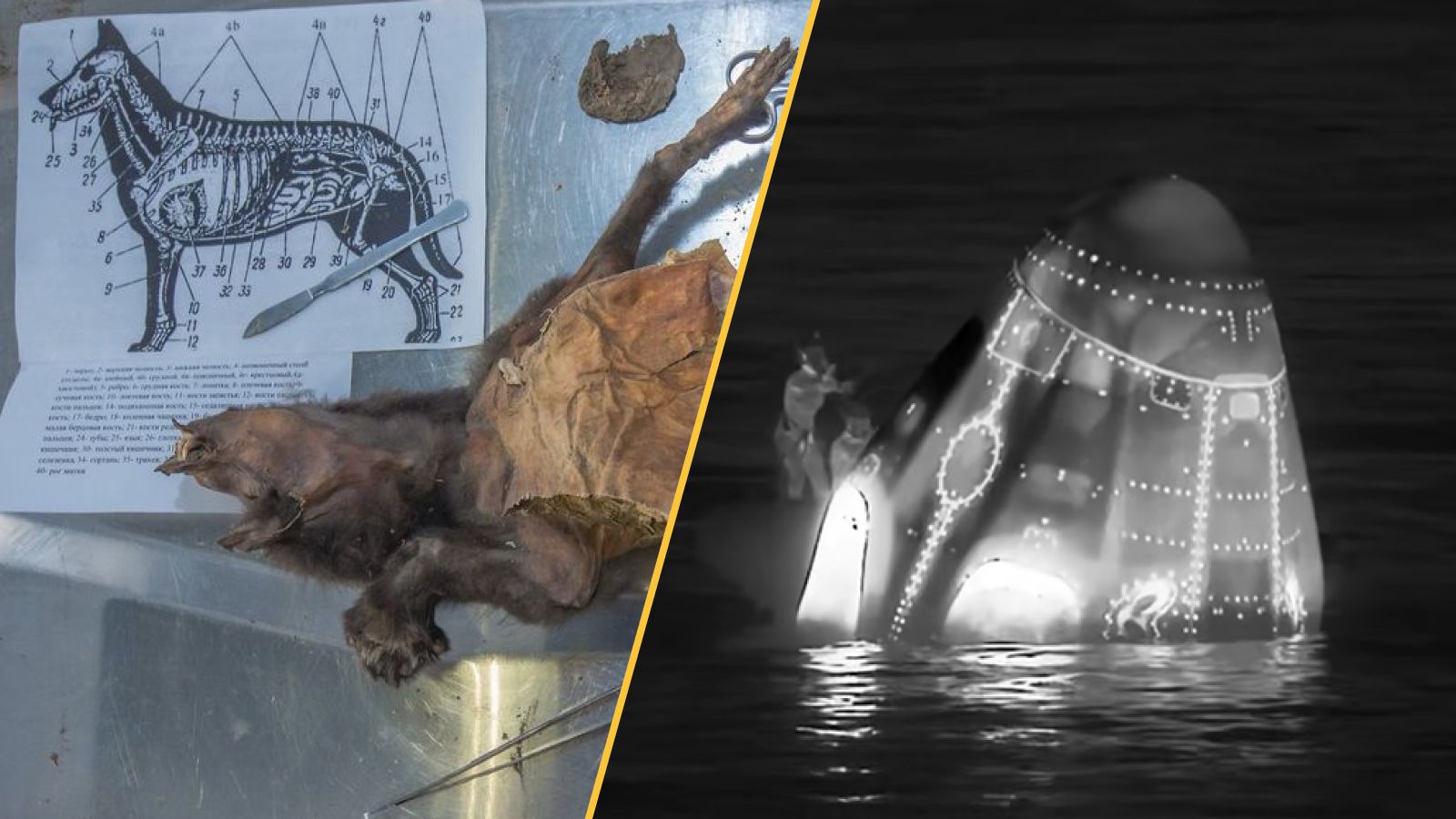
This Week in Science: High-Flying Discoveries and Earthly Concerns
This week’s science news has captured our imagination and urged us to look both skyward and inward as astronauts and researchers alike brought captivating stories to the forefront. Here’s a closer look at the most significant science headlines, showcasing both exciting advances in space exploration and pressing issues concerning our planet.
Astronauts’ Unprecedented Evacuation from the ISS
The highlight of the week was the early return of the International Space Station’s (ISS) Crew-11 on January 15, following a medical emergency that necessitated their evacuation. This marked the first such occurrence in the ISS’s 25-year history. Just days prior to this event, it was announced that one of the astronauts had experienced an undisclosed medical issue, prompting swift action to prioritize crew safety. As a result, the ISS is now home to only four astronauts until Crew-12 arrives next month.
NASA Prepares for the Artemis 2 Mission
In other news from NASA, preparations are underway to roll out the Artemis 2 mega moon rocket. Targeting an early February launch, this mission aims to return American astronauts to the lunar surface—a critical step in humanity’s return to the Moon. The Artemis program has emerged unscathed from proposed cuts in the Trump administration’s FY2026 budget, allowing it to proceed as planned.
Adding to NASA’s achievements, the completion of the Roman Space Telescope was announced. This powerful telescope will aid in identifying alien worlds and will work alongside the Hubble and James Webb telescopes to deepen our understanding of the cosmos.
However, not all news from NASA was positive. Funding for the Mars sample return mission was officially cut this week. This cancellation means the China National Space Administration (CNSA) may be the first to return Martian samples to Earth, raising the stakes in the race to uncover potential signs of life on the Red Planet. CNSA has also made headlines with plans to construct a reliable relativistic clock for the Moon.
Earth’s River Deltas: A Sinking Reality
Switching gears to Earth’s pressing issues, a recent study has unveiled alarming findings about the world’s largest river deltas, including the Nile, Amazon, and Ganges. The research indicates that these deltas are now sinking at a rate faster than global sea levels are rising.
The study attributes this alarming trend mainly to groundwater pumping, compounded by rapid urban expansion and shrinking sediment flows. This combination creates a precarious situation for major populated areas, which will face escalating risks of catastrophic flooding as oceans rise.
The Woolly Rhino Connection: A Glimpse into Extinction Mysteries
In an intriguing development in the realm of paleontology, scientists have made fascinating discoveries related to a 14,400-year-old wolf pup found frozen in Siberian permafrost. By examining its stomach contents, researchers extracted a piece of flesh from a woolly rhino, paving the way for the first successful recovery of DNA from an ice age species linked to another animal.
This revelation sheds light on the extinction mystery surrounding the woolly rhino, suggesting it existed in a genetically uniform population that may have struggled to adapt to ancient climate changes.
Other Scientific Wonders This Week
This week has been rife with additional scientific discoveries that offer insight into our world and beyond:
-
Human Evolution: A recently unearthed skeleton of Homo habilis, dating back over 2 million years, retains features resembling “Lucy,” providing further context in the story of human evolution.
-
Climate Research Advances: MIT has unveiled a chip stacking breakthrough aimed at drastically reducing energy consumption in AI processes, which could have significant implications for future computing technologies.
-
Seizures Triggered by Sudoku: A rather unusual medical case came to light where sudden seizures were triggered by playing Sudoku, highlighting the intricate relationship between brain activity and cognitive challenges.
-
Ancient HPV Strain in Ötzi: Research has found that Ötzi the Iceman, a 5,300-year-old mummy, carried a high-risk strain of human papillomavirus (HPV), adding another layer of understanding to early human health.
Astronomy in Pictures
Visually stunning images have also graced our feeds this week. The Hubble Space Telescope captured an extraordinary view of “Dracula’s Chivito,” a protoplanetary disk around a young star, measuring an astounding 400 billion miles across. This discovery offers a glimpse into the conditions under which planets may form, further enriching our cosmic narrative.
The interplay of discoveries this week—from the challenges of astronauts high above to pressing concerns on Earth—illustrate the complexities of our universe and the ongoing quest for knowledge.
Science
Message from the NASA Planetary Science Director: The Future of Planetary Science Analysis and Assessment Groups (AGs)

Navigating Change: The Future of NASA’s Planetary Science Division Analysis Groups
A New Era for Planetary Science
In April 2025, Dr. Louise M. Prockter took the helm as the Director of NASA’s Planetary Science Division (PSD). With her background deeply rooted in planetary science, Dr. Prockter aims to forge a path that embraces both collaboration and adaptation in a tumultuous landscape. A significant area of focus is the role and operations of the PSD Analysis and Assessment Groups (AGs), which have been community-driven platforms for interdisciplinary engagement in planetary research.
The Role of Analysis and Assessment Groups
For years, the PSD AGs have played a crucial role in connecting NASA with the broader planetary science community. These groups have served multiple functions:
-
Communication Channels: The AGs establish trusted lines of communication between NASA and scientists, allowing for dialogue that informs research directions and priorities.
-
Agile Problem Solving: They can rapidly form Special Action Teams to address pressing issues or gather technical assessments, making them responsive to immediate needs.
-
Community Development: The AGs nurture early-career scientists and future leaders, equipping them with insights into NASA’s processes and fostering a culture of engagement.
-
Repository of Consensus: They function as a collective voice, organizing and curating the community’s perspectives on various scientific issues.
Challenges Ahead
Despite their recognized value, recent developments within NASA present significant hurdles for the AGs. Changes in executive directives, the cessation of formal advisory committees, and a tightening budget are reshaping how these groups operate. The elimination of the Planetary Science Advisory Committee—formerly linked to the AGs—further complicates their future.
Evaluating Options for the AGs
Over the past year, the PSD has conducted a thorough review of the AGs’ operations. As they strive to maintain the AGs’ essential functions while adapting to the new landscape, PSD’s budget constraints will require serious consideration of any potential support mechanisms. The conclusion reached is that formal support for the AGs will need to be discontinued; however, the community-focused mission remains valued.
Future Funding and Opportunities
While the primary funding mechanism for the AG activities will end by April 2026, Dr. Prockter emphasizes a commitment to support certain community initiatives moving forward. There may be opportunities to apply for limited funding for workshops or meetings, thanks to future competitive solicitations. This ensures that vital community engagement continues, albeit in a more restricted fashion.
Commitment to Ongoing Communication
Maintaining an open line of communication remains a priority for Dr. Prockter and her team. She plans to engage with the community at conferences and other gatherings, ensuring that dialogue persists despite the changes. The strategy includes soliciting scientific assessments on an as-needed basis, allowing for flexibility in addressing emerging research challenges.
The Possibility of Self-Organization
While the formal structure of the AGs is at a crossroads, Dr. Prockter encourages the community to consider self-organizing initiatives. The AGs have the potential to evolve into independent entities that continue advocating for planetary exploration. This adaptability is vital for the resilience of the community in the face of uncertainty.
Looking Forward to Community Engagement
The final NASA-sponsored AG meetings are set to be concluded by the end of April 2026, but Dr. Prockter is optimistic about future opportunities for engagement. Regular updates will be shared via emails and virtual meetings, allowing for ongoing community conversations. Her commitment to transparency and collaboration highlights an intent to foster a supportive environment, ensuring that the spirit of teamwork remains in the forefront as the planetary science community navigates this transition.
For further insights into Dr. Prockter’s vision and updates regarding the AGs, primary documents and resources are available, encouraging continued participation and engagement amongst all stakeholders in the planetary science landscape.
Science
Scientists Discover a Sweet, Low-Calorie Sugar That Won’t Raise Insulin Levels: ScienceAlert

The Rise of Tagatose: A Promising Natural Sweetener
A Sweet Problem
Artificial sweeteners emerged as solutions to our sugary cravings, promising a way to indulge without the calorie overload. However, recent studies have raised eyebrows, revealing potential health risks linked to common substitutes like aspartame. As these concerns grow, researchers are turning their attention to natural alternatives that could offer a healthier option.
Enter Tagatose
Tagatose, a naturally occurring sugar found in certain dairy products and fruits, is making waves in the sweetener market. This intriguing sugar boasts a sweetness level about 92% that of sucrose, or table sugar, but with only a third of the calories. It’s an exciting prospect for anyone looking to reduce sugar intake without sacrificing taste.
Health Benefits Worth Noting
One of the most commendable features of tagatose is its low impact on insulin levels. Unlike sucrose and many high-intensity artificial sweeteners, tagatose does not trigger insulin spikes, making it a valuable option for individuals managing diabetes or those concerned about blood glucose issues. This attribute stems from its unique fermentation process in the large intestine, where much of the sugar is metabolized before entering the bloodstream.
Collaborations in Research
Researchers at Tufts University, in collaboration with biotechnology companies Manus Bio and Kcat Enzymatic, have conducted a groundbreaking proof-of-principle study demonstrating the sustainable and efficient production of tagatose. Historically, the rarity of tagatose limited its availability in the market, but this collaborative effort aims to change that.
Understanding Tagatose’s Unique Metabolism
The unique metabolic pathway of tagatose is significant. When consumed, it is primarily fermented in the gut, similar to how fructose is processed. While this means that individuals with fructose intolerance might want to avoid tagatose, the general population can enjoy its benefits. Regulatory bodies like the U.S. Food and Drug Administration (FDA) and the World Health Organization (WHO) have recognized tagatose as safe for consumption, giving it a green light for broader use.
Beyond Sweetness: Dental Health Benefits
An added bonus of tagatose is its dental benefits. Unlike sucrose, which is known to contribute to tooth decay, tagatose is considered ‘tooth-friendly.’ Emerging research suggests that it may even support oral health by limiting the growth of harmful oral bacteria, potentially benefiting our overall dental hygiene.
Baking and Cooking Potential
Tagatose promises versatility in culinary applications. Many artificial sweeteners struggle in baking, losing their sweetness when exposed to heat. However, tagatose can withstand baking processes, making it an attractive ingredient for those who love to cook and bake without compromising on sweetness.
Innovative Production Methods
While established methods exist for tagatose production, they have proven inefficient and costly. Researchers are spearheading innovations to change that. They engineered bacteria, specifically Escherichia coli, into mini-factories that can churn out tagatose using a newly discovered enzyme from slime mold.
This enzyme, known as galactose-1-phosphate-selective phosphatase (Gal1P), is pivotal. It converts glucose into galactose, which is then transformed into tagatose by another enzyme. This revolutionary approach has resulted in production yields reaching up to 95%, a substantial improvement over the previously achievable yields of 40% to 77%.
The Future of Tagatose
Despite the promising advances, the tagatose market remains constrained by production limitations. Researchers like Nik Nair emphasize the importance of fine-tuning production lines to leverage this unique synthesis strategy. The aim is to create a framework for producing not just tagatose, but potentially other rare sugars.
Market Potential
The tagatose market is projected to grow significantly, with estimates suggesting it could be worth $250 million by 2032. The increasing demand for healthier sweetener alternatives positions tagatose favorably amongst consumers eager for better options.
Looking Ahead
Research in the tagatose field remains ongoing, with scientists focused on optimizing production and exploring its possible applications. The potential health benefits, coupled with the natural origins of tagatose, signify a new frontier in the quest for healthier sweetener alternatives. As we move towards more health-conscious choices, tagatose may become a staple in our diets, offering sweetness without the guilt.

Is a Stock Market Crash Looming in 2026 with President Donald Trump? Insights from 155 Years of History.

US-Iran Tensions: Trump Lacks Clear Path to Victory Amid Tehran’s Challenges | Donald Trump News

WATCH | Beyond ‘Catching Bad Guys’: Jessieville’s Criminal Justice Class Explores the Realities of the Justice System

This Week in Science: ISS Medical Evacuation, Mars Sample Return Cancelled, and Woolly Rhino Flesh Discovered in Permafrost Wolf

Cleveland Browns Update (1/17): A Wealth of Head Coach Candidates

Prince Harry and Meghan Markle Reportedly Feeling Isolated – Celebrity News – Entertainment

WATCH: Trump Praises Iran for Allegedly Halting Hundreds of Executions

Trump News Summary: President Establishes Gaza ‘Board of Peace’ | Trump Administration

Political Journalists Discuss Hochul’s State of the State Address

Donald Trump Set to Reveal Home Buying Initiative Utilizing Retirement Funds

EXCLUSIVE: Will Smith’s Former Best Friend Bilaal Breaks Silence in Explosive Tasha K Interview — Lawsuit, Scientology Allegations, and Claims of an Attempt on His Life

Who Is Really Voting in These Polls? The Shocking Truth Behind America’s Approval Numbers

2026 NFL Coaching Update: John Harbaugh Nearing Deal with Giants; Mike Tomlin Not Expected to Coach Next Season

Blueprint for a “Tax-Free America” That Actually Works

It Took 35 Years for T. rex to Reach Full Maturity

Four Forecasts for 2026

Carbon Industries Group Signs Major Carbon Credit Agreements with Senegalese Government | Currency News | Financial and Business Insights

Top Picks from CES 2026: Editors Select the Best Products and Technologies

Wall Street Sees Modest Gains in Unsteady Start to 2026 | News, Sports, Jobs

Elon Musk’s Return to Politics: Why Not Explore a New Hobby Instead? | Arwa Mahdawi

The Most dramatic cats moments ever! 😂🤣 Funny Cat Videos 2025

Jennette McCurdy shares the stories behind memoir “I’m Glad My Mom Died”

Splash Dogs Take Over The Pool…And We Love It! | Dodo Kids | 1 Hour Of Animal Videos

The Funniest Animal Videos Compilation 😹🐶 Crazy Funny Dogs That Will Make You Laugh Nonstop 🤣

#54 Funniest Cats And Dogs videos 🐶🐱 #funny #animals #cuteanimals

Hilarious Animal Videos to Make You Laugh | Funny Dog & Cat Videos

Super Crazy Pets | FUNNIEST Animals You Have Ever Seen

Funniest Farm Animals

Funny Animal Videos 2023 – Comedy Voiceover! #12😹🐶🤣

Best Of The Funny Animal Videos 😹🐶 Funniest Cat & Dog Moments Ever Recorded 🤣
-
 Entertaiment2 weeks ago
EXCLUSIVE: Will Smith’s Former Best Friend Bilaal Breaks Silence in Explosive Tasha K Interview — Lawsuit, Scientology Allegations, and Claims of an Attempt on His Life
-
 Opinion2 days ago
Who Is Really Voting in These Polls? The Shocking Truth Behind America’s Approval Numbers
-
 Sports2 days ago
2026 NFL Coaching Update: John Harbaugh Nearing Deal with Giants; Mike Tomlin Not Expected to Coach Next Season
-
 Opinion2 days ago
Blueprint for a “Tax-Free America” That Actually Works
-
 Finance2 weeks ago
Four Forecasts for 2026
-
 Finance2 weeks ago
Carbon Industries Group Signs Major Carbon Credit Agreements with Senegalese Government | Currency News | Financial and Business Insights
-
 Technology5 days ago
Top Picks from CES 2026: Editors Select the Best Products and Technologies
-
 Politics1 week ago
Elon Musk’s Return to Politics: Why Not Explore a New Hobby Instead? | Arwa Mahdawi