
Politics
WATCH: Trump Praises Iran for Allegedly Halting Hundreds of Executions

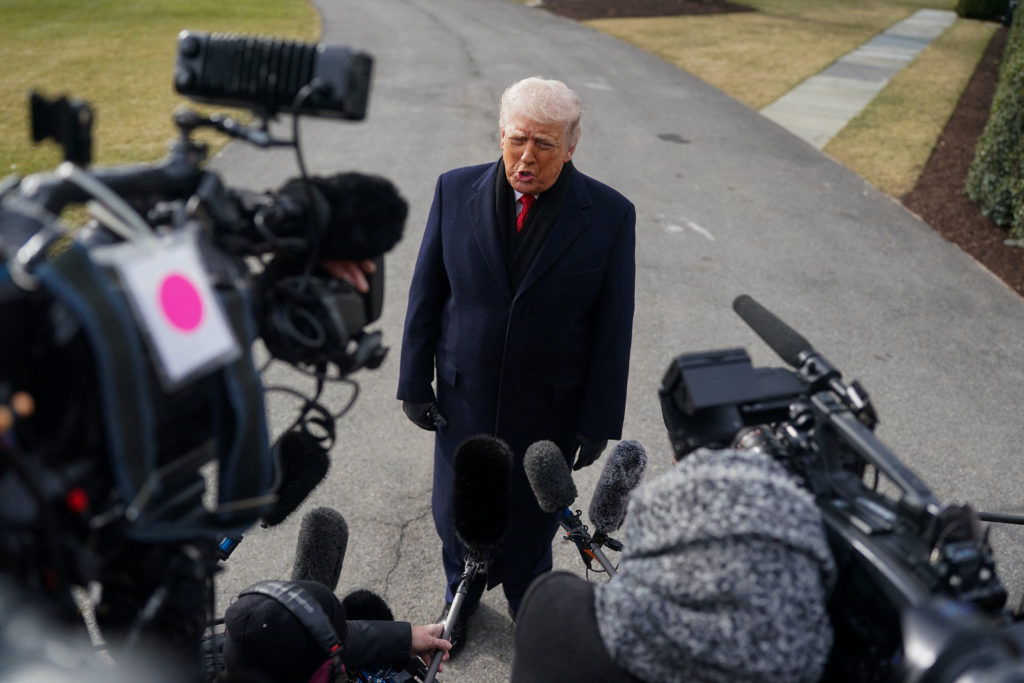
Trump Commends Iran on Cancellation of Executions
On a surprising note, President Donald Trump publicly commended the Iranian government for canceling the impending executions of what he estimated to be over 800 political prisoners. This statement, made while departing the White House for his Mar-a-Lago estate in Palm Beach, Florida, marked a rare occasion where Trump praised a regime often criticized by the U.S. government.
A Delicate Situation
Trump’s compliments came shortly after he had warned the Iranian leadership about the potential for U.S. military action if they proceeded with mass executions amid widespread protests sweeping across the nation. The protests, triggered by various socio-political grievances, have led to rising tensions and increasing death tolls. By acknowledging Iran’s decision to hold off on the hangings, Trump seemed to indicate that the immediate threat of military intervention was diminishing.
Trump’s Reflections on Diplomacy
When questioned about the reasoning behind his abrupt shift in stance, Trump confidently stated, “Nobody convinced me. I convinced myself.” He elaborated that the news of the executions being canceled significantly impacted his perspective, highlighting the weight of diplomatic negotiations and their consequences on international relations.
The Insurrection Act and Domestic Unrest
In a parallel development, Trump also addressed his previously hinted threats to invoke the Insurrection Act to deploy troops in response to ongoing protests in Minneapolis. However, he now suggested that such drastic measures were not necessary at the moment, saying, “If I needed it, I’d use it. I don’t think there’s any reason right now to use it, but if I needed it, I’d use it.” This marks a cautionary approach during a time of intense national scrutiny over law enforcement tactics.
Encounters with Venezuelan Opposition
During his remarks, Trump also touched upon his meeting with Venezuelan opposition leader Maria Corina Machado, who presented him with her Nobel Peace Prize. He described her as a “very fine woman” and expressed his intention to meet with her again. His acceptance of the prize—though not officially his—sparks discussions about the importance of diplomatic recognition in the ongoing Venezuelan crisis. Trump claimed that Machado stated he deserved the accolade, which adds a personal dimension to their interaction.
The Role of Trusted Journalism
Amid these geopolitical intricacies, an advertisement within the communication stresses the importance of a free press as a cornerstone of democracy. It encourages readers to support trusted journalism and civil dialogue, underscoring the need for informed citizenry, particularly during turbulent political climates.
The Bigger Picture
These events encapsulate a complex web of international relations, domestic unrest, and diplomatic negotiations. Trump’s surprising commendation of Iran, tempered by his responses to protests within the U.S., speaks volumes about the delicate balancing act leaders must perform on the global stage. As always, the ramifications of these decisions will resonate through various facets of both foreign and domestic policy.

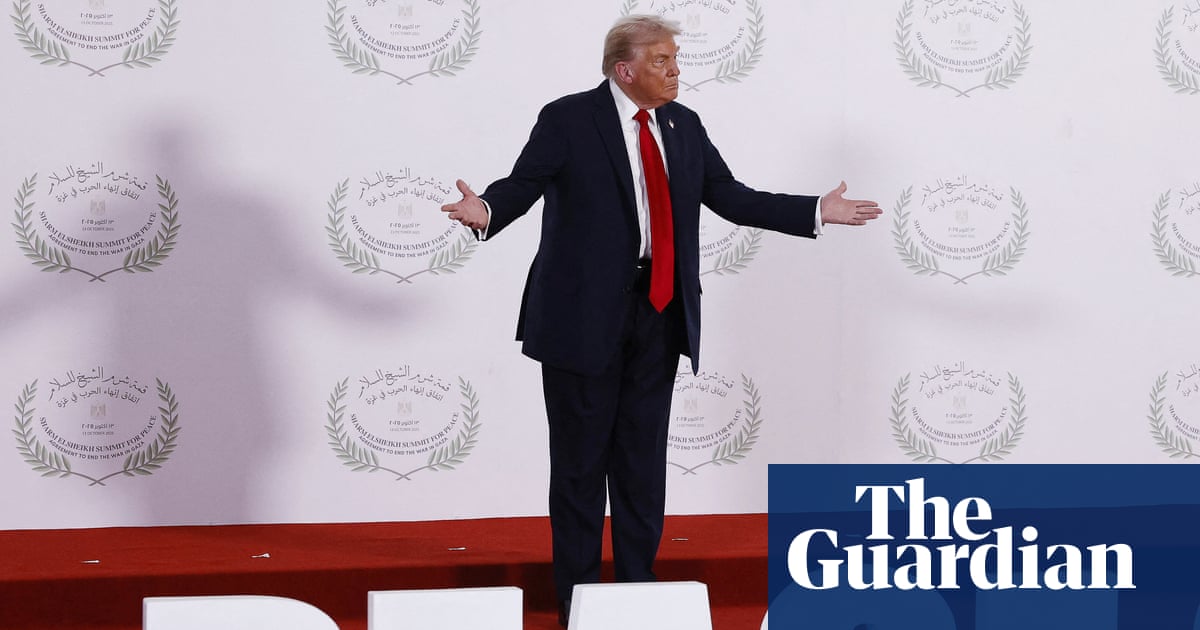
Trump Announces “Board of Peace” for Gaza Reconstruction
In a bold move as the fragile ceasefire holds between Israel and Hamas, former President Donald Trump has launched a new initiative termed the “Board of Peace.” This strategic body aims to spearhead the reconstruction of Gaza and establish its transitional administration, hoping to foster stability in a region beset by conflict.
Composition of the Board
The seven-member board is a mix of high-profile politicians and economic leaders. Notable members include:
- Marco Rubio, U.S. Secretary of State
- Tony Blair, former British Prime Minister
- Jared Kushner, Trump’s son-in-law and former senior advisor
- Steve Witkoff, Special Envoy for the initiative
- Ajay Banga, President of the World Bank
Trump himself will serve as the chair, indicating the strategic importance he places on this initiative. Further appointments are expected to complement the team’s expertise and broaden its reach.
Focus Areas of the Board
In a statement from the White House, it was revealed that each member will oversee a critical aspect of Gaza’s stabilization efforts. Responsibilities will span:
- Governance Capacity-Building: Establishing sound government structures to promote effective leadership within Gaza.
- Regional Relations: Fostering diplomacy and cooperation with neighboring countries to ensure a sustainable peace.
- Reconstruction: Overseeing the rebuilding of essential infrastructure damaged during the conflict.
- Investment Attraction: Encouraging both private and public investments to stimulate economic growth.
- Large-Scale Funding: Mobilizing financial resources necessary for carrying out reconstruction projects.
This structured approach aims to address both immediate needs and long-term goals, laying the groundwork for a more stable and prosperous Gaza.
The Current Situation in Gaza
As efforts proceed under the ceasefire agreement, Israel continues to enforce significant territorial control over Gaza. Reports have emerged that the Israeli government is demolishing countless structures that survived previous escalations. This includes homes and greenhouses vital for the local population’s recovery.
The geopolitical landscape remains tense as Hamas has not publicly committed to full disarmament, a longstanding demand from Israel. This lack of clear commitment raises critical questions about the longevity and effectiveness of the peace efforts being proposed.
Criticism and Skepticism
While the announcement of the board was met with a mix of optimism and skepticism, political analysts have voiced concerns. Seth Masket, a political scientist at the University of Denver, questioned the sincerity of Trump’s initiative. He remarked that the board’s name seemed irreconcilable with Trump’s historically aggressive foreign policy positions. “I hope he can find time to attend Board of Peace meetings between meetings about invasions of Venezuela, Iran, Greenland, Canada, and Minneapolis,” he quipped on social media.
Background Context
The creation of the “Board of Peace” marks the second phase of Trump’s U.S.-brokered plan to resolve the ongoing conflict, which has repeatedly flared into violence. The expansive vision for Gaza reflects deeper diplomatic aspirations, though it is not without its challenges, particularly regarding the ongoing demands for Hamas’s disarmament as a precursor for lasting peace.
Public and Political Reactions
Public reaction to the board’s composition has been mixed. Critics argue that the involvement of figures like Jared Kushner and Tony Blair could undermine the perceived neutrality of the initiative. In contrast, supporters believe that their experience in international diplomacy and conflict resolution can provide valuable insights into stabilizing the region.
Simultaneously, political discussions are taking place internationally regarding Trump’s controversial reputation, which some believe may affect international willingness to cooperate with his initiatives.
Moving Forward
As the situation develops, the effectiveness of the “Board of Peace” will hinge on its ability to navigate complex regional dynamics and forge meaningful partnerships. The ongoing challenges in the region will undoubtedly require both innovative solutions and diplomatic finesse to secure a path toward lasting peace and reconstruction in Gaza.
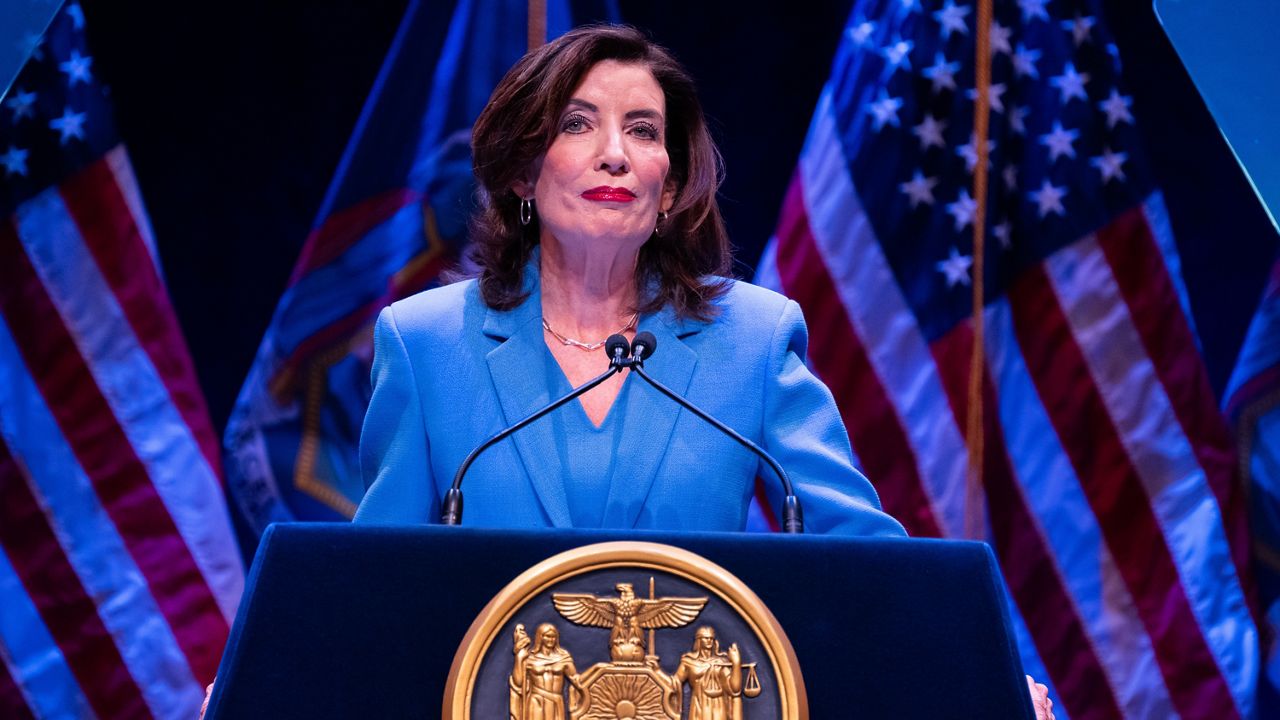
It’s Been Quite a Week in New York Politics
A Busy Legislative Landscape
This past week has been bustling with activity in New York’s political scene, highlighted by Governor Kathy Hochul’s fifth State of the State address. With the legislative session now in full swing, the focus has shifted to the pressing issues facing the state. These annual addresses serve as a platform for governors to outline their priorities and vision, and Hochul’s speech this year was no exception.
The State of the State Address
Governor Hochul’s State of the State address is a crucial moment in the New York political calendar. It outlines the administration’s key initiatives for the upcoming year, shedding light on areas such as education, healthcare, and public safety. This year’s address emphasized the ongoing challenges posed by the pandemic and the state’s efforts to build a more resilient future.
Hochul’s speech has sparked considerable discussion among lawmakers and constituents alike. Her proposals aim not only to address immediate needs but also to set a roadmap for sustainable growth. Among the highlights were commitments to improving infrastructure, expanding affordable housing, and tackling climate change initiatives.
Insights from the Experts
To break down the implications of Hochul’s address and the current legislative environment, Susan Arbetter, host of Capital Tonight, welcomed two seasoned state Capitol reporters: Jimmy Vielkind and Rob Gavin. Their in-depth analysis provides a clearer picture of the direction in which New York State is headed.
Jimmy Vielkind’s Perspective
As the New York state issues reporter for WNYC, Jimmy Vielkind brings a wealth of experience and understanding to the discussion. He highlighted the complexities of navigating the legislative process, particularly in a year filled with significant challenges. Vielkind pointed out the importance of bipartisan cooperation in addressing key issues such as the budget and public safety reforms.
His insights also touched on the dynamics between the Governor and the legislature. With a Democrat-controlled assembly and senate, the balance of power plays a crucial role in determining which initiatives gain traction. Vielkind’s observations remind us that while the Governor’s vision is vital, the legislative response will ultimately shape the final outcomes.
Rob Gavin’s Takeaway
Rob Gavin, the Albany Bureau chief at The Buffalo News, provided a localized perspective on the broader implications of Hochul’s address. Gavin emphasized the need for practical solutions to the challenges faced by everyday New Yorkers. His reporting often sheds light on the views of constituents, making it clear that the legislature’s actions must resonate with the public’s needs.
Gavin also discussed the potential obstacles ahead, including the ever-present issue of funding. The state’s budget is a significant point of contention, particularly given the ongoing fiscal uncertainties. His viewpoint underlines the notion that while the Governor’s proposals may be ambitious, they must align with financial realities and public expectations.
The Current Legislative Session
With the legislative session underway, the pressure is on for lawmakers to dive into the pressing issues and priorities laid out by Governor Hochul. Critical deadlines loom, and discussions about proposed legislation are beginning to heat up. This time of year is marked by debates, compromises, and, at times, fierce opposition.
The shift to more granular discussions means that some initiatives will likely gain momentum, while others may falter. Observers are keenly watching for which issues dominate the conversation in the coming weeks and months. The intersection of political strategy, public opinion, and legislative action creates a dynamic environment that keeps everyone on their toes.
The Role of Public Engagement
As the legislative process unfolds, public engagement becomes more critical than ever. Citizens, advocacy groups, and community organizations will play a vital role in shaping the discourse. The responsiveness of lawmakers to their constituents can significantly influence the success of proposed initiatives.
As both Vielkind and Gavin noted, the feedback loop between the public and their representatives often determines the effectiveness of legislation. Engaging the public through town halls, forums, and social media can help bridge the gap between policy and community needs, ensuring that the legislative efforts are rooted in the realities of everyday life.
Looking Ahead
As New York moves deeper into the legislative session, the journey remains uncertain but full of potential. The discussions ignited by Governor Hochul’s address will likely lead to renewed scrutiny of key issues and legislative actions. With seasoned reporters like Vielkind and Gavin on the ground, New Yorkers can expect to stay informed about the evolving political landscape and its implications.
This week has set the stage for an engaging legislative season, with plenty of developments on the horizon. As the dialogue continues, it will be fascinating to see how the priorities laid out in the State of the State address evolve into tangible actions and policies.
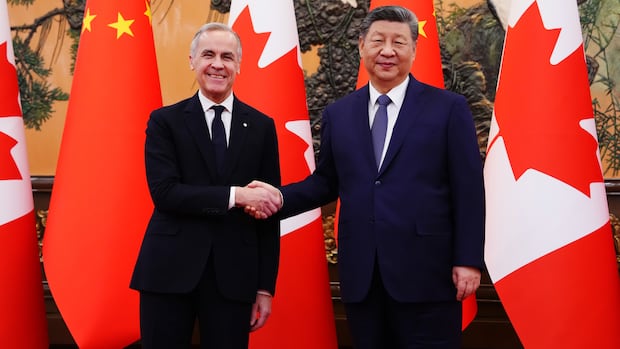
Chinese EVs Stoke National Security Fears
Growing Concern Among Officials
In both Canada and the United States, national security concerns are intensifying over the influx of Chinese electric vehicles (EVs). This apprehension is fueled by a variety of factors, primarily revolving around data security and the potential for foreign surveillance. Notably, U.S. Trade Representative Jamieson Greer recently commented on the situation, explaining, “There’s a reason why we don’t sell a lot of Chinese cars in the United States. It’s because we have tariffs to protect American autoworkers and Americans from those vehicles.” His remarks highlight a tension between promoting free trade and safeguarding national interests.
Accusations of Espionage
The criticism doesn’t stop at tariffs; prominent figures, including Ontario Premier Doug Ford, have taken a more direct route by labeling Chinese vehicles as “subsidized spy cars.” This vivid characterization reflects a broader sentiment among government officials who fear that these EVs could compromise personal and national security. The term “spy car” conjures images of surveillance and data breaches, which have become increasingly relevant topics in the digital age.
Data Security as a Foremost Concern
Experts in international business, such as Andreas Schotter from Western University’s Ivey Business School, share similar worries. Schotter emphasizes the importance of data security, particularly for vehicles integrated with artificial intelligence and advanced digital features. He states, “This needs to be addressed by technology experts, and maybe it is here where local assembly could happen in Canada with Chinese vehicles.” He advocates for a hybrid approach—allowing Chinese EVs but implementing stringent checks through local assembly to ensure that technological vulnerabilities are minimized.
The Case for Local Solutions
The notion of local assembly isn’t just a technical fix; it’s a strategic maneuver. By establishing local production of Chinese EVs, countries can gain greater control over software installations and hardware modifications. Schotter argues that this kind of localized approach isn’t insurmountable. “Software—at least hardware solutions—could be implemented or installed in these vehicles. This should not really be rocket science from that perspective,” he explains. This would allow manufacturers and governments to monitor potential security risks more effectively.
Consumer Sentiment Differs
Interestingly, despite the heightened concerns at the governmental level, consumer sentiment appears to diverge significantly. In the United Kingdom, where no such tariffs on Chinese EVs exist, sales have surged. This trend illustrates a fascinating dichotomy; while officials are increasingly apprehensive about the potential repercussions of Chinese vehicles, consumers seem eager to embrace the innovative technologies and competitive pricing that these vehicles offer.
The Stakes of Electric Vehicle Adoption
The implications of this disparity extend beyond borders. As countries grapple with climate change and the need for sustainable energy solutions, the adoption of electric vehicles is crucial. With Chinese automakers making significant strides in EV technology and infrastructure, the question remains: can Western nations balance the pursuit of environmental goals with the pressing need for national security?
In sum, the landscape surrounding Chinese EVs is complex, shaped by national security fears, evolving consumer behaviors, and the fast-paced technological advancements in the automotive industry. The conversation around these issues is likely to continue evolving as stakeholders navigate the fine line between innovation and security.

Is a Stock Market Crash Looming in 2026 with President Donald Trump? Insights from 155 Years of History.

US-Iran Tensions: Trump Lacks Clear Path to Victory Amid Tehran’s Challenges | Donald Trump News

WATCH | Beyond ‘Catching Bad Guys’: Jessieville’s Criminal Justice Class Explores the Realities of the Justice System

This Week in Science: ISS Medical Evacuation, Mars Sample Return Cancelled, and Woolly Rhino Flesh Discovered in Permafrost Wolf

Cleveland Browns Update (1/17): A Wealth of Head Coach Candidates

Prince Harry and Meghan Markle Reportedly Feeling Isolated – Celebrity News – Entertainment

WATCH: Trump Praises Iran for Allegedly Halting Hundreds of Executions

Trump News Summary: President Establishes Gaza ‘Board of Peace’ | Trump Administration

Political Journalists Discuss Hochul’s State of the State Address

Donald Trump Set to Reveal Home Buying Initiative Utilizing Retirement Funds

EXCLUSIVE: Will Smith’s Former Best Friend Bilaal Breaks Silence in Explosive Tasha K Interview — Lawsuit, Scientology Allegations, and Claims of an Attempt on His Life

Who Is Really Voting in These Polls? The Shocking Truth Behind America’s Approval Numbers

2026 NFL Coaching Update: John Harbaugh Nearing Deal with Giants; Mike Tomlin Not Expected to Coach Next Season

Blueprint for a “Tax-Free America” That Actually Works

It Took 35 Years for T. rex to Reach Full Maturity

Four Forecasts for 2026

Carbon Industries Group Signs Major Carbon Credit Agreements with Senegalese Government | Currency News | Financial and Business Insights

Top Picks from CES 2026: Editors Select the Best Products and Technologies

Wall Street Sees Modest Gains in Unsteady Start to 2026 | News, Sports, Jobs

Elon Musk’s Return to Politics: Why Not Explore a New Hobby Instead? | Arwa Mahdawi

The Most dramatic cats moments ever! 😂🤣 Funny Cat Videos 2025

Jennette McCurdy shares the stories behind memoir “I’m Glad My Mom Died”

Splash Dogs Take Over The Pool…And We Love It! | Dodo Kids | 1 Hour Of Animal Videos

The Funniest Animal Videos Compilation 😹🐶 Crazy Funny Dogs That Will Make You Laugh Nonstop 🤣

#54 Funniest Cats And Dogs videos 🐶🐱 #funny #animals #cuteanimals

Hilarious Animal Videos to Make You Laugh | Funny Dog & Cat Videos

Super Crazy Pets | FUNNIEST Animals You Have Ever Seen

Funniest Farm Animals

Funny Animal Videos 2023 – Comedy Voiceover! #12😹🐶🤣

Best Of The Funny Animal Videos 😹🐶 Funniest Cat & Dog Moments Ever Recorded 🤣
-
 Entertaiment2 weeks ago
EXCLUSIVE: Will Smith’s Former Best Friend Bilaal Breaks Silence in Explosive Tasha K Interview — Lawsuit, Scientology Allegations, and Claims of an Attempt on His Life
-
 Opinion2 days ago
Who Is Really Voting in These Polls? The Shocking Truth Behind America’s Approval Numbers
-
 Sports2 days ago
2026 NFL Coaching Update: John Harbaugh Nearing Deal with Giants; Mike Tomlin Not Expected to Coach Next Season
-
 Opinion2 days ago
Blueprint for a “Tax-Free America” That Actually Works
-
 Science2 days ago
It Took 35 Years for T. rex to Reach Full Maturity
-
 Finance2 weeks ago
Four Forecasts for 2026
-
 Finance2 weeks ago
Carbon Industries Group Signs Major Carbon Credit Agreements with Senegalese Government | Currency News | Financial and Business Insights
-
 Technology5 days ago
Top Picks from CES 2026: Editors Select the Best Products and Technologies