
Technology
Columbia’s Autoland Technology: Local Innovations in Mid-Missouri News


Revolutionary Autoland Technology in Aviation
COLUMBIA — Shad Sones, the general manager of BlackHawk Aerospace, recently experienced a moment of disbelief when he learned about the groundbreaking technology his team had worked on—a technology with the potential to save lives in emergency situations. Referring to the news of an Autoland system successfully landing an aircraft, Sones remarked, “It was actually something that we installed, we had our hands on. And it was because of that being installed, it had the potential of saving lives and the aircraft itself.”
The Emergence of Autoland Systems
At BlackHawk Aerospace, the enthusiasm surrounding Autoland systems is palpable. Sones and his team have already installed around half a dozen of these systems, with plans for another four installations by February. As the technology gains traction in the aviation community, Sones hopes to continue expanding their adoption.
Jim Brodigan, a pilot from a Missouri-based company, represents a growing number of aviators intrigued by this life-saving technology. “It’s peace of mind,” Brodigan explains. “If something happens to me and we’re in the air, and I’m the only pilot in the airplane, somebody can press the button and we’re all going to be OK.”
Real-Life Impacts of Autoland Technology
Brodigan’s personal connection to this technology is profound. He recalls an incident involving a co-worker who experienced a stroke while flying a helicopter. The nurse and medic on board were unable to assist the unresponsive pilot, despite their efforts to guide him down. Through his own experience, Brodigan underscores the need for solutions like the Autoland system, which could detect an abnormal flight situation and prompt activation.
In such a critical scenario, the Autoland system would kick into action. If the aircraft began to bank dangerously, a notification would appear, asking the pilot to activate the Autoland system. Should the pilot fail to respond, the technology would take control, evaluating the nearest airport, potential hazards, and weather conditions before safely guiding the aircraft to the runway.
How Autoland Works
The Autoland system is designed to replicate every action a pilot would normally take during landing. It continuously communicates with air traffic control, updating them on the aircraft’s status. Key tasks, such as extending the landing gear or managing flaps, are automated, allowing the aircraft to land smoothly, even in distress.
Despite its sophistication, the Autoland system allows for manual overrides. During training scenarios, pilots may engage in unusual maneuvers, and the system can recognize these actions and turn off if the pilot takes intentional control. However, in dire emergencies, the Autoland will automatically engage, ensuring the aircraft’s safety.
Installation and Upgrade Process
The installation of an Autoland system is relatively streamlined. For aircraft that already have most of the necessary wiring, the upgrade typically takes about five weeks. This includes two weeks dedicated to preparing additional wiring, followed by three weeks for the actual installation.
For new aircraft, it requires around ten weeks—five weeks in the wire lab and another five upon arrival. Given that many aircraft still operate on outdated technology designed in the late 1980s, Sones notes that incorporating a modern Autoland system represents a significant upgrade in safety and functionality.
Pioneering Efforts in Aviation
BlackHawk Aerospace was a trailblazer, installing the first Autoland system in a King Air 200. Sones acknowledges that the company occupies a niche in the aviation industry, as relatively few entities specialize in installing advanced avionic systems. His vision includes expanding the market for this technology beyond the current select aircraft to encompass a wider range of models.
The Future of Autoland Technology
Though Brodigan recognizes the life-saving potential of the Autoland system, he expresses a hope that he will never need to use it. “It’s a bad day if it gets used, but it’s also a great day,” he reflects. Such sentiments echo the overarching mission of innovating aviation safety while ensuring that the experiences of pilots and passengers remain as smooth and secure as possible.
With advances in technology like Autoland, the future of aviation is not only promising but also far safer, offering peace of mind for pilots and passengers alike.
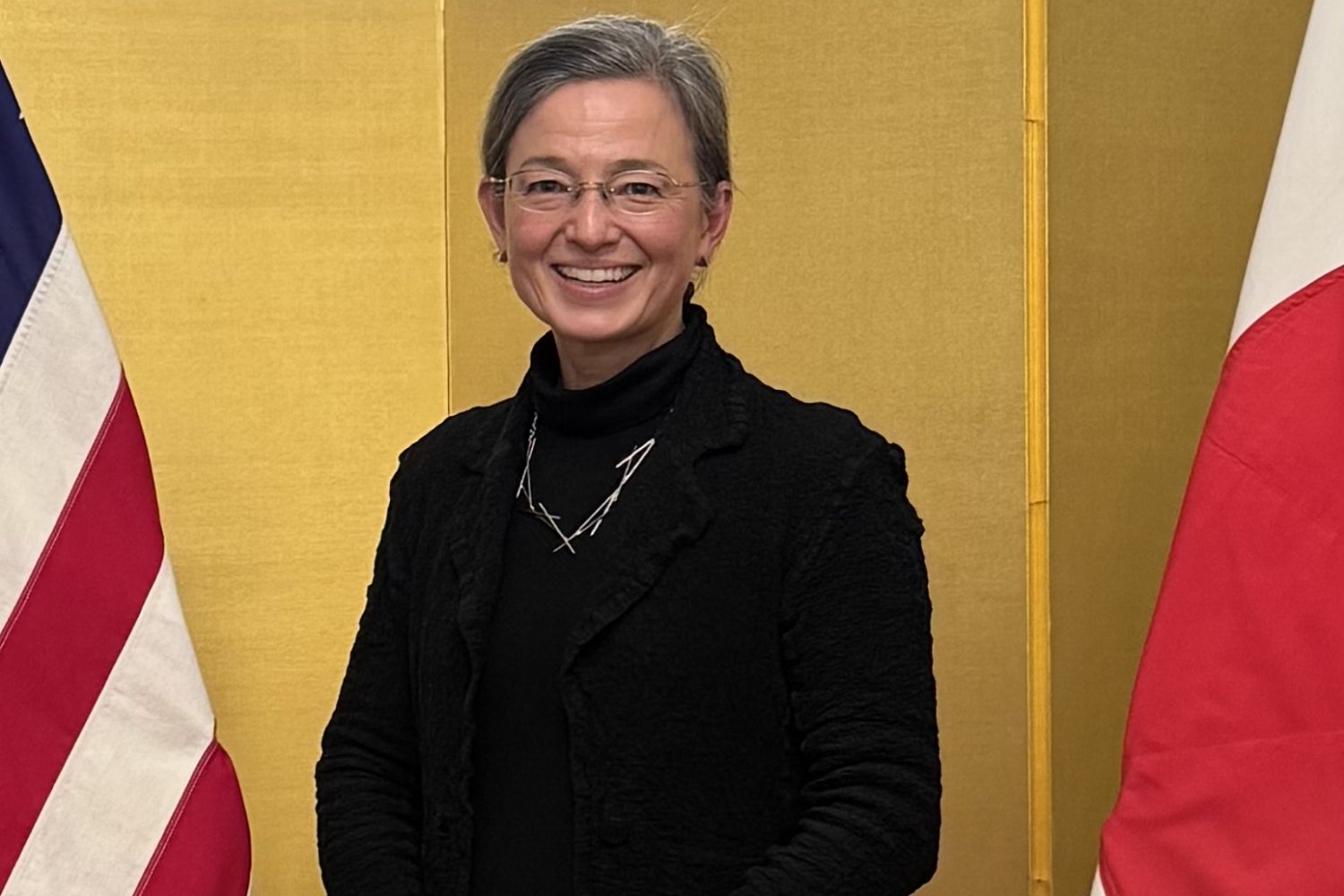
Christine Pilcavage: Bridging Cultures through MISTI Japan
Born and raised in Japan as part of a military family, Christine Pilcavage understands deeply the transformative power of cultural immersion and exploration. Her life experiences have taken her across various countries, including Cambodia, the Philippines, and Kenya. “Any experience in a different context improves an individual,” she emphasizes, showcasing her belief in the value of diverse perspectives.
MISTI Japan: A Portal to Opportunities
As the managing director of MISTI Japan (MIT International Science and Technology Initiatives), Pilcavage plays a pivotal role in connecting MIT students and faculty with collaborators in Japan. The program offers students unparalleled opportunities through internships and research initiatives. By organizing cultural activities such as Ikebana classes and the Japanese Film Festival during MIT’s Independent Activities Period, she fosters a richer understanding of Japanese culture on campus.
MIT’s historical links with Japan are profound, dating back to 1874 when the first Japanese student graduated. The establishment of the MIT Association of Japan in 1911 marked the beginning of trans-Pacific alumni connections, which later evolved into the MIT Club of Japan. These roots highlight the long-standing relationship between MIT and Japan.
Immersive Experiences Shaping Future Leaders
The MIT-Japan Program, founded in 1981, was established to prepare MIT students to become forward-thinking scientists and engineers proficient in working within the Japanese context. Since its launch in 1983, students have participated in three to twelve-month internships, immersing themselves in a vastly different culture. “Japan is so different from the Western world,” Pilcavage notes, pointing out nuances in communication, like how verbs end sentences in Japanese, emphasizing the need for patience and keen listening.
Pilcavage advocates for the immense benefits of broadening one’s horizons beyond the familiar MIT environment and the United States. Traveling internationally cultivates diverse viewpoints, promotes innovative problem-solving, enhances language proficiency, and nurtures effective communication skills.
Cultural Resilience and Language Learning
One standout aspect of the program is its focus on cultural resilience. Pilcavage believes that engaging with local populations not only enriches student experiences but also supports them in learning differently. “We want our students to think and create,” she asserts, emphasizing the importance of viewing challenges through different cultural lenses.
MIT students actively contribute to their host communities through programs designed for rural Japanese kids, teaching STEM subjects in Japanese. This initiative, which has been ongoing since 2017, equips students with valuable skills while deepening their understanding of cultural subtleties, such as body language tailored to Japanese contexts.
A Multifaceted Journey to MIT
Pilcavage’s background is as diverse as her interests. She holds master’s degrees in both international affairs and public health, alongside an undergraduate study in economics and psychology. Her professional journey includes work with USAID, the Japanese government, JICA, and the World Health Organization, focusing on global health and educational challenges across Africa and Asia.
Her initial foray into Cambridge, Massachusetts, was driven by a quest for practical experience in public health. Pilcavage joined Management Sciences for Health, investigating reproductive issues and supporting Japanese NGOs. Her personal ties to MIT have deepened over the years—she even married an MIT alum in the MIT Chapel!
Commitment to Global Development
Throughout her career, Pilcavage has emphasized the importance of problem-solving in real-world contexts. During her early years at MIT, she managed the Comprehensive Initiative on Technology Evaluation (CITE), which evaluated low-cost interventions for communities living in poverty. “It’s important to learn how to manage real-world challenges effectively,” she notes, reinforcing her role in fostering collaborative environments for innovation.
Her dedication to promoting positive relations between the United States and Japan has not gone unnoticed. She has received accolades such as the Foreign Minister’s Commendation from the Japanese Ministry of Foreign Affairs and the John E. Thayer III Award from the Japan Society of Boston.
Future Initiatives and Ongoing Impact
Today, Pilcavage remains passionate about the future of MISTI Japan. She is excited about new initiatives, including the upcoming global classroom project that will allow students to explore Japanese history and culture firsthand. These experiences in cities like Kyoto and Hiroshima aim to deepen students’ understanding and appreciation of Japan’s rich heritage.
Her constant questioning—“How can I make the program better?”—illustrates her dedication to continuous improvement for MISTI Japan. “I tell people I have the best job in the world,” she states, relishing the opportunity to share her culture with the MIT community while collaborating with supportive colleagues.
Through her efforts and leadership, Pilcavage is not just creating pathways for exploration but is also fostering a profound appreciation for cultural connections among the next generation of innovators and leaders.

Elon Musk’s Grok Faces Scrutiny: AI and the Dangers of Deepfakes
Elon Musk’s artificial intelligence tool, Grok, has been in the spotlight following its controversial ability to create edited images of real people, particularly depicting them in revealing clothing. Recent developments have sparked discussions about legality, ethics, and user accountability, highlighting the increasing concern over the implications of AI-generated content.
Changes Announced by X
In a recent announcement on social media platform X (formerly Twitter), Musk’s team revealed that Grok would no longer have the capability to manipulate images of real individuals to present them in a sexualized manner, especially in jurisdictions where such practices are deemed illegal. The statement read, “We have implemented technological measures to prevent the Grok account from allowing the editing of images of real people in revealing clothing.” This decision came in light of growing public and governmental pressure to reign in the use of these AI capabilities.
Government Reactions
The UK government expressed a sense of validation following Grok’s new policy. Prime Minister Sir Keir Starmer had previously urged X to take action to manage AI tools responsibly. Reacting to the announcement, a spokesperson from UK regulator Ofcom described the change as a “welcome development,” yet clarified that their investigation into whether the platform violated UK laws continues. Technology Secretary Liz Kendall underscored the importance of establishing firm facts through Ofcom’s ongoing inquiry.
Legal Investigations in California
Adding to the mounting scrutiny, California’s Attorney General announced an investigation into the proliferation of sexualized AI deepfakes, particularly those that could involve minors. This investigation indicates a growing inclination among authorities to address AI-generated content’s potential harms, revealing the urgency behind the need for regulation in the rapidly evolving tech landscape.
User Restrictions and Accountability
In their statement, X clarified that only paid users would now be permitted to generate images using Grok, a change intended to enhance accountability. This strategy aims to deter individuals who might misuse the tool for unlawful purposes. The AI’s restrictions are specifically tied to geographic locations, blocking the creation of explicit content in areas where it violates local laws.
While Musk insists that Grok will maintain certain NSFW (not safe for work) features, he reassured the public that under new checks, it would adhere to R-rated standards, varying between regions based on local regulations.
Public and Expert Reactions
Reactions from the expert community have expressed cautious optimism, but with significant reservations. Clare McGlynn, a law professor at Durham University, noted that while X’s new measures are commendable, they come too late for many victims already impacted by the misuse of such technologies. Similarly, Andrea Simon, director of the End Violence Against Women Coalition, emphasized that while X’s response indicates the power of public and governmental pressure, a proactive approach from tech companies is essential to effectively combat AI-generated harms.
Investigations and Future Actions
Ofcom’s investigation into X raises concerns about enforcement and compliance. If X is found in violation, Ofcom could seek court orders to restrict access to the platform altogether within the UK. Prime Minister Starmer has warned that X could lose its “right to self-regulate” if it fails to address these serious allegations thoroughly.
Unresolved Concerns Over Implementation
Despite the announcement of new policies, significant questions remain regarding the practicality of enforcing these changes. Experts like policy researcher Riana Pfefferkorn have pointed out that mechanisms for distinguishing between real and AI-generated images need to be clarified. Concerns also persist regarding users circumventing regulations through VPNs, which allow individuals to mask their geographical location. This leaves significant loopholes for misuse, raising the stakes on how effectively X can implement these new guidelines.
The Road Ahead
As technology continues to advance at a rapid pace, the question remains if platforms like X can adapt to new challenges effectively. The recent outcry over Grok underscores not just a moment of accountability for Elon Musk’s ventures but also a larger conversation about the responsibilities technology companies hold in safeguarding public interests. The outcome of these ongoing investigations may very well shape the future of AI application and regulation for years to come.

Binghamton University Strengthens Mental Health Support
Binghamton University, a leader in addressing mental health challenges on campus, is among the 27 campuses receiving funding from a SUNY grant aimed at enhancing mental health training. This initiative seeks to boost the number of faculty and staff able to recognize and respond to mental health issues and substance use disorders among students.
Understanding Mental Health First Aid
Mental Health First Aid (MHFA) is a nationally recognized training program that equips participants with crucial skills to identify, understand, and respond to signs of mental health challenges. This evidence-based program focuses on early detection, supportive responses, and connecting individuals to professional help. By teaching practical skills, MHFA empowers community members to act as a first line of defense for peers who may be struggling.
SUNY’s Vision and Commitment
The State University of New York (SUNY) introduced Mental Health First Aid as part of its 2025 State of the University Policy Agenda under Chancellor John B. King Jr. While this initiative was officially launched across several campuses, Binghamton University took proactive measures to implement the program already in 2021. With upcoming funding, SUNY anticipates that nearly 3,000 faculty, staff, and non-clinical personnel across campuses will receive this essential training by 2026.
Binghamton’s Impact So Far
Since the introduction of MHFA at Binghamton University, over 400 students, faculty, and staff have completed the training. This significant number reflects the institution’s commitment to fostering a supportive environment. The recent grant funding will further extend the reach of this program, making it accessible to even more community members, including students, which is crucial in addressing the growing mental health concerns among the college demographic.
A Collaborative Approach to Wellness
Johann Fiore-Conte, associate vice president for student affairs and chief health and wellness officer, emphasizes the importance of Mental Health First Aid in creating a supportive campus culture. “Mental Health First Aid is a critical part of our campus-wide approach to student well-being,” he stated. Fiore-Conte underlined how the program strengthens the university’s ability to recognize early signs of distress and respond compassionately and effectively.
Future Directions for Training
As the program continues to scale, Binghamton University is focused on integrating Mental Health First Aid more thoroughly into its broader health and wellness strategy. This commitment reflects a proactive stance toward mental health, ensuring that all members of the campus community are equipped to play a role in maintaining a healthy environment.
Opportunities for Involvement
Faculty, staff, and students interested in participating in Mental Health First Aid training are encouraged to reach out to the Student Affairs office. This initiative not only fosters individual growth but also builds a more resilient and connected campus community, ultimately aiming to alleviate the mental health challenges faced by many students.
By investing in mental health resources, Binghamton University is setting a powerful example of how educational institutions can actively participate in the well-being of their communities. As attention to mental health continues to gain prominence, programs like Mental Health First Aid will remain vital in shaping a supportive and understanding campus atmosphere.

Wisconsin Democrats Unveil Series of Election Bills Before Midterms | Politics

A Jet in the Woods: The Aircraft That Never Crashed and the Questions No One Has Answered

ICE No. 2 Exits Position to Enter Run for Ohio’s Battleground House District

Willamette MBA Rises to 97th Place in U.S. News Rankings

Performance of Major US Stock Indexes on Thursday, January 15, 2026

Dow, S&P 500, and Nasdaq Hold Steady as Wall Street Concludes a Turbulent Week

Live Updates: Death Toll from Iran Protests, Iranian Threats to the U.S., Execution of Erfan Soltani Postponed

Ensuring Safety in Every Neighborhood: CMPD Reports Decline in Violent Crime

Strengthening MIT’s Ties with Japan | MIT News

It Took 35 Years for T. rex to Reach Full Maturity

EXCLUSIVE: Will Smith’s Former Best Friend Bilaal Breaks Silence in Explosive Tasha K Interview — Lawsuit, Scientology Allegations, and Claims of an Attempt on His Life

Four Forecasts for 2026

Carbon Industries Group Signs Major Carbon Credit Agreements with Senegalese Government | Currency News | Financial and Business Insights

2026 NFL Coaching Update: John Harbaugh Nearing Deal with Giants; Mike Tomlin Not Expected to Coach Next Season

Top Picks from CES 2026: Editors Select the Best Products and Technologies

Elon Musk’s Return to Politics: Why Not Explore a New Hobby Instead? | Arwa Mahdawi

Blueprint for a “Tax-Free America” That Actually Works

Who Is Really Voting in These Polls? The Shocking Truth Behind America’s Approval Numbers

Wall Street Sees Modest Gains in Unsteady Start to 2026 | News, Sports, Jobs

Nvidia’s Groq Acquisition Highlights How the AI Chip Leader Leverages Its Robust Balance Sheet to Maintain Dominance

The Most dramatic cats moments ever! 😂🤣 Funny Cat Videos 2025

Jennette McCurdy shares the stories behind memoir “I’m Glad My Mom Died”

Splash Dogs Take Over The Pool…And We Love It! | Dodo Kids | 1 Hour Of Animal Videos

The Funniest Animal Videos Compilation 😹🐶 Crazy Funny Dogs That Will Make You Laugh Nonstop 🤣

#54 Funniest Cats And Dogs videos 🐶🐱 #funny #animals #cuteanimals

Hilarious Animal Videos to Make You Laugh | Funny Dog & Cat Videos

Super Crazy Pets | FUNNIEST Animals You Have Ever Seen

Funniest Farm Animals

Funny Animal Videos 2023 – Comedy Voiceover! #12😹🐶🤣

Best Of The Funny Animal Videos 😹🐶 Funniest Cat & Dog Moments Ever Recorded 🤣
-
 Entertaiment2 weeks ago
EXCLUSIVE: Will Smith’s Former Best Friend Bilaal Breaks Silence in Explosive Tasha K Interview — Lawsuit, Scientology Allegations, and Claims of an Attempt on His Life
-
 Finance2 weeks ago
Four Forecasts for 2026
-
 Finance1 week ago
Carbon Industries Group Signs Major Carbon Credit Agreements with Senegalese Government | Currency News | Financial and Business Insights
-
 Sports9 hours ago
2026 NFL Coaching Update: John Harbaugh Nearing Deal with Giants; Mike Tomlin Not Expected to Coach Next Season
-
 Technology3 days ago
Top Picks from CES 2026: Editors Select the Best Products and Technologies
-
 Politics1 week ago
Elon Musk’s Return to Politics: Why Not Explore a New Hobby Instead? | Arwa Mahdawi
-
 Opinion16 hours ago
Blueprint for a “Tax-Free America” That Actually Works
-
 Business2 weeks ago
Wall Street Sees Modest Gains in Unsteady Start to 2026 | News, Sports, Jobs